I was that parent—the one standing over a sleeping toddler with a bottle of that “bitter” nail polish, feeling like a complete villain. My daughter was three, and her thumb was her best friend, her security blanket, and her favorite midnight snack all rolled into one. But every time she smiled, I couldn’t help but notice those upper front teeth drifting forward, creating a gap that screamed “future orthodontic disaster.” I spent hours scouring family dentistry tips looking for a magic wand. Instead, I found a lot of conflicting advice and a whole lot of guilt. My biggest mistake? I waited until her teeth were noticeably shifting because I fell for the “they’ll grow out of it” myth. Today, I’m going to show you exactly how we kicked the habit for good, without the tears or the power struggles, and how you can protect that precious smile before things get complicated.
The Real Reason Your Toddler Won’t Let Go
It’s not just a bad habit; it’s a biological survival mechanism. For a toddler, that thumb is a portable stress-relief valve. When I finally stopped treating it like a discipline issue and started treating it like a comfort issue, everything changed. We often worry about the cosmetic side—and let’s be real, keeping a smile confident starts early—but the emotional hurdle is what stops most parents in their tracks. According to the American Academy of Pediatric Dentistry, most children stop on their own between ages 2 and 4, but if it persists past the time the permanent teeth are ready to erupt, it’s time to step in. Have you ever felt like you were “the mean parent” for trying to pull that thumb out? I certainly did.
Is this habit actually worth the fight?
You might be thinking that a little thumb sucking isn’t the end of the world. And you’re right, until it isn’t. I’ve seen what happens when we ignore it—suddenly you’re looking at fixing gaps without braces or dealing with complex bite issues later. The fear that we are “breaking” our child’s spirit by setting boundaries is real, but the reality of long-term dental damage is even scarier. We’re not just stopping a habit; we’re preventing a lifetime of self-consciousness. If your little one is already a bit nervous, you might want to look into helping a child who is afraid of the dental chair, because early intervention is much gentler than a major correction down the road.Instead of focusing on the “fight,” focus on the physical sensation. Think of thumb sucking like driving a car on autopilot; you don’t even realize you’ve taken the wrong exit until you’re three miles down the highway. To help my daughter realize her thumb was in her mouth without making her feel like a villain, we used a soft, breathable fabric sleeve at night. It wasn’t a physical restraint; it was more like a sensory speed bump that broke the “autopilot” circuit. I remember the very first night we tried it—she looked at her covered hand with genuine confusion, as if a stranger had moved into her bed. While you are monitoring these subconscious habits, it’s also the perfect window to check for other developmental quirks, such as why your child’s baby teeth are coming in with ridges on the bottom, which is a common concern that often turns out to be perfectly natural.
Turn Your Child Into the Captain of the Mission
Kids thrive on autonomy and a sense of “winning.” When I tried to force the habit to stop, she dug in her heels, but when I made her the leader of her own dental health, the dynamic shifted instantly. We created a “Smile Defense League” chart. Every morning she woke up with a dry thumb sleeve, she earned a gold dinosaur sticker. This focus on positive reinforcement is a cornerstone of comprehensive family dentistry because it prevents the dentist’s office from becoming a place of fear and scolding later. It is much more effective to invest in a sheet of stickers today than it is to worry about the long-term lifespan of a dental implant or restorative work for a jaw that didn’t develop correctly because of constant pressure. 
Address the Boredom Factor
Most of the time, that thumb finds its way into the mouth because the hands are idle. I noticed my daughter sucked her thumb most while watching her favorite cartoons. I started giving her a “special job” during movie time—holding a specific fidget toy or even helping me fold “small” laundry like her own socks. If you find they switch from sucking to gnawing on other things, you might need to learn how to get your toddler to stop biting the toothbrush. I actually had a panic moment during this transition where I couldn’t tell if your toddler has a cavity or a stained groove because she had been obsessively gnawing on a dark-colored toy that left a temporary mark on her molars.
How I Failed with the Sock Puppet Method
One evening, desperate for a quick fix, I put a thick wool sock on her hand and secured it with a soft hair tie. I thought I was a genius. Ten minutes later, I found her blissfully sucking on the woolly toe of the sock, making a soggy, lint-covered mess. The lesson? You can’t just block the habit; you have to replace the comfort. We eventually found that a specific heavy weighted blanket gave her the same sensory pressure that the thumb sucking provided. If we don’t address these issues early, we aren’t just looking at crooked teeth; we are looking at structural changes that might eventually require debating veneers vs crowns to fix the aesthetic damage once they reach adulthood. A little patience and a few ways to soothe a toddlers gums without using medication can go a long way in keeping their early dental journey positive.
We often think of cosmetic dentistry as the final coat of paint on a house, a surface-level fix to make things look pretty. But here is the contrarian truth: if the foundation of the jaw is altered by years of thumb sucking or poor alignment, the ‘paint’ will eventually crack. Many parents think that once the baby teeth fall out, the slate is wiped clean. In reality, the habit shapes the bone, and ignoring those subtle shifts early on leads to a common trap later in life—investing in beautiful veneers to unlock your best smile only to have them fail because the underlying bite was never corrected. I’ve seen this ‘cosmetic-first’ mistake repeatedly; people focus so much on the shade of the porcelain that they overlook the mechanical forces that will eventually chip their investment. If you are considering a major change, you need to understand why your porcelain veneers look opaque and not natural when the tooth preparation isn’t handled with advanced precision.
Can You Actually Get Dental Implants if Your Jaw Already Has Bone Loss?
This is the question that keeps many adults up at night, especially those who waited too long to address a gap. The common myth is that bone loss is a permanent disqualifier for modern restorative work. However, the nuance lies in the preparation. While the risk of leaving a missing tooth unreplaced for years is significant—leading to the jaw bone physically ‘shrinking’—today’s technology offers paths forward that didn’t exist a decade ago. You can find the truth about getting dental implants with existing bone loss often involves bone grafting or specialized implant placement techniques. According to a study published in the Journal of Prosthetic Dentistry, the success rate of implants remains incredibly high (over 95%) even in compromised patients, provided the site is properly augmented. This is why a ‘wait and see’ approach is the most dangerous strategy in family dentistry; the longer you wait, the more complex and expensive the eventual solution becomes.
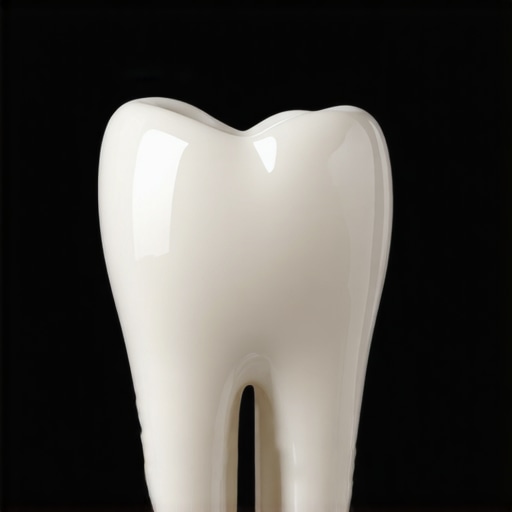
The ‘oops’ factor I see most often in cosmetic consultations is the obsession with ‘perfection’ over ‘harmony.’ Patients often demand the whitest shade available, falling into the mistake that makes your teeth look too white and fake. A truly expert dentist looks at the whites of your eyes and your skin tone to match the translucency of the ceramic. If a veneer is too thick, it can feel like a foreign object, which is why your porcelain veneers might feel bulky at first if the enamel wasn’t contoured correctly. We aren’t just looking for a photo-ready moment; we are looking for a functional restoration that lasts decades. When you look into the truth about the lifespan of a dental implant, you realize it’s not just about the titanium screw—it’s about how that implant interacts with your unique gum tissue and bite pressure. If you’re ready to stop the guesswork, contact us to see how we can build a foundation that actually lasts. Have you ever fallen into this trap of waiting too long for a ‘minor’ dental fix? Let me know in the comments.
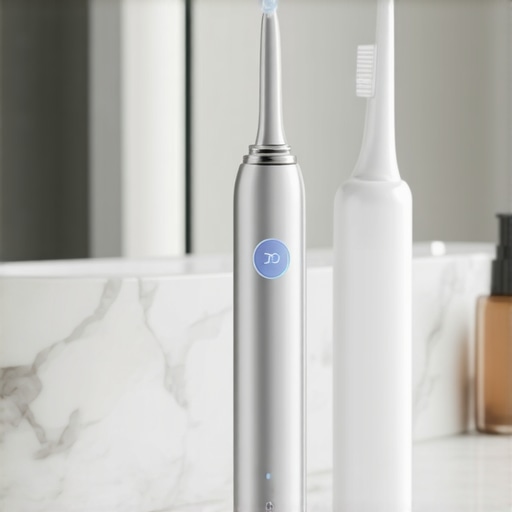
Once you’ve invested in your dental health—whether it’s finally helping your toddler break a habit or undergoing a full veneers transformation—the real work begins. Maintenance isn’t just about brushing; it’s about using the right caliber of equipment to protect your financial and emotional investment. Personally, I switched to the Philips Sonicare 9900 Prestige because of its SenseIQ technology. Most people treat their gums like they are scrubbing a grout line, which is why your gums bleed every time you try a new electric toothbrush; this specific brush actually senses when you are pressing too hard and adjusts the intensity automatically. If you want family dentistry tips that actually work, start with a tool that prevents you from being your own worst enemy.
The gear that actually saves your investment
I also live by my Waterpik Aquarius. If you have any restorative work, traditional floss can sometimes snag, leading to that mini-panic where you think your porcelain veneer feels rough to your tongue because you’ve caught an edge. Using a water flosser at a medium-high setting allows you to flush out the sulcus—the space between the tooth and the gum—without mechanical friction. This is especially vital for those navigating the secret to flossing comfortably with a permanent retainer. I’ve found that using slightly warm water mixed with a capful of non-alcohol antiseptic rinse makes the process feel less like a chore and more like a spa treatment for my mouth.
How do I maintain these high-end dental results over time?
Long-term success with cosmetic dentistry or implants requires a shift in how you view ‘nightly routines.’ For instance, if you’ve had work done to address gaps, you likely have a night guard to prevent grinding. You must learn how to clean your night guard without damaging the material because bacteria buildup on a guard can lead to localized gum inflammation. According to a study in the Journal of Oral Implantology, the ‘Biologic Width’ around a dental implant is more sensitive to bacterial plaque than a natural tooth, meaning your cleaning game has to be even tighter than before. I recommend using an ultrasonic cleaner—the same kind jewelers use—for your night guard or retainers to reach the microscopic crevices that a toothbrush simply cannot hit.
Where dental tech is headed by 2030
The future of keeping your smile intact is moving away from reactive fixes and toward biological integration. I predict that within the next few years, we will see ‘smart implants’ that can monitor pH levels in the mouth and alert your phone if a hidden infection is brewing. We are already seeing dental implants 2025 innovations like 3D-printed ceramic scaffolds that encourage your own bone to regrow faster. Furthermore, how dental implants reshape your oral health will involve even more precise diagnostic tools, such as how your dentist uses CBCT scans to map your nerves in 3D before a single incision is made. We are entering an era where ‘dentistry’ is more about bio-engineering and less about drilling. If you are serious about your results, I encourage you to try the ‘two-minute focus’ tip: set a timer and spend exactly 30 seconds on each quadrant of your mouth with your electric brush, focusing purely on the gumline. You’ll be shocked at how much you usually miss. For a personalized look at your own oral health, contact us and let’s build your custom maintenance plan.
What I Wish I’d Known Before the Thumb Sucking War
Looking back, the most profound realization wasn’t about dental hardware; it was about bone development. I realized that baby teeth aren’t just temporary space-fillers; they are the architects of the adult jaw. If I could go back, I wouldn’t have waited for the ‘oops’ moment. I learned that intervention isn’t about being mean—it’s about being a guardian of their future confidence.
- Habits are physical, not just behavioral. You can’t talk a toddler out of a biological urge; you have to physically disrupt the circuit.
- Early checks save thousands. A simple consult now avoids the complex future of dental implants or heavy corrective surgeries later.
- Consistency beats intensity. Five minutes of gentle positive reinforcement every single day did more for her teeth than any one-time ‘scary’ dentist visit ever could.
- Your guilt helps no one. Every parent misses something. The win is in how you handle family dentistry tips once you have the right information.
The Exact Toolkit We Used to Turn Things Around
We didn’t just stop the habit; we overhauled our approach to oral hygiene to make it feel like a reward rather than a chore. If you want to keep those results long-term, you need gear that does the heavy lifting for you. We swear by a high-end electric brush that protects sensitive gums, especially if you’re worried about why your gums bleed every time you try a new electric toothbrush when starting a new routine. We also incorporated a water flosser to ensure those tight spaces stay clean without the struggle of traditional string floss.
#IMAGE_PLACEHOLDER_E#
Beyond the tools, I found that education was our best resource. Reading up on how dental implants reshape your oral health gave me the ‘why’ behind the ‘what,’ making me much more diligent about her early alignment. If you’re feeling overwhelmed by the technical side of things, I highly suggest you contact us to get a clear, jargon-free roadmap for your family.
Stepping Into a Future of Fearless Smiles
The journey from a thumb-sucking toddler to a confident adult with a radiant smile isn’t a straight line, but it is one worth traveling. By taking action now, you aren’t just saving money on future braces; you are giving your child the gift of never having to hide their laugh. Whether you are correcting a habit or planning a full veneers transformation for yourself, the goal is always the same: a functional, beautiful smile that reflects who you are. This is the heart of true family dentistry—caring for the person behind the teeth. Have you ever struggled with finding the right balance between comfort and dental health for your little one? Let me know below.