It was 3:14 AM. I know the exact time because it is etched into my brain alongside the sound of a high-pitched wail that could shatter glass. My toddler, usually a champion sleeper, was currently trying to gnaw through the corner of his wooden crib rail like a tiny, determined beaver. His cheeks were bright red, his pajamas were soaked through from the drool, and the air in the nursery felt thick with frustration. I was staring at a bottle of infant ibuprofen on the dresser like it was a holy relic, but I hesitated. My eyes were burning from lack of sleep. I felt like a failure as I tried to rock a child who clearly did not want to be held. Early on in my parenting journey, I made the mistake of assuming every midnight cry was just “new teeth” and ended up ignoring what was actually a cavity or a stained groove that needed real attention. That wake-up call taught me to look closer and think twice before reaching for the medicine cabinet. I wanted a way to soothe him that did not involve a syringe of medicine every four hours or worrying about side effects. If you have ever been in that midnight survival mode, pacing the hallway and feeling like you have run out of options, you are not alone. Today, we are going to fix that. I am sharing the exact drug-free methods that worked for my family and how these simple family dentistry tips can keep your little one smiling without the constant pharmacy trips. Have you ever found yourself questioning your every move while your child screams in the middle of the night?
Try These Freezer Hacks Before Reaching for the Tylenol
When my youngest started biting the toothbrush out of pure, itchy-gum frustration, I realized that cold is the most underrated tool in a parent’s belt. We are not talking about fancy, expensive vibrating toys that require batteries. Sometimes, a simple, damp, frozen washcloth is the MVP of the nursery. The texture provides a unique counter-pressure that those inflamed little gums crave, and the intense cold naturally dulls the ache better than many over-the-counter options. It is about finding that balance between safety and relief. You might feel like you are failing when the crying does not stop immediately, but consistency is key. My mistake back then was thinking “more” was “better”—more gels, more drops, more panic. Now I know that simple is usually superior. According to the American Academy of Pediatrics, teething rarely causes high fevers or significant illness; it is mostly just localized discomfort that can be managed with patience and pressure. Understanding this helps lower the stress levels for both you and your child, allowing you to stay calm while they work through the pain.
Will my toddler ever sleep through the night again?
The skepticism is real. When you are exhausted and your coffee is three hours cold, “natural” can feel like a code word for “does not work.” However, managing this discomfort at home is about more than just the immediate relief; it is about building a healthy relationship with oral care for years to come. I have found that even helping a child who is afraid of the dental chair later in life starts with how we handle their oral discomfort now. By showing them we can manage pain together with gentle, non-invasive methods, we build a foundation of trust that lasts. We are going to dive into the specifics of silicone vs. cloth, the best temperature for gum relief, and why your refrigerator is actually your best ally in the fight against those stubborn molars. Get ready to reclaim your sleep and your sanity.
Turn Your Kitchen into a Pain-Relief Lab
To effectively manage teething without medication, you have to treat the inflammation at its source. The goal isn’t just to make the mouth cold; it is to provide a sustained temperature drop that constricts blood vessels in the gums. Start by soaking a clean, 100% cotton washcloth in filtered water or chamomile tea (which has natural anti-inflammatory properties). Wring it out until it is just damp, fold it into a small square, and pop it in the freezer for exactly fifteen minutes. You want it crunchy, not rock-hard. This specific texture mimics the density of a dental appliance, providing the kind of structural support you might expect from family dentistry tips aimed at adult oral comfort. If the cloth is too frozen, it can actually stick to the delicate tissue of the lip, so always test it on your own wrist first. 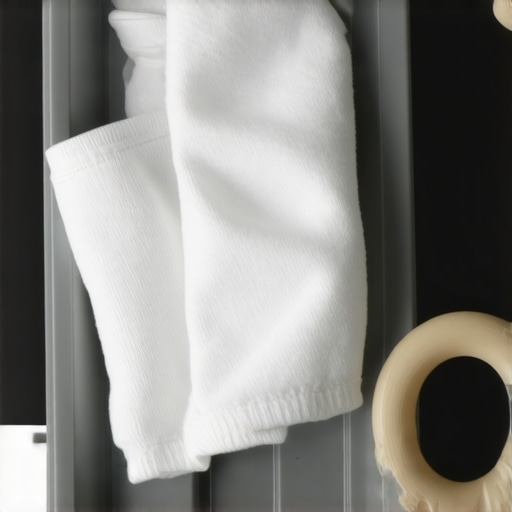
Why the Right Texture Saves Your Sanity
I remember one Tuesday afternoon when the washcloths were all in the laundry and the silicone rings weren’t cutting it. In a moment of sheer ‘mom-brain’ desperation, I handed my son a frozen mini-bagel. It was messy, it left crumbs everywhere, and it eventually turned into a gummy paste, but for twenty minutes, there was silence. The reason it worked? The density. Just like how veneers must be perfectly fitted to feel natural, a teething object needs the right resistance to be effective. If it is too soft, the child bites through it; if it is too hard, it bruises the gums. Look for food-grade silicone with raised bumps or ridges. These ridges act like tiny massagers that break up the tension in the gum line before the tooth breaks through. This is also a great time to transition away from sugary treats; instead, offer the best snacks for kids that are naturally firm, like chilled cucumber slices (under supervision, of course).
Stop the Cycle of Toothbrush Resistance
When those molars are moving, your child will likely start biting the toothbrush as a reflex. Instead of fighting it, use it as a tool. Apply a tiny amount of non-fluoride training gel to a silicone finger brush and let them chew on your finger. The manual pressure you apply—firm but steady—is the same principle used when a dentist ensures dental implants are seated correctly; it’s about stability. If they refuse the brush because the flavor is too strong, they might be experiencing sensory overload. Many parents find success when they discover why their child refuses mint toothpaste and switch to a flavorless or fruit-based alternative that doesn’t sting those raw tissues.
How to Spot Problems Early
While you are in the thick of the ‘teething wars,’ keep an eye on the alignment of the emerging teeth. It is common for parents to panic when they see gaps or unusual positioning. For instance, you might wonder why your child has two rows of teeth at the same time, but often this is just the permanent teeth taking their place. Similarly, if you notice your child is excessively grinding, it is helpful to understand why your child is still grinding their teeth at age six so you can distinguish between a temporary teething habit and a long-term orthodontic concern. Consistency in these drug-free routines doesn’t just stop the crying tonight; it sets the stage for a lifetime of fearless dental visits.It was 3:14 AM. I know the exact time because it is etched into my brain alongside the sound of a high-pitched wail that could shatter glass. My toddler, usually a champion sleeper, was currently trying to gnaw through the corner of his wooden crib rail like a tiny, determined beaver. His cheeks were bright red, his pajamas were soaked through from the drool, and the air in the nursery felt thick with frustration. I was staring at a bottle of infant ibuprofen on the dresser like it was a holy relic, but I hesitated. My eyes were burning from lack of sleep. I felt like a failure as I tried to rock a child who clearly did not want to be held. Early on in my parenting journey, I made the mistake of assuming every midnight cry was just “new teeth” and ended up ignoring what was actually a cavity or a stained groove that needed real attention. That wake-up call taught me to look closer and think twice before reaching for the medicine cabinet. I wanted a way to soothe him that did not involve a syringe of medicine every four hours or worrying about side effects. If you have ever been in that midnight survival mode, pacing the hallway and feeling like you have run out of options, you are not alone. Today, we are going to fix that. I am sharing the exact drug-free methods that worked for my family and how these simple family dentistry tips can keep your little one smiling without the constant pharmacy trips. Have you ever found yourself questioning your every move while your child screams in the middle of the night?
Try These Freezer Hacks Before Reaching for the Tylenol
When my youngest started biting the toothbrush out of pure, itchy-gum frustration, I realized that cold is the most underrated tool in a parent’s belt. We are not talking about fancy, expensive vibrating toys that require batteries. Sometimes, a simple, damp, frozen washcloth is the MVP of the nursery. The texture provides a unique counter-pressure that those inflamed little gums crave, and the intense cold naturally dulls the ache better than many over-the-counter options. It is about finding that balance between safety and relief. You might feel like you are failing when the crying does not stop immediately, but consistency is key. My mistake back then was thinking “more” was “better”—more gels, more drops, more panic. Now I know that simple is usually superior. According to the American Academy of Pediatrics, teething rarely causes high fevers or significant illness; it is mostly just localized discomfort that can be managed with patience and pressure. Understanding this helps lower the stress levels for both you and your child, allowing you to stay calm while they work through the pain.
Will my toddler ever sleep through the night again?
The skepticism is real. When you are exhausted and your coffee is three hours cold, “natural” can feel like a code word for “does not work.” However, managing this discomfort at home is about more than just the immediate relief; it is about building a healthy relationship with oral care for years to come. I have found that even helping a child who is afraid of the dental chair later in life starts with how we handle their oral discomfort now. By showing them we can manage pain together with gentle, non-invasive methods, we build a foundation of trust that lasts. We are going to dive into the specifics of silicone vs. cloth, the best temperature for gum relief, and why your refrigerator is actually your best ally in the fight against those stubborn molars. Get ready to reclaim your sleep and your sanity.
Turn Your Kitchen into a Pain-Relief Lab
To effectively manage teething without medication, you have to treat the inflammation at its source. The goal isn’t just to make the mouth cold; it is to provide a sustained temperature drop that constricts blood vessels in the gums. Start by soaking a clean, 100% cotton washcloth in filtered water or chamomile tea (which has natural anti-inflammatory properties). Wring it out until it is just damp, fold it into a small square, and pop it in the freezer for exactly fifteen minutes. You want it crunchy, not rock-hard. This specific texture mimics the density of a dental appliance, providing the kind of structural support you might expect from family dentistry tips aimed at adult oral comfort. If the cloth is too frozen, it can actually stick to the delicate tissue of the lip, so always test it on your own wrist first.
Why the Right Texture Saves Your Sanity
I remember one Tuesday afternoon when the washcloths were all in the laundry and the silicone rings weren’t cutting it. In a moment of sheer ‘mom-brain’ desperation, I handed my son a frozen mini-bagel. It was messy, it left crumbs everywhere, and it eventually turned into a gummy paste, but for twenty minutes, there was silence. The reason it worked? The density. Just like how veneers must be perfectly fitted to feel natural, a teething object needs the right resistance to be effective. If it is too soft, the child bites through it; if it is too hard, it bruises the gums. Look for food-grade silicone with raised bumps or ridges. These ridges act like tiny massagers that break up the tension in the gum line before the tooth breaks through. This is also a great time to transition away from sugary treats; instead, offer the best snacks for kids that are naturally firm, like chilled cucumber slices (under supervision, of course).
Stop the Cycle of Toothbrush Resistance
When those molars are moving, your child will likely start biting the toothbrush as a reflex. Instead of fighting it, use it as a tool. Apply a tiny amount of non-fluoride training gel to a silicone finger brush and let them chew on your finger. The manual pressure you apply—firm but steady—is the same principle used when a dentist ensures dental implants are seated correctly; it’s about stability. If they refuse the brush because the flavor is too strong, they might be experiencing sensory overload. Many parents find success when they discover why their child refuses mint toothpaste and switch to a flavorless or fruit-based alternative that doesn’t sting those raw tissues.
How to Spot Problems Early
While you are in the thick of the ‘teething wars,’ keep an eye on the alignment of the emerging teeth. It is common for parents to panic when they see gaps or unusual positioning. For instance, you might wonder why your child has two rows of teeth at the same time, but often this is just the permanent teeth taking their place. Similarly, if you notice your child is excessively grinding, it is helpful to understand why your child is still grinding their teeth at age six so you can distinguish between a temporary teething habit and a long-term orthodontic concern. Consistency in these drug-free routines doesn’t just stop the crying tonight; it sets the stage for a lifetime of fearless dental visits.
Stop Chasing the Hollywood White Myth
As those baby teeth eventually make way for permanent ones, many parents begin considering the long-term aesthetics of their child’s smile—and their own. In my conversations with fellow parents about cosmetic dentistry secrets, I often encounter a dangerous misconception: that “whiter is always better.” While we all want a radiant smile, the single biggest mistake people make with restorative work is choosing a solid, opaque white shade. Natural teeth have a degree of translucency that lets light pass through the enamel and bounce off the dentin. When patients rush into a veneers transformation and select the brightest shade available without considering depth, they end up with what experts call the “chiclet” look. The American Academy of Cosmetic Dentistry notes that true expert results depend on the three dimensions of color: hue, value, and chroma. If you ignore these, you will likely find yourself asking why your porcelain veneers look opaque and not natural the second you step into natural sunlight. 
Why do my new teeth look different in flash photography?
The nuance lies in light refraction. If your dental work is too dense or lacks custom staining, it will reflect camera flash in a way that looks flat and artificial. This often happens when the lab tries to hide a dark underlying tooth by making the veneer too thick, which also leads to complaints that veneers feel thick and bulky against the lips. Achieving a life-like result requires a delicate balance of material science and artistry.
The Biological Reality of Your New Smile
Expertise in family dentistry also means understanding that prosthetic solutions, while incredible, aren’t exact carbon copies of nature. Take dental implants, for example. While they are the gold standard for tooth replacement, they lack a periodontal ligament—the tiny fleshy “shock absorbers” that surround natural teeth. A study in the Journal of Oral Rehabilitation explains that because implants are fused directly to the bone, they don’t have the same sensory feedback as natural teeth. This is the reason your dental implant feels different than a natural tooth when you chew; it’s a structural difference, not a failure of the device. Finally, the most common “oops” factor I see is the assumption that cosmetic work is indestructible. I have seen beautiful, expensive work ruined in days because a patient thought they could skip their night guard. The risk of skipping your night guard for just one week is massive for anyone with veneers or implants who also struggles with bruxism. Without that barrier, the constant pressure can cause ceramic to pop off or the bone around an implant to recede. Have you ever fallen into this trap? Let me know in the comments.You have spent the time and money to achieve a beautiful smile, so let’s talk about the gear that actually keeps it all together. I transitioned to a pressure-sensing electric toothbrush three years ago, and it changed everything for my oral health. If you are like me, you probably tend to scrub too hard when you are in a rush. However, if you want to follow the best family dentistry tips for a lifetime of healthy smiles, you need to let the tool do the heavy lifting. According to a landmark systematic review by the Cochrane Library, powered toothbrushes provide a statistically significant reduction in plaque and gingivitis compared with manual brushing in both the short and long term. I personally swear by brushes with haptic feedback because they prevent me from accidentally wearing down my enamel or irritating my gums. If you ignore the pressure you apply, you will eventually find yourself asking why your gums are receding even though you brush twice a day. 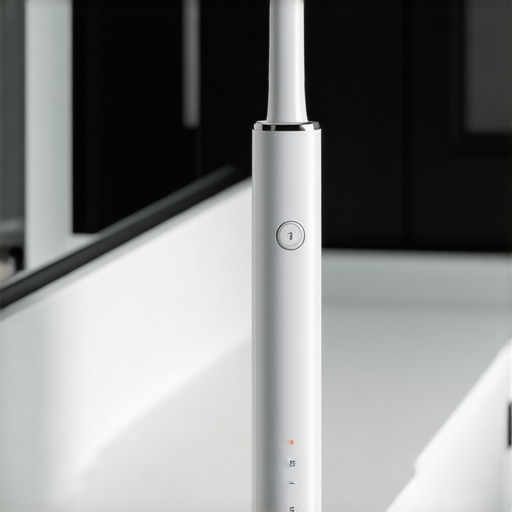
How do I maintain my cosmetic work over the long haul?
Maintenance is not just about the brush; it is about the spaces in between. I started using a water flosser specifically to manage the areas around my dental restorations. It is significantly easier than struggling with traditional string, especially if you are trying to master the secret to flossing comfortably with a permanent retainer. For my dental implants, I use a specialized subgingival tip that reaches depths a standard brush simply cannot touch. This prevents the inflammation that often leads to complications. If you are following dental implants 2025 innovations that redefine comfort and durability, you will see that modern hardware is designed to be maintained with these high-tech tools to ensure they last a lifetime.
Ditch the Cheap Abrasives for Better Longevity
I have also had to become a bit of a chemistry nerd regarding my toothpaste. Many common ‘whitening’ brands are essentially sandpaper in a tube. They contain high levels of silica that can scratch the protective glaze on your porcelain, which is often the reason your porcelain veneer feels rough to your tongue. I now strictly use low-RDA (Relative Dentin Abrasivity) pastes. This is one of the most underrated cosmetic dentistry secrets to boost your confidence—keeping that factory-level shine on your teeth by avoiding harsh charcoals or baking soda. Looking ahead, the trend is moving toward AI-integrated oral cameras that sync with your phone. I suspect we will soon see smart-mirrors that use UV light to highlight plaque in real-time, giving you a professional checkup every single morning. This aligns with the future of dental implants and cutting-edge techniques currently entering the market. My advanced tip for you today: buy a high-quality water flosser and add just a capful of alcohol-free fluoride rinse into the water reservoir. This helps the fluoride reach the ‘unreachable’ margins of your veneers while strengthening the natural tooth structure underneath.
Looking back at those sleep-deprived nights, I realize that the 3:14 AM struggle was more than just a test of my patience; it was a crash course in understanding the subtle signals our bodies send us from the very beginning. Whether you are soothing a toddler or considering a veneers transformation for yourself, the principles of patience, the right tools, and a focus on natural comfort remain the same.
What Nobody Tells You About the 3 AM Teething Battle
The biggest shift in my perspective came when I stopped viewing teething as a medical problem to be ‘cured’ with a syringe of medicine and started seeing it as a developmental milestone that required a physical response. Here are the hard-won lessons that changed everything for us:
- The ‘Wait and See’ Trap: Teething is predictable, but other issues are not. I learned that just because it is midnight doesn’t mean every pain is a tooth. Learning how to tell if your toddler has a cavity or a stained groove is vital to ensure you aren’t ignoring a real dental emergency under the guise of ‘just another molar.’
- Comfort is Cumulative: You cannot expect one frozen cloth to fix four hours of crying. Drug-free relief is about layering techniques—cold, pressure, and distraction—to lower the child’s overall stress levels.
- Dental Anxiety Starts Now: How we handle their mouth pain today dictates how they feel about the dentist tomorrow. By using gentle, tactile methods, we show them that oral care is about relief and health, not fear and needles.
- The Mirror Effect: Your child mirrors your panic. If you are frantic, their pain feels magnified. Staying calm with a consistent routine is often the best ‘medicine’ you can provide.
The Modern Gear That Actually Delivers Relief
I have spent years testing different products, and while marketing teams want you to buy everything on the shelf, I have found that a few high-quality essentials are all you truly need for your family. These are the tools that have earned a permanent spot in my bathroom cabinet:
1. Pressure-Sensing Powered Brushes: To avoid the damage I did to my own mouth, I recommend brushes that alert you when you press too hard. This is one of the most practical family dentistry tips for a lifetime of healthy smiles because it prevents recession before it even starts. 2. High-Capacity Water Flossers: Especially if you have a permanent retainer or implants, these are non-negotiable for reaching the margins where bacteria hide. 3. Low-RDA Toothpaste: This is one of my favorite cosmetic dentistry secrets to boost your confidence—it keeps your enamel (and your dental work) smooth and shiny without the abrasive scratching found in many whitening brands.
Your Path to a Lifetime of Healthy Smiles
We often think of dental health as a series of chores—brushing, flossing, and appointments—but it is truly an investment in your quality of life. From the moment you find a way to get your toddler to stop biting the toothbrush to the day you decide to explore the future of dental implants, you are taking control of your well-being. Don’t be discouraged by a few rough nights or a complex dental history. Every small, consistent step you take today builds a foundation for a confident, pain-free smile that lasts for decades. You have the tools, the knowledge, and the power to transform your family’s oral health journey starting right now. Have you ever discovered a ‘weird’ drug-free teething hack that actually worked for your little one? Let me know in the comments below!