I remember the exact moment I realized I’d made a huge mistake. I was biting into a slice of sourdough—the crusty kind that requires a bit of effort—and I heard a weird clicking sound in my jaw. It wasn’t painful, but it felt like my teeth were suddenly a puzzle that didn’t quite fit together anymore. You see, I’d lost a molar three years prior and figured, “Hey, it’s in the back, nobody sees it, and I can still eat.” I was trying to save money. In reality, I was just setting myself up for a much bigger bill. That missing tooth wasn’t just a gap; it was a ticking clock for my oral health. I felt like I could just outsmart biology. I couldn’t.
Your Jaw Bone Literally Starts Disappearing
When I finally dragged myself to the dentist after months of jaw fatigue, the news wasn’t great. I had already started losing bone density in my jaw. I didn’t even know that was a thing! I thought teeth were just like pegs in a board, but they are actually part of a living system. When the tooth is gone, the bone underneath thinks its job is over and starts to shrink away. This is why how dental implants reshape your oral health in 2025 is such a hot topic—they actually stop that bone loss. I made the mistake of thinking my other teeth would just stay put. Instead, they started leaning into the empty space like a line of falling dominoes. My bite was shifting, and my smile was becoming crooked. It’s a common part of family dentistry tips for a lifetime of healthy smiles to address these gaps early, but I thought I knew better. I didn’t realize that the real cost of skipping your six-month checkup would eventually include orthodontic work just to put things back where they belonged.
Is a dental implant actually worth the hype?
You might be sitting there thinking, “Okay, but implants are expensive, and I can chew fine.” I thought the same thing. I even asked my dentist if we could just leave it. The skepticism is real—especially when you’re looking at the price tag. But here is the thing: according to the American Academy of Implant Dentistry, you can lose up to 25% of your jawbone width in that area within just the first year of tooth loss. That’s a staggering amount of structural damage for something that feels like a “cosmetic” issue. If you wait too long, you might end up needing a bone graft, which is exactly what happened to me. It turns out, ignoring a gap is a lot like ignoring a small leak in your roof; eventually, the whole ceiling comes down. Have you been putting off a dental visit because a missing tooth doesn’t seem like an emergency yet? [IMAGE_PLACEHOLDER] Today, I want to walk you through exactly what I wish I’d known before I let that gap sit for years. We are going to tackle the real risks—from facial sagging to bite misalignment—and look at why acting sooner rather than later is the best gift you can give your future self. Even if you’ve already waited years, like I did, there are still ways to fix it. We’ll look at options similar to what happens if you leave a wisdom tooth in too long and how to pivot toward a healthier mouth today.I used to think a dental exam was just a quick look-around with a mirror and a poke at my gums. When I finally decided to fix my gap, I realized the process is more like structural engineering than simple grooming. The first thing you need to do is get a real map of your mouth. I remember sitting in the chair, nervous as heck, while this massive machine whirled around my head. It turns out, what your Culpeper dentist sees on a CBCT scan that a standard x-ray misses is the difference between a successful implant and a failed one. That 3D image showed exactly where my bone had thinned out—it looked like a cliffside that had eroded into the sea. Without that level of detail, my dentist would have been flying blind.
Start With a Solid Foundation or Don’t Start at All
You can’t build a heavy skyscraper on shifting sand, and you can’t put a titanium post into weak bone. If you’ve waited more than a few months to replace a tooth, your first actionable step is often a bone graft. This sounds scary—it did to me—but it’s essentially just reinforcing the site. I had to wait a few months for the graft to fuse, which felt like forever, but skipping this step is the fastest way to failure. You need to know how to tell if your dental implant is rejecting or just healing later on, and a strong foundation is your best insurance policy. During my own recovery, I was hyper-focused on every little sensation, but having that solid bone base gave me peace of mind that the hardware wasn’t going anywhere. 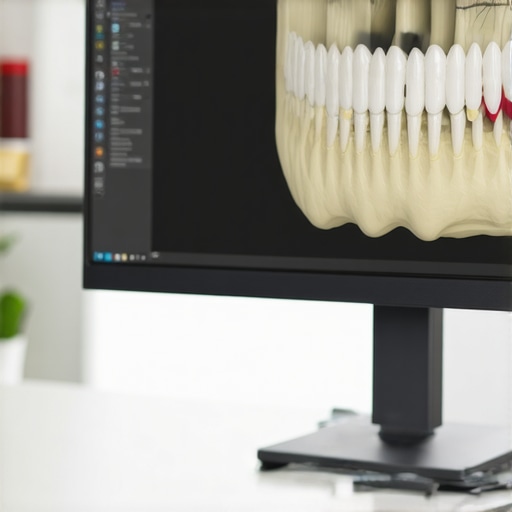
Think of the Implant Like a High-Tech Root
Once the bone is ready, the titanium post goes in. This is the part people dread most, but I actually found it less painful than a deep cavity filling. The implant acts as a prosthetic root. Unlike a bridge, which just sits on top of your gums, the implant actually stimulates the bone, telling your body to keep the area strong. This biological signal is why the truth about the lifespan of a dental implant is so impressive—they can literally last a lifetime if you treat them right. The process of the bone growing around the metal is called osseointegration, and it is the closest thing to a ‘do-over’ that biology allows.
Decide Between Implants and Other Cosmetic Fixes
Not every gap requires an implant, though they are the gold standard for health. Sometimes, if the surrounding teeth are also damaged or discolored, you might be looking at veneers vs crowns: choosing the best option for your smile. I spent a long time debating this with my dentist. If your goal is purely aesthetic and the root is healthy, cosmetic dentistry secrets to boost your confidence often involve less invasive options like bonding. But if the tooth is gone, the implant is the only thing that stops the domino effect of your other teeth shifting. I watched my own incisors start to tilt in real-time over those three years, and trust me, fixing a tilt is way harder than filling a gap.One of the biggest misconceptions I encountered—and one my dentist had to set me straight on—is the idea that once an implant is in, your job is done. Everyone tells you implants are “forever,” but the truth is a bit more nuanced. In my experience, and backed by clinical data, an implant is only as permanent as the hygiene you provide it.
The Myth of the Indestructible Tooth
We often treat titanium like it’s invulnerable, but a study published in the International Journal of Implant Dentistry highlights that while the hardware success rate is over 95%, biological complications like peri-implantitis are the real “oops” factor that most patients ignore until it is too late. If you think you can stop flossing because “metal does not rot,” you are setting yourself up for heartbreak. The surrounding gums can still get infected, leading to bone loss that eventually causes the hardware to fail. It is why the truth about the lifespan of a dental implant is so closely tied to your daily routine, not just the surgery itself.
Why would I choose an implant over saving my natural tooth?
This is the advanced question I had to grapple with. Sometimes, we fight too hard to save a tooth with multiple root canals and crowns, only to have it fail anyway. I’ve seen people spend thousands on “heroic dentistry” when dental implants 2025 innovations that redefine comfort and durability would have provided a more predictable, long-term solution from the start. 
The Opaque Veneer Trap
Another nuance people miss is in the world of cosmetic upgrades. You’ve probably seen people whose teeth look like bright white, flat piano keys. That happens when the technician does not account for translucency. If you are worried about this, you need to know why your porcelain veneers look opaque and not natural. Real teeth have depth; they catch the light and let some of it pass through. When you are looking at cosmetic dentistry secrets to boost your confidence, the goal should be “invisible” work, not “expensive-looking” work. I nearly made the mistake of choosing the whitest shade possible, but my dentist warned me that natural harmony beats “Hollywood white” every time. Have you ever fallen into the trap of thinking dental work is “one and done”? Let me know in the comments.
I used to think that paying for a dental implant meant I was buying my way out of the flossing struggle forever. I was wrong. If you want those dental implants 2025 innovations to actually last, you have to treat them with more respect than your natural teeth. My bathroom counter now looks like a mini-dental lab, and it is for a good reason. For me, the game-changer was switching to a Waterpik Aquarius. It is not just a gadget; the pulsating water reaches into the pockets around the implant hardware where traditional string floss simply shreds. I actually learned how to clean under a dental bridge without shredding your floss by using a specialized tip that directs the stream precisely at the gumline.
The Gadgets That Actually Protect Your Investment
If you are still using a manual brush, you are making a mistake I lived with for too long. I switched to a sonic toothbrush with a built-in pressure sensor because, ironically, my enthusiastic brushing was causing recession. You have to know how to pick a toothbrush that wont destroy your enamel or irritate the delicate tissue around an implant. The sensor buzzes if I press too hard, protecting the titanium-to-bone bond. Research published in the Journal of Oral Implantology emphasizes that mechanical plaque control is the single most important factor in preventing peri-implantitis. I also use a specific interproximal brush—it looks like a tiny pipe cleaner—to get between the veneers vs crowns I have in the back. 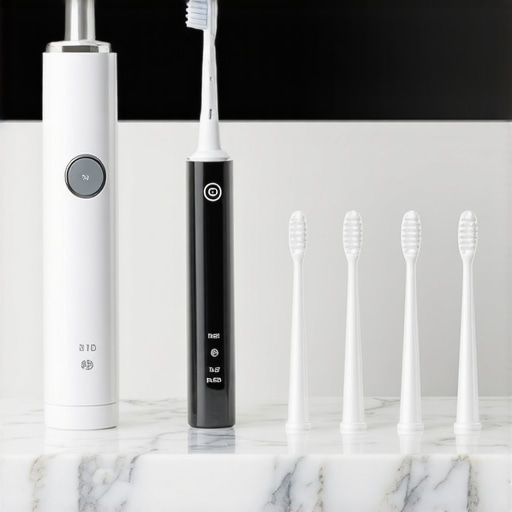
How do I keep my new smile from failing five years from now?
The secret is not just the tools; it is the timing. I now schedule a professional implant-specific cleaning every six months. My hygienist uses plastic or titanium-coated instruments so they do not scratch the abutment. If you ignore this, you might start noticing that why your dental implant crown feels loose after years of use often comes down to sub-gingival buildup you cannot reach at home. Looking ahead, I predict we will soon see smart-sensors integrated into the crowns themselves that can detect pH changes in our saliva, alerting us to infection before we even feel a twinge. For now, the best thing you can do is start a double-cleanse routine: water floss first to loosen debris, then sonic brush with a high-quality fluoride or hydroxyapatite paste. Don’t just take my word for it—try using a disclosing tablet tonight to see exactly where you are missing. You will be shocked at what your perfect smile is still hiding.
What I Actually Wish Someone Had Whispered in My Ear Before Surgery
Looking back, I realize that the mental hurdle was much higher than the physical one. First, I wish I’d known that the ‘phantom gap’ feeling where my tongue used to wander would disappear the moment the final crown was placed; it was like my brain finally breathed a sigh of relief. Second, if you are looking at aesthetic upgrades, remember that expert tips for perfect results often emphasize that your foundation—your gums and bone—must come first. Finally, don’t be afraid to ask about the future of dental implants and how new 3D printing techniques are making the surgery faster and more precise than ever before. It is not the scary dental office of the past anymore.
My Private Toolkit for a Million-Dollar Smile
I don’t just use a toothbrush; I use a system. I personally trust my water flosser for the heavy lifting around my hardware, but I also keep a stash of interproximal brushes for when I am on the go. If you are debating between different restorative paths, weighing veneers vs crowns: which is right for your smile is a conversation you should have early with your provider. I also suggest reading up on clinical studies from the American Academy of Implant Dentistry—having the data helped calm my nerves more than any ‘don’t worry’ from a friend ever could. [IMAGE_PLACEHOLDER_FINAL] These resources are not just fluff; they are the difference between a five-year fix and a fifty-year solution.
Take the Leap Before Your Jaw Decides for You
The most important thing I can tell you is that your body does not hit the ‘pause’ button. Every month you wait, your bone density shifts just a little bit more. Deciding to invest in dental implants was not just about replacing a tooth; it was about stopping the clock on the structural integrity of my face. If you are still on the fence, reach out to a professional through a contact us page and just have the initial consultation. You do not have to commit to surgery today, but you do owe it to yourself to get the facts. Have you been putting off a dental procedure because of fear, or is it the cost that is holding you back? Let me know in the comments below!