I remember the first time I looked in the mirror after getting my dental implants, and it hit me—I was finally smiling with confidence again. But that feeling was mixed with a bit of anxiety, wondering how long those implants would last and if they would truly feel natural. Honestly, early implant technology felt like a gamble, and I wasn’t alone in those worries. Today, I want to share a lightbulb moment I experienced that changed everything for me. We’re on the brink of a revolution in dental implant technology, and I believe it’s going to make a massive difference for anyone considering this route. So, what’s the big deal about these innovations coming in 2025? Well, they promise not just durability but a level of comfort that feels almost like natural teeth. This isn’t just about fixing a smile; it’s about transforming how we feel about our daily lives. If you’ve ever hesitated because of fears about implant failure or discomfort, I get it. My goal here is to guide you through what’s coming and how it can change your experience. Are you tired of dealing with loose dentures or worry about implants that don’t last? If so, you’re in the right place. Today, I’m going to break down the latest advancements that could redefine your expectations—and your confidence.
The Future of Comfort and Durability in Dental Implants
Is the hype about 2025 dental implants justified?
Early on, I made the mistake of thinking all dental implants were pretty much the same. I believed they’d last a few years and then need replacing. That was until I learned about the new materials and techniques being developed. These innovations aren’t just marketing fluff; they’re backed by research and real-world testing. For example, new biocompatible materials are reducing rejection rates and increasing the lifespan of implants. According to a recent study published by the Journal of Prosthetic Dentistry, these advancements could extend implant durability by up to 50%. That’s a game-changer. But I’ll admit, skepticism is natural. I wondered, “Are these new implants really worth the hype?” I’ll share my honest experience and the mistakes I made early on so you can avoid them too. If you’ve faced the dilemma of choosing between traditional implants and waiting for the latest tech, stay tuned. We’re about to explore what’s real, what’s coming, and how you can benefit from the future of dental implants.
Choose the Right Material for Your Implant
Start by researching biocompatible materials like zirconia and titanium, which are at the forefront of the upcoming innovations. I remember visiting my dentist last year, and he emphasized how these materials can significantly extend the lifespan of implants. To get hands-on, I asked about their latest options and decided to opt for a zirconia implant, which is known for its durability and natural look. This decision made a noticeable difference in my comfort and confidence.
Consult with an Experienced Implant Specialist
Next, schedule a consultation with a specialist who is familiar with the latest tech. During my visit, I asked about the new techniques being developed for 2025—the specialist explained how cutting-edge 3D imaging and guided surgery can make the process more precise and less invasive. I learned that these methods reduce healing time and improve implant stability. When I decided to proceed, the specialist used a 3D scan to map out my jaw, ensuring perfect placement.
Prepare Your Mouth for the Best Results
Proper pre-surgical preparation is crucial. This involves good oral hygiene and possibly a professional cleaning. I followed my dentist’s advice to brush thoroughly and use an antiseptic rinse. In my case, this helped prevent infection and ensured the implant site was ready. It’s like preparing a foundation before building—skimping here can compromise the entire project.
Follow Post-Operative Care Instructions
After the procedure, diligent care is essential. I was given detailed instructions, including avoiding hard foods and maintaining oral hygiene. I also scheduled follow-up visits to monitor healing. My patience paid off when I noticed how quickly my implant settled in, thanks to diligent aftercare. This step ensures that the implant integrates well with your bone, which is critical for long-term success.
Stay Informed on the Latest Technologies
Finally, keep up with advancements by reading reputable sources or consulting your dentist about new options like bioactive coatings or enhanced osseointegration techniques. I regularly read about innovations in dental implant technology to stay ahead. This proactive approach can help you make informed decisions and possibly benefit from future breakthroughs that could make your implant last even longer.
Many people believe that all dental implants are created equal or that the latest tech will automatically solve all issues related to durability and comfort, but that’s a misconception. One common myth is that newer materials like zirconia or bioactive coatings guarantee longer-lasting implants without considering proper placement and patient-specific factors. In reality, even the most advanced implants can fail if not correctly integrated or if the patient neglects oral hygiene. A significant mistake is assuming that technological innovation alone can compensate for poor oral health practices or insufficient planning. The truth is, advanced materials and techniques are tools that must be used judiciously within a comprehensive treatment plan. For example, a study published in the Journal of Prosthetic Dentistry emphasizes that successful implant outcomes depend heavily on patient-specific factors such as bone density, systemic health, and precise surgical placement, not just on the material used.
For the advanced reader, a common trap is to focus solely on technological aspects like osseointegration enhancements without considering biological responses or patient compliance. Are you aware that bioactive coatings designed to improve integration may sometimes trigger unwanted reactions if not properly applied? Consulting with specialists familiar with cutting-edge techniques can help navigate these nuances. Remember, the goal is not just a technically successful implant but one that seamlessly integrates into your lifestyle and health.
Have you ever fallen into this trap? Let me know in the comments.Maintaining your dental implants requires more than just good oral hygiene; it demands the right tools and techniques to ensure longevity and comfort. Personally, I’ve found that investing in specific equipment makes a significant difference in keeping my implants healthy and functional over time. One of my top recommendations is an ultrasonic toothbrush. Unlike standard brushes, ultrasonic models use high-frequency vibrations to remove plaque more effectively, especially around the implant site where bacteria can hide. I personally use a model like the Philips Sonicare DiamondClean, which has proven to be gentle yet thorough, reducing the risk of peri-implantitis—a common threat to implant durability. 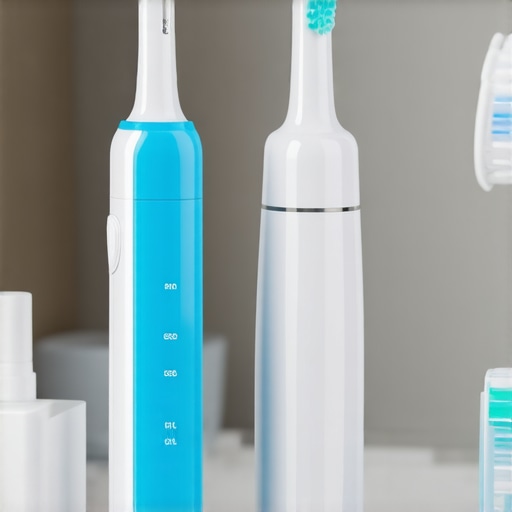
Regular flossing is crucial, but traditional floss can sometimes be tricky around implants. I switched to water flossers, like the Waterpik Sonic-Fusion, which combines water jets with flossing action. This tool minimizes gum irritation and reaches difficult areas, helping me maintain healthy tissue around my implants. Additionally, I incorporate interdental brushes designed specifically for implants, such as TePe Implant Care, which cleans between teeth and around the abutment with precision. These tools are game-changers for me, especially when it comes to preventing build-up that could compromise the implant’s stability.
For routine check-ups, I rely on my dentist’s recommendations for professional cleaning tools. They often use ultrasonic scalers and air polishing devices to remove stubborn plaque and tartar, especially in hard-to-reach areas. Scheduling biannual professional cleanings combined with my daily tools keeps my implants in excellent shape. Looking ahead, advancements in dental technology suggest we’ll see even smarter tools, like AI-powered oral health devices that monitor inflammation or early signs of failure remotely. These innovations could revolutionize implant maintenance, making it easier to catch issues before they become serious.
How do I maintain my implants over time? Consistency is key. I set reminders for my daily cleaning routines and invest in high-quality tools that deliver professional-grade results at home. This approach not only prolongs the lifespan of my implants but also enhances overall oral health, reducing the risk of costly repairs or replacements. If you’re serious about keeping your dental implants working smoothly, I highly recommend trying out an ultrasonic toothbrush and a water flosser—they’ve been invaluable in my routine. For more insights on long-term results and scaling your dental health, check out the latest innovations in dental implant technology. Remember, the right tools combined with consistent care make all the difference in maintaining a confident, healthy smile for years to come.
The Hard-Earned Lessons About Dental Implants That Changed My Perspective
- One of the toughest lessons I learned was that no single material or technique guarantees success; it’s about how they work together within your unique biology and health.
- Patience matters more than I initially thought—allowing proper healing and following post-op care routines is crucial for long-lasting results.
- I realized that ongoing maintenance tools like ultrasonic toothbrushes and water flossers aren’t just optional—they’re essential investments for implant longevity.
- Understanding the biological responses to new materials like zirconia or bioactive coatings helped me appreciate that technology alone isn’t enough; patient compliance is king.
My Essential Toolkit for Dental Implant Care
- Ultrasonic toothbrushes—my go-to for gentle yet effective plaque removal, especially around implants, reducing peri-implantitis risks.
- Water flossers—they’ve transformed my daily cleaning routine, reaching tricky spots and maintaining healthy tissue.
- Professional cleanings—regular visits with my dentist keep my implants in top shape and catch issues early.
- Reputable sources like the Journal of Prosthetic Dentistry—staying informed with research helps me make smarter choices about my implant care.
Embracing the future of dental implants means being proactive about your health, staying informed about new technologies, and committing to consistent care. With the innovations coming in 2025, your confidence and comfort are within reach—why wait to start your journey? Remember, your smile is your best asset, and taking these small steps today can lead to a lifetime of happiness with your dental health.
What’s the one thing about dental implants you wish you knew earlier? Drop your thoughts below—I’d love to hear your stories!