I stood there, slumped against the cold tile of the bathroom wall, watching my two-year-old turn yet another expensive toothbrush into a frayed, soggy mess. I’d tried everything. The “choo-choo train” noises, the dancing, and even the desperate bribery of an extra bedtime story. My son just clamped his jaw shut like a tiny, determined snapping turtle. I felt defeated. I was a grown adult being outsmarted by someone who still wears dinosaur pajamas. Early on, I made the mistake of trying to pry his jaw open—please, don’t do that. It just creates a negative association that makes getting your kids to brush without a struggle feel like a pipe dream. We’ve all been there, feeling the heat rise in our chests as we wonder if our child will ever have clean teeth.
Stop the Mangled Bristle Madness
The truth is, toddlers aren’t being “bad” when they bite down; they are often seeking sensory input or dealing with the discomfort of new molars. But as a parent, it’s exhausting. You worry about their oral health, and you’re tired of buying a new brush every four days. Today, I’m going to share the exact strategies I used to turn our morning battleground into a (mostly) peaceful routine. We are going to protect those tiny pearly whites so you don’t end up needing family dentistry tips for more serious interventions or early fillings later on.
Is it actually possible to brush a biter’s teeth without a meltdown?
I used to think the answer was a hard “no.” I figured I’d just have to wait until he was five and could be reasoned with. But the American Academy of Pediatric Dentistry notes that tooth decay is the most common chronic childhood disease, and it can start as soon as that first tooth pops up. According to a study cited by the National Institutes of Health, untreated dental issues in toddlers can lead to problems with eating, speaking, and learning. Waiting it out simply isn’t an option. One thing I learned the hard way was that I was using the wrong tools. You need to pick a toothbrush that won’t destroy your enamel or their sensitive gums, but for a biter, it also needs to be durable. Have you ever felt like you’re losing the toothbrush war at 7:00 AM? You aren’t alone. Whether you’re worried about stopping your toddler from biting during dental exams or just getting through the nightly routine without a cry, there is a better way to handle the clamping. Let’s look at how to reclaim the bathroom.I remember one Tuesday night, sweat beading on my forehead, as I tried to explain the importance of enamel to a person who thinks dirt is a snack. I tried to tickle him to get a laugh—and an open mouth—but he clamped down so fast I barely got my finger out in time. That was the night I realized I needed a tactical shift, not a lecture.
Get Past the Clamp with These Pro Moves
To win this battle, you have to think like a locksmith. You aren’t forcing the door; you’re finding the right key.
Deploy the Two-Brush Diversion
This is the gold standard for biters. Give your child a toothbrush to hold—and bite—themselves. While they are busy gnawing on their brush, you use a second, identical brush to actually clean the surfaces they aren’t clamping. It is a distraction technique that works because it gives them a sense of control. If you are worried about the wear and tear on these tools, you need to pick a toothbrush that won’t destroy your enamel or theirs, but is sturdy enough to handle a toddler’s grip.
Master the Knee-to-Knee Position
If you are struggling while they stand at the sink, you have already lost the height advantage. Try the knee-to-knee approach. Sit on the floor or a couch facing another adult, or simply lay your child’s head in your lap. This dental office position gives you a clear view of the upper and lower arches. It is much easier to spot if you need to know how to tell if your toddler has a cavity or a stained groove when you aren’t chasing a moving target.
The Pinky Prop Saves Your Fingers
Never put your fingers between the biting surfaces. Instead, use your pinky finger to gently retract the cheek. By resting your finger on the bone of the lower jaw rather than the teeth, you can guide the brush without becoming a chew toy. Think of it like a spacer used in cosmetic dentistry; it creates the necessary gap for the work to happen safely.
Watch for Real Signs of Trouble
Sometimes the biting isn’t just defiance; it is a reaction to pain. If you notice a specific spot they will not let you touch, or if their gums look unusually red, it is time to consult the pros. We often think of major work like veneers vs crowns as adult problems, but early childhood decay moves fast. Following solid family dentistry tips means catching these issues before they require a traumatic trip to the dentist. If they are already fearful, you might need to learn how to stop your toddler from biting during dental exams so the professional can actually do their job effectively.It’s easy to get caught up in the immediate drama of the “toddler bite,” but as we transition from the survival phase of parenting into long-term maintenance, the stakes change. Most people assume that once those permanent teeth are in, we just need to keep them white and straight. However, in my years of researching dental health, I’ve found that the biggest myth is that “white equals healthy.” In fact, over-whitening can lead to porous enamel, making teeth more susceptible to staining and decay. This is why family dentistry tips often focus on pH balance rather than just scrubbing away.
The “White” Trap That Actually Weakens Your Teeth
We often look at cosmetic dentistry secrets to boost your confidence as a purely aesthetic journey, but the most sophisticated practitioners focus on structural integrity. If you are considering upgrades later in life, you need to understand that not all solutions are equal. A common “oops” factor is rushing into a full set of veneers without realizing why your veneers look like white chiclets—it’s usually a lack of surface texture and translucency. Natural teeth aren’t perfectly flat or opaque; they have subtle ridges that catch the light differently in the sun than they do under office fluorescent bulbs.
How can I tell if my dental implant is actually failing or just healing?
This is a question I get from friends who finally bit the bullet on restorative work. While how dental implants reshape your oral health in 2025 is a fascinating topic, the nuance lies in the first six months. A common mistake is ignoring a “heavy” or “dull” feeling in the jaw. According to a study published in the Journal of Oral Implantology, early detection of “peri-implantitis”—a form of gum disease specifically targeting the area around the implant—is the only way to save the hardware from rejection. If you feel a vibration or if the area throbs at night, don’t wait for your next checkup. 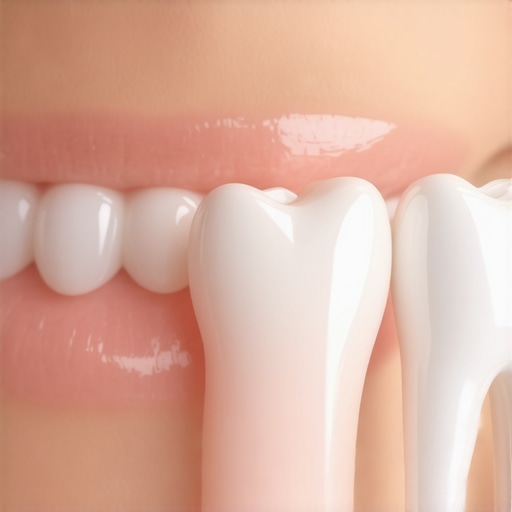
Don’t Treat Your Dental Work Like a Tool
The most expensive mistake you can make with high-end dental work—be it veneers or crowns—is forgetting they aren’t your original biological material. They are expertly bonded, yes, but they lack the periodontal ligament’s ability to “feel” pressure the same way natural teeth do. If you use your teeth to open plastic bags or chew ice, you are asking for a catastrophic failure. I’ve seen beautiful porcelain veneers pop off simply because someone tried to tear a clothing tag off with their front teeth. Even the most durable future dental implants are susceptible to mechanical stress. Have you ever fallen into this trap of using your teeth as tools? It’s a habit we often pick up in childhood and never shake, but it’s the quickest way to turn a five-figure smile into a dental emergency. Let me know in the comments if you’ve ever had a “cringe” moment realizing you just used a thousand-dollar crown to crack a walnut!
That cringe you feel when you hear your tooth click against a metal spoon or a walnut shell is your body’s way of reminding you that your dental work is an investment, not an indestructible shield. Once you have moved past the initial recovery, the real work begins: maintenance. I used to think a standard toothbrush was enough, but after diving deep into the world of restorative care, I realized I was bringing a knife to a gunfight. If you want your smile to look as good in ten years as it does today, you have to upgrade your toolkit.
Stop the Squeeze and Start the Glide
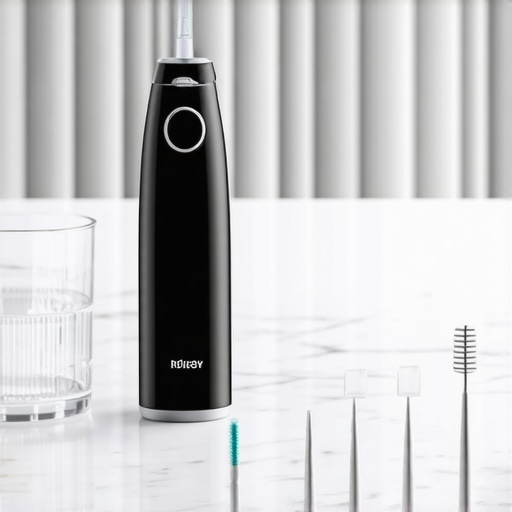
For most of us, flossing is a chore we lie about to our hygienists. But when you have advanced dental work, traditional string floss can actually be your worst enemy. I personally switched to the Waterpik Aquarius because of its targeted pressure settings. Standard floss can shred or get caught in the margins of a bridge, making it impossible to clean the underside of a dental bridge without shredding your floss. The water flosser flushes out the biofilm that builds up in those tiny, microscopic gaps where the restoration meets the gum line. If you are stubborn about using manual tools, at least grab a pack of GUM Proxabrush interdental cleaners. They look like tiny Christmas trees and are the only things that effectively scrub the concave surfaces of dental implants that a normal brush simply cannot reach.
Ditch the DIY Fixes for Your Expensive Porcelain
I have seen people try to use whitening strips on their porcelain, and let me tell you: it is a waste of money and a risk to your bonding. Porcelain is non-porous. It doesn’t whiten, but the bonding agent underneath can be sensitive to harsh chemicals. If you notice a tiny scratch, you might be tempted to look up how to polish a scratched veneer at home, but I’m telling you now—don’t do it. High-RPM polishing requires specific diamond pastes and felt wheels that aren’t in your junk drawer. Instead, focus on protection. If you are a grinder, even just occasionally, the risk of skipping your night guard for just one week is massive. One night of heavy bruxism can put enough lateral force on a veneer to create a micro-fracture that eventually leads to a full break.
How can I make my cosmetic dental work last a lifetime?
The secret isn’t just about what you do at the sink; it’s about the biomechanics of your mouth. According to the American Academy of Implant Dentistry (AAID), the longevity of an implant depends heavily on the health of the surrounding bone and the absence of “occlusal overload”—basically, making sure you aren’t biting too hard on one side. This is why I swear by the 3 secrets to making your porcelain veneers last twenty years, which include regular bite-alignment checks. Even a millimeter of shift in your natural teeth over time can put new, dangerous pressure on your restorations. I predict that in the very near future, we will see “smart” dental guards equipped with pressure-sensitive sensors that send an alert to your phone if you are grinding hard enough to damage your future dental implants.
If you have an implant that feels even the slightest bit different, do not wait. You need to know how to save a dental implant that feels slightly mobile before the infection reaches the bone. My best advice? Buy a high-quality electric toothbrush with a pressure sensor today. It is the single most effective tool for preventing the aggressive scrubbing that causes gum recession around your new investment. Your goal is to be a caretaker, not a construction worker.
The Biggest Surprises I Encountered While Managing Tiny Biters and Big Investments
Reflecting on those early battles with my son, I realized that persistence isn’t about force; it’s about patience and pivots. One lightbulb moment was discovering that my stress levels were actually making his jaw clench tighter—kids sense that tension. Also, I learned that the real cost of skipping your six-month checkup isn’t just financial; it’s the lost opportunity to catch habits like bruxism before they shatter a crown. Most importantly, I finally accepted that “perfect” teeth aren’t the goal—healthy, functional teeth that allow you to eat and laugh without pain are the real win.
The Gear That Actually Lasts in a Biter’s World
If you’re tired of wasting money on flimsy products, here is my tried-and-true toolkit. First, the Waterpik Aquarius is non-negotiable for anyone with restorations; it reaches where no string can. Second, for the toddlers, I highly recommend checking out the American Academy of Pediatric Dentistry resources for age-specific brush sizes. Third, never underestimate a simple night guard. Even if you think you don’t grind, the risk of skipping your night guard for just one week can be devastating to expensive veneers. #IMAGE_PLACE_HOLDER_E# Finally, always remember why you shouldn’t use your teeth as tools to open plastic bags—keep a pair of scissors in every room to save yourself a five-figure repair bill.
Take the Lead on Your Family’s Dental Future
Whether you are currently prying a toddler’s mouth open or carefully cleaning around a new implant, you are doing the hard work of preservation. Dental health is a marathon, not a sprint. By implementing these family dentistry tips today, you are setting a standard of care that your children will carry into adulthood. Don’t let a few rough mornings or a complicated recovery discourage you. You have the tools to handle the clamp and protect your investment. Have you found a clever way to get your toddler to cooperate, or perhaps a tool that saved your dental work? Let me know in the comments below!