I remember staring at the bathroom mirror, clutching the edge of the sink, and wondering if I’d just paid thousands of dollars to look like a cartoon character. My lips felt like they were being pushed out, and my “S” sounds were coming out like a whistle. I had finally gone through with my smile transformation, but instead of feeling confident, I felt heavy. Literally. It felt like someone had glued thick ceramic tiles to my teeth—which, let’s be honest, is kind of what happened. But no one really warns you about that strange, suffocating sensation in those first 48 hours. It is that “mouth full of marbles” feeling that makes you want to hide under the covers until the swelling goes down. [placeholder]
My First Night With a Mouthful of Porcelain
The truth is, your mouth is one of the most sensitive parts of your body. It can detect a single hair or a tiny grain of sand, so adding even a fraction of a millimeter of porcelain feels like a massive architectural renovation. I made the mistake of panic-calling my dentist the next morning, convinced they were too thick and that my face was ruined forever. Looking back, I realize I just hadn’t given my brain time to catch up with my new face. We’re going to talk about why that “shelf” feeling happens, how long it actually lasts, and why certain mistakes during the prep phase might contribute to it. I want to help you figure out if you’re just adjusting or if something actually needs to be shaved down by a pro. When I first got mine, I couldn’t stop running my tongue over the back of the teeth, obsessed with the new ledge I felt there. It felt like I’d forgotten how to close my mouth naturally.
Does This Bulky Feeling Ever Go Away?
You might be sitting there right now, running your tongue over the edges and feeling like your smile is taking up way too much room. Is it worth the hype? Absolutely. But the initial “Chiclet” sensation is a real psychological hurdle. Research from the Journal of Oral Rehabilitation suggests that the mouth’s proprioception—your sense of where your teeth are—can take up to two weeks to fully recalibrate to new dental work. If you’re struggling because your veneers feel thick when you talk, you aren’t alone. It’s not just in your head, even if the actual measurement is tiny. Your brain is literally sounding an alarm that there is a foreign object in your mouth. Have you ever looked in the mirror on day one and thought, “What have I done?” Let me know if you’re in that phase right now. We need to look at whether the bulk is just a mental game or if your porcelain veneers are actually too opaque or thick. Sometimes, the issue isn’t just your brain; it’s the design. I’ve even seen cases where the upper lip keeps getting caught on the new ceramic, which makes every smile feel forced and awkward. This is why I always tell my friends to wait at least seven to ten days before making a final judgment call. Your muscles need to learn how to drape over the new structure of your teeth before you decide to change anything permanently.
Stop Obsessing and Start Testing Your Bite
If you feel like your teeth are ‘wearing you,’ the first thing you need to do is a functional audit. Think of your new veneers like a brand-new pair of leather boots; they are stiff, they take up space, and they feel weirdly prominent until the break-in period is over. However, if they are actually preventing you from speaking or eating, you need to identify the specific physical roadblock.
The ‘S’ and ‘V’ Sound Audit
Stand in front of a mirror and say ‘Sixty-six’ and ‘Victory.’ If your lower lip is catching on the edges of your upper teeth, or if your upper lip keeps getting caught on the ceramic, the length might be the culprit rather than the thickness. I remember spending a whole afternoon repeating ‘Mississippi’ until my jaw ached. I was convinced the porcelain was too thick, but it turned out the incisal edge was just a fraction of a millimeter too low. Once my dentist did a minor adjustment, my speech cleared up instantly. 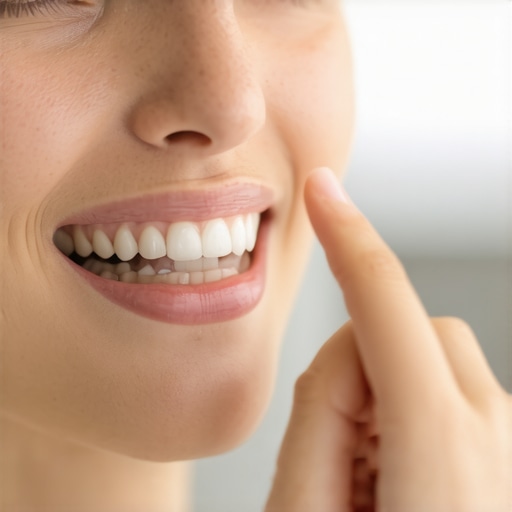
Train Your Brain to Ignore the Ceramic
Your tongue is the most annoying detective in your body. It will find every new ledge and ‘shelf’ and poke at it until it’s sore. You have to actively break this habit. To speed up the process of transforming your smile with veneers, try reading aloud for ten minutes every morning. This forces your tongue to navigate the new landscape without focusing on the ‘foreign object’ sensation. It’s about recalibrating your oral proprioception—the same way you’d adjust to how dental implants feel if you were replacing missing teeth.
Why Texture and Light Play Matter More Than Thickness
Sometimes the ‘bulk’ isn’t physical; it’s visual. If your teeth lack natural surface texture, they reflect light in a flat, heavy way that makes them look like blocks. This is common when veneers look too opaque. Natural teeth have tiny ridges and translucency at the edges that break up the mass.
Check the Translucency of the Edges
Take a small flashlight and shine it behind your teeth while looking in the mirror. If the light doesn’t pass through the tips at all, they might be over-bulked with porcelain to hide dark natural teeth underneath. This is a common hurdle when deciding between veneers vs crowns. If they look like solid white ‘Chiclets,’ the lack of depth tricks your brain into thinking they are bigger than they actually are. I’ve seen cases where adding some surface anatomy (tiny grooves) made the teeth look and feel smaller instantly.
The 48-Hour Saltwater Strategy
If the bulkiness is accompanied by tight pressure, your gums might just be inflamed from the bonding process. Rinse with warm salt water three times a day. This reduces the soft tissue swelling that often pushes against the ceramic, making veneers feel tight against your natural teeth. Once the gums settle down, the ‘shelf’ feeling at the gumline usually vanishes. Just remember that keeping your porcelain veneers for twenty years starts with this initial healing phase—don’t rush to shave them down until the swelling is 100% gone.
One of the biggest misconceptions in cosmetic dentistry is the idea that ‘thinner is always better.’ We have been conditioned to believe that ‘no-prep’ veneers are the ultimate goal because they preserve natural tooth structure. However, this is often the exact reason patients end up feeling like they have bricks in their mouth. When you add even a thin layer of porcelain without removing a microscopic sliver of enamel first, you are increasing the total volume of the tooth. This creates an unnatural ’emergence profile’ where the tooth looks like it is jumping out of the gum line rather than growing from it. It is a common trap that leads people to wonder about veneers vs crowns when the real issue was simply a lack of architectural planning.
Why ‘Thinner’ Might Be the Reason Your Smile Looks Fake
If your dentist didn’t create a ‘finish line’ or a tiny seat for the porcelain to rest in, you will likely feel a ‘shelf’ at the top of the tooth. This ledge is more than just a nuisance for your tongue; it’s a debris trap. According to a study published in the Journal of Esthetic and Restorative Dentistry, over-contoured dental restorations are one of the leading causes of localized gingivitis. If the porcelain doesn’t sit flush with the natural tooth, your body treats that ‘shelf’ as a foreign object. This is why you must learn how to tell if your veneers were bonded correctly by looking for a seamless transition where the ceramic meets the gum. If there is a visible or feelable bump, no amount of ‘getting used to it’ will fix the biological conflict.
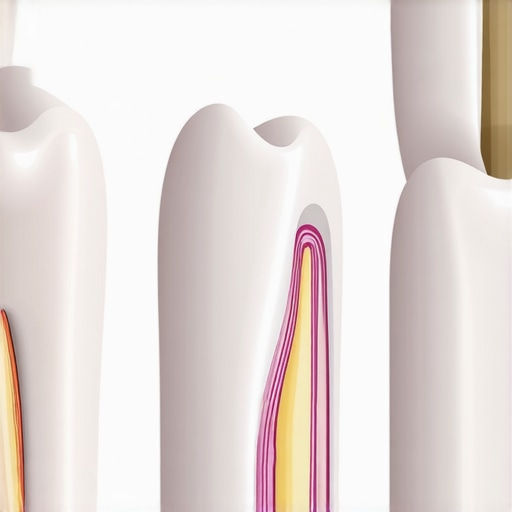
Will an Over-Contoured Edge Damage My Gums Permanently?
The short answer is: yes, if left untreated. Chronic inflammation from a bulky margin can lead to gum recession or even bone loss over time. This nuance is often missed in the rush for a quick ‘smile makeover.’ It is a similar sensation to why your dental implant area feels heavy during the first week; your body is trying to figure out if this new material is a friend or a foe. In the future of dental implants and high-end cosmetics, digital scanning is making these margins more precise, but the ‘human element’ of the lab technician still dictates the final bulk. If your speech hasn’t returned to normal after 14 days, you aren’t ‘adjusting’—you are compensating for a design flaw. Have you ever fallen into this trap where you prioritized ‘no-prep’ only to hate the bulky result? Let me know in the comments.
If you’re currently in that ‘I hate these’ phase, don’t lose hope just yet. Realizing that your smile transformation requires a different maintenance routine was my first step toward actually loving my results. I used to think a toothbrush was enough, but once you have ceramic margins, you’re playing a different game. Most people don’t realize that the adhesive used to bond your teeth is the weakest link.
Stop Treating Your Veneers Like Natural Teeth
I learned the hard way that high-abrasive whitening pastes are the enemy. They don’t just ‘clean’—they can actually micro-etch the factory polish on your porcelain over time. To avoid the need to polish a scratched veneer at home, I switched to a gel-based, low-RDA toothpaste. My personal go-to is an electric toothbrush with a built-in pressure sensor. Why? Because the ‘shelf’ where the veneer meets the gum is the most vulnerable spot. If you scrub too hard, the gum recedes, and suddenly that expensive ceramic has a dark, unsightly line above it. I also swear by my Waterpik Ion. It’s compact enough for travel, but more importantly, the ‘Plaque Seeker’ tip is the only thing that effectively cleans the tiny ledges that traditional floss often skips over. If you have dental implants, this tool is even more critical because the soft tissue attachment around an implant is significantly more fragile than around a natural tooth root.
How can I keep my veneers looking brand new for decades?
The secret isn’t just cleaning; it’s physical protection from mechanical stress. The risk of skipping your night guard is the number one cause of late-stage veneer failure I see discussed in patient circles. I use a custom-made, dual-laminate guard every single night without exception. Even if you don’t think you’re a ‘grinder,’ the sheer force of nocturnal clenching can put hundreds of pounds of pressure on those thin porcelain edges. One slip, one night of heavy clenching, and you’re looking at a fracture. 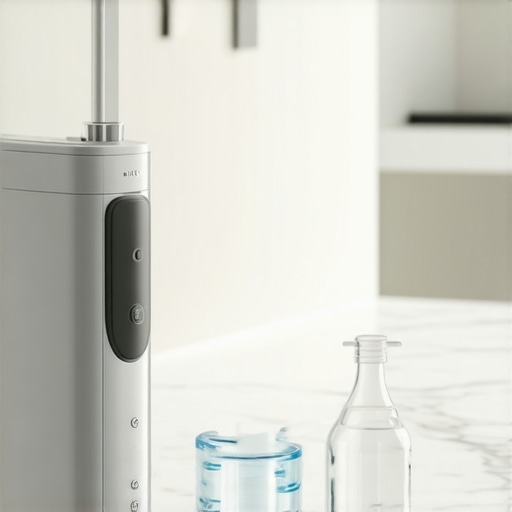
AI and Remote Monitoring are Coming for Your Bathroom Mirror
Looking ahead, I’m predicting that the next five years of family dentistry will be dominated by ‘Digital Smile Twins.’ We’re already seeing early-stage apps that use your smartphone’s camera to track gum health in 4K detail. This is a massive game-changer for anyone with high-end cosmetic work. Instead of waiting for your routine cleaning to find out you have a ‘leak’ in your bonding, you’ll receive a push notification the moment a margin starts to look suspicious. Dr. Brian LeSage from the Beverly Hills Institute of Dental Esthetics often emphasizes that longevity is built on ‘minimally invasive’ maintenance, and digital tracking is the ultimate tool for that philosophy. Try this tonight: Take a high-resolution photo of your gum line with your flash on, specifically focusing on the transition where the tooth meets the gum. Save it in a hidden folder on your phone. Do it again every three months. If you see the ‘pink’ moving away from the ‘white,’ call your dentist immediately. It’s the easiest, most proactive way to ensure you’re part of the elite group that gets twenty years out of your veneers rather than five.
The Honest Truth About the Brain-to-Bite Connection
Looking back at my own journey, I realized that the biggest hurdle wasn’t the dental chair—it was the two weeks of mental gymnastics that followed. One piece of wisdom I wish I had known is that your ‘new normal’ doesn’t happen overnight. You might feel like your speech is ruined or that you look like a different person, but this is simply your proprioception working overtime. I learned that cosmetic dentistry secrets often involve as much psychological adjustment as physical change. Another lightbulb moment was realizing that if my veneers looked like white chiclets, it was often because of the lighting in my own bathroom, not the porcelain itself. Always check your smile in natural sunlight before you panic. Lastly, remember that your gums need time to drape naturally; that initial ‘shelf’ feeling often softens significantly once the soft tissue settles and adapts to the new contours.
My Tried and Tested Survival Kit
To get through those first few months and ensure my investment lasted, I curated a toolkit that I still use today. First, I cannot recommend a high-quality water flosser enough; it is the only way to reach those tiny margins without risking the bond. If you are also looking at how dental implants reshape your oral health, you’ll find that these tools are equally essential for maintaining bone health. Second, I switched to a pH-balanced, non-abrasive mouthwash to keep the ‘glaze’ on my porcelain mirror-smooth. Finally, I trust the latest innovations in dental durability, which suggest that a custom-fit night guard is the single most important factor in preventing ceramic fractures. These aren’t just ‘extras’—they are the insurance policy for your new look.
Trust the Process of Your New Transformation
It is completely normal to feel a bit of ‘buyer’s remorse’ when your mouth feels crowded, but give yourself the grace of time. You have taken a massive step toward a version of yourself that smiles without hesitation. Whether you are navigating the nuances of a veneers transformation or recovering from a more complex reconstruction, the bulky feeling will fade, leaving you with the confidence you deserve. Your future self will thank you for sticking through the awkward first week. If you ever feel like the adjustment is taking too long or something feels physically ‘off,’ don’t hesitate to reach out for a professional check. You don’t have to suffer in silence while you wait for your brain to catch up to your beauty. Have you noticed your speech changing since getting your new teeth, or did you find the ‘S’ sounds came back naturally? Let me know in the comments!