I was sitting at the kitchen table, nursing my third cup of lukewarm coffee, when my six-year-old decided to show me his wiggly tooth. I leaned in, expecting the usual tiny white gap, but instead, I saw something straight out of a National Geographic special on Great Whites. There, standing right behind his perfectly normal baby teeth, was a second row of jagged permanent teeth. I will be honest: I panicked. I thought his mouth was overcrowded, or maybe he would need some high-stakes surgery before second grade. I was already picturing years of expensive corrections and missed school days. It turns out, I was not looking at a dental emergency, but a very common developmental milestone often called shark teeth. If you have just discovered this in your own little one, take a deep breath. You are not failing as a parent, and your child is not turning into a predator. I have been in those frantic shoes, and today, I am going to walk you through exactly why the reason your child has two rows of teeth at once is usually nothing to lose sleep over. We will cover how the tongue naturally pushes those teeth forward and when you actually need to call in the cavalry.
My Panic When I Saw My Son’s Shark Teeth
When I first noticed those double rows, my instinct was to help. I spent about twenty minutes trying to wiggle that front baby tooth with way too much enthusiasm, thinking if I just got it out of the way, the real tooth would slide into place. Big mistake. I ended up making his gums sore and making him even more afraid of the dental chair than he already was. He cried, I felt like a monster, and the tooth did not even budge. Experience taught me that the body has its own timeline that refuses to be rushed. Usually, permanent teeth act like little demolition crews, dissolving the roots of baby teeth until they fall out like autumn leaves. But sometimes, they get impatient and sprout before the baby teeth are ready to vacate. This is remarkably common. According to the American Academy of Pediatric Dentistry, ectopic eruption is a frequent occurrence in growing smiles and usually resolves as the baby tooth finally gives up its spot. It is a quirk of family dentistry that looks much scarier than it actually is.
Should I Really Just Leave Those Extra Teeth Alone?
I know what you are thinking because I thought it too: will this make his teeth crooked forever? It is the biggest fear we have as parents—that wait and see will lead to a mountain of orthodontic bills later. In my case, I was convinced my son’s tongue would not have enough room to navigate. I worried about his speech, his bite, and his confidence on the playground. But the mouth is surprisingly adaptable, and the tongue is a powerful muscle that acts like a natural set of braces. We often focus so much on the visible stuff that we ignore other habits, like why your child is still grinding their teeth at age six, which can be just as stressful for a parent to watch. Have you ever looked into your child’s mouth and felt that immediate jolt of fear? Maybe you have even wondered if why your child’s permanent teeth look more yellow than baby teeth is part of the same problem. Drop a comment below or reach out to me; I would love to know I was not the only one who hovered with a flashlight for three nights straight. We are going to dig into when the shark teeth actually require a professional hand and when nature just needs a few more weeks to do its thing.When the initial panic of seeing a double row of teeth finally subsided, I realized I needed a concrete plan. Most parents want to jump in and play amateur dentist, but that is usually the worst move you can make for your child’s long-term oral health. Here is the exact process I used to get my son’s smile back on track without any more unnecessary tears.
The Simple Strategy to Clear the Path for New Teeth
First, you have to assess the ‘anchor’ in the mouth. In the world of adult restorative care, dental implants 2025 innovations that redefine comfort and durability are designed to stay put forever, but baby teeth are supposed to be temporary scaffolding. If that front baby tooth is totally immobile—meaning you cannot see even a shimmer of movement when they speak or eat—it is effectively holding the permanent tooth hostage. I remember trying what I called the ‘apple tactic.’ I handed my son a crisp, cold Granny Smith and told him to go to town. It was messy, sticky, and he ended up with juice all over his shirt, but it gave me a clear answer. If they can bite into something firm and that baby tooth does not budge an inch, the root has not dissolved enough yet.
Why You Should Check for a Solid Foundation
Just like when a professional compares veneers vs crowns choosing the best option for your smile, we have to look at the structural integrity of what is already there. If the baby tooth is wiggling even slightly while the permanent tooth is already halfway in, you are likely in the clear. However, if that baby tooth remains rock solid after several weeks of the adult tooth being visible, it is time to consult your provider. I made the mistake of waiting too long with one of my older kids, thinking it would ‘just happen,’ only to find out the permanent tooth was getting completely blocked by a stubborn root.
Trust the Tongue to Act as Natural Braces
This is the part that actually relieved my stress: the tongue is essentially a muscle-powered alignment tool. Once that baby tooth finally makes its exit, the tongue naturally pushes the permanent tooth forward into the empty gap. It is a bit like how family dentistry tips for a lifetime of healthy smiles often emphasize natural development over forced orthodontic corrections in the early years. I spent nights worrying about my son’s bite, but within three weeks of the baby tooth falling out, the ‘shark tooth’ had migrated perfectly into the front row without any help from me. 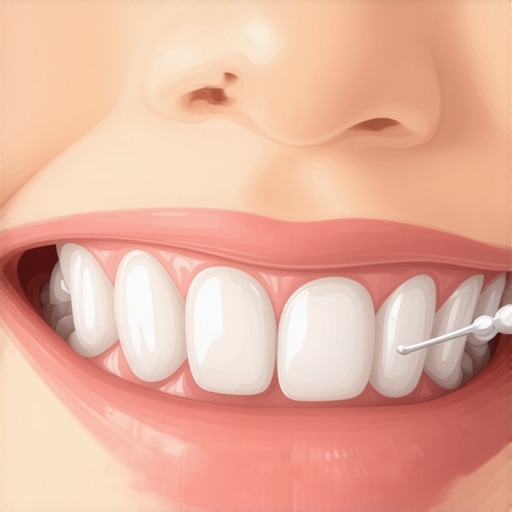
Spotting the Signs That Nature Needs a Hand
You should not just be looking for teeth; you need to look at the environment around them. Check the gums daily. Are they bright red, or do they bleed when they brush? Is your child suddenly avoiding their favorite foods? When I was trying to figure out how to get your toddler to stop biting the toothbrush, I noticed my son was flinching not because of the brush itself, but because the pressure of the double-row eruption was making his gums incredibly tender. If you see significant swelling or if the child is in constant pain, do not wait for the tooth to fall out on its own. Also, keep an eye on colors; while why your child’s permanent teeth look more yellow than baby teeth is perfectly normal due to thicker dentin, any dark spots or greying of the baby tooth is a reason to call the office immediately. If they are already nervous about the situation, remember to use techniques for how to help a child who is afraid of the dental chair to make that potential extraction visit easier.
Manage the Habits That Complicate the Process
Sometimes it is not just about the teeth themselves, but the habits surrounding them that cause the most discomfort. For instance, if you are wondering why your child is still grinding their teeth at age six, that extra pressure can actually make the area more sensitive while those double rows are present. I noticed my son would grind his teeth more when he felt the ‘crowding’ sensation. Keeping the rest of the mouth healthy and the child relaxed ensures that when the transition finally happens, it is as smooth as possible.
While the visual of two rows of teeth is enough to send any parent into a spiral, the most common mistake I see is the assumption that ‘shark teeth’ are a direct precursor to a decade of expensive orthodontics. Many parents believe that if the permanent tooth doesn’t start in its ‘correct’ spot, it will stay crooked forever. In my experience, and contrary to popular belief, the jaw is an incredible piece of biological engineering that often expands just enough to accommodate those new arrivals without any outside help. Jumping the gun and insisting on an early extraction can actually be a ‘trap.’ If you pull a baby tooth too early, you might lose the space-maintaining benefit that the baby tooth provides, potentially leading to more crowding elsewhere. I have seen parents rush for a quick fix, only to realize later that they disrupted the natural sequence of eruption.
Why does my child have serrated ridges on their new teeth?
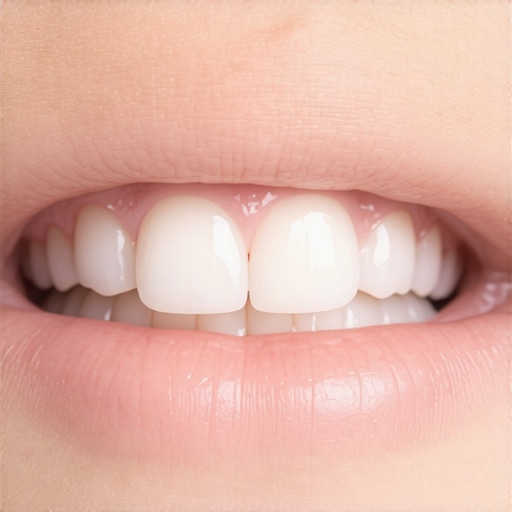
Another nuance that catches parents off guard is the texture of these new teeth. If you look closely, you might notice the edges aren’t smooth like the baby teeth they replaced. You might even worry your child has been grinding them down or that they are chipped. However, why your child’s permanent molars look jagged or serrated on top is actually a sign of a perfectly healthy, unused tooth. These ridges are called mamelons. They are there to help the tooth break through the gum line and usually wear down naturally over time as the child eats. It is a sophisticated detail of dental anatomy that is often misinterpreted as a dental emergency. Similarly, don’t be alarmed by the hue; understanding why your child’s permanent teeth look more yellow than baby teeth is vital. Permanent teeth have more dentin, which is naturally yellowish, while baby teeth are more translucent and ‘milky’ white.
The real ‘hidden nuance’ here is that pediatric dental health is the foundation for future cosmetic dentistry secrets to boost your confidence as an adult. While we don’t put porcelain on seven-year-olds, how we handle these early transitions dictates whether they will need to wonder veneers vs crowns choosing the best option for your smile when they are thirty. A study by the American Association of Orthodontists (AAO) recommends that children have their first orthodontic screening by age seven. This isn’t because they necessarily need braces then, but because it allows a professional to see how the jaw is developing and whether those ‘shark teeth’ are truly a structural threat or just a temporary phase. Have you ever fallen into the trap of over-cleaning or obsessing over a tooth that nature was already handling? Let me know in the comments. We often get so caught up in the ‘perfection’ of a child’s smile that we forget these family dentistry tips for a lifetime of healthy smiles often involve doing less, not more, during the transitional years.
Once those ‘shark teeth’ finally migrate into their proper positions, your job shifts from observer to guardian. I realized quickly that a standard manual toothbrush wasn’t going to cut it for the odd angles of erupting permanent teeth. If you want to avoid the panic of wondering how to tell if a white spot on your tooth is a cavity, you need to upgrade your arsenal. I personally swear by the Waterpik Aquarius for my kids once they hit age seven. Most parents think a water flosser is just for people with braces, but for a child with a crowded mouth, it is a lifesaver. It reaches the distal surfaces of those new molars that a string of floss—and a wiggly first-grader—simply cannot navigate.
How can I keep my child’s new teeth healthy for life?
Maintaining that smile requires more than just showing up for cleanings twice a year. I started using disclosing tablets—those little purple chewables that dye plaque—once a week. It turned oral hygiene into a game rather than a chore. For the adults in the house, especially if you have invested in veneers transformation unlocking your best smile yet, maintenance is even more specialized. I use a soft-bristled electric brush with a pressure sensor because I am a chronic ‘scrubber.’ If you aren’t careful, you might end up researching how to tell if your gum recession is caused by brushing too hard. The goal is to gently vibrate the debris away, not sand down your enamel or your expensive porcelain. 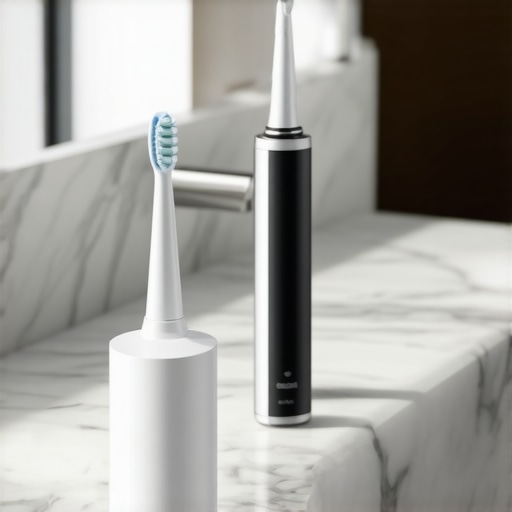
The Tech That is Changing How We Track Oral Health
We are moving toward a future where AI-integrated toothbrushes will send a map of missed spots directly to your dentist’s office before you even arrive. I predict that within the next five years, we will see ‘smart’ retainers that can monitor pH levels in the mouth to alert parents of potential decay in real-time. For now, I rely on a high-quality mouth mirror and a bright LED penlight to do my own ‘mom-check’ every Sunday night. It helps me catch things like the danger of ignoring a small chip on your molar before it becomes a root canal. According to a study published in the Journal of Clinical Periodontology, using a powered toothbrush reduces plaque by 21% more than manual brushing over a three-month period. This isn’t just marketing fluff; it’s the difference between a simple filling and a full-blown emergency. If you have older dental work, stay vigilant about why your dental implant crown feels loose after years of use, as hardware doesn’t last forever without intervention. I highly recommend picking up a pack of disclosing tablets this weekend and seeing where your family is actually missing spots; it is the single most eye-opening tool for improving your family dentistry tips for a lifetime of healthy smiles routine.
The Dental Milestones That Finally Calmed My Parent Nerves
Looking back on that first discovery of those double rows, I realize my biggest hurdle wasn’t my son’s dental anatomy—it was my own impatience. One lightbulb moment for me was learning that the “wait and see” approach isn’t passive; it’s an active choice to let the jaw develop naturally. I also learned that forcing a baby tooth out can sometimes backfire, potentially making it harder for the adult tooth to find its natural path by losing a vital space maintainer. Most importantly, I discovered that these early transitions are just the first step in a much longer journey toward family dentistry tips for a lifetime of healthy smiles. It is okay to breathe and let nature take the lead for a few weeks while you simply monitor the progress.
A Home Kit for the Erupting Smile
To stay proactive without being intrusive, I recommend building a small “smile toolkit” in your bathroom. I trust the American Academy of Pediatric Dentistry (AAPD) for clinical facts whenever I feel a flicker of panic, and I highly recommend their parent guides. For physical tools, I rely on a small dental mouth mirror for Sunday night checks and disclosing tablets to make sure those new, jagged ridges are staying clean. For the adults in the house who are also managing their oral health, staying vigilant is key—whether that is checking your own gums or understanding why your dental implant crown feels loose after years of use. Modeling this type of careful observation shows your child that dental care is just a normal, stress-free part of life.
#IMAGE_PLACEHOLDER_E#
The Long Game of Pediatric Oral Health
Ultimately, seeing the reason your child has two rows of teeth at once is just a temporary chapter in their growth story. By staying calm and focusing on gentle hygiene rather than frantic extractions, you are teaching them that the dentist is a partner in their health. These small wins in childhood are the foundation for cosmetic dentistry secrets to boost your confidence as they grow into adults. You’ve got this, and so does their smile. Did you also feel that immediate “shark teeth” panic when your child’s permanent teeth first appeared, or was it just me? Tell me your story in the comments!