I remember sitting down for my first real meal after getting my permanent crown. I was so excited to finally chew on the left side again. I took a large bite of a juicy burger, and instead of savory beef, I felt like I’d just sucked on a roll of copper pennies. It was jarring. My first thought? Great, I’ve spent all this money and now I’m going to taste metal forever. I actually panicked and started brushing my teeth frantically with charcoal toothpaste, which the truth about charcoal toothpaste and your tooth enamel shows was a huge mistake that just made my gums sore. It’s that penny flavor that sends so many of us spiraling into a Google-search frenzy at 2 AM. If you’re currently dealing with the real reason your breath smells like metallic pennies or that lingering copper tang, I want you to take a deep breath. You aren’t crazy, and your mouth isn’t broken. We’re going to dive into why this happens, how long it usually lasts, and when you should actually give your dentist a call. Have you ever bitten into your favorite meal only to be met with a sharp, copper-like flavor?
Why Your Mouth Suddenly Tastes Like a Hardware Store
I’ve spent enough time in dental chairs to know that getting a crown is a big investment in your health. Whether you chose a crown over other options after reading about veneers vs crowns choosing the best option for your smile, or you just needed to save a tooth, that metallic sensation can feel like a betrayal. Early on, I made the mistake of assuming the crown was leaking. I even thought that why your gums are sore after getting a new dental crown was a sign of a serious toxic reaction. In reality, your mouth is a complex environment where chemistry and biology collide. According to a study published by the National Center for Biotechnology Information (NCBI), oral galvanism is a real phenomenon where different metals in the mouth, like a new crown and an old filling, can create a tiny electric current through your saliva.
Is This a Sign the Crown Is Actually Poisoning Me?
It is the question that keeps us up at night. We worry about material toxicity or the crown breaking down. However, modern dental materials are incredibly biocompatible. That metallic taste isn’t usually the material dissolving; it’s more about how your taste buds are reacting to the shift in your oral pH or the presence of ions as the new restoration settles into its permanent home.
The Battery Effect Happening Between Your Teeth
Think of your mouth as a wet, salty environment—perfect for conducting electricity. When a new crown, especially one with a metal base or porcelain-fused-to-metal, is introduced, it might interact with existing metal fillings or different materials. This creates a sensation that isn’t just a taste, but almost a tiny zap. This usually fades as your mouth reaches a new equilibrium and your saliva adjusts to the new addition. I remember being so worried about this that I almost asked my dentist to redo the whole thing, but I’m glad I waited it out. Let’s look at why this battery effect is so common right after a procedure.
Wait Out the Bio-Electric Storm
If you are dealing with oral galvanism, the most important thing you can do is give it time. Your mouth is currently adjusting to a new neighbor. Think of your new crown like a new pair of leather boots; it takes a few days of ‘walking’ (or in this case, chewing and salivating) for the materials to break in and stop reacting with your old fillings. Most people find that the metallic tang vanishes within 48 to 72 hours as the ions stabilize. If you have also noticed why your mouth feels salty all the time even when you dont eat, it is a clear sign your saliva chemistry is currently in flux.
Neutralize Your Oral Environment Today
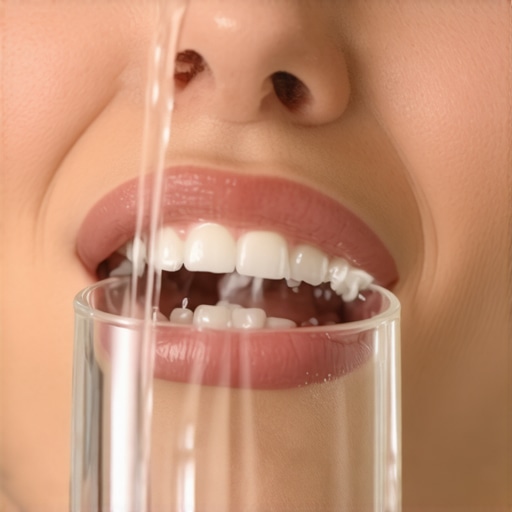
You can actively speed up the process by managing your mouth’s pH levels. Acidic environments—think coffee, soda, and citrus—act like fuel for that ‘battery effect’ I mentioned earlier. During my first week with a crown, I tried to drink a massive glass of lemonade to wash away the copper taste. It was a disaster; the acidity actually made the zapping sensation worse. Instead, switch to alkaline-rich habits. Drink plenty of plain water to dilute the metallic ions. If the taste is overwhelming, a simple rinse with warm salt water can help neutralize the acids and soothe the tissue around the new restoration.
Keep Your Gums from Acting Out
Sometimes the metallic taste isn’t the crown itself, but minor bleeding or irritation at the gum line where the crown was seated. Blood has a high iron content, which tastes exactly like pennies. I learned the hard way that scrubbing the area with a stiff brush only causes more trauma. You should focus on the best way to brush when you have sensitive gums to keep the area clean without causing micro-tears. Keeping the site free of debris ensures that bacteria do not move in, which can lead to a much more unpleasant flavor later on.
Check Your Habits and Hygiene Products
Take a hard look at your toothpaste and mouthwash. Highly abrasive ‘whitening’ pastes or alcohol-based rinses can strip your natural protective saliva film, making your taste buds more sensitive to the crown’s materials. When I was panicking about my crown, I switched to a gentle, fluoride-rich formula designed for sensitive teeth, and the metallic edge softened almost immediately. Following standard family dentistry tips for a lifetime of healthy smiles means choosing products that support your mouth’s natural defenses rather than stripping them away. Also, make sure you know how to stop a permanent crown from falling out until you see a doctor just in case you feel any physical movement, as a loose crown can sometimes trap bacteria that mimic a chemical taste.
I’ve seen too many people assume that a permanent crown or implant is a ‘set and forget’ solution, but the reality is far more nuanced. While a crown might stop that copper tang eventually, the most critical part of its success isn’t the material itself—it’s the margin. That tiny line where the restoration meets your natural gum tissue is the primary failure point for even the most expensive dental work. If that seal isn’t perfect, you aren’t just dealing with a weird taste; you’re inviting microscopic decay that can happen underneath the crown where you can’t even see it.
The Invisible Edge Where Most Restorations Fail
Everyone tells you that porcelain is invincible, but in my experience, the porcelain is only as good as the tooth structure supporting it. A common trap is ignoring the health of the surrounding bone before jumping into cosmetic upgrades. If you are looking at the truth about the durability of composite vs porcelain veneers, you have to understand that the ‘prep’ work—how much enamel is removed—dictates the longevity more than the brand of the ceramic. I’ve seen people opt for aggressive filing to get a straight look, only to realize later that why your veneers feel bulkier than your natural teeth is often a result of trying to hide misalignment that should have been handled with orthodontics first.
Stop Chasing the Whitest Shade Possible
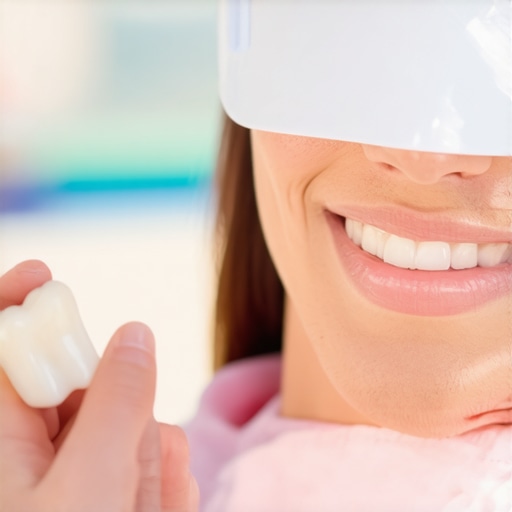
The ‘Oops’ factor I see most often is what I call the ‘fluorescent trap.’ When you are in the dental chair under those bright LED exam lights, a bleach-white shade looks great. But once you step outside, the reason your veneers look different in sunlight becomes painfully obvious. Natural teeth have a certain level of translucency and ‘value’—a gray or yellow undertone that makes them look alive. Choosing a monochromatic, ultra-white shade is the mistake that makes your teeth look too white and fake. A clinical review by the American Academy of Cosmetic Dentistry highlights that successful restorations must respect the ‘Golden Proportion,’ ensuring the width and height of each tooth balance with your unique facial features rather than just being as white as possible.
Does Your New Crown Actually Change How You Chew?
This is an advanced nuance many forget: dental implants and crowns do not have a periodontal ligament. Your natural teeth are suspended by thousands of tiny fibers that act as shock absorbers, sending signals to your brain about how hard you are biting. Implants are fused directly to the bone. This means your ‘bite feel’ changes permanently. Staying updated on dental implants 2025 innovations that redefine comfort and durability shows that while we are getting closer to mimicking nature, you still have to be more mindful of your chewing force than you did with your original teeth. To get the best aesthetic results, you should spend more time learning how to pick the right shade for your new porcelain veneers than you do picking the material. Have you ever fallen into the trap of picking a shade that looked different once you got home? Let me know in the comments.
The Secret Tools I Use for My Own Smile
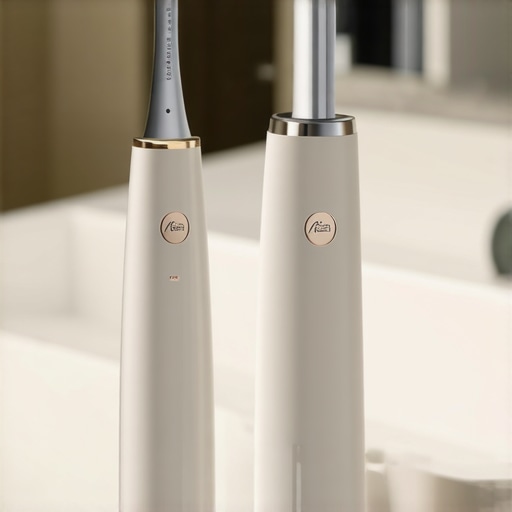
I learned the hard way that you cannot treat a $20,000 smile the same way you treated your natural teeth back in college. If you want these restorations to last, you need a toolkit that is actually designed for high-end ceramics. I personally switched to an electric toothbrush with a built-in pressure sensor because I was scrubbing way too hard. If you push too much, you risk recession, and you’ll find yourself looking for how to stop your gums from receding without painful surgery before your next checkup. I also swear by a high-quality water flosser. While most people associate them with orthodontics, the benefit of using a water flosser extends to anyone with crowns or bridges because it flushes out the ‘bio-electric’ gunk that regular floss can’t reach. According to a technical report in the International Journal of Implant Dentistry, specialized mechanical plaque removal is the only way to prevent the inflammation that leads to early implant failure. Trust me, the extra sixty seconds at the sink is better than a second surgery.
How Can I Keep My New Dental Work Fresh for Decades?
Maintenance is less about deep cleaning and more about daily defense. You have to treat the margins of your crowns and veneers like a glass-to-metal seal. I’ve started using a neutral pH mouthwash because acidic rinses can actually etch the surface of your porcelain over time, making it look dull. If you notice your smile isn’t as bright as day one, skip the abrasive DIY kits and focus on how to maintain your white smile after a coffee habit using professional-grade, non-abrasive gels. Consistency is the only thing that prevents the transition from a beautiful restoration to a costly replacement.
Stop Chipping Your Veneers While You Sleep
The biggest threat to your investment isn’t what you eat; it is what you do while you’re unconscious. Stress-grinding is the silent killer of cosmetic dentistry. I didn’t realize I was doing it until I saw the connection between frequent headaches and grinding your teeth in my own life. Now, I never go to bed without a custom-fitted night guard. It’s a small price to pay to keep the porcelain from shattering under the pressure of your jaw muscles. Just make sure you learn how to clean your night guard without damaging the material, or you’ll be putting a petri dish of bacteria right back onto your expensive veneers every single night. Following basic family dentistry tips for a lifetime of healthy smiles means protecting what you’ve already fixed.
The Future of Teeth Involves Bio-Glass and Sensors
Looking ahead, the next decade of cosmetic dentistry is going to be wild. I’m already seeing trends where dental implants 2025 innovations include ‘smart’ materials that can actually release fluoride or calcium to strengthen the surrounding bone. We are moving toward ‘bio-glass’ restorations that can heal minor cracks on their own. Eventually, we might even see crowns with embedded sensors that alert your phone if there is decay starting underneath the margin. For now, we have to rely on good old-fashioned vigilance. If you have any doubt about the health of your work, try this tonight: run your tongue along the gum line of your crown. If it feels ‘sticky’ or snaggy, it’s time for a professional checkup. Don’t wait for it to hurt.
The Reality Check Most Dentists Skip During the Appointment
It took me three different procedures to realize that ‘settling in’ isn’t just about the tooth—it’s about your brain. Your tongue is a natural detective; it will find every new edge, every different texture, and every strange flavor for the first 72 hours. I’ve learned that the metallic taste isn’t a failure of the material, but a sign your mouth is actively recalibrating its chemistry. Another lightbulb moment was realizing that why your teeth feel sticky even after you brush them can sometimes happen because you’re being too ‘gentle’ with the new crown, allowing a film to build up that alters your sense of taste. Lastly, don’t ignore the psychological side; if you’re hyper-focused on the taste, your brain will amplify it. Relax, hydrate, and let the bio-electric storm pass.
My Daily Defense Kit for a Million-Dollar Smile
I trust my smile to three essential pillars. First, a high-quality water flosser—it’s the only way to clear the debris that triggers that ‘penny’ taste at the gumline without irritating sensitive tissue. Second, I only use non-abrasive, neutral pH rinses to avoid etching the surface of my porcelain over time. Third, I always keep a sense of perspective; knowing how to manage the dull ache after your braces are adjusted or a new restoration is seated makes the recovery much less stressful. These tools aren’t just gadgets; they are the insurance policy for the investment you’ve already made in your oral health.
Step Into a More Confident Version of You
Starting your journey into cosmetic dentistry secrets to boost your confidence is a massive step. It’s perfectly normal to have these small hiccups like a metallic taste or minor sensitivity. These aren’t roadblocks; they are just milestones on the way to a veneers transformation unlocking your best smile yet. You’ve invested in yourself, and your body is simply catching up to the upgrade. Whether you’re looking at how dental implants reshape your oral health in 2025 or just getting a single crown, you’re doing something great for your future health. Have you ever experienced that weird metallic zing after a dental visit? Let me know about your experience in the comments below!