I still remember the first time I walked out of the dentist’s office with a permanent crown. I felt like a million bucks, ready to show off my upgraded smile to everyone. But three hours later, the local anesthetic wore off, and reality hit hard. It wasn’t the tooth itself that was throbbing; it was the gum tissue surrounding it. It felt raw, angry, and honestly, a bit betrayed. I spent the evening wondering if my body was rejecting the material or if the dentist had slipped during the procedure. Looking back, I made the classic mistake of thinking a crown was a “plug-and-play” solution. In reality, your gums are sensitive living tissue, and they’ve just survived a localized construction zone. We are going to dive into why this happens, what you can do at home, and when it’s time to call the office back.
Give Your Gums a Grace Period with Their New Neighbor
If you are currently nursing a tender mouth, take a deep breath. Most of the time, that irritation is just your body’s natural response to the procedure. During the prep and placement, your dentist has to work right at—and sometimes slightly below—the gum line to ensure a snug fit. It’s a delicate process. I once panicked because my gumline looked a bit purple, only to realize that the reason your gums are swollen around a new crown often boils down to the retraction cord used to push the tissue away during the impression phase. Whether you have recently debated veneers vs crowns or this is your very first restoration, that break-in period is unavoidable. Have you ever felt that sinking feeling that a dental fix just created a brand-new problem? You aren’t alone.
Is this lingering pain a sign the crown was done incorrectly?
This is the big fear that keeps us up at night. You spend the money and the time, and now it hurts to even sip lukewarm water. However, post-operative soreness is rarely a sign of a failed restoration. According to a study published in the Journal of Prosthetic Dentistry, localized gingival inflammation occurs in a high percentage of patients due to the mechanical displacement of tissue required for a precise marginal fit. If your bite feels “high”—like that tooth is hitting before all the others—that is a different issue that needs a quick adjustment. But if it is just the fleshy part of the gum that is tender, you are likely just in the healing phase. I once ignored a slightly off-kilter bite for a week, thinking it would just settle, and that was a huge mistake that led to even more gum inflammation. Don’t be like me! If you are also noticing that your porcelain veneer feels rough to your tongue or your new crown feels “tight,” it all points back to this initial adjustment window. Stick with me, and we will look at how to soothe that ache so you can finally enjoy your new smile.
Stop the Throb with These Immediate Relief Tactics
Your first line of defense is simpler than you think: warm salt water. It sounds like an old wives’ tale, but there is actual science at play. A salt water rinse creates an isotonic environment that draws out excess fluid from the swollen tissue through osmosis. It also helps neutralize the acidic environment that bacteria love. Mix about half a teaspoon of sea salt into eight ounces of warm water and swish gently for 30 seconds. Do this three times a day. If you find that the soreness is specifically at the surface level, similar to how to treat a burn on your gums from hot pizza, you can apply a tiny amount of topical numbing gel. However, use it sparingly; you want to monitor the pain, not mask a larger issue. When I was navigating my first big restoration in the world of cosmetic dentistry secrets to boost your confidence, I over-applied numbing gel and ended up biting my cheek because I couldn’t feel where I was chewing. It was a messy, painful lesson in moderation.
Check Your Alignment Before You Blame the Gums
The most common culprit for persistent gum pain isn’t actually the gum itself—it’s the bite. Think of a ‘high’ crown like a tiny pebble in your shoe. You might not notice it if you are sitting still, but with every step (or bite), that pebble grinds into your heel. If your new crown is even a hair taller than the surrounding teeth, it takes the full force of your jaw every time you close your mouth. This pressure travels down the root and inflames the periodontal ligament and the surrounding gum tissue. If you notice that why your dental implant crown feels slightly wiggly when you bite or if you feel a sharp pinch only when chewing, your dentist needs to perform an ‘occlusal adjustment.’ This is a quick two-minute fix where they use articulating paper to find the high spots and buff them down.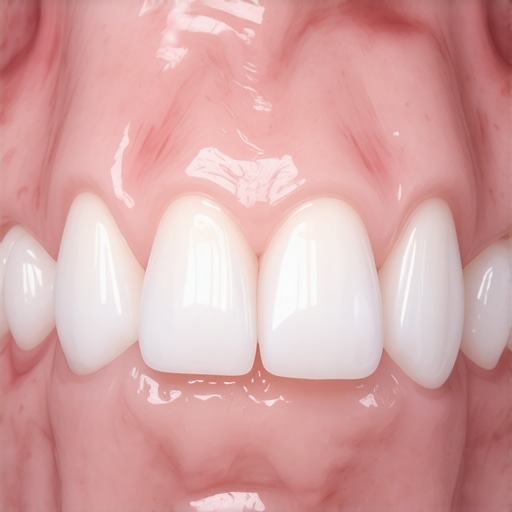
Clean the Margin Without Scaring the Tissue
While it is tempting to leave the area alone until it feels better, plaque is a major irritant to healing gums. You need to keep the ‘margin’—the area where the crown meets the gum—immaculate. Switch to an extra-soft manual toothbrush for the first week. When you floss, don’t just ‘snap’ it up into the contact point. Slide it down gently and curve it into a C-shape around the crown. If you are struggling with the transition, looking into the secret to flossing comfortably with a permanent retainer can give you some great perspective on navigating tight dental spaces without causing trauma. I’ll never forget the ‘Taco Tuesday’ disaster of 2019. I was four days post-crown, and the gum soreness had faded to a dull hum. I thought I was in the clear. I took a massive bite of a crunchy beef taco, and suddenly, a lightning bolt of pain shot straight up my jaw. It wasn’t the gum; it was the fact that my new crown was just a fraction of a millimeter too high. That one crunch forced the tooth down into the already sensitive socket, and I was back on an all-liquid diet for two more days. The lesson? If your bite feels even slightly ‘off,’ your gums will never truly settle until that alignment is fixed. This level of proactive care is the foundation of family dentistry tips for a lifetime of healthy smiles. If the throbbing is keeping you up at night or if you see pus near the gumline, you’ve crossed from normal irritation into a potential infection, which is the only time you should skip the ‘wait and see’ approach and head straight back to the chair.I still remember the first time I walked out of the dentist’s office with a permanent crown. I felt like a million bucks, ready to show off my upgraded smile to everyone. But three hours later, the local anesthetic wore off, and reality hit hard. It wasn’t the tooth itself that was throbbing; it was the gum tissue surrounding it. It felt raw, angry, and honestly, a bit betrayed. I spent the evening wondering if my body was rejecting the material or if the dentist had slipped during the procedure. Looking back, I made the classic mistake of thinking a crown was a “plug-and-play” solution. In reality, your gums are sensitive living tissue, and they’ve just survived a localized construction zone. We are going to dive into why this happens, what you can do at home, and when it’s time to call the office back.
Give Your Gums a Grace Period with Their New Neighbor
If you are currently nursing a tender mouth, take a deep breath. Most of the time, that irritation is just your body’s natural response to the procedure. During the prep and placement, your dentist has to work right at—and sometimes slightly below—the gum line to ensure a snug fit. It’s a delicate process. I once panicked because my gumline looked a bit purple, only to realize that the reason your gums are swollen around a new crown often boils down to the retraction cord used to push the tissue away during the impression phase. Whether you have recently debated veneers vs crowns or this is your very first restoration, that break-in period is unavoidable. Have you ever felt that sinking feeling that a dental fix just created a brand-new problem? You aren’t alone.
Is this lingering pain a sign the crown was done incorrectly?
This is the big fear that keeps us up at night. You spend the money and the time, and now it hurts to even sip lukewarm water. However, post-operative soreness is rarely a sign of a failed restoration. According to a study published in the Journal of Prosthetic Dentistry, localized gingival inflammation occurs in a high percentage of patients due to the mechanical displacement of tissue required for a precise marginal fit. If your bite feels “high”—like that tooth is hitting before all the others—that is a different issue that needs a quick adjustment. But if it is just the fleshy part of the gum that is tender, you are likely just in the healing phase. I once ignored a slightly off-kilter bite for a week, thinking it would just settle, and that was a huge mistake that led to even more gum inflammation. Don’t be like me! If you are also noticing that your porcelain veneer feels rough to your tongue or your new crown feels “tight,” it all points back to this initial adjustment window. Stick with me, and we will look at how to soothe that ache so you can finally enjoy your new smile.
Stop the Throb with These Immediate Relief Tactics
Your first line of defense is simpler than you think: warm salt water. It sounds like an old wives’ tale, but there is actual science at play. A salt water rinse creates an isotonic environment that draws out excess fluid from the swollen tissue through osmosis. It also helps neutralize the acidic environment that bacteria love. Mix about half a teaspoon of sea salt into eight ounces of warm water and swish gently for 30 seconds. Do this three times a day. If you find that the soreness is specifically at the surface level, similar to how to treat a burn on your gums from hot pizza, you can apply a tiny amount of topical numbing gel. However, use it sparingly; you want to monitor the pain, not mask a larger issue. When I was navigating my first big restoration in the world of cosmetic dentistry secrets to boost your confidence, I over-applied numbing gel and ended up biting my cheek because I couldn’t feel where I was chewing. It was a messy, painful lesson in moderation.
Check Your Alignment Before You Blame the Gums
The most common culprit for persistent gum pain isn’t actually the gum itself—it’s the bite. Think of a ‘high’ crown like a tiny pebble in your shoe. You might not notice it if you are sitting still, but with every step (or bite), that pebble grinds into your heel. If your new crown is even a hair taller than the surrounding teeth, it takes the full force of your jaw every time you close your mouth. This pressure travels down the root and inflames the periodontal ligament and the surrounding gum tissue. If you notice that why your dental implant crown feels slightly wiggly when you bite or if you feel a sharp pinch only when chewing, your dentist needs to perform an ‘occlusal adjustment.’ This is a quick two-minute fix where they use articulating paper to find the high spots and buff them down.
Clean the Margin Without Scaring the Tissue
While it is tempting to leave the area alone until it feels better, plaque is a major irritant to healing gums. You need to keep the ‘margin’—the area where the crown meets the gum—immaculate. Switch to an extra-soft manual toothbrush for the first week. When you floss, don’t just ‘snap’ it up into the contact point. Slide it down gently and curve it into a C-shape around the crown. If you are struggling with the transition, looking into the secret to flossing comfortably with a permanent retainer can give you some great perspective on navigating tight dental spaces without causing trauma. I’ll never forget the ‘Taco Tuesday’ disaster of 2019. I was four days post-crown, and the gum soreness had faded to a dull hum. I thought I was in the clear. I took a massive bite of a crunchy beef taco, and suddenly, a lightning bolt of pain shot straight up my jaw. It wasn’t the gum; it was the fact that my new crown was just a fraction of a millimeter too high. That one crunch forced the tooth down into the already sensitive socket, and I was back on an all-liquid diet for two more days. The lesson? If your bite feels even slightly ‘off,’ your gums will never truly settle until that alignment is fixed. This level of proactive care is the foundation of family dentistry tips for a lifetime of healthy smiles. If the throbbing is keeping you up at night or if you see pus near the gumline, you’ve crossed from normal irritation into a potential infection, which is the only time you should skip the ‘wait and see’ approach and head straight back to the chair. Let’s dig deeper into the science that most dental brochures gloss over. While many patients believe that gum pain is just a side effect of the mechanical procedure, the reality often involves a concept called biological width. This is the specific amount of space—typically about two millimeters—that your body requires between the base of your crown and the top of your jawbone. If a restoration is placed too deep, your body will literally try to recede the gums to regain that space. It’s a biological turf war. A study in the Journal of Clinical Periodontology suggests that infringing on this space leads to chronic inflammation that no amount of salt water will fix. Have you ever felt like your gums were rejecting a crown even months later? This hidden nuance is usually why.
Why Permanent Implants Still Need You to Do the Heavy Lifting
Beyond the fit, there’s a major trap I see people fall into: the Perfection Paradox. Many patients think that because they are investing in cosmetic dentistry secrets to boost your confidence, the materials should be invincible. Here is the contrarian truth: porcelain is brittle, and titanium can still succumb to bacteria. People often assume that dental implants are set it and forget it, but that’s a dangerous myth. Even as we look at the future of dental implants and the incredible tech behind them, the soft tissue is still the gatekeeper. If you don’t maintain the gum health around an implant, you can develop peri-implantitis. Transitioning your mindset from replacement to upgraded maintenance is the only way how dental implants reshape your oral health in 2025 successfully. 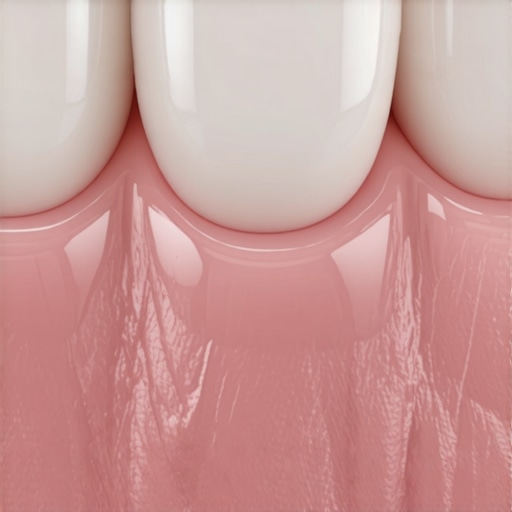
Why does the gum line look dark or grey even with a high-end porcelain crown?
This is the advanced question that keeps aesthetic-focused patients up at night. Often, it isn’t an infection; it’s the shadowing effect. If you have significant underlying tooth discoloration, a thin crown can’t always mask it without looking bulky. This is also why your porcelain veneers look opaque and not natural—the lab tried too hard to block out the darkness and lost the lifelike translucency. The oops factor here is skipping the internal whitening of the stump tooth before the crown is seated. One final warning: if you are considering a major transformation, do not whiten your teeth after the crowns are in. Bleaching your natural teeth later makes your crowns look yellow and dated by comparison. This is a classic foundational mistake in family dentistry tips for a lifetime of healthy smiles—the plan must be cohesive from day one. Have you ever fallen into this trap of fixing one thing only to realize it made another look worse? Let me know in the comments.If you want your investment to last, you have to move past the ‘brush twice a day’ mentality. I personally swear by the Waterpik over traditional string floss for my restorations. Why? Because the margin where a crown meets the gum is the most vulnerable spot for plaque buildup, and traditional floss can sometimes snag or even pull at the cement line if the contact is tight. Using a water flosser on a medium setting flushes out that gingival sulcus without the mechanical friction that can irritate healing tissue. It is also the secret to flossing when your teeth are tightly crowded or when you have complex bridgework that blocks a straight path.
The unsexy secret of wearing a night guard every single night
You wouldn’t buy a Ferrari and then park it in a hail storm without a cover. That is exactly what you are doing when you get expert tips for perfect results but skip the occlusal guard. Most of us clench our jaws at night without realizing it, and the sheer force of a human bite can eventually fracture even the strongest lithium disilicate. I wear a custom-fabricated hard-acrylic splint. It is not just about protecting the porcelain; it is about protecting the underlying tooth structure from fatigue. If you do get one, make sure you know how to clean your night guard without damaging the material to avoid bacterial buildup that can lead to bad breath. 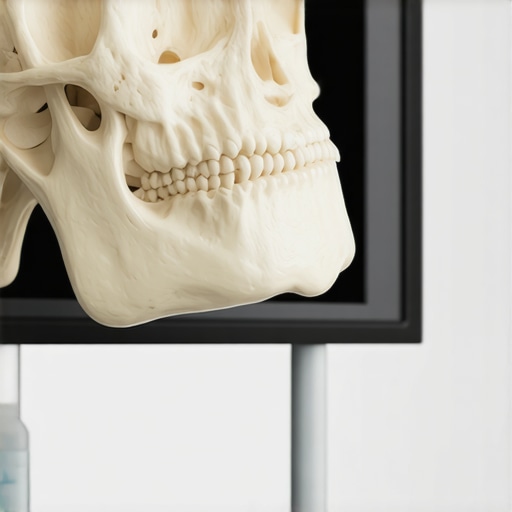
How do I maintain my new smile over the long haul?
Maintenance is a game of millimeters and consistency. According to Dr. Gordon J. Christensen, a world-renowned clinical dentist, the longevity of any restoration depends heavily on preventive maintenance appointments where the dentist can check for microscopic margin leaks. You should be using a non-abrasive toothpaste—stay far away from anything labeled ‘whitening’ with high RDA values, as these act like sandpaper on your veneers. This focus on longevity is central to family dentistry tips for a lifetime of healthy smiles.
AI and 3D printing are coming for your next dental visit
Looking ahead, I predict that the break-in period for crowns will completely disappear by 2030. We are already seeing dental implants 2025 innovations that use AI to predict how your bite will shift over time. Soon, 3D printing will allow for crowns with gradient shading and elasticity that mimic natural enamel better than anything we have today. This is how dental implants reshape your oral health by integrating seamlessly with your biology. If you want to be proactive today, try the paper test at home: if you feel more pressure on your new tooth than others when you tap your teeth together quickly, go back for an adjustment immediately. Don’t wait for the pain to start.
Hard Truths About Living With High-End Dental Work
After years of helping people navigate their smile journeys, I have realized that the physical healing is only half the battle. The first week with a new restoration is a total mental game. You will likely spend hours in front of the mirror checking for symmetry or worrying about a tiny speck of redness. Here is what I’ve learned from the front lines: Gums are incredibly territorial. They don’t care how much you paid for that porcelain; they only care that their space was invaded. If you find yourself overthinking the transition between veneers vs crowns, remember that the biological response is the same. Your body needs time to accept the new ‘tenant’ in your mouth. Another lightbulb moment for most of my readers is realizing that pain doesn’t always equal failure. A little throbbing is often just the sound of your blood flow returning to normal after the localized trauma of the chair. However, if that pressure persists, it is usually an alignment issue, not a sign that your body is ‘rejecting’ the crown. Finally, remember that the ‘perfect’ look usually takes about 14 days to fully settle into your face shape.
The Only Tools I Use to Guard My Investment
Maintenance is essentially a high-stakes insurance policy for your face. If you want these restorations to look just as good in ten years, you have to level up your toolkit. I personally swear by a high-quality water flosser because it reaches the gingival sulcus without the risk of snagging a margin. This is especially helpful if you have tightly crowded teeth where traditional floss might feel like a struggle. I also recommend keeping a journal of when you feel tension. If you wake up with a sore jaw, you are likely a nocturnal clencher. Learning how to stop clenching your jaw during the workday is a great first step, but a custom night guard is the ultimate shield for your porcelain. #IMAGE_PLACEHOLDER_E# These habits are the core of family dentistry tips for a lifetime of healthy smiles. I trust these tools because they focus on prevention rather than just repair.
Own Your Smile and Never Look Back
You have already done the hard part. You showed up, sat in the chair, and invested in your future. Don’t let a few days of gum tenderness steal the joy of your transformation. Use these cosmetic dentistry secrets to boost your confidence and remember that your smile is a living part of you, not just a static accessory. The slight discomfort you feel today is just a temporary bridge to a lifetime of better oral health. Be patient with your body, stay consistent with your rinses, and soon enough, you’ll forget the crown is even there. Have you ever felt that initial ‘buyer’s remorse’ during the first week of a dental procedure? Let me know in the comments how you handled the adjustment period!