I spent three years convinced my bedroom was haunted by a very specific, very localized storm cloud that followed me into my dreams and hammered at my temples until dawn. Every single morning, I’d crawl out of bed, fumble for the ibuprofen, and wonder why on earth I felt like I’d spent the night in a boxing ring instead of a pillowtop mattress. I changed my pillows, I quit caffeine after noon, and I even bought a heavy-duty white noise machine. Nothing worked. It wasn’t a sleep issue, and it wasn’t a “stress” issue in the way I thought. It was my jaw. I was literally grinding my teeth into dust while I slept, and those “migraines” were actually my muscles screaming for mercy. If you’re tired of the brain fog and the throbbing temples, we’re going to solve that mystery today. We’re looking at why your mouth is the secret culprit behind your headaches and how you can finally get some real rest.
Stop Blaming Your Pillow for Your Morning Migraine
For the longest time, I made a massive mistake: I treated the symptom instead of the source. I’d rub peppermint oil on my neck and hope for the best. What I didn’t realize was that the Temporomandibular Joint (TMJ) is a finicky little hinge, and when you grind your teeth—a habit known as bruxism—you are putting hundreds of pounds of pressure on your facial structure. I actually made things worse early on by grabbing a generic, “boil-and-bite” mouthguard from a pharmacy. It didn’t fit right, shifted my bite, and made my jaw ache even more. When I finally talked to my dentist about family dentistry tips for a lifetime of healthy smiles, the pieces started falling into place. It turns out that constant grinding can lead to serious tension that radiates up into the skull. According to the National Institute of Dental and Craniofacial Research, TMJ disorders can cause persistent pain that many people mistake for standard tension headaches. [image_placeholder_1]
Is it actually bruxism or just a bad night?
It can be hard to tell if you’re grinding if you’re asleep when it happens. However, if you notice your jaw clicking is a sign of TMJ, that’s a huge red flag. My “lightbulb moment” happened when my spouse mentioned they could actually hear me grinding at night—it sounds like crunching on gravel. Have you ever woken up with a sore jaw and just assumed you “slept funny,” only to have a headache follow you until lunch? If that sounds like your Tuesday morning, you aren’t alone. You might need to learn how to stop clenching your jaw during the workday to alleviate that pressure. Once I got a professional night guard, everything changed, though I did have to learn how to clean your night guard without damaging the material to keep it fresh. We’re going to dive into the specific steps to protect your enamel and your sanity.
The Three-Second Rule for Instant Jaw Alignment
The most effective way to break the habit of clenching isn’t a fancy gadget; it’s a mental reset. Think of your jaw like a spring that’s been wound too tight. To release it, you need to master the ‘lips together, teeth apart’ rule. Your teeth should only touch when you are actively chewing. The rest of the time, there should be a tiny gap—about the width of a pencil lead—between your upper and lower molars. I once spent an entire four-hour road trip with a neon post-it note on my steering wheel that just said ‘TEETH?’ Every time I saw it, I realized my molars were clamped together like a vice. By the time I reached my destination, I didn’t have the usual tension headache for the first time in months. Learning how to stop clenching your jaw during the workday requires these constant, slightly annoying reminders until the relaxation becomes your new default.
Master the ‘N’ Position for Your Tongue
If you aren’t sure where your jaw should sit, say the letter ‘N’ out loud and hold the position of your tongue at the end. Your tongue should be resting gently against the roof of your mouth, just behind your front teeth, but not touching them. This naturally drops the jaw and keeps the muscles from engaging. This is vital because bruxism often mimics other dental issues. I’ve seen people panic thinking they have a major dental emergency when it’s just muscular strain. Knowing how to tell if your tooth pain is a cavity or just a sinus infection or just clenching-related tension can save you a lot of middle-of-the-night anxiety.
Why Precision Scanning Beats Old-School X-rays
When the pain doesn’t go away with simple habit changes, you need to see what’s happening under the hood. The reason your Culpeper dentist uses CBCT scans instead of regular x-rays is that a flat 2D image can’t show the depth of the joint or the specific wear patterns on your bone. A 3D scan is like having a GPS for your mouth—it identifies exactly where the pressure is highest so your dentist can create a night guard that actually works, rather than a generic one that makes things worse.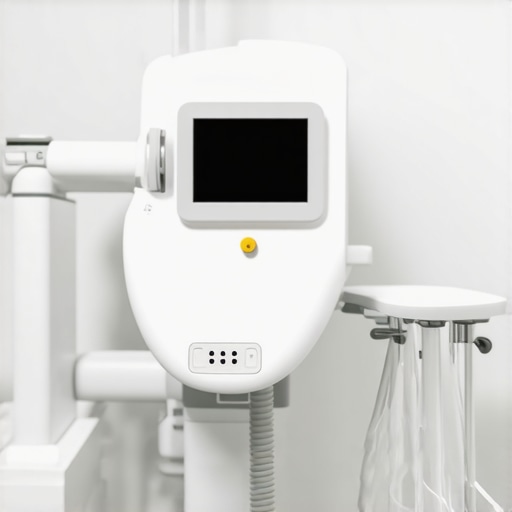
Rebuild the Enamel You Already Lost
If you’ve been grinding for years, you might notice your teeth looking shorter, flatter, or more translucent at the edges. This isn’t just an aesthetic problem; it’s a structural one. When you lose that protective enamel, your teeth become vulnerable. This is where cosmetic dentistry steps in to save the day. For many, veneers are the gold standard for restoring that lost height and protecting the tooth from further wear. Before you dive in, you should research the truth about the durability of composite vs porcelain veneers to ensure your new smile can withstand the pressure. Once you decide to move forward, the fun part is how to pick the right shade for your new porcelain veneers so they look like your natural teeth—only better and stronger. It’s about more than just a pretty smile; it’s about giving your jaw the proper ‘stop’ it needs to rest comfortably.But here is where most people get it wrong: they think the finish is the most important part of the process. In reality, the foundation dictates everything. Most people assume that if you have a missing tooth, you just pop in a titanium screw and you are done. This is a massive oversimplification that leads to disappointment. I have seen so many patients avoid necessary care because they think they are not candidates due to jaw health, when the truth about getting dental implants if you have existing bone loss is that modern techniques make it possible for almost anyone. It is not just about replacing a tooth; it is a structural support system. In fact, how dental implants reshape your oral health in 2025 is less about the metal post and more about how that hardware stimulates the bone to prevent that sunken look we often associate with aging. Failing to address the bone volume first is the quickest way to end up with an implant that fails within a decade.
Stop treating dental implants like simple spare parts
Let us dig deeper into the perfection trap. I see it every single day: people want the whitest, flattest, most symmetrical teeth possible. But here is the contrarian truth: perfection looks fake. Natural teeth have subtle ridges, translucency at the tips, and varying shades. If you go too far, you end up with the mistake that makes your teeth look too white and fake. This is why the consultation is so critical—you need to decide on veneers vs crowns: which is right for your smile based on your bite strength, not just what looks good in a photo. A crown might be the better long-term structural play if you are still a closet-grinder, even if a veneer seems more cosmetic. When you ignore the biomechanics of your jaw in favor of aesthetics, the results are almost always temporary. 
The Chiclet trap and why natural texture matters
The biggest oops factor in cosmetic dentistry is choosing a generalist for a complex reconstruction. While family dentistry tips for a lifetime of healthy smiles are vital for maintenance, a full-mouth restoration is an art form. If the emergence profile—the way the tooth comes out of the gum—is wrong, it looks like a doll tooth. This often happens when people choose the cheapest option without considering the technician who actually bakes the porcelain. Precision matters because your bite is a delicate ecosystem. If your new restorations are even a millimeter too thick, you will find yourself back in that cycle of jaw pain we discussed earlier.
Why does your dental implant area feel sensitive to cold weather?
One nuanced detail people often miss is how temperature affects these materials. While titanium does not have nerves, the surrounding tissue and bone can still react to thermal changes, especially if the gum tissue is thin or has receded. According to a study published in the International Journal of Oral & Maxillofacial Implants, the way dental implants conduct thermal energy differs from natural teeth, which can lead to a chilly or sharp sensation in the jaw during winter months. Knowing why your dental implant area is sensitive to cold weather can save you a panic-stricken trip to the emergency dentist. It is usually not a sign of failure, but a sign of material conduction. Have you ever fallen into the whiter is better trap or felt like your dental work did not quite match your natural face? Let me know in the comments.
Ditch the string: my high-tech cleaning arsenal
I used to think that once you paid for the high-end veneers or the titanium implant, the hard work was done. I treated my mouth like a new car—something to be admired but rarely serviced. I was wrong. The moment you invest in cosmetic dentistry secrets to boost your confidence, you become the curator of a very expensive art gallery. For me, that meant throwing away the waxy string floss that always shredded between my teeth. Instead, I moved to a high-pressure water flosser. If you have any kind of permanent dental work, the secret to flossing comfortably with a permanent retainer or a bridge is mechanical irrigation. It’s not just about comfort; it is about reaching the micro-gaps that a manual brush simply cannot touch. According to a meta-analysis in the Journal of Clinical Periodontology, water flossers can be significantly more effective than traditional floss at reducing gingival bleeding around dental hardware, specifically because they don’t rely on the user’s manual dexterity. I personally use mine twice a day, especially because I need to know how to maintain your white smile after a coffee habit. If you aren’t flushing those tannins out from the margins of your veneers, you are just waiting for a stain to settle in. 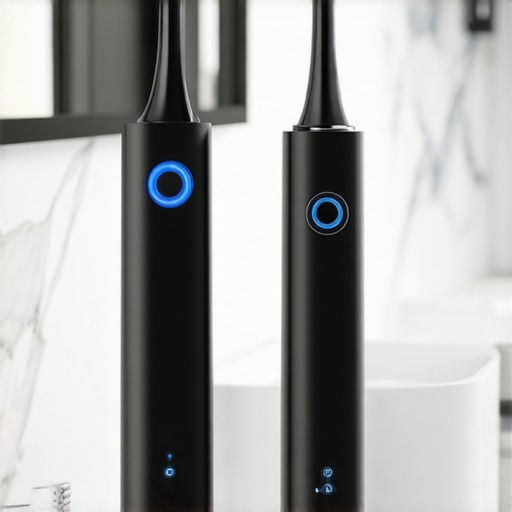
How do I keep my new smile from falling apart in five years?
The longevity of your dental work isn’t determined by the dentist; it is determined by your bathroom sink habits. You have to treat your gums like the foundation of a skyscraper. If the soil (your gums) gets soft or diseased, the building (your implant or veneer) is going to tilt. This is why I advocate for ‘active maintenance.’ This means using an alkaline mouthwash to neutralize acidity after meals and never, ever skipping the night guard. If you’ve spent the money on dental implants 2025 innovations that redefine comfort and durability, the last thing you want is to crack a porcelain crown because you were stressed about a deadline while you slept. It’s about creating a protective ecosystem. I even keep a dedicated travel kit so that my routine doesn’t break just because I’m on a plane. Consistency is the only thing that separates a ten-year result from a thirty-year result.
Predicting the era of the ‘smart’ dental implant
I’m calling it now: the next decade of dentistry isn’t just about better materials; it’s about data. We are moving toward a world where the future of dental implants cutting edge techniques in cosmetic dentistry will include ‘smart’ hardware. Imagine an implant with a built-in sensor that can detect early-stage bone loss or a bacterial infection before you even feel a twinge of pain. We already see the beginnings of this with AI-assisted treatment planning that predicts how your bite will shift over twenty years. It’s a complete shift from reactive to proactive care. If you are sitting on the fence about a procedure, don’t wait for a crisis. If you have questions about where to start, you should contact us to see what the modern landscape looks like for your specific jaw structure. Go check your bathroom cabinet right now—if you are still using a manual brush with splayed-out bristles, throw it in the trash and upgrade to a sonic model today. Your future self will thank you for the lack of dental bills.
The Invisible Mistakes I Made with My Jaw Health
Looking back at my journey from chronic headaches to comfort, I realized that I was overcomplicating the solution while ignoring the simple biology of my mouth. I used to ignore the early signs of tension because I thought it was just a byproduct of a busy life, but learning how to tell if your jaw clicking is a sign of TMJ early on would have saved me months of radiating pain. Another mistake was assuming that my teeth were the only things at risk; your jaw joint and facial muscles are all part of the same ecosystem. Finally, I learned that a professional fit is non-negotiable. A generic night guard from a drug store can actually do more harm than good by shifting your bite into an even more stressful position. Real relief comes from precision, not a one-size-fits-all approach.
The Toolkit That Saved My Enamel
I have narrowed down my daily routine to a few essential items that changed the way my mouth feels every morning. The Sonic Toothbrush: It removes plaque with high-frequency vibrations rather than the aggressive scrubbing that leads to gum recession. High-Pressure Water Flosser: This was an absolute game changer once I discovered the secret to flossing comfortably with a permanent retainer or dental bridge. Alkaline Mouthwash: It helps balance the pH in your mouth after you enjoy acidic drinks like coffee, which protects your natural enamel and your restorations. These aren’t just gadgets; they are the cosmetic dentistry secrets to boost your confidence by ensuring your dental investment stays pristine for years.
Take Back Your Mornings from Jaw Pain
You do not have to live with a persistent storm cloud hanging over your bedroom or a throb in your temples that dictates your mood. Science has evolved so much that whether you need a simple habit shift or a structural update using the future of dental implants cutting edge techniques in cosmetic dentistry, there is always a path toward comfort. Your health is a long-term project, and every small change—like mastering the ‘lips together, teeth apart’ rule—is a significant win for your future self. If you are ready to stop the grinding and finally wake up feeling rested, contact us today to see how modern dentistry can align your bite and restore your peace of mind. Have you ever woken up with a headache and realized your jaw was the secret culprit? Let me know in the comments below!