I remember standing in front of my bathroom mirror last year, clutching my favorite oversized mug, when the morning sunlight hit my teeth just right. It wasn’t pretty. My smile didn’t just look ‘off’; it looked like a yellow highlighter had met an old, beige wall. It was that flat, dingy sepia tone that makes you want to stop talking mid-sentence and hide behind your hand. For a coffee lover like me, it was a gut-punch realization that my two-cup-a-day habit was literally etching itself into my personality. I’d spent years perfecting my French press technique, but I never realized I was slowly turning my teeth into a cautionary tale. I tried to hide it for a while, perfecting the ‘lips-closed’ smirk in every family photo, but that just made me look grumpy.
Stop Letting Your Morning Brew Ruin Your Confidence
The problem isn’t actually the coffee itself—it is how we handle the aftermath. I used to think that brushing immediately after my last sip was the genius move, but I was actually sabotaging myself. I was essentially scrubbing the acid and tannins deeper into my enamel while it was in a softened state. If you have been wondering why your teeth look yellow despite using whitening toothpaste, you are likely stuck in that same cycle of ‘helpful’ habits that are actually doing damage. According to research from the American Dental Association, the high acidity in coffee can temporarily soften tooth enamel, which allows chromogens—those pesky color-producing compounds—to latch on more effectively. We are going to fix that today. I am going to show you exactly how I reclaimed my pearly whites without ever having to say goodbye to my caffeine fix.
Is professional whitening actually worth the hype?
Many people I talk to are terrified that the only real solution is to spend thousands on intensive procedures or suffer through the ‘zingy’ nerve pain of over-the-counter strips. I was right there with you. I used to think my only options were yellow teeth or extreme sensitivity. But the truth is, maintaining a bright smile is more about the daily mechanics and a few cosmetic dentistry secrets than it is about constant, aggressive bleaching. You don’t need to go overboard to see a massive difference in your mirror.
My Journey from Stained Enamel to a Sustainable Glow
Early on, I made the classic rookie mistake of thinking ‘more is better.’ I fell for a trendy social media ad and started whitening my teeth with activated charcoal every single night. I thought the black soot would magically pull out the stains like a magnet. Instead, I just wore down my protective enamel and made my teeth even more porous and susceptible to future staining. It was a total disaster that left my gums sore and my teeth looking even darker than before because the dentin was starting to show through. If you want to keep the caffeine but lose the grime, you have to change your approach. I found the secret to keeping white teeth while drinking morning coffee isn’t about restriction; it is about smart timing and a few clever lifestyle swaps. Have you ever looked at a recent photo and realized your smile has lost its luster because of your daily habits? You aren’t alone, and you definitely don’t have to choose between your morning energy and your self-esteem. We are going to dive into the specific routine that actually works to keep those stains at bay while protecting your enamel for the long haul.
Wait Sixty Minutes Before You Touch That Toothbrush
The first thing I had to unlearn was my instinct to scrub immediately. After that second cup of dark roast, my mouth always felt a bit fuzzy, and I wanted that acidic residue gone right away. I would grab my electric toothbrush and go to town, thinking I was being proactive. Big mistake. Because coffee is inherently acidic, it temporarily softens your enamel. Brushing right after finishing your mug is like using sandpaper on a wet piece of wood; you are essentially filing away your tooth’s natural protection. Now, I wait at least an hour for my saliva to naturally remineralize the surface. If you have been wondering why your teeth look yellow despite using whitening toothpaste, this single habit shift could save your smile from further thinning and permanent staining.
Swish Water Like Your Smile Depends On It
I started keeping a tall glass of water right next to my coffee mug as a non-negotiable rule. For every two sips of coffee, I take one meaningful swish of water. It is not just about staying hydrated; it is about mechanical rinsing. This prevents the tannins from sitting on your teeth long enough to bond with the enamel. I remember being at a high-end brunch with friends where I felt absolutely ridiculous swishing water after every sip of my cold brew. My friend Sarah even asked if I had something stuck in my teeth, but when I explained the secret to keeping white teeth while drinking morning coffee, half the table started doing it too. It is a simple buffer system that keeps the pH level in your mouth from tanking during your caffeine ritual.

Stop The DIY Experiments Before You Do Real Damage
I learned the hard way that natural ingredients are not always your friends. Before I started looking into real cosmetic dentistry secrets, I tried a DIY paste of lemon juice and baking soda I found on a forum. The acidity of the lemon combined with the abrasive baking soda felt like it was burning my gums. I woke up the next morning and could not even drink room-temperature water without a sharp, shooting pain in my front teeth. This is why family dentistry tips emphasize professional-grade products over kitchen-counter chemistry. If you have already caused structural damage through these myths, you might find that a veneers transformation is the only way to truly reset the clock on years of accidental erosion and staining.
When a Simple Routine Is Not Enough Anymore
Sometimes, the yellowing we see is not just a surface stain—it is the yellowish dentin showing through because the protective enamel has been worn too thin. In those cases, no amount of water-swishing or special toothbrushes will help. I have seen people try to aggressively over-whiten to compensate for this, which usually leads to the mistake that makes your teeth look too white and fake. If you are dealing with deep structural issues or even missing teeth from years of neglect, it is worth exploring how dental implants in 2025 are redefining what a natural-looking smile feels like. Whether you are deciding between veneers vs. crowns or simply trying to save the teeth you have, the goal is always a healthy foundation that looks like you, just on your very best day.
The Big Veneer Lie Most Influencers Tell You
Everyone seems to think that getting a cosmetic upgrade is a ‘one and done’ deal where you walk out with a bulletproof smile. In my experience, that is exactly where the trouble starts. The most common myth I hear is that veneers are completely maintenance-free. The truth is much more nuanced. If you don’t treat your porcelain with the same respect as your natural enamel, you are going to run into issues. I have seen so many people fall for the mistake that makes your teeth look too white and fake because they prioritize a ‘bleached’ look over natural translucency. According to a 2019 study published in the Journal of Dentistry, the longevity of these restorations depends heavily on the health of the supporting gingival tissue and the patient’s bite alignment, not just the quality of the ceramic itself.
Why Your New Smile Might Look Like a Row of Chiclets
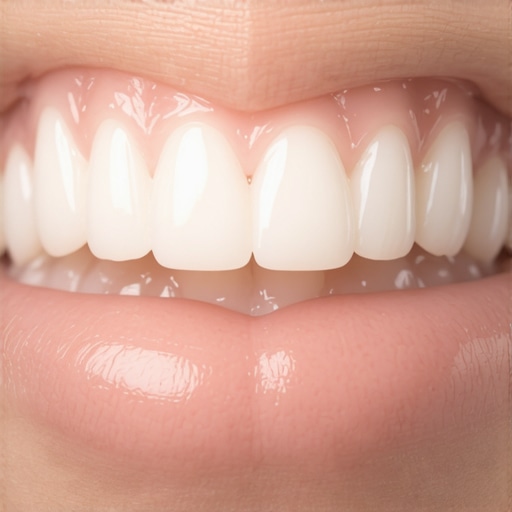
If you have ever seen someone whose teeth look like a flat, solid white block, you are seeing the ‘Oops’ factor in action. Natural teeth aren’t one solid color; they have gradients and light-reflecting properties. When people rush the process, they often end up wondering why your porcelain veneers look opaque and not natural. This usually happens because the lab didn’t use enough layers or the dentist didn’t preserve enough of the original tooth structure. Beyond the aesthetics, there is a physical trap: ignoring your bite. If your alignment is off, you will end up with chips or even worse—you might find why porcelain veneers sometimes cause sensitivity to cold drinks because the fit isn’t quite seamless at the gum line.
Can you skip the prep work and still get a perfect result?
This is the advanced question I get all the time. Many patients are desperate for ‘no-prep’ options because they are scared of losing their natural enamel. While it sounds great on paper, it often leads to ‘bulky’ teeth that trap bacteria. Professional transform your smile with veneers expert tips for perfect results usually involve some level of shaping to ensure the transition from porcelain to gum is flush. If you skip this, you’re creating a shelf where plaque can hide, leading to the very decay you were trying to avoid. Have you ever fallen into this trap or been told you could get a perfect smile without any prep? Let me know in the comments.
The Foundation Matters More Than the Porcelain
We often focus so much on the ‘front’ of the house that we forget the foundation. This is especially true when it comes to the future of dental implants cutting edge techniques in cosmetic dentistry. You can’t just slap an implant into a space where the bone has already receded significantly. I’ve talked to people who were frustrated that they couldn’t get an immediate fix, but the nuance is that bone grafting is often a necessary precursor to success. If you are looking for family dentistry tips that actually save you money in the long run, it is this: protect your bone and gum health today so you don’t need a total reconstruction tomorrow. Real expertise means knowing when to slow down and do the prep work right, rather than chasing a fast, fragile result.
Your Bathroom Counter Needs an Upgrade
Once you’ve made the leap into high-end dental work, you can’t go back to the basic $2 manual toothbrush you found in a travel bin. I learned quickly that the precision of my restorations required equally precise tools. I swear by my sonic toothbrush with a pressure sensor. Why? Because if you press too hard, you’re not just cleaning; you’re risking the margin where your porcelain meets your gum line. For those of us with permanent work, flossing comfortably with a permanent retainer or a bridge is the difference between a ten-year result and a two-year failure. I transitioned to a high-powered water flosser because it flushes out the micro-debris that traditional string simply can’t reach without snagging. If you are still using the same tools you used as a teenager, you aren’t protecting your investment.
How do I keep my investment looking brand new?
The secret isn’t just cleaning; it is the chemistry of what you put in your mouth. I moved away from abrasive ‘whitening’ pastes that use silica to scrub the surface. Instead, I use a non-abrasive gel that focuses on remineralization. According to Dr. Gordon Christensen, a world-renowned clinical researcher in the Journal of Esthetic and Restorative Dentistry, the longevity of dental restorations is directly linked to the management of the oral microbiome and the physical prevention of plaque buildup at the restorative margins. This means your daily family dentistry tips for a lifetime of healthy smiles are actually the most advanced bio-hacks you have. You need to treat your veneers or implants like fine jewelry—don’t use harsh chemicals, and don’t use them as tools to open packages.
The Tech That Sees What Your Eyes Miss
I used to get annoyed by the extra steps at the dentist’s office until I realized what was happening behind the scenes. When my doctor started using 3D imaging, it changed everything. There is a specific reason your Culpeper dentist uses CBCT scans instead of regular x-rays: it allows them to see the bone density around an implant in three dimensions. This level of detail ensures that if something is shifting or if there is a tiny pocket of inflammation, it is caught months before it becomes a painful emergency. If you aren’t sure which path is right for your structural needs, looking at veneers vs crowns which is right for your smile through the lens of a 3D scan makes the decision much clearer and safer.
Precision Is the New Standard for 2025
Looking forward, the industry is moving toward ‘Digital Twins.’ This is a trend I’m following closely where dentists create a digital map of your mouth to predict how your bite will change over the next decade. We are seeing how dental implants reshape your oral health in 2025 by using AI to guide the placement for maximum longevity. This isn’t science fiction; it is the current reality of high-tier care. My advice? Don’t wait for a toothache to start this process. If you want to see where your smile stands today, contact us to schedule a high-tech walkthrough of your oral health. Try swapping your manual floss for a water flosser for just one week—your gums will feel the difference immediately.
The Truth About the ‘Porcelain Life’ No One Mentions
After years of navigating the world of high-end dental care, I have realized that the most beautiful smiles aren’t the ones that are pampered in a vacuum; they are the ones that are protected during the daily grind. One thing no one tells you is that your bite alignment is just as important as the shade of your porcelain. If your teeth aren’t hitting correctly, even the most expensive veneers transformation can lead to chips or cracks. I also learned that sensitivity is not a ‘normal’ part of aging. If you feel a strange sensation, it is usually a signal that your enamel is thinning or your restoration needs a tweak. For example, understanding why your dental implant feels like it is vibrating slightly early on can save you from a major repair down the road. Finally, remember that your gums are the frame for your smile; if they aren’t healthy, the teeth will never look quite right.
My Daily Arsenal for a Low-Maintenance Glow
I have narrowed my routine down to a few essential tools that do the heavy lifting so I don’t have to. First, I traded my traditional string for a high-powered water flosser. It made a massive difference in how I manage the secret to flossing comfortably with a permanent retainer or any dental bridges. Second, I only trust clinics that prioritize data over guesswork. I always look for providers who use 3D imaging because the reason your Culpeper dentist uses CBCT scans instead of regular x-rays is to ensure your implants or crowns are placed with sub-millimeter precision. Lastly, I use a non-abrasive, pH-balanced mouthwash that keeps the oral microbiome in check without staining my dental work.
Stop Waiting for the Perfect Moment to Smile Again
It is so easy to fall into the trap of thinking you need to be ‘ready’ for a change, but the best time to reclaim your confidence is the moment you realize you’re hiding it. Whether you are adjusting your morning routine or looking into cosmetic dentistry secrets to level up your look, every small step counts. You don’t have to choose between your favorite dark roast and a bright, healthy smile; you just need the right system in place to protect your investment for the long haul. Your smile is the first thing the world sees—make sure it reflects how you actually feel inside. Have you noticed your morning coffee habit changing your smile’s shade lately? Let me know in the comments below!