I will never forget the moment I sat in my dentist’s chair, staring at the tiny resin samples and feeling like I was making a decision that would haunt me for the next decade. I chose the quick, budget-friendly composite option because I wanted an instant fix for a wedding. Eighteen months later, I was back in that same chair, staring at a chipped edge and a dull, stained surface that no longer matched the rest of my mouth. It was a classic case of looking at the short-term price rather than the long-term value, and it’s a mistake I see people make every single day in the world of cosmetic dentistry. We all want that Hollywood glow, but the path you take to get there—whether you choose transforming your smile with veneers or opting for a more conservative approach—determines how many times you’ll be paying for that same result over the next twenty years. Today, I’m pulling back the curtain on what actually happens to these materials after years of coffee, crunchy snacks, and real life.
How Long Will Your New Smile Actually Last?
When we talk about durability, it isn’t just about the material staying stuck to your tooth; it’s about whether it still looks good five years down the road. I learned the hard way that choosing the best option for your smile requires a realistic look at your lifestyle. If you’re a coffee lover like me, composite resin is basically a sponge for stains compared to the glass-like surface of porcelain. According to the American Academy of Cosmetic Dentistry (AACD), porcelain is highly resistant to staining and can last up to 15 years, while composites often begin to wear down or discolor in as little as five. My biggest mistake was assuming I could treat my composite veneers like natural teeth. Have you ever felt the frustration of a cosmetic fix failing just when you thought you were done with the dentist?
Is the extra cost for porcelain really worth the hype?
The skepticism is real—why pay double for something that looks similar on day one? The truth lies in the chemical makeup. Porcelain is a ceramic that mimics the light-reflecting properties of natural enamel, which is why it helps avoid that “fake” look. If you have ever wondered why your veneers feel bulkier than your natural teeth, it often comes down to the material thickness and how it’s applied. Porcelain allows for a much thinner, stronger layer that doesn’t just sit on top of the tooth but becomes part of it. We are going to dive deep into the specific structural differences that make one material a marathon runner and the other a sprinter.Thinking of your teeth like a precision engineering project changes the way you view cosmetic dentistry. When I finally decided to fix my chipped composite, I realized that my dentist wasn’t just ‘fixing a tooth’; they were rebuilding a structural foundation.
Stop Flying Blind with Old School X-Rays
If you want a result that doesn’t fail in two years, the preparation must be flawless. Many people think a standard 2D x-ray is enough, but the reason your Culpeper dentist uses CBCT scans instead of regular x-rays is to see the density of your jawbone and the exact positioning of roots. Treating a tooth without this 3D map is like a pilot trying to land in a storm without radar—you might get there, but the risk of a crash is unnecessarily high. This is especially true if you are integrating the future of dental implants into your smile makeover.
Ditch the Glow-In-The-Dark White
I once saw a friend get a full set of veneers that were so bright they practically glowed in a dimly lit restaurant. It was a classic case of the mistake that makes your teeth look too white and fake. To avoid this, you need to master the art of translucency.
Work with the Light Not Against It
Natural teeth aren’t solid blocks of color; they are layered. When you are learning how to pick the right shade for your new porcelain veneers, look at the edges of your existing teeth. They should be slightly clear. If your new material doesn’t have that slight transparency, it will look like plastic. This is also the reason your veneers look different in sunlight compared to bathroom lighting. Porcelain mimics this depth perfectly, whereas composite often falls flat. 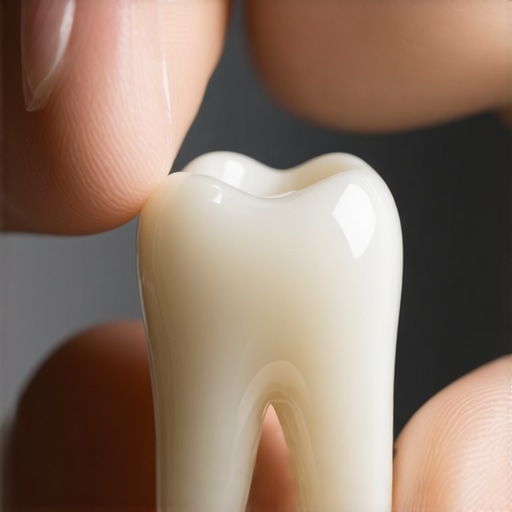
Give Your Veneers a Strong Neighbor
You can’t build a luxury skyscraper next to a crumbling shack and expect the neighborhood to thrive. If you have missing teeth in the back, the extra pressure on your front veneers will cause them to snap. I learned this the hard way when my molar gap caused my front veneer to chip three times. This is where dental implants 2025 innovations come into play. By replacing the missing foundation, you distribute the bite force evenly.
Listen to the Feedback Your Mouth Gives You
Sometimes, a new restoration feels ‘off.’ If you’ve ever wondered why your dental implant feels like it is vibrating when you chew, it is usually a sign that the crown isn’t seated perfectly or the bite is misaligned. Don’t ignore these sensations. A ‘vibration’ or a ‘click’ is your body’s way of telling you that the engineering is slightly out of spec.
Maintain the Polish Without the Scratches
Once your smile is set, the maintenance phase begins. Think of porcelain like the paint on a high-end sports car—you wouldn’t wash a Ferrari with a wire brush. You must learn how to maintain your white smile after a coffee habit by using non-abrasive polishes. Most ‘whitening’ toothpastes are actually like sandpaper, which is great for natural enamel but terrible for the glazed surface of a veneer. If you scratch that glaze, the stains will move in and stay forever.Many people assume that cosmetic work is purely aesthetic—a surface-level upgrade. But here is the contrarian truth: the most beautiful veneers in the world will fail within two years if your occlusion, or your bite, isn’t perfectly calibrated. I have seen patients spend thousands on veneers transformations only to have them pop off because they did not address underlying grinding issues. It is a common trap to think a new smile fixes old habits. If you are waking up with a sore jaw, you might need to learn how to stop clenching your jaw before you even sit in the cosmetic chair.
What happens if I have bone loss but still want implants?
This is the advanced question that separates a standard consult from an expert one. The oops factor here is rushing into surgery without realizing the reason your dental implant surgery requires a bone graft. According to a study published in the Journal of Prosthetic Dentistry, the success rate of implants is significantly higher when the bone density is meticulously assessed via 3D imaging first. If you try to anchor a titanium post into soft bone, it is like trying to screw a bolt into drywall without an anchor—it will eventually wobble. This is also why the truth about getting dental implants if you have existing bone loss is so critical to understand. 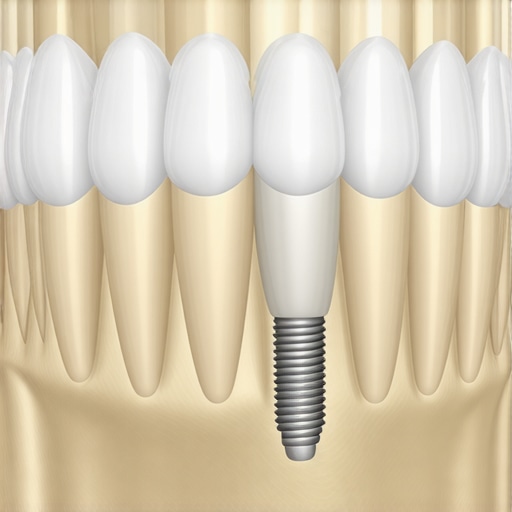 Another nuance people miss is the neighboring tooth effect. If you are looking at family dentistry tips, you will see that a single missing tooth affects the alignment of every other tooth. Ignoring a gap while getting veneers is a recipe for disaster because it leads to uneven pressure. I have seen this cause dental implant crowns to feel slightly wiggly because the surrounding teeth shifted. We often focus so much on the cosmetic dentistry secrets that we forget the biology of the jaw. Have you ever fallen into the trap of choosing speed over structural integrity? Let me know in the comments.
After years of trial and error, I have realized that the ‘set it and forget it’ mentality is the fastest way to lose a twenty-thousand-dollar smile. I have become a complete nerd about my home-care toolkit because, frankly, the standard drug-store toothbrush isn’t enough when you have high-end porcelain in your mouth. Most people stick to basic manual flossing, but when you are managing complex work, you need tools that can reach the ‘micro-gaps’ where bacteria love to hide. I personally use a Waterpik Aquarius on the lowest setting twice a day. Why? Because manual floss can occasionally snag on the edges of a bridge or an implant crown, but pressurized water clears the debris without any mechanical friction that might stress the bonding agent.
Ditch the Manual Brush for These Precise Tools
I also strictly use GC Tooth Mousse Plus. This isn’t a standard toothpaste; it is a topical creme that uses RECALDENT technology to remineralize the natural tooth structure around your restorations. A specific technical report in the Journal of Oral Implantology highlights that maintaining a neutral pH is the single most important factor for the longevity of the metal-to-bone interface. If your mouth becomes too acidic, you risk the very foundation of your implants. This is why I also suggest incorporating family dentistry tips for a lifetime of healthy smiles into your daily routine, as even one neglected tooth can cause a chain reaction of decay that threatens your cosmetic work.
How do I maintain my dental implants and veneers over the long haul?
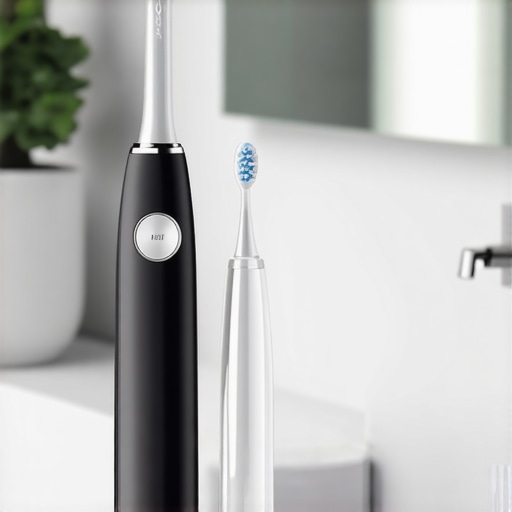
The secret is in the soft touch. If you have gone through a full veneers transformation, your worst enemy is abrasive grit. Many ‘whitening’ toothpastes are rated high on the RDA (Relative Dentin Abrasivity) scale, which means they act like sandpaper on your veneers. I recommend a sonic toothbrush with a built-in pressure sensor. If you press too hard, the brush slows down, preventing you from wearing away the gum line or the protective glaze of the porcelain. Furthermore, if you wear a night guard to protect your investment from grinding, you must learn how to clean your night guard without damaging the material. Using harsh effervescent tablets can actually make the plastic porous, allowing it to harbor more bacteria against your teeth while you sleep.
Your Mouth Needs a Digital Blueprint
Looking ahead, the next big shift in keeping these smiles working is the ‘Digital Twin.’ I predict that within the next few years, every patient will have a 3D digital map of their mouth updated annually. This isn’t just about aesthetics; it’s about tracking how your bite force changes as you age. We are already seeing how how dental implants reshape your oral health in 2025 by providing data-driven insights into bone density changes. By comparing scans from year to year, your dentist can spot a millimetric shift in your jaw before it causes a veneer to crack. This level of precision is the cornerstone of the future of dental implants, where we stop reacting to failures and start predicting them. Pro Tip: Check your mouthwash label today. If it contains alcohol, stop using it immediately. Alcohol dries out the oral tissues and can weaken the resin cements used in veneers over time. Switch to a pH-neutral, alcohol-free rinse to keep the environment stable.
Lessons from the Dentist’s Chair You Won’t Find in a Brochure
Reflecting on my own path, the most vital realization was that cosmetic dentistry isn’t a one-and-done purchase; it’s a partnership between you and your provider. I learned that ignoring a minor bite misalignment is like leaving a loose bolt on a bridge—eventually, the whole structure pays the price. Another lightbulb moment was understanding that natural-looking teeth have imperfections; the ‘perfect’ smile is actually the one that fits your facial structure, not a cookie-cutter template from a magazine. Finally, I discovered that the best cosmetic dentistry secrets aren’t about the newest trends, but about the timeless principles of oral health and structural stability.
The Care Kit That Kept My Smile Pristine
To keep your investment looking as sharp as it did on day one, I swear by a few specific resources and tools. First, the American Academy of Cosmetic Dentistry (AACD) is my go-to for checking the credentials of any specialist. For daily maintenance, I trust the combination of a sonic toothbrush with a pressure sensor and a high-quality water flosser to protect the margins of my dental work. If you are still weighing your options, I highly recommend reviewing the pros and cons of veneers vs crowns to ensure you are selecting the foundation that matches your lifestyle. If you ever feel overwhelmed, don’t hesitate to contact our team for personalized guidance.
#IMAGE_PLACEHOLDER_E#
Ready for the Mirror to Match Your Energy?
Your smile is often the first thing people notice, but more importantly, it’s a reflection of how you feel inside. Taking the time to research, choose the right materials, and commit to a lifetime of healthy smiles is one of the kindest things you can do for your future self. You deserve to walk into every room with a level of confidence that doesn’t just come from porcelain, but from knowing you made an informed, lasting decision for your health. Have you ever felt that a quick dental fix ended up costing more in the long run? Let me know your thoughts in the comments below!