There I was, halfway through a slice of artisan sourdough, when I felt that unmistakable, sickening *clink* against my teeth. I knew it wasn’t the crust. I’d just lost a filling, and suddenly, the best meal of my week turned into a frantic tongue-probing mission in a dimly lit restaurant. If you’re reading this while hiding in a bathroom stall or clutching your cheek at the table, take a deep breath. I’ve been in your shoes more times than I’d like to admit, including the time I tried to ignore a lost filling for three days only to end up needing much more than a simple patch-up. Today, I’m going to walk you through exactly how to handle this without losing your mind or your tooth. Have you ever felt that sudden, sharp gap in your smile and wondered if your dinner plans were officially ruined? [IMAGE_PLACEHOLDER]
Stop Panicking and Take These Immediate Steps
The first thing you need to do is find the filling if you haven’t swallowed it. While it’s usually not reusable, it helps your dentist see what went wrong. When I made the mistake of ignoring a missing filling because it didn’t hurt immediately, I ended up with a massive infection. Don’t be like younger me. Even if you aren’t in agony, that exposed inner tooth is vulnerable to every bacteria in your mouth. According to the American Dental Association, dental emergencies like lost fillings or crowns are among the most common reasons for unscheduled visits, and timing is everything to prevent further decay. If you’ve also had issues with other dental work, you might want to check out what to do when a veneer pops off as the immediate steps are surprisingly similar. Wash your mouth out with warm salt water to clear away food debris and keep things as clean as possible until you can call your trusted family dentist for an appointment.
Can I just wait until my next cleaning to fix this?
This is the big question everyone asks because, let’s be real, nobody wants to pay for an emergency visit. The short answer is a hard ‘no.’ A lost filling leaves the sensitive dentin and nerves of your tooth completely exposed to the elements—and by elements, I mean coffee, sugar, and bacteria. I once thought I could ‘tough it out’ because I was busy with work, but the air hitting that open spot was enough to make me see stars. If the pain starts to ramp up before you can get to the clinic, you can look into ways to manage intense dental pain at home using temporary measures like oil of cloves or over-the-counter kits, but these are just Band-Aids. You might even worry that your tooth is too far gone, but modern cosmetic dentistry offers so many ways to restore your smile seamlessly. We need a permanent solution to keep that smile intact, and that starts with knowing what happens if you leave that hole wide open for too long.
Seal the Gap Before Bacteria Moves In
Think of your tooth as a high-security vault that just had its front door kicked in. The enamel and the filling were the steel plates keeping the sensitive pulp and nerves safe. Now that the door is wide open, every sip of water or bite of food is a potential intruder. If you can’t get to the clinic immediately, your first mission is to create a temporary barrier. I remember a Saturday morning in the middle of a hiking trip when my filling popped out after one bite of a granola bar. I didn’t have a pharmacy nearby, so I used a tiny bead of orthodontic wax to plug the hole. It wasn’t perfect, but it stopped that agonizing zing of cold air every time I breathed. If you have access to a drugstore, look for a temporary dental repair kit. These usually contain a pliable material like zinc oxide that you can press into the cavity. It’s a much more reliable version of my ‘trail fix’ and functions similarly to how to stop a permanent crown from falling out or shifting before your appointment. Just make sure the area is as dry as possible before you apply the material, otherwise, it won’t stick, and you’ll end up swallowing it with your next glass of water. 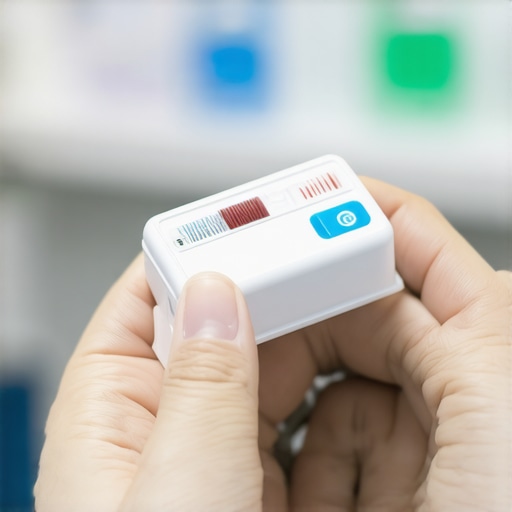
Stop Chewing on the Danger Side of Your Mouth
This seems like common sense, but habit is a powerful thing. You will subconsciously try to use that tooth, and that is where the real trouble starts. When a filling is gone, the structural integrity of the tooth is compromised. It’s like a bridge missing a central support beam; it might look okay, but a heavy load will make it crumble. I learned this the hard way when I thought I could ‘carefully’ eat on my left side, only to have a tiny piece of the remaining tooth wall snap off. This is why you should never overlook the danger of ignoring a small chip on your molar. Until you are sitting in that dental chair, treat that side of your mouth as a strictly ‘no-fly zone.’ Stick to soft foods like yogurt, mashed potatoes, or lukewarm soup. Avoid anything crunchy, sticky, or extremely hot or cold. If the tooth feels sharp to your tongue, that temporary wax or dental cement is a lifesaver to prevent you from slicing your cheek open while you talk.
Prepare for the Dentist’s Final Verdict
Once you finally get into the office, the solution might be more involved than just a new filling. If the cavity has grown or the tooth has cracked, your doctor might discuss veneers vs crowns: choosing the best option for your smile. A crown is often the go-to for a tooth that has lost a significant amount of structure because it ‘caps’ the tooth and protects it from further pressure. If the damage is deep, you might even be looking at a root canal. If you find yourself in a situation where the tooth is completely unsalvageable, don’t panic—but don’t wait either. Understanding the risk of leaving a missing tooth unreplaced for years is vital, as it can lead to bone loss and shifting teeth. Whether it’s a simple patch-up or a full restoration, the goal is to get that ‘vault’ sealed again so you can get back to enjoying your artisan sourdough without fear.When the dentist starts talking about materials to replace your lost filling, most of us just nod and hope for the fastest or the most affordable fix. But here is the nuance: ‘strongest’ is often a trap. Everyone says Zirconium is the ultimate choice because it is virtually indestructible, but in my experience, choosing a material that is too hard can actually destroy your natural teeth on the opposite jaw. It is like using a diamond-tipped hammer to tap a nail into drywall; eventually, the drywall—your natural enamel—gives way. If you have noticed that your porcelain veneer feels rough to your tongue or your bite feels ‘off’ after a repair, it is often because the material was not properly calibrated to your natural bite force.
Why the whitest shade is not always the best choice
There is a huge mistake that makes your teeth look too white and fake, and it is usually driven by the patient, not the doctor. We see celebrities with blindingly white smiles and want the same. However, natural teeth have varying levels of translucency. When you ignore that, you end up with a smile where the porcelain veneers look opaque and not natural. Real expertise in cosmetic dentistry involves matching the subtle gradients of your natural teeth. If you do not, you might find that your porcelain veneers feel bulky at first because the lab had to use thicker, more opaque material to hide the underlying tooth color. 
The Foundation Matters More Than the Porcelain
We often treat a lost filling or a cracked tooth as a surface-level problem, but the real ‘hidden nuance’ is the bone and gum health underneath. According to a study in the Journal of Prosthodontic Research, the long-term success of any restoration, from a crown to a bridge, is significantly higher when the biological width—the space between the restoration and the bone—is strictly respected. If you are looking at more permanent fixes, you have to consider the truth about the lifespan of a dental implant. It is not just about the titanium screw; it is about the ‘soil’ it is planted in.
How do I know if my jaw is strong enough for an implant?
This is the advanced question that separates a quick fix from a lifetime solution. Many people are told they are not candidates for certain procedures, but the truth about getting dental implants if you have existing bone loss is that modern grafting techniques have changed the game. You do not just ‘lose’ a tooth; you lose the mechanical stimulus that keeps your jawbone alive. This is why family dentistry is not just about cleanings; it is about monitoring that bone density over decades to ensure your foundation is ready for whatever life throws at it. Have you ever fallen into the trap of picking a treatment based on the price tag only to have it fail a year later? Let me know in the comments.Once the immediate crisis of a lost filling is solved, the real game begins: the long-term maintenance. I used to think a regular toothbrush was enough, but after diving into the research from the Clinicians Report by Dr. Gordon J. Christensen, I realized that the type of home care equipment you use determines whether a restoration lasts five years or twenty. Specifically, using a high-frequency sonic toothbrush isn’t just about the ‘clean’ feeling; it’s about the fluid dynamics that reach under the margins of your dental work where a manual brush simply can’t go. If you are currently wearing aligners to fix your bite, you should also know how to remove stains from clear aligners without scratching them, as those micro-scratches are breeding grounds for the very bacteria that cause secondary decay under your expensive new fillings. 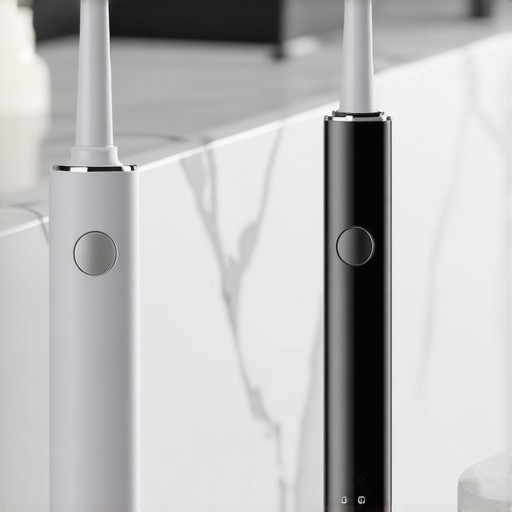
What the Next Five Years of Dentistry Look Like
I truly believe we are entering a golden age of ‘Bio-Integration’ in the world of family dentistry. We are moving away from just ‘fixing’ things and toward ‘enhancing’ them with tech that mimics nature. We are already seeing the future of dental implants shifting toward bioactive coatings that actually signal your body to speed up healing. It’s no longer just a screw in a bone; it’s a smart device that integrates with your physiology. We are seeing similar leaps in dental implants 2025 innovations where digital planning allows for a perfect fit that used to take months of guesswork. This precision is exactly what you need to ensure your veneers transformation doesn’t just look good in photos but feels natural when you eat.
How do I keep my new smile from wearing down?
The biggest threat to your cosmetic dentistry work isn’t coffee or wine—it’s your own jaw muscles. Stress manifests in the mouth, and I’ve seen more beautiful dental work ruined by nocturnal grinding than by actual decay. You might think you can skip it, but the risk of skipping your night guard for just one week is that you start micro-fracturing the porcelain or the bonding material. Learning how to stop clenching your jaw during the workday is an advanced skill that will save you thousands of dollars in repairs later. My top tip? Set a ‘jaw check’ reminder on your phone every two hours. If your teeth are touching, you’re clenching. Your teeth should only touch when you’re chewing. Give this a try for 48 hours and notice how much less fatigued your face feels. It’s the ultimate free tool for maintaining a perfect result for decades.
Three Truths About Keeping Your Smile Intact That Most People Ignore
Over the years, I’ve learned that a lost filling is rarely an isolated incident; it’s usually a signal that something in your oral ecosystem has shifted. First, remember that even the most advanced materials have a lifespan, and ignoring the tiny ‘catch’ you feel with your tongue can lead to a much larger problem. Second, your bite is dynamic. If you’ve recently had work done and it feels high, it will eventually cause a fracture. Third, deciding between veneers vs crowns choosing the best option for your smile often comes down to how much natural tooth structure you have left after an emergency. If a tooth is lost entirely, exploring the future of dental implants can help you understand how to restore function perfectly. Always prioritize the long-term health of the root over a quick cosmetic fix.
#IMAGE_PLACEHOLDER_E#
My Personal Toolkit for a Lifetime of Healthy Smiles
I don’t leave my dental health to chance anymore. My daily routine involves a high-frequency sonic toothbrush that I trust to vibrate away plaque in those hard-to-reach margins. I also keep a small container of emergency dental cement in my travel toiletry bag—it’s saved me twice on international trips where a dentist wasn’t immediately available. Most importantly, I follow the family dentistry tips for a lifetime of healthy smiles by scheduling biannual checkups to catch failing margins before they become ‘lost filling’ stories. These small investments in gear and time are what keep your cosmetic dentistry secrets to boost your confidence looking fresh and functional for decades.
Don’t Let a Small Hole Become a Big Regret
The moment that filling hits the floor, the clock starts ticking. But here is the good news: modern techniques mean that even a significant break can lead to a stunning veneers transformation or a perfectly matched crown. You have the power to turn a dental disaster into an opportunity to strengthen and beautify your smile. Take action today, call your provider, and get that ‘vault’ sealed back up. Your smile is your most important asset—treat it with the care it deserves. Have you ever had a filling pop out at the worst possible moment? Let me know how you handled it in the comments below.