The sound was unmistakable—a sharp, sickening click right against my jawbone while I was innocently enjoying a handful of trail mix. One minute I am laughing at a joke, and the next, I am fishing a jagged piece of enamel out of my mouth with a trembling hand. The panic is real. Your tongue won’t stop fluttering over the sharp edge, and every breath of air feels like a lightning bolt hitting your nerve. I have been there, and I know that frantic feeling of wanting to fix it right now. Years ago, I made the mistake of thinking I could just wait a few weeks since it didn’t hurt much at first, but I quickly learned the hard way about the danger of ignoring a small chip on your molar. That little delay turned a simple fix into a much more expensive ordeal. Today, I want to share the exact steps I took the second time it happened to keep the situation under control until I could get into the chair. We are going to talk about pain management, protecting your tongue, and how to keep the area clean so you do not end up with an infection on top of a fracture. Have you ever experienced that heart-sinking moment where you realize your tooth just gave way during a meal?
Stop the Panic and Secure the Site Immediately
Believe me, I know the first instinct is to poke at it. Do not do that. When my front tooth suffered a hairline fracture, my biggest concern was how I would look at work the next day. If you are in that boat, you might eventually look into how to fix a cracked front tooth with cosmetic bonding, but for the next few hours, your priority is preservation. The American Association of Endodontists notes that while a cracked tooth cannot heal like a broken bone, early treatment significantly increases the chance of saving the natural tooth. My first move is always a warm salt water rinse. It sounds old-fashioned, but it’s the best way to keep bacteria out of the fresh crack. Then, I grab some dental wax or even sugarless gum in a pinch to cover those sharp edges so I don’t slice my cheek open. If you have a regular provider you trust for family dentistry, call them the moment they open. Even if the pain subsides, the structure is compromised, and you do not want to risk further damage while you sleep.
Is a cracked tooth really a drop-everything emergency?
Not every crack requires a midnight trip to the ER, but you should never treat it like a ‘wait and see’ situation. If you have swelling or a fever, that is a different story—you need to contact us or your local professional immediately. My early mistake was assuming that no pain meant no problem. In reality, a crack is an open door for decay to reach the soft pulp inside. By the time it actually hurts, you might be looking at a root canal instead of a simple filling. Think of these next few hours as ‘damage control’ mode. You are protecting your investment and your health until the pros can take over. Let’s dive into the literal toolkit you should have in your bathroom cabinet for these exact moments.
Shield your tongue from those jagged edges
My tongue is like a curious toddler; it simply cannot stay away from a new texture in my mouth. When I chipped my molar, I spent the first hour incessantly rubbing the tip of my tongue against the sharp enamel until it was raw and bleeding. Don’t repeat my mistake. Grab a pack of orthodontic wax from any local pharmacy. It works like a tiny, pliable bandage that blunts the edge. I remember once applying a glob of wax before a high-stakes dinner date; even though it felt like I had a piece of gum stuck to my tooth, it prevented me from lisping and kept the pain at bay. If the sensation of the wax bothers you, just remember that the reason your porcelain veneer feels rough to your tongue later might just be a minor adjustment issue, but right now, a rough natural tooth is a literal cutting hazard.#IMAGE_PLACE_HOLDER_B#
Eat like a toddler for the next 48 hours
This is not the time to test your jaw strength on a crusty baguette or a bowl of popcorn. Think of your cracked tooth like a windshield with a tiny star-shaped fracture; one good ‘pothole’ (or a hard almond) and that crack will spiderweb across the entire surface. Stick to yogurt, mashed potatoes, and lukewarm soups. Avoid anything extremely hot or cold, as the crack often exposes the nerve, making you hyper-sensitive. I learned this the hard way when I tried to ‘power through’ a frozen smoothie and felt a zap of electricity shoot straight into my brain. If you are unsure what’s safe, look at what to eat when your braces are first put on and your mouth is sore for a perfect grocery list of soft-food staples.
Know your repair options before you sit in the chair
When you finally get into the office, the dentist is going to give you choices based on how deep the damage goes. If it’s just a surface chip, you might get away with cosmetic bonding. However, if the structure is compromised, you’ll likely face the choice between a protective cap or a shell. It helps to understand veneers vs crowns which is right for your smile before the pressure is on. A crown acts like a helmet, protecting the entire tooth from further splitting, while a veneer is more like a decorative shield for the front. In cases where the crack has traveled below the gumline, you might even be looking at a replacement. Innovations like how dental implants reshape your oral health in 2025 show that even a lost tooth isn’t the end of the world. Even if you are older, the reality of getting dental implants after age seventy is that they are more successful and comfortable than ever before. Your job now is to keep the site clean and stable so those advanced tools can actually do their work.One of the biggest misconceptions I see people carry into the dental office is the ‘refrigerator white’ goal. There is a specific the mistake that makes your teeth look too white and fake: ignoring the natural translucency of enamel. If your veneers or crowns are a solid, opaque block of white, they look like plastic, not teeth. I’ve learned that the most beautiful smiles aren’t the brightest ones, but the ones that match the whites of your eyes and your skin tone. Let’s talk about the ‘oops’ factor of bone density. Many patients are told they aren’t candidates for implants because they waited too long after an extraction. However, the truth about getting dental implants if you have existing bone loss is that modern grafting techniques and tilted implant placements mean almost anyone can regain their smile. It’s not a ‘no,’ it’s just a ‘not yet’ until the foundation is rebuilt. 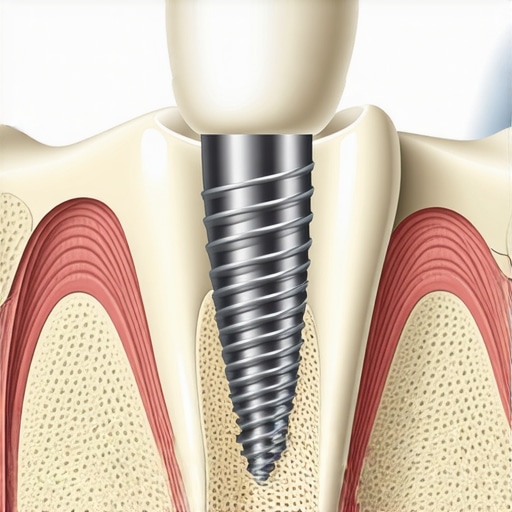
Avoid the ‘Chiclet’ look by choosing the right shade
When designing a new smile, the nuance lies in the gradients. Natural teeth are darker near the gumline and more translucent at the biting edge. If you opt for ‘monolithic’ porcelain without these subtleties, you fall into the trap of a ‘denture-like’ appearance. Professional veneers transformation involves custom shading that mimics how light passes through organic enamel.
Bone loss doesn’t have to disqualify you from implants
While many assume that a thinning jawbone is a permanent barrier, a study in the Journal of Prosthodontic Research indicates that advanced bone augmentation has a success rate that rivals primary implant placement. The ‘trap’ here is assuming you can’t be helped without getting a second opinion from a surgeon who specializes in how dental implants reshape your oral health in 2025.
Can a standard filling really fix a deep fracture?
Often, patients ask if they can just ‘patch’ a crack with a regular composite filling. While how to fix a cracked front tooth with cosmetic bonding works for minor aesthetic chips, it doesn’t provide structural support. The mechanical load on molars is too high for simple bonding; you need a full-coverage crown to prevent the tooth from splitting like a log under a wedge. Another hidden nuance is that dental implants are not ‘set and forget.’ I’ve seen cases where why your dental implant crown feels loose after years of use because people stop flossing, thinking a titanium post can’t get ‘infected.’ It can. Peri-implantitis is real, and it’s the number one killer of expensive restorations. You have to treat your restoration with more care than your natural teeth, not less. When I first started exploring cosmetic dentistry secrets to boost your confidence, I assumed once the veneer was on, the job was done. That is a dangerous trap. Veneers are shells, and the natural tooth underneath is still susceptible to decay. If you don’t maintain a strict routine with your family dentistry provider, that beautiful porcelain can hide a cavity until it’s too late. The truth about the lifespan of a dental implant is that it’s theoretically ‘forever,’ but only if your gums stay healthy. Have you ever fallen into the trap of thinking a dental fix was a permanent, indestructible solution? Let me know in the comments.The hard truth is that even the best dental work can fail if you treat it like a ‘one and done’ purchase. I learned this the hard way when I realized that my expensive new crown required a different cleaning technique than my natural molars. If you think your job is finished once the anesthesia wears off, you are setting yourself up for a very expensive second round. To keep your results pristine, you need a specialized toolkit and a routine that goes beyond basic brushing.
Pack your bathroom cabinet with these pros’ secrets
The single most important tool I’ve added to my routine is a high-quality water flosser, specifically one with a ‘plaque seeker’ tip. This isn’t just for people with braces. If you have implants or bridges, standard string floss often can’t reach the tiny crevices where the prosthetic meets the gumline. According to a study published in the Journal of Clinical Periodontology, mechanical plaque control is the absolute baseline for preventing peri-implantitis, a condition that can cause your body to reject an implant. If you’re struggling to navigate around wires or hardware, learning the secret to flossing comfortably with a permanent retainer can save you hours of frustration and prevent localized gum disease. I also swear by interproximal brushes—those tiny ‘Christmas tree’ brushes—to clear out the gaps that a standard toothbrush simply skips over.
Stop the vibration and wiggle before they start
One of the most unsettling feelings is when a restoration starts to feel ‘off.’ I remember panic-spiraling because I felt a slight movement in my jaw, only to realize later that the reason your dental implant feels different than a natural tooth is because it lacks the periodontal ligament that acts as a shock absorber. However, ‘different’ shouldn’t mean ‘loose.’ To prevent structural failure, you must address bruxism. If you grind your teeth at night, you are essentially hammering your investment into the ground. I never sleep without a custom-fitted night guard. Do not risk the risk of skipping your night guard for just one week, as even a few nights of heavy clenching can micro-fracture the porcelain on your veneers or loosen the screw inside an implant abutment. 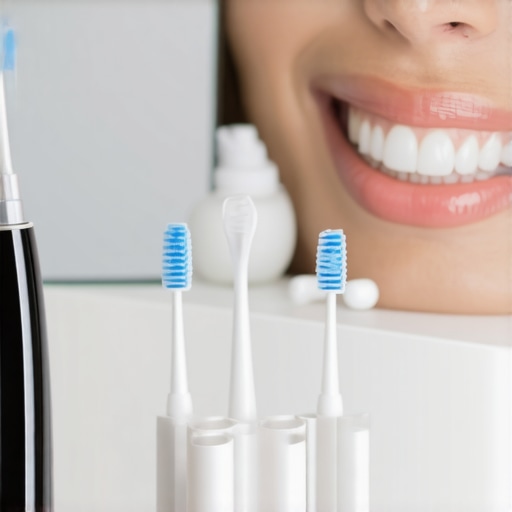
How do I keep my new smile looking fresh for ten years?
The longevity of your smile comes down to three things: acid control, physical protection, and professional oversight. I’ve switched to a high-alkaline mouthwash to neutralize the acids from my morning coffee, which helps prevent the ‘leaking’ margins that cause cavities under crowns. Looking ahead, I predict we will soon see ‘smart’ toothbrushes with built-in AI sensors that can detect early signs of porcelain wear or gum recession before you even feel it. We are already seeing this shift with dental implants 2025 innovations that redefine comfort and durability, where materials are becoming more bio-adaptive. For now, the best thing you can do is maintain a strict schedule with your family dentistry provider. They can spot the tiny ‘vibrations’ or shifts that indicate a loose crown before it becomes a midnight emergency. My advanced tip for you today: Buy a pack of interproximal brushes and use them just once a day in the gaps between your restorations. You will be shocked at what your ‘perfect’ brushing routine has been leaving behind. If something feels slightly off today, don’t wait for it to hurt—contact us to get it checked before a minor adjustment turns into a major replacement.
Secrets to keeping your natural teeth for a lifetime
After years of navigating everything from sudden chips to full replacements, I’ve realized that the most expensive part of dental work isn’t the procedure—it’s the maintenance afterward. One ‘lightbulb moment’ for me was realizing that a crown or veneer isn’t just a cosmetic shield; it’s a functional part of your bite that requires checking. If you feel a strange sensation, such as why your dental implant feels like it is vibrating when you chew, it is often your jaw’s way of signaling a need for a minor realignment. I also learned that you can often how to fix a small gap between teeth without using braces, but only if you commit to wearing your retainers every single night to prevent the bone from shifting back.
The gear I use every single morning
I trust these specific tools because they have kept my own dental bills at zero for the last five years. First, a high-quality water flosser with a specialized tip is non-negotiable for anyone with dental hardware. It reaches the microscopic crevices that traditional string simply cannot touch. Second, I always refer back to transform your smile with veneers expert tips for perfect results to ensure my cleaning technique isn’t too abrasive for the porcelain. Finally, a pH-balanced mouthwash is my secret weapon for neutralizing acids that would otherwise erode the enamel around my crown margins. #IMAGE_PLACEHOLDER_E#
Your smile is an evolving masterpiece
Dental health is never a ‘set it and forget it’ situation; it is a continuous journey of care and refinement. Whether you are currently triaging a cracked tooth or looking into the future of dental implants cutting edge techniques in cosmetic dentistry, remember that you are in control of the outcome. Modern cosmetic dentistry has made it possible to restore not just your appearance, but your confidence and your health. Don’t let the fear of a long process stop you from taking the first step today. Have you ever had a dental ’emergency’ that actually led you to a much better oral health routine? Let me know your story in the comments below.