I will never forget the dull, internal ‘tink’ sound that echoed in my jaw while I was eating a piece of sourdough bread last summer. It wasn’t painful. In fact, it felt like nothing more than a tiny grain of sand had suddenly appeared in my mouth. I used my tongue to investigate and found a sharp, jagged edge on my lower left molar. Like most people who have a million things on their to-do list, I made a classic mistake: I ignored it. I figured as long as it didn’t hurt when I drank cold water or chewed, I was in the clear. Six months later, that ‘non-issue’ turned into a localized infection and a bill that made my eyes water. We are going to talk about why that little flake of enamel is actually a structural emergency in disguise and how you can avoid the nightmare I went through.
The deceptive silence of a damaged tooth
It is easy to assume that your teeth are like rocks—solid, invincible, and permanent. But once that outer layer of enamel is breached, the clock starts ticking. I thought I knew how to handle a chipped tooth until you see a dentist, but my strategy of ‘just being careful’ was a total failure. Enamel doesn’t grow back. When a piece goes missing, the softer, more porous dentin underneath is exposed to everything you eat and drink. Even if you are careful, you are essentially inviting bacteria to set up shop in a place they were never meant to reach. This is often where people start looking into cosmetic dentistry secrets to boost your confidence, but it is about more than just looks; it is about saving the root.
Will this little crack actually cause a disaster?
You might be thinking, ‘It is just a tiny chip, surely it can wait until my next cleaning?’ That skepticism is exactly what led me to a root canal. According to the American Association of Endodontists, even small fractures can provide a direct highway for bacteria to reach the dental pulp, often leading to internal decay that remains completely invisible to the naked eye until the tooth dies. By the time I finally sat in the chair, the structural integrity of my molar was so compromised that a simple filling wasn’t an option. It really hits home the real cost of skipping your six-month checkup when you realize a twenty-minute fix could have saved you thousands of dollars and weeks of discomfort. I even realized I had been making things worse by using my teeth for things they weren’t designed for, which is a huge reason why you shouldnt use your teeth as tools to open plastic bags or other packaging. Have you ever felt a sharp edge with your tongue and just hoped it would smooth itself out over time? Tell me I am not the only one who tried to play dentist at home! Today, we are diving into the exact steps to take the moment you feel that crunch so you don’t end up with an extraction.
Stop the immediate damage before it gets worse
The very first thing you need to do the moment you feel that ‘crunch’ is a tactical retreat to the bathroom. Rinse your mouth with warm salt water to clear away debris and, if you can find the piece of tooth that broke off, put it in a small container of milk. I once thought I could ‘buff out’ a jagged edge on my own using a metal nail file because I was too impatient for an emergency visit. Within two hours, the nerve was so irritated that I couldn’t even breathe in cold air without a jolt of lightning hitting my jaw. It was a disaster that cost me extra in desensitizing treatments. If the break is visible in the mirror, you might consider how to fix a cracked front tooth with cosmetic bonding as a quick aesthetic fix, but your priority is sealing the site against bacteria.
Choose the right restoration for your specific crack
Once you are in the chair, your dentist will present a fork in the road: veneers or crowns. Think of a veneer like a sleek, protective shield for the front of your tooth, while a crown is more like a heavy-duty helmet that covers the entire structure. If the damage is mostly cosmetic, veneers transformation unlocking your best smile yet might be the answer to restoring that lost enamel. However, if the crack goes deep into the chewing surface, a crown provides the mechanical strength needed to prevent the tooth from splitting in half. It is essential to understand veneers vs crowns choosing the best option for your smile because picking the wrong one can lead to premature failure. 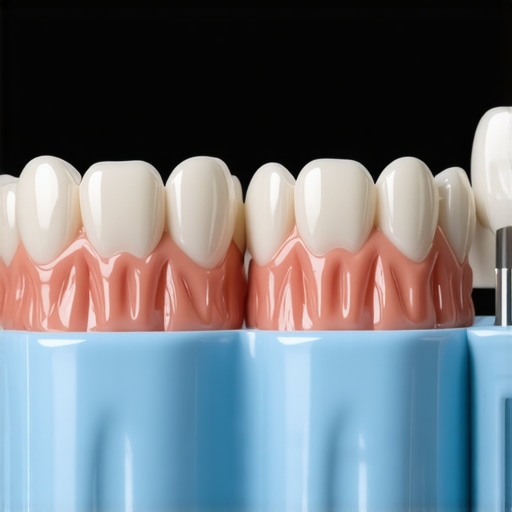
Ensure your new surface is bonded for the long haul
The success of a repair often comes down to the quality of the bond. In my case, I was worried about the new material feeling weird, and it is common for people to wonder why your porcelain veneers might feel bulky at first. A skilled professional will ensure the margins are flush with your gum line. You should always verify how to tell if your veneers were bonded correctly to the enamel by checking for any ‘catch’ when you floss or any lingering sensitivity that doesn’t fade after a week.
Replace a lost tooth with something that lasts a lifetime
If the crack has traveled below the gum line, the tooth might be unsalvageable. This is where dental implants enter the conversation. Unlike a bridge that relies on neighboring teeth for support, an implant is a standalone titanium post that fuses with your bone. It is a significant step, but dental implants 2025 innovations that redefine comfort and durability have made the process much less intimidating than it used to be. When considering this route, look into the truth about the lifespan of a dental implant; they can often last thirty years or more with proper care, making them a more stable long-term investment than repeatedly patching a failing natural tooth.
Protect your investment with better daily habits
Once your smile is restored, the mission shifts to prevention. This isn’t just about avoiding sourdough bread; it is about the mechanics of how you clean. You need to learn how to pick a toothbrush that wont destroy your enamel because aggressive scrubbing with hard bristles can actually wear down the margins of your new crown or veneer. Incorporating family dentistry tips for a lifetime of healthy smiles into your routine—like using a night guard if you grind your teeth—is the only way to ensure you don’t end up back in that chair with another ‘crunch’ sound a year from now. Every repair, no matter how high-tech, is only as strong as the foundation you maintain at home.Let’s dig deeper into the nuance that most ‘smile makeover’ ads skip over. Everyone tells you that the goal of cosmetic dentistry is a bright, white smile, but in my experience, chasing a specific shade of white is the fastest way to end up with a smile that looks like a row of chiclets. The real enemy of a natural look isn’t a lack of whiteness; it’s opacity. If your dentist doesn’t account for how light travels through the porcelain, you’ll find that why your porcelain veneers look opaque and not natural becomes a daily frustration. I fell into the trap of thinking ‘the whiter the better,’ only to realize that real teeth have a slight translucency at the edges that mimics life.
Stop chasing the refrigerator-white smile
Then there’s the ‘Oops’ factor of functionality. If you’ve ever felt like you’re tripping over your words, it’s worth investigating why your veneers feel thick and bulky when you try to say the letter s. It’s not just a matter of getting used to them; it’s often a sign that the lab didn’t respect the ‘phonetic envelope’ of your mouth. I’ve even seen cases where patients ignore it when why your upper lip keeps getting caught on your brand new veneers 2, assuming it’s just temporary swelling. It’s usually an issue with the contour that needs professional adjustment before it causes muscle strain or persistent irritation. 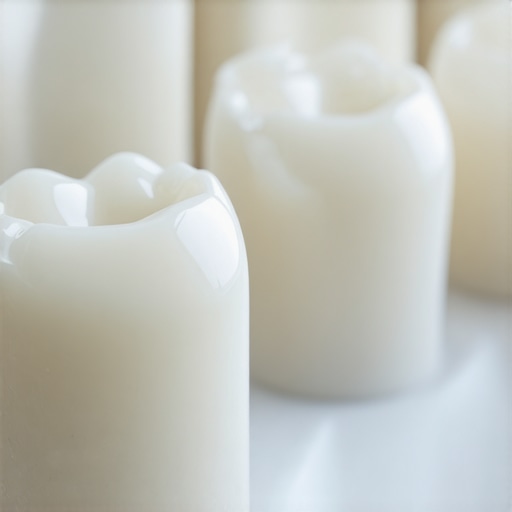
Does your daily stress level put your new smile at risk?
Advanced patients often ask about the longevity of their investment. While we talk about 3 secrets to making your porcelain veneers last twenty years 2, we rarely discuss the biological load. A study published in the Journal of Oral Rehabilitation highlights that nocturnal bruxism can exert up to 250 pounds of pressure per square inch, which is enough to shear even the best-bonded porcelain. This is why family dentistry tips for a lifetime of healthy smiles always emphasize the ‘boring’ stuff like night guards. If you think your dental implant is a ‘bionic’ tooth that can’t fail, think again. I’ve learned that knowing how to save a dental implant that feels slightly mobile 2 is a skill you hope you never need, but it starts with realizing that implants are susceptible to peri-implantitis—a form of gum disease specifically for hardware.
The biological truth about permanent implants
The most sophisticated mistake I see is treating cosmetic work as a separate entity from general health. Your restoration is only as good as the gum tissue supporting it. If you are experiencing why your gums are receding even though you brush twice a day 2, no amount of porcelain will hide the underlying structural failure for long. Have you ever fallen into the trap of prioritizing the ‘look’ over the foundation? Let me know in the comments if you’ve ever had a ‘perfect’ tooth that just didn’t feel right. Keeping your smile healthy means understanding that cosmetic dentistry secrets to boost your confidence are always built on a bedrock of sound biology.
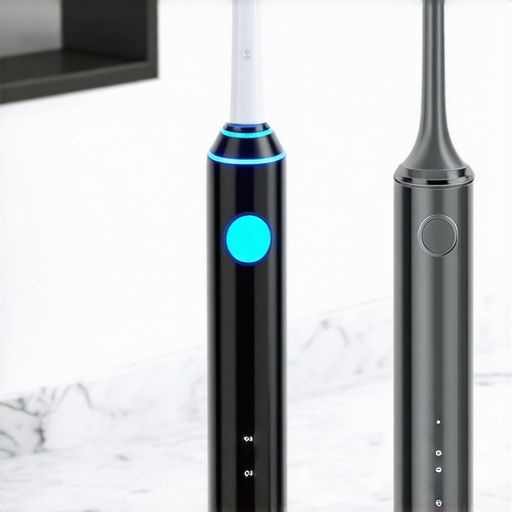
Once you have invested in a high-end smile, the mindset has to shift from ‘fixing’ to ‘preserving.’ I used to think that once the porcelain was bonded, I was invincible. I was wrong. Maintenance isn’t just a chore; it is the insurance policy for your smile. Let’s get into the actual gear I use every single morning to ensure my work stays as sharp as the day it was installed. I transitioned to a sonic toothbrush with a built-in pressure sensor because, as it turns out, I was a ‘scrubber.’ Aggressive manual brushing is one of the fastest ways to cause margin failure, and knowing how to pick a toothbrush that wont destroy your enamel is the foundation of long-term success.
I also live by my water flosser. If you have any kind of hardware, whether it is a single crown or a full set of implants, traditional string floss can sometimes be more frustrating than helpful. I learned the hard way about the learning curve of how to clean under a dental bridge without shredding your floss 2. According to a study published in the Journal of Clinical Periodontology, water irrigation is significantly more effective at reducing subgingival bacteria around implants compared to manual flossing alone. It is about flushing out the microscopic debris that your eyes can’t even see.
How do I maintain my dental restoration over the decades?
The longevity of your smile is directly tied to how you handle your ‘mechanical load.’ This means wearing your occlusal guard every single night without exception. You might feel fine, but the risk of skipping your night guard for just one week is that you could accidentally chip a veneer during a period of high-stress sleep. I look at my night guard as a $500 piece of insurance for a $20,000 mouth. Beyond the night guard, it is about keeping up with 3 secrets to making your porcelain veneers last twenty years 2, which includes staying away from abrasive toothpastes that contain silica or baking soda, which can dull the polish of your porcelain over time.
Looking toward the future, I predict we are entering an era of ‘smart’ dentistry. We are already seeing the future of dental implants cutting edge techniques in cosmetic dentistry involving 3D-printed scaffolds that encourage faster bone growth. I believe within the next decade, we will have ‘intelligent’ crowns with built-in sensors that can monitor the pH levels of your saliva and alert your smartphone to potential decay before a cavity even forms. Until those bionic upgrades are available, we have to rely on the tools at hand. My best advice? Take the 30-day challenge: switch to a pressure-sensing electric toothbrush and a water flosser today. You will be shocked at how much ‘fuzz’ you were leaving behind with a manual brush and how much better your gums will feel.
The Truth About Living With Porcelain and Titanium
Reflecting on my journey, the biggest lightbulb moment was realizing that cosmetic dentistry isn’t just a vanity project—it is a functional restoration of your biology. I used to think a tooth was either ‘fine’ or ‘broken,’ but there is a massive gray area where your choices determine if you keep your natural teeth or move toward hardware. First, never underestimate the foundation. You must address why your gums are receding even though you brush twice a day 2 immediately; your restorations are only as stable as the tissue surrounding them. Second, I learned that the real cost of skipping your six-month checkup isn’t the fee of the cleaning, it’s the invisible decay that creeps in when you aren’t looking. Finally, trust the process of dental implants 2025 innovations that redefine comfort and durability if a tooth is truly lost. Modern tech is incredible, but it still requires your respect and daily care.
My Daily Gear for a Healthy Smile
I am often asked what tools actually make a difference for someone with extensive dental work. I don’t just use whatever is on sale; I use a specific toolkit to protect my investment. #IMAGE_PLACE_HOLDER_E# My number one recommendation is a pressure-sensing electric toothbrush. Learning how to pick a toothbrush that wont destroy your enamel changed everything for me because it stopped me from scrubbing away my gum line. I also swear by a high-quality water flosser. It is the only way I’ve found to effectively manage how to clean under a dental bridge without shredding your floss 2. Lastly, if you grind your teeth, the risk of skipping your night guard for just one week is simply too high. It is the cheapest insurance policy you will ever buy for your mouth.
Claim Your Confidence Back
The journey from a chipped tooth to a fully restored smile can feel overwhelming, but the result is more than just a pretty photo. It’s the ability to eat, speak, and laugh without hesitation. Whether you are just beginning to research a veneers transformation unlocking your best smile yet or you are dealing with a structural emergency, remember that you aren’t just fixing a tooth—you are reclaiming your health. Your smile is the window to your overall well-being, so treat it with the care it deserves. Have you ever felt that ‘crunch’ while eating and tried to ignore it like I did? Let me know in the comments below!