There I was, mid-sentence and mid-bite during my best friend’s engagement party, when the unthinkable happened. I felt a small, hard ceramic plate slide across my tongue like a lost puzzle piece. I didn’t even have to look in a mirror to know that my expensive, beautiful veneer had decided to retire early right into my glass of Pinot Grigio. I spent the rest of the night hiding my mouth behind a cocktail napkin, convinced everyone was staring at the slightly sensitive ‘stubby tooth’ hiding underneath. It was a total nightmare. But here’s the thing: I’ve been there, I’ve made the frantic late-night Google searches, and I’ve survived it with my smile intact. If you are currently sitting in a restaurant bathroom reading this, take a deep breath. You aren’t going to lose your tooth, and you don’t have to stay hidden forever. Today, I’m going to walk you through exactly how to handle this dental emergency without losing your cool—or your dignity.
Stop Scrolling and Save Your Smile Right Now
The very first mistake I made years ago was trying to ‘fix’ it myself with a drop of superglue from the junk drawer. Please, whatever you do, do not reach for the Krazy Glue. It is toxic, it can cause a chemical burn on your gums, and it ruins the surface of your tooth, making the professional repair ten times harder for your dentist. Instead, find the veneer. If you haven’t swallowed it, gently rinse it off and put it in a small container or a zip-lock bag. Whether you’ve just started your journey and followed expert tips for perfect results or you’ve had them for a decade, these things happen. Sometimes the bonding agent simply fails, or maybe that crusty bread was a bit too ambitious for the porcelain. According to the American Academy of Cosmetic Dentistry, while veneers are designed to be incredibly durable, they can dislodge due to high-impact force or even undiagnosed teeth grinding.
Is My Exposed Tooth Going to Rot Immediately?
This was my biggest fear. I thought that without the porcelain shield, my natural tooth would crumble or decay by morning. Relax. Your natural tooth is still there, though it might feel a bit rough to your tongue or look slightly smaller than its neighbors. It is definitely more sensitive to cold air and hot soup right now because the enamel was prepped, but it isn’t going to rot away in twenty-four hours. If the look is bothering you, you can actually use a tiny bit of over-the-counter denture adhesive to carefully hold it in place for a quick photo—just don’t try to eat anything while it’s ‘tacked’ on. Have you ever had that heart-stopping moment where you felt something loose in your mouth during a meal? Drop a comment or reach out via our contact page—I’d love to hear how you handled the surprise. Getting your confidence back after a dental mishap is easier than you think, but you need a solid game plan for the next twelve hours. Let’s get into the specifics of how to manage the sensitivity and what to say when you finally call the office for a repair.
Check the Tooth and the Porcelain Immediately
First, take a long look at the back of the veneer itself. If it looks like a clean ‘shell’—almost like a false fingernail—that is actually great news. It usually means the bonding agent simply aged out or failed. However, if there is a chunk of your natural tooth still stuck inside the porcelain, you aren’t just dealing with a loose veneer; you are dealing with a fracture. I remember the time my own veneer popped off and I spent twenty minutes frantically scrubbing the porcelain, only to realize the reason your porcelain veneer feels rough to your tongue afterward was because I’d actually chipped the underlying structure. If the tooth looks dark or feels soft, there might be underlying decay that compromised the fit. This is why you must bring the piece with you; even if it can’t be reattached, it serves as a blueprint for your new restoration. 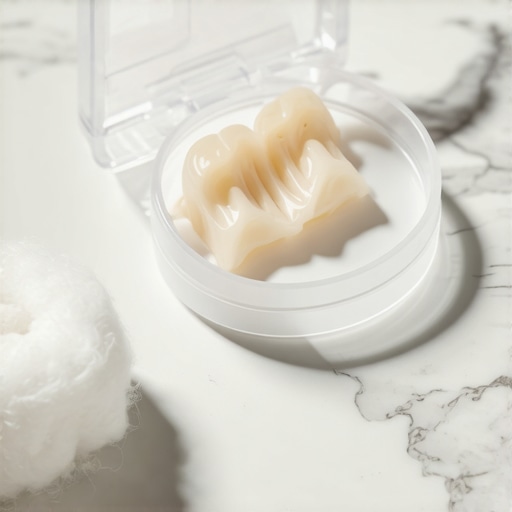
Don’t Let the Cold Air Ruin Your Day
Once the porcelain is off, that prepped tooth is basically a raw nerve exposed to the elements. Every time you breathe in through your mouth, you’ll likely feel a sharp ‘zing.’ To manage this, you can create a temporary barrier. While you can look up how to stop a permanent crown from falling out for similar advice, for a veneer, a small piece of orthodontic wax or even a sugar-free piece of gum (if you are desperate and careful) can be flattened over the tooth to act as an insulator. I once had to endure a four-hour flight with an exposed tooth, and I found that sipping lukewarm water was the only thing that kept the throbbing at bay. Avoid anything acidic like soda or coffee, as the lack of enamel makes the tooth highly susceptible to chemical irritation.
Should You Try a Temporary Reattachment?
You might be tempted to use a temporary cement kit from the local pharmacy. If the veneer fits back onto the tooth perfectly—meaning it ‘clicks’ into place without rocking—you can use a tiny, microscopic dot of denture adhesive. Do not use enough to let it ooze out the sides. This is purely for aesthetics so you can get through a work meeting or a dinner without feeling self-conscious. If you are debating veneers vs crowns which is right for your smile moving forward, your dentist will need to see the tooth without a thick layer of hardware store glue blocking the view.
What Your Dentist Needs to Know Over the Phone
When you call the office, don’t just say ‘my tooth fell out.’ Be specific. Tell them if the veneer is in one piece or if you need to know how to fix a chipped veneer without replacing the whole unit. Mention if the tooth is sensitive to temperature or if there is a sharp edge cutting your lip. This helps the receptionist triage your case correctly. If it’s a front tooth, they will almost always squeeze you in faster because it’s considered a ‘social emergency.’ While you wait for your appointment, keep the area clean by gently rinsing with warm salt water, but avoid brushing the exposed ‘stub’ with heavy pressure, which can cause intense pain.
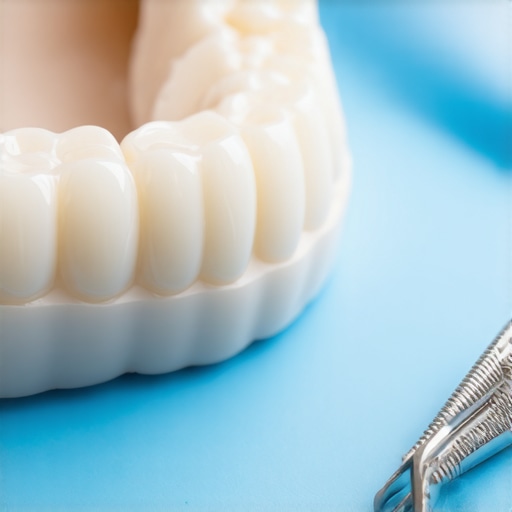
Everyone points the finger at the adhesive when a veneer pops off, but in my experience, the bonding agent is rarely the primary culprit. Modern dental cements are engineered to be incredibly resilient. The real, hidden reason your porcelain decided to exit stage left is usually a subtle misalignment in your bite dynamics. If you’ve been wondering why your porcelain veneers might feel bulky at first, it is often because that extra microscopic thickness is catching your lower teeth during your natural chewing cycle, creating a ‘shear force’ that eventually snaps the bond. This is a common nuance that beginners miss—it isn’t just about the glue; it is about the physics of your mouth.
Why Do These Things Pop Off When You Are Doing Everything Right?
It feels like a total betrayal when you have meticulously followed expert tips for perfect results and you still end up with a missing tooth in your glass of wine. According to a study published in the Journal of Prosthodontic Research, ‘parafunctional habits’—the clinical term for teeth grinding and jaw clenching—are the leading causes of late-stage veneer failure. This is exactly why the risk of skipping your night guard for just one week is far higher than most people realize. One night of high-stress clenching can apply enough pressure to compromise a decade-old restoration. If you are struggling with how to stop clenching your jaw during the workday, you are already in a high-risk category for dental mishaps.
The biggest ‘oops’ factor I see with patients is ignoring the ‘why’ and only focusing on the ‘when’ of the repair. If you simply have your dentist glue the piece back on without checking your occlusion, you are just waiting for history to repeat itself. Furthermore, leaving that gap open for too long creates a biological trap. While you might know why composite bonding stains faster than porcelain veneers, the space where your veneer used to be can accumulate bacteria at an alarming rate, leading to ‘leaky’ margins once the repair is finally made. Have you ever fallen into this trap of thinking it was just a ‘fluke’ event? Let me know in the comments. We need to look at how to fix the gap that appeared between your gums and your new bridge or veneer space as a priority, not just an aesthetic choice. Using cosmetic dentistry secrets to boost your confidence is about more than just the look; it is about the structural integrity of your entire mouth.
Once your dentist has reattached that veneer or replaced a crown, the real work begins in your own bathroom. I’ve learned the hard way that you cannot treat high-end cosmetic dentistry like your original teeth; they require a different level of respect. To keep everything functioning, I swear by a high-quality water flosser. Unlike traditional string, which can sometimes snag on the margins if you aren’t careful, a water flosser on a medium setting flushes out debris without putting tension on the bonding. It’s the same principle as the trick to flossing around permanent orthodontic retainers—you want to clean the space, not disrupt the hardware. Incorporating these habits is a core part of family dentistry tips for a lifetime of healthy smiles, ensuring your investment doesn’t just look good for a year, but for a decade.
Equip Your Bathroom Like a Pro Dental Studio
I personally use a sonic toothbrush with a pressure sensor because I used to be a ‘scrubber.’ Excessive pressure is the fastest way to cause gum recession, which eventually exposes the edges of your veneers. According to Dr. Gordon Christensen, a leading authority in restorative dentistry, the use of a non-abrasive polishing paste—rather than standard whitening toothpaste—is crucial for maintaining the luster of porcelain without micro-scratching the surface. If you are using a gritty paste, you are essentially sandpapering your smile every morning.
How do I maintain my porcelain investment over the long haul?
Maintenance is 90% prevention and 10% technology. I’ve looked into the future of dental implants and cutting-edge techniques in cosmetic dentistry, and the consensus is that the next five years will be all about ‘smart’ night guards that track clenching patterns via bio-sensors. For now, a custom-fitted occlusal guard is your best friend. I never sleep without mine because the risk of skipping your night guard for just one week is a literal crack in your foundation. Whether you are looking at dental implants 2025 innovations that redefine comfort and durability or just keeping your veneers in place, managing that jaw pressure is the ‘secret sauce’ of longevity. 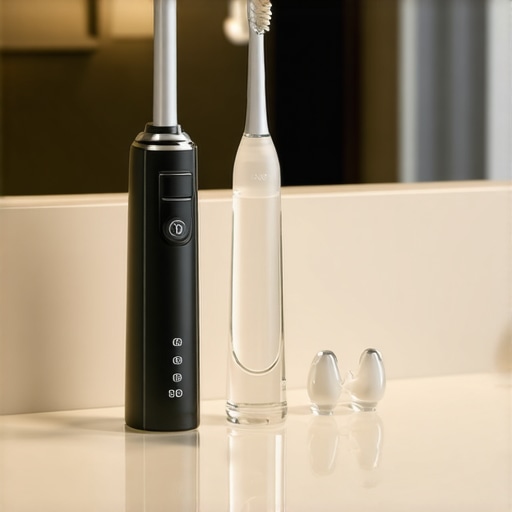
Look Ahead to the Next Generation of Care
We are entering an era where how dental implants reshape your oral health in 2025 involves 3D-printed guides and AI-analyzed bite alignments that were science fiction a decade ago. If you feel even a tiny bit of discomfort when speaking, like why your veneers feel thick and bulky when you try to say the letter s, don’t wait for a chip to happen. My advanced tip for you this week: Perform a ‘clench test’ in front of a mirror. Gently bite down and see if your front veneers touch before your back molars. If they do, your ‘bite’ is off, and you need an adjustment before the porcelain gives way. Try this today and see if you notice any premature contact—it might just save you an emergency trip to the office.
The Hard Truths About Living With Porcelain
Reflecting on my own dental journey, I’ve realized that a perfect smile isn’t a “set it and forget it” situation. The biggest lightbulb moment for me was understanding that veneers are a partnership between your dentist’s skill and your daily habits. One lesson I learned the hard way is that even the most expensive bonding can’t withstand the raw power of a stressed-out jaw. It’s not just about the moment it falls off; it’s about the weeks of clenching leading up to it. Another revelation? Your gums are the frame for your artwork; if you don’t prioritize gum health, the best porcelain in the world will eventually look out of place. Finally, I learned that a “social emergency” doesn’t have to be a permanent disaster if you act with a level head instead of a bottle of superglue.
#IMAGE_PLACEHOLDER_E#
My Non-Negotiable Tools for a Bulletproof Smile
To keep my investment secure, I’ve curated a specific toolkit that I trust implicitly. First, I never skip a night with my custom-fitted occlusal guard—it is the ultimate insurance policy against a midnight “pop.” I also transitioned to using family dentistry tips for a lifetime of healthy smiles by incorporating a high-end water flosser that reaches the margins without the tugging risk of traditional string. For daily maintenance, I only use non-abrasive pastes that I’ve researched through cosmetic dentistry secrets to boost your confidence, ensuring the glaze on my teeth stays glass-smooth for years. These aren’t just gadgets; they are the gatekeepers of my confidence.
The Future of Your Restored Confidence
If you are currently dealing with a dental mishap, remember that this is just a temporary detour on your path to a veneers transformation unlocking your best smile yet. Science is advancing every day, making repairs faster and more durable than ever before. Don’t let one loose piece of porcelain shake your self-esteem. You now have the knowledge to handle the crisis, protect the tooth, and prevent it from happening again. Your smile is a reflection of your resilience, and you are more than capable of keeping it bright. Have you ever had a dental emergency strike at the absolute worst possible moment, like a wedding or a big presentation? Let me know in the comments below!