I will never forget the first afternoon I spent with my clear aligners. I was sitting in a crucial client meeting, trying to look like I had my life together, when my tongue suddenly decided to glue itself to the roof of my mouth. I tried to speak, but all that came out was a sticky, clicking sound that echoed in the silent room. It felt like I had swallowed a handful of cotton balls. I was mortified, thinking I had made a massive mistake in my journey toward a better smile. This wasn’t the sleek, invisible experience the brochures promised; it was a parched, desert-like struggle.
That Cotton Mouth Feeling Is Real and It Is Not Just You
If you are currently sipping water every thirty seconds and wondering if you are doing something wrong, take a deep breath. You are not. That Sahara-desert sensation is one of the most common hurdles for anyone diving into the world of cosmetic dentistry secrets to boost your confidence. When you place those plastic trays over your teeth, you are essentially putting a barrier between your tongue, your cheeks, and your natural saliva flow. Your brain sometimes reacts by thinking there is a foreign object it needs to “wash away,” and when it realizes it can’t, the saliva production can go into a weird sort of hibernation.
Is this constant dryness actually going to ruin my teeth?
It is a fair question to be worried about. We know that saliva is the unsung hero of oral health. According to the American Dental Association, saliva plays a critical role in neutralizing acids produced by bacteria and washing away food debris. Without it, you might worry you are more prone to issues like why your teeth feel sticky even after a thorough brushing. The good news is that while the sensation is annoying, it is manageable. Early on, I made the classic mistake of reaching for sugary sports drinks to stay hydrated while wearing my trays. Not only did this trap sugar against my enamel, but it was also the reason why your clear aligners have turned a cloudy white color. Trust me, you want to avoid that cloudy look at all costs.
The physical presence of the aligner prevents the natural “cleansing” action of your lips and tongue. This is especially true if you are already prone to breathing through your mouth. Today, we are going to dive into why this happens and how you can fix it without losing your mind or your hydration. Have you ever found yourself peeling your lip off your aligner mid-sentence? I would love to hear your most awkward “dry mouth” stories in the comments!
Master the Art of Constant Micro-Hydration
Wait, I used to think drinking a huge glass of water every hour was enough. It wasn’t. My mouth felt like a desert ten minutes later. The trick is keeping a bottle with you and taking “micro-sips” every few minutes. Think of your aligners as a raincoat for your teeth; they prevent the “rain” of your saliva from reaching the “ground” of your enamel. Constant sipping ensures that the areas the aligners can’t reach stay moist. I remember trying to power through a two-hour hike without my water bottle once. By the time I finished, my cheeks were practically glued to the plastic trays. It was a painful reminder that when you wear aligners, you lose the luxury of waiting until you are thirsty.
Sip Water Like It Is Your Job
When you gulp water, most of it goes straight down your throat. When you sip and swirl, you are manually doing the work your salivary glands are currently struggling with. This is especially important because stagnant saliva can lead to issues where why your teeth feel sticky even after you brush them. Keeping that water moving helps flush out the debris that would otherwise sit under the trays.
Choose Products That Actually Mimic Natural Saliva
If water isn’t cutting it, you need to bring in the reinforcements. Look for alcohol-free rinses or sprays specifically labeled for xerostomia. I once made the mistake of using a high-intensity, alcohol-based mouthwash right before a big presentation. Instead of feeling fresh, the alcohol sucked every remaining drop of moisture out of my mouth. Mid-sentence, my upper lip got caught on the edge of my aligner, and I had to manually peel it off. It was a cosmetic dentistry secret I wish I hadn’t learned the hard way. For long-term health, integrating family dentistry tips for a lifetime of healthy smiles into your routine can help you pick products that support your enamel rather than stripping it.
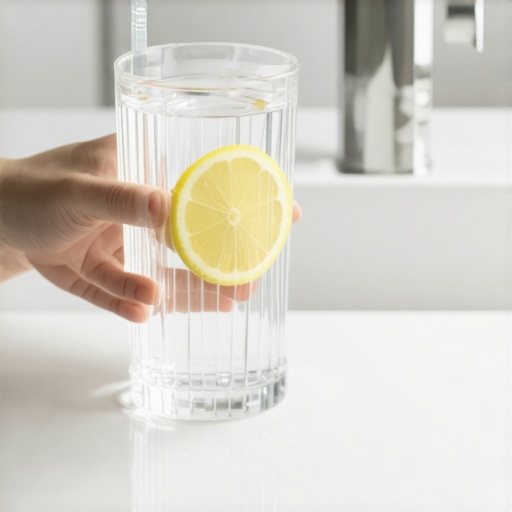
The Xylitol Hack to Wake Up Your Glands
Xylitol is a natural sweetener that tricks your brain into thinking you are eating, which triggers saliva production. Using sugar-free xylitol mints can provide instant relief. Just ensure they are clear and don’t contain dyes that might stain your trays. This is a much better alternative than sports drinks, which are often the culprit when people wonder why your clear aligners have turned a cloudy white color.
Keep Your Lips Sealed and Your Trays Clean
Aligners can subconsciously turn you into a mouth-breather because they change how your bite feels. When you breathe through your mouth, the air evaporates what little moisture you have. This habit is often a hidden factor in why your clear aligners are making you lisp even after a week. Focus on keeping your lips together. Additionally, keep your trays clean to avoid a bacterial film. You can use many of the same techniques used to how to clean your night guard without damaging the material to ensure your aligners stay smooth and friction-free.
While managing dry mouth is a daily battle during orthodontic treatment, it is often just the first step in a much larger journey of aesthetic choices. Many people approach me with a specific fix in mind—usually veneers—without realizing that the most popular choice isn’t always the right one for their unique dental anatomy. To truly achieve a natural result, we have to look past the marketing and into the mechanics of your mouth.
Why the whitest shade on the dental chart is usually a mistake
There is a common belief that whiter is always better, but in my years of following the latest cosmetic dentistry secrets to boost your confidence, I have seen this backfire frequently. If you choose a shade that is significantly brighter than the whites of your eyes, your smile will look artificial and opaque. This is often the mistake that makes your teeth look too white and fake. True expertise in family dentistry lies in matching the translucency and light-play of the material to your natural enamel. Research published in the Journal of Esthetic and Restorative Dentistry highlights that the emergence profile—how the tooth appears to grow out of the gum—is actually more critical for a natural look than the specific bleach shade chosen.
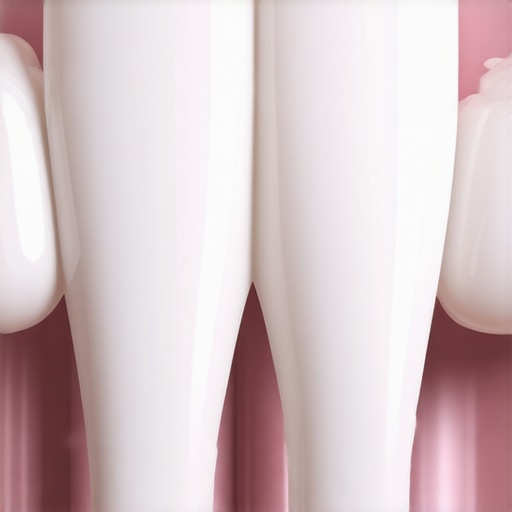
Do you actually need a veneer or is a crown the smarter move?
A huge oops factor I see frequently is the push for ultra-thin veneers when the underlying tooth structure is actually compromised. People often fear crowns because they think they are too aggressive, but understanding veneers vs. crowns: choosing the best option for your smile is about structural integrity, not just vanity. If you have a heavy bite or a history of grinding your teeth, a thin veneer might fail prematurely. I have seen many patients face the frustration of what to do when a veneer pops off during dinner because the mechanical forces of their jaw were simply too strong for a partial porcelain bond.
Stop ignoring the biotype of your gums
Another sophisticated trap involves dental implants and your specific gum biotype. If you have thin gum tissue, the metal of a standard implant post can sometimes cast a faint grey shadow through the gingiva. This is why many practitioners are shifting toward the future of dental implants: cutting-edge techniques in cosmetic dentistry, such as using zirconia abutments or localized tissue thickening. Failing to account for this delicate balance is often the reason your dental implant surgery requires a bone graft even when you think you have plenty of bone to work with. Have you ever rushed into a cosmetic procedure only to realize the fix created a new set of problems? Let me know in the comments. I am curious if anyone else has dealt with why your veneers feel bulkier than your natural teeth after being promised a seamless fit.
After you have navigated the initial hurdles of dry mouth and the choice between porcelain and resin, you enter the most critical phase: the long game. I used to think that once the veneers were bonded or the implant was placed, the work was done. I was wrong. Maintaining that ‘day one’ glow requires a shift from basic hygiene to what I call ‘precision care.’ If you want to avoid the common pitfalls and protecting your pearly whites from stubborn coffee stains, you need a toolkit that matches the sophistication of your dental work.
Ditch the string floss for a high-tech upgrade
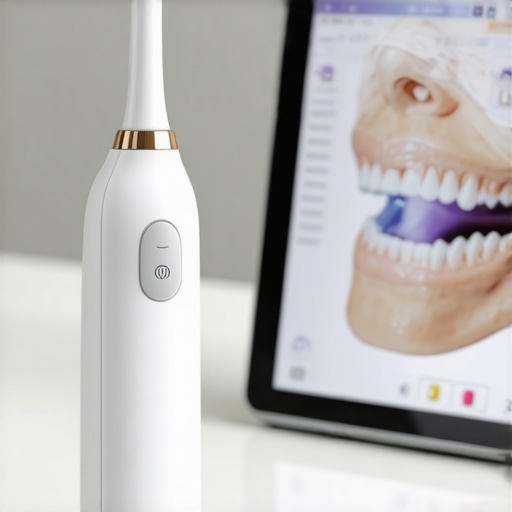
I personally stopped relying solely on traditional string floss the moment I saw a high-resolution scan of my gum line. I now swear by the Waterpik Sonic-Fusion 2.0. Why? Because it combines a high-frequency toothbrush with a water flosser in one head. When you have complex work like bridges or implants, water pressure reaches into the ‘nooks’ that traditional floss simply skips. This is vital for preventing the bacterial buildup that leads to localized issues. I’ve found that using this tool twice a day is the secret to why some people’s work looks brand new after five years while others start to see dulling. It is also an essential part of family dentistry tips for a lifetime of healthy smiles that I share with everyone I know.
How do I maintain my dental investment over the next decade?
The key to longevity isn’t just brushing; it is monitoring. According to a study published in the International Journal of Computerized Dentistry, digital shade matching and 3D surface monitoring are 33% more accurate at detecting early wear and tear than the human eye during a standard check-up. This is why advanced clinics use CBCT scans instead of flat X-rays to look at the bone density around your implants and the marginal integrity of your veneers. If your provider isn’t using 3D imaging, you might be missing the microscopic shifts that lead to failure. I make it a point to request a digital scan every two years just to compare the ‘topography’ of my smile against my baseline.
The next major shift in restorative technology
As we look toward the future, I predict we will see a massive rise in ‘bio-integrated’ materials. We are already seeing 2025 dental implant innovations focusing on surfaces that actually encourage bone cells to grow faster and stronger. We are moving away from just ‘replacing’ teeth and toward ‘regenerating’ the interface between the body and the prosthetic. This is a huge part of emerging trends in dental implant technology that will make the ‘vibrating’ or ‘wiggly’ sensations a thing of the past. If you are currently deciding on a plan, ask your dentist about zirconia components versus traditional titanium; the tissue response can be night and day.
Keep a repair kit in your travel bag
Even with the best tech, life happens. I never travel without a small tube of high-quality temporary dental adhesive. Knowing what to do when a veneer pops off during dinner can save you from a weekend of embarrassment and sensitivity. It’s a small insurance policy for your confidence. I also suggest using a night guard religiously, even if you don’t think you grind your teeth. The mechanical stress on porcelain is cumulative; a night guard acts as a shock absorber for your investment. If you are serious about your results, try this one advanced tip tonight: swap your abrasive whitening toothpaste for a low-RDA (Relative Dentin Abrasivity) gel. It will keep your restorations smooth and prevent the micro-scratches that trap stains. Your future self will thank you for the extra shine.
The Truth I Only Discovered After Three Years of Adjustments
Reflecting on my own journey, the biggest takeaway wasn’t just about the straightness of my teeth, but the discipline I gained along the way. First, I realized that “permanent” in dentistry is a relative term—your restorations are only as permanent as your maintenance routine. Second, your gums are just as important as the porcelain; if you neglect your gingival health, even the most expensive work will look aged. Finally, don’t ignore those small sensations. If you notice why your porcelain veneers sometimes cause sensitivity to cold drinks, talk to your doctor immediately instead of waiting for your next cleaning. Early intervention is the difference between a simple tweak and a costly replacement.
My Daily Arsenal for a Red-Carpet Smile
I don’t leave my oral health to chance, and neither should you. My must-haves include a Waterpik Sonic-Fusion for that deep-clean feeling that manual brushes simply can’t touch. I also suggest keeping a supply of clear Xylitol mints to keep your saliva flowing throughout the day without risking stains on your trays. For those just starting their path, I highly recommend checking out these expert tips for perfect results to set your expectations early. And for the most up-to-date tech, keep an eye on how dental implants reshape your oral health in 2025 to ensure you are getting the most advanced care currently available.
Step Into the Best Version of Your Smile
Transforming your look is a marathon, not a sprint, but the payoff is a level of self-assurance you can’t put a price on. Whether you are currently battling aligner-induced dry mouth or debating between porcelain and resin, remember that you are investing in your future happiness and health. Using these cosmetic dentistry secrets to boost your confidence is the first step toward a more radiant version of yourself. If you’re ready to make a move, don’t hesitate to reach out to a professional team to map out your plan. Have you ever felt self-conscious about a specific part of your smile? Drop a comment below and let’s talk about it!