I was standing in my bathroom, hunched over the sink, staring at my clear aligners with a mix of horror and confusion. I had only been wearing this specific tray for four days. Four days! And yet, instead of the invisible, sleek plastic I started with, I was holding something that looked like it had been dipped in a vat of watered-down milk. It was my first real orthodontic crisis. I had spent hours reading about cosmetic dentistry secrets to boost your confidence, envisioning the perfect end result. Instead, I felt like I was wearing a science experiment. If you have ever felt that sudden jolt of did I ruin my teeth?, you are not alone. My mistake was simple: I treated my aligners like they were indestructible. I’ll be honest, I even tried scrubbing them with a harsh dish soap once because I was desperate. That’s the kind of early mistake that leads to the very problem we are solving today. We are going to dive into exactly why your trays are turning white and how to fix them.
The day my clear aligners lost their sparkle
When I first saw that white film, I thought my enamel was literally rubbing off onto the plastic. I panicked. I think we all do. I had seen friends with veneers who never seemed to have these issues, and I started to regret my choice. But the reality is much more scientific—and much easier to manage. The cloudiness is usually a combination of dried saliva and something called biofilm. According to the American Association of Orthodontists, oral bacteria can colonize a surface in a matter of hours, creating a sticky layer that eventually hardens into tartar if it isn’t removed properly. Because aligners sit tightly against your teeth, they trap everything. If you don’t clean them with the right technique, that biofilm turns into a permanent-looking fog. Have you ever noticed that the cloudiness seems to get worse right after you wake up?
Is that white film actually permanent damage?
It is the biggest fear every aligner wearer has: Have I permanently scratched these? I certainly thought I had. In my early days, I didn’t know how to remove stains from clear aligners without scratching them, so I used a standard toothbrush and abrasive paste. That was a huge error. Those microscopic scratches don’t just make the trays look dull; they create little hotels for bacteria to check into and never leave. If your trays look white and opaque, it might be mineral buildup from your own spit—especially if you have high mineral content in your saliva. It’s a common topic in family dentistry because we see it with retainers and mouthguards too. The good news? It is usually reversible if you catch it early enough. You might even find yourself worried about what to do when your clear aligners stop fitting correctly because that crusty buildup is actually changing the interior shape of the tray. Let’s get into the nitty-gritty of how to scrub away the cloud without ruining the plastic.To get those trays back to their original state, we need to treat them less like dishes and more like a high-end camera lens. Most people make the mistake of thinking ‘clean’ means ‘hard scrubbing.’ In reality, that white film is often a mineral deposit that has bonded to the plastic. If you’ve ever wondered why your teeth feel sticky even after a thorough brushing, you’re dealing with the same culprit: plaque that hasn’t been fully disrupted. On your teeth, it feels fuzzy; on your aligners, it looks like a foggy morning. To break that bond without scratching the surface, you need a strategy that involves chemistry more than elbow grease.
How to actually clear the cloudy film
The first step isn’t to reach for the brush, but to rethink your cleaning agent. I learned this the hard way when I once tried to use a heavy-duty kitchen degreaser out of sheer frustration. I thought I was being a genius, but the chemical smell was so overpowering I couldn’t put the trays back in my mouth for hours, and the plastic felt slightly tacky afterward. Instead, you want something that breaks down proteins gently.
Stop using your regular toothpaste right now
This is the biggest ‘no-no’ in the book. Most toothpastes contain abrasive particles designed to scrub stains off tough enamel. However, your aligners are much softer. When you brush them with paste, you create microscopic grooves. It is a lot like how the truth about whitening your teeth with activated charcoal often involves warning people about enamel wear; you don’t want to trade one problem for a permanent texture issue. These scratches are where the white film lives and thrives. Once those grooves are there, the trays will never look truly clear again. Instead, use a clear, unscented liquid soap. It cuts through the biofilm without the grit.
Why the soak method beats the scrub
If the film is stubborn, you need a soak rather than more pressure. This is a common practice in family dentistry for everything from night guards to retainers. I personally use a 50/50 mix of lukewarm water and white vinegar, but only for 15 minutes. Any longer and the acid can start to affect the plastic’s integrity. When I first started, I left my trays in vinegar overnight, thinking more time meant more clean. I woke up to trays that were clear, yes, but they felt ‘rubbery’ and lost that satisfying snap when I put them in. 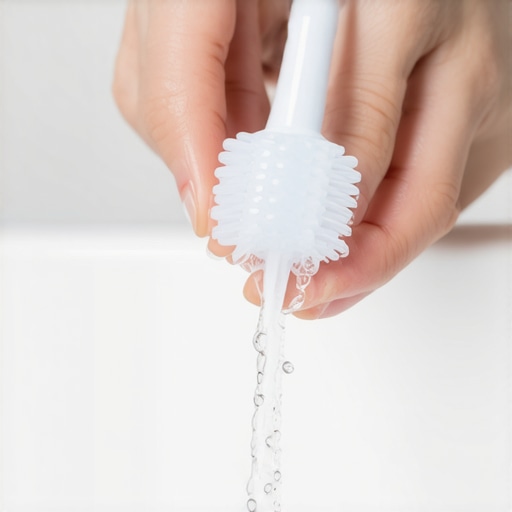 If you’re out and about, even a quick soak in plain water is better than letting saliva dry on the trays. It’s a similar discipline to the secret to keeping white teeth while drinking morning coffee—consistency and the right tools prevent long-term buildup.
The cold water rule you can’t break
Never, under any circumstances, use hot water to clean or rinse your aligners. I know the instinct is to use boiling water to ‘sanitize’ things, but these trays are thermoplastic. They are literally shaped by heat. If you use hot water, you risk warping the fit, which leads to a situation where you’re wondering what to do when your clear aligners stop fitting correctly. Use cool or lukewarm water only. Think of it like a delicate silk shirt; you wouldn’t throw that in a high-heat dryer. Maintaining the shape is just as important as maintaining the clarity, much like how dental implants reshape your oral health in 2025 by providing a stable foundation that doesn’t shift.We often think of ‘clean’ as a binary state—it’s either sterile or it’s filthy. But here’s the nuance most people miss: your aligners are a porous environment, not just a solid piece of plastic. Everyone tells you to soak them constantly, but in my experience, over-soaking in harsh chemicals is just as damaging as not cleaning them at all. I used to think I was being ‘extra’ by using high-strength effervescent tablets three times a day. Instead, I was actually accelerating the degradation of the medical-grade polymer. A study published in the Journal of Clinical Orthodontics highlights that certain chemical cleaners can actually increase the surface roughness of thermoplastic materials, making it easier for future stains to latch on. It’s a vicious cycle. You scrub to get it clear, you create micro-fissures, and then why your teeth feel sticky even after a thorough brushing becomes your new reality because the aligner itself is now a magnet for plaque.
Can I just use a regular whitening soak for my aligners?
It’s a tempting shortcut, especially if you’re already trying to figure out the truth about whitening your teeth with activated charcoal or other DIY methods. But here is the ‘oops’ factor: many whitening soaks are designed for the ceramic of veneers or the metal of bridges, not the delicate plastic of an aligner. These soaks often contain oxidizing agents that can turn your clear trays into a cloudy, brittle mess. If you’ve ever worried about the mistake that makes your teeth look too white and fake, imagine that same unnatural, opaque look on your ‘invisible’ braces. It completely defeats the purpose of choosing discreet orthodontics over traditional wires. 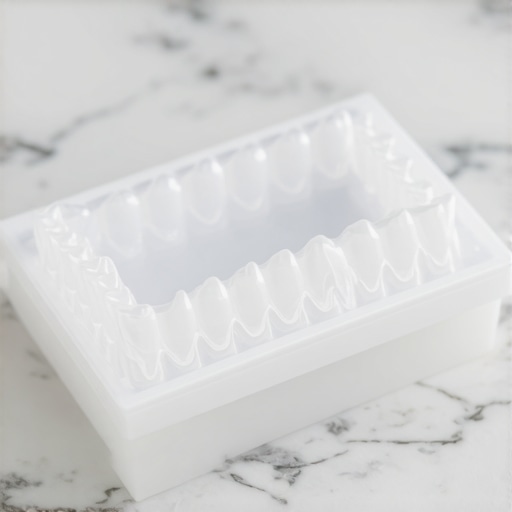 Another hidden nuance involves how we handle the ‘fit’ versus the ‘finish.’ When we talk about family dentistry, we usually focus on health, but with aligners, the aesthetics are the health. If the tray becomes too clouded, it actually reflects light differently, making your teeth look grey or diseased. I’ve had friends ask why your teeth look yellow despite using whitening toothpaste, only to realize it was just the film on their poorly-maintained aligners. It’s similar to how why your porcelain veneers look opaque and not natural often comes down to the quality of the material and how light passes through it. Have you ever fallen into this trap of over-cleaning and accidentally ruining a tray? Let me know in the comments. I’d love to hear your ‘cleaning disaster’ stories so we can all learn what to avoid next.The gadget that finally ended my cloudiness nightmare was an ultrasonic cleaner. If you are tired of scrubbing and seeing no progress, this is the ‘cheat code’ you’ve been looking for. These little pods use 42,000Hz sound waves to create millions of microscopic bubbles that implode against the surface of your aligner. This process, known as cavitation, reaches the tiny crevices where your toothbrush bristles simply cannot fit. I started using one because I was tired of guessing if my trays were actually clean. According to a study published in the International Journal of Oral Science, high-frequency ultrasonic vibration is significantly more effective at disrupting the complex architecture of oral biofilm than manual brushing, all while preserving the smooth surface topography of the thermoplastic. By switching to this method, I wasn’t just getting them cleaner; I was ensuring that I wouldn’t need to look up how to remove stains from clear aligners without scratching them ever again. It is the same principle used in professional labs for cleaning delicate instruments, and bringing that tech into my bathroom changed everything.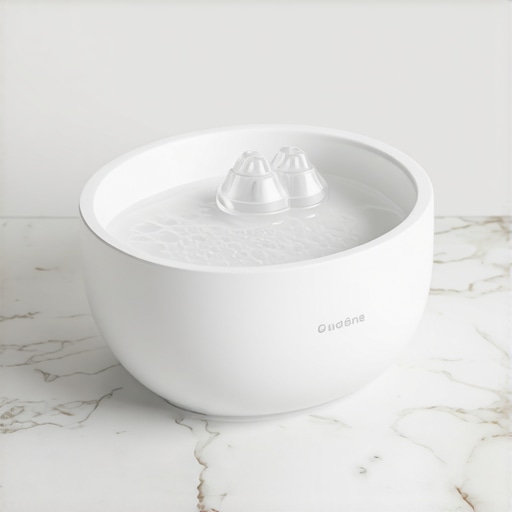
How do I maintain these results for the long haul?
Keeping a smile perfect isn’t a one-time event; it is a lifestyle. Whether you are dealing with aligners, veneers, or you are researching the truth about the lifespan of a dental implant, the philosophy remains the same: prevention is cheaper than repair. For aligners, maintenance means never letting saliva dry on the plastic. For those with more permanent work, like how dental implants reshape your oral health in 2025 by requiring specific flossing techniques, the focus shifts to gum health. I’ve found that using a water flosser on the lowest setting is a great way to keep the margins of your dental work clear of debris without the risk of irritation. If you’ve ever felt that the reason your porcelain veneer feels rough to your tongue is due to plaque buildup, these tools are your best line of defense. The goal is to move away from the ’emergency’ mindset of family dentistry tips for a lifetime of healthy smiles and toward a proactive, tech-supported routine.
AI and the future of your bathroom mirror
I predict that within the next three years, we won’t even have to wonder if our trays are cloudy or if our implants are seated correctly. We are already seeing the rise of AI-driven remote monitoring apps. These tools allow you to take a photo of your smile with your smartphone, and the software analyzes the clarity of your aligners and the health of your gums in real-time. This is part of the broader shift in the future of dental implants and orthodontics where data-driven care happens at home. It’s an exciting time because cosmetic dentistry secrets to boost your confidence are becoming more accessible through technology. If you want to stay ahead of the curve, I highly recommend investing in a basic ultrasonic cleaner today—it is the single best investment you can make for the clarity of your trays and the health of your mouth. Try using it for just one week and watch the ‘white film’ disappear for good.
Why Your Saliva is Actually the Biggest Factor in Cloudiness
Reflecting on my early mistakes, the biggest realization was that cloudiness isn’t just an aesthetic annoyance; it is a signal. If your trays are turning white, your oral microbiome is trying to tell you something. I learned that your body’s unique chemistry—specifically the mineral content of your saliva—determines how fast that film forms. It is why some people can go weeks with clear trays while mine looked like frosted glass in three days. Another lightbulb moment was realizing that ‘scrubbing harder’ is the enemy. It feels productive, but I was actually making the plastic more porous. Lastly, consistency is the only way to avoid the stress of what to do when your clear aligners stop fitting correctly. Once I automated my cleaning with technology, the foggy film vanished for good.
Tools That Saved My Trays from the Trash
If you are serious about maintaining that high-end look, do not rely on random kitchen supplies. I trust these three essentials: First, a high-quality ultrasonic cleaner (42kHz is the gold standard). Second, a basic bottle of clear, unscented liquid soap. Third, a 15-minute timer to ensure you don’t over-soak in vinegar. These tools aren’t just for aligners; they are part of a broader approach to family dentistry tips for a lifetime of healthy smiles. If you have other dental work, like veneers, you already know that the right tools make or break the result. Using a dedicated soft-bristled brush is non-negotiable for cleaning the margins where the tray meets your gums without causing abrasions.
Keep Your Smile Invisible and Your Confidence High
You did not choose invisible braces just to have them look like white plastic strips. By shifting your focus from ‘scrubbing’ to ‘dissolving biofilm,’ you ensure your path to a better smile remains truly discreet. Whether you are currently in treatment or looking for cosmetic dentistry secrets to boost your confidence for future work, the habits you build now will serve you for years to come. Don’t let a little mineral buildup stand in the way of your orthodontic progress. If you ever feel overwhelmed or need professional guidance on your journey, the team at Straight Smile is always ready to help through their contact page. Your clear aligners should work for you, not create extra chores. Did your aligners turn white during the first week or much later in your treatment? Let me know your experience in the comments below!