I sat in the dental chair, gripping the armrests until my knuckles turned white, fully expecting to walk out with a plan for a quick new tooth. Instead, my dentist looked at my X-rays and said those four words that felt like a punch to the gut: “You need a bone graft.” I felt like a failure. I walked out of that office thinking my jaw was somehow defective, but I eventually realized I wasn’t alone; I was just paying the price for a mistake I didn’t even know I was making. It turns out, my body was just following the rules of biology, even if those rules felt incredibly inconvenient at the time. I’m going to pull back the curtain on why this happens and show you why that extra step is actually the only thing standing between a successful smile and a total implant failure.
The Day I Realized My Jawbone Was Disappearing
For a long time, I didn’t realize that teeth and jawbones have a “use it or lose it” relationship. When I lost my molar years ago, I figured I’d just deal with the gap “later.” That was a massive error in judgment. According to the American Academy of Implant Dentistry, your jawbone can lose a staggering 25% of its volume in just the first year after a tooth is removed. I waited nearly half a decade. By the time I finally got serious, my bone had essentially melted away because it didn’t have a tooth root to support. If you are currently facing this, don’t lose heart. Today, we are going to dive into the mechanics of bone resorption and explain why a graft is your best friend for long-term stability. We will look at how this procedure sets the stage for how dental implants reshape your oral health in 2025 and beyond.
Is this just a way to charge me more money?
I’ll be the first to admit that I was skeptical. I genuinely thought my dentist was just trying to pad the bill with extra procedures. I even asked if they could just “screw it in anyway” and hope for the best. But after researching the truth about getting dental implants if you have existing bone loss, I realized that putting an implant into thin bone is like trying to build a skyscraper on a foundation of loose gravel. It’s a recipe for disaster.
Your Jawbone Needs a Job to Stay Strong
Your jaw stays dense because the pressure of chewing sends signals to the bone to keep regenerating. Once that tooth is gone, the signal stops. My biggest mistake was underestimating the risk of leaving a missing tooth unreplaced for years. I thought it was just a cosmetic gap, but it was actually a structural emergency happening in slow motion under my gums. A bone graft provides the “scaffold” your body needs to rebuild that lost territory. Have you ever been told by a doctor that you didn’t have enough “ridge” for an implant? If you’re feeling stuck or confused about your X-rays, you should definitely contact a specialist to get a clear picture of your options. It’s better to build the foundation right the first time than to try and fix a failing implant later.The actual procedure was far less scary than the name implies. Think of a bone graft like putting up the scaffolding on a construction site. The scaffold isn’t the building itself, but it gives the workers—in this case, your own bone cells—a structure to climb and fill in. During my procedure, my dentist used a bone substitute that looked like tiny grains of sand. He carefully packed these into the empty socket where my tooth used to be. This is often called socket preservation, and it’s the most common way to stop that ‘melting’ process I mentioned earlier. To get the best view of my existing structure, my dentist used advanced imaging, which is why the reason your culpeper dentist uses cbct scans instead of regular x-rays is so important; it maps out the ‘land’ before they start digging. 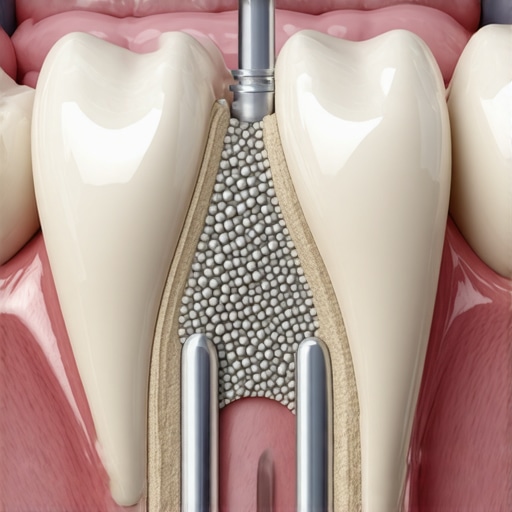
The Three Main Ways We Rebuild Your Jaw
Not every graft is the same because not every hole is the same size. If you just lost a tooth, you might get a simple socket graft. But if you’ve waited years like I did, you might need a ridge augmentation to increase the width of the bone. I remember looking at my X-rays and seeing a thin, sharp ridge where there should have been a thick, sturdy platform. My dentist explained that we had to ‘bulk up’ the area so the implant would have enough grip. This level of precision is part of dental implants 2025 innovations that redefine comfort and durability. Without that width, the metal post could actually poke through the side of the gum, which is a nightmare scenario for anyone looking for a permanent fix.
Give Your Body Time to Turn Sand into Stone
The hardest part for me wasn’t the surgery—it was the waiting. You can’t just put an implant in the next day. Your body has to perform a miracle called osseointegration, where your natural bone grows into and around the grafting material. In my case, I had to wait four months. I was impatient and asked about veneers vs crowns choosing the best option for your smile, wondering if I could just skip the implant and do something ‘on top.’ But because the foundation was gone, those cosmetic fixes wouldn’t have had anything to hold onto. If you try to rush this stage, you’re just setting yourself up for a failure that costs twice as much to fix later.
What the Healing Phase Actually Feels Like
I expected a lot of pain, but it mostly felt like a dull ache and some weird ‘grittiness’ in my mouth for the first 24 hours. That grit was just a few stray particles of the grafting material. It’s a strange sensation, like having a tiny bit of sand stuck under your tongue. I had to be incredibly careful not to disturb the site. This is where family dentistry tips for a lifetime of healthy smiles come in handy; maintaining impeccable hygiene without being aggressive is a delicate balance. I used a special rinse and avoided straws like my life depended on it. If you’ve ever wondered why your dental implant area feels heavy for the first week, it’s usually just the increased blood flow and the body’s inflammatory response working overtime to secure that new scaffold.Everyone tells you that once the implant is in, you’re ‘done.’ I certainly believed that. But here is a contrarian view that most dentists won’t lead with: your implant is only as permanent as your hygiene. There’s a common ‘oops’ factor where patients stop flossing because ‘it’s a fake tooth anyway.’ In reality, the titanium post is invincible, but the bone holding it is not. According to a study published in the Journal of Periodontology, neglecting professional maintenance can lead to peri-implantitis, a condition that mimics gum disease and can cause even the most expensive implant to fail. You need to understand the truth about the lifespan of a dental implant; it is a partnership between medical-grade metal and your living, breathing jawbone.
Why You Shouldn’t Treat Your New Tooth Like a Set-and-Forget Gadget
Beyond just cleaning, people often get distracted by the shiny end result and fall into the mistake that makes your teeth look too white and fake. I nearly did this myself. I wanted the brightest Hollywood white, but my dentist warned me that opaque crowns look like plastic in natural light. This is exactly why your porcelain veneers look opaque and not natural if you don’t account for translucency. Your goal isn’t just a white tooth; it’s a tooth that reflects light the same way your canines and incisors do. 
Could I actually skip the four-month wait and get my tooth today?
This is the big question for the impatient among us. You might have seen ads for ‘teeth in a day’ and wondered why I had to wait months. Understanding how to know if you are a candidate for immediate load implants is critical. If your bone isn’t dense enough—which was definitely my case after years of waiting—putting a crown on an implant immediately is like trying to use a wet cement pillar as a support beam. It just won’t hold. We are seeing incredible progress with the future of dental implants cutting-edge techniques in cosmetic dentistry, but biology still dictates the timeline for most of us. Another ‘hidden nuance’ is the gum health itself. If you’ve been working on family dentistry tips for a lifetime of healthy smiles, you know that healthy gums are the frame for the tooth. If that frame is receding, no amount of bone grafting will make the implant look ‘real.’ Real cosmetic dentistry secrets to boost your confidence aren’t about speed; they are about the invisible foundation. If you try to skip the ‘boring’ steps like bone grafting or healing periods, you’re just renting a smile instead of owning one. Many people realize too late that they should have looked at how dental implants reshape your oral health in 2025 as a long-term investment, not a quick cosmetic fix. Have you ever fallen into the trap of wanting the fastest result possible? Let me know in the comments.Maintaining this investment isn’t about working harder; it’s about working smarter with the right gear. I used to think a standard toothbrush was enough, but once you have a combination of natural teeth and titanium, the rules change. I personally swear by a high-end water flosser equipped with a specialized plaque-seeking tip. Standard string floss often gets caught or shreds on the junction where the crown meets the implant, but the pressurized water can flush out bacteria from pockets that are physically impossible to reach with a piece of wax-coated string. A study published in the International Journal of Oral & Maxillofacial Implants found that water flossing can be significantly more effective at reducing gingival bleeding around implants compared to traditional flossing. If you want to ensure the truth about the lifespan of a dental implant remains a positive one for you, this tool is non-negotiable. 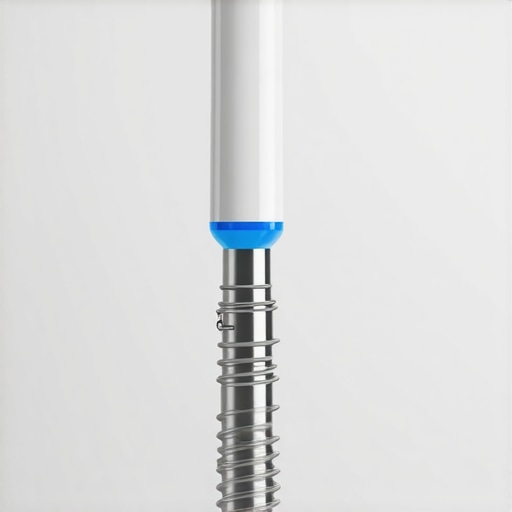
Don’t Scrub Away Your Investment with Abrasive Pastes
If you’ve also opted for cosmetic enhancements, you need to be paranoid about your toothpaste. Most ‘whitening’ pastes use silica or other harsh abrasives to scrub stains, but these act like sandpaper for your porcelain. Over time, they create micro-scratches that actually catch more stain, leading to the very problem you were trying to fix. This is a common pitfall when people are debating veneers vs crowns choosing the best option for your smile. I switched to a toothpaste with an RDA (Relative Dentin Abrasivity) score of under 70. It keeps the glaze on my veneers intact so they don’t lose that ‘pop’ that comes from a veneers transformation unlocking your best smile yet. I have noticed that since making the switch, my gum line stays much calmer and less prone to the irritation that can lead to recession.
How do I maintain this new smile over the long haul?
The secret isn’t just cleaning; it’s protection. If you grind your teeth at night—a habit that likely contributed to original tooth wear—you are now putting hundreds of pounds of pressure on a non-flexible titanium rod or thin porcelain shells. While cosmetic dentistry secrets to boost your confidence often focus on the look, the longevity comes from a custom-fitted night guard. This prevents the porcelain from chipping and the bone from being over-stressed. If you notice any changes, such as why your dental implant crown feels slightly wiggly when you bite, you should contact a specialist immediately. Looking forward, I predict we are moving toward ‘bio-active’ implant coatings that will release bone-growth stimulants in real-time to combat age-related bone loss. For now, we must rely on dental implants 2025 innovations that redefine comfort and durability and consistent family dentistry tips for a lifetime of healthy smiles. My advanced tip for you: check the RDA score of your current toothpaste online today. If it’s over 100, stop using it on your veneers or implants immediately to save the finish.
Why My Second Implant Journey Was Better Than My First
I’ve learned that the “phantom tooth” sensation is real. Because an implant is fused to bone and not attached via a ligament, it doesn’t have the same shock-absorber feel as a natural tooth. You might notice the reason your dental implant feels different than a natural tooth is simply the lack of periodontal ligaments. Another lightbulb moment for me was realizing that while the crown can’t get a cavity, the surrounding tissue is still vulnerable. If you experience why your dental implant feels like it is vibrating when you chew, it’s often just the way sound travels through the metal post and bone. It’s weird at first, but it is actually a sign of a rock-solid connection. Finally, I realized that my lifestyle choices, like staying hydrated and avoiding smoking, were just as important as the surgery itself.
My Non-Negotiable Kit for Implant Longevity
To keep my smile in top shape, I rely on a specific set of tools that go beyond the basics. First, a high-quality water flosser is my best friend for reaching the nooks and crannies around the abutment where standard floss fails. Second, I only use non-abrasive gels to protect my investment; harsh pastes are the enemy of a long-lasting veneers transformation unlocking your best smile yet. Third, I never sleep without a custom-fitted night guard to prevent pressure-related bone loss. These cosmetic dentistry secrets to boost your confidence are really about protecting the mechanical integrity of your jaw over the long haul. #IMAGE_PLACEHOLDER_E#
Build Your Confidence on a Solid Foundation
Don’t let the fear of a bone graft or the length of the healing process stop you from reclaiming your smile. It feels like a long road when you are standing at the starting line, but five years from now, you will only remember the confidence of a full set of teeth, not the four months of waiting for bone to grow. If you’re ready to see what is possible for your specific situation and get a clear roadmap, you should contact a specialist today. Rebuilding with dental implants is one of the most profound gifts you can give your future self. Have you ever felt like a dental procedure was just a sales pitch, only to realize later how much your health actually depended on it? Let me know your story below.