I stood there at the drive-thru, my face getting hot as I tried to order a “strawberry soda” for the third time. The teenager behind the speaker just went silent, clearly wondering if I was messing with them or if I had suddenly forgotten how to use my tongue. It was my eighth day of wearing clear aligners, and despite what the brochure promised, I still sounded like a cartoon character with a serious whistling problem. I thought the adjustment period was supposed to be a couple of days, not a week-long trial of public humiliation.
My Strawberry Soda Disaster and Why Your Tongue is Freaking Out
Honestly, I felt betrayed by my own mouth. I’d spent years dreaming of a straighter smile, but I didn’t realize it came with a side effect of sounding like I was five years old again. If you’re currently hiding from phone calls or dreading your next Zoom meeting because your “s” sounds like a deflating tire, I’ve got you. We are going to break down exactly why your brain hasn’t caught up to your new smile yet and the specific tricks I used to stop the whistling for good. This isn’t just about “getting used to it”; it’s about active retraining. One of the biggest mistakes I made early on was trying to talk less. I figured if I stayed quiet, I wouldn’t have to deal with the embarrassment. In reality, that just delayed my progress because the tongue is a muscle that needs to build new muscle memory. Sometimes, this physical change feels as invasive as why your veneers feel thick and bulky when you try to say the letter s, but it is entirely manageable with the right exercises.
Is This Slur Really Going to Last Forever?
It’s the fear everyone has: “Did I just pay thousands of dollars to lose my ability to speak clearly?” The short answer is no. According to the American Association of Orthodontists, speech changes are a standard part of the orthodontic transition because your tongue uses the back of your teeth as a landing pad for specific sounds. When you add a layer of plastic, that landing pad effectively moves. If you feel like your clear aligners stop fitting correctly, that can exacerbate the issue, but usually, it is just a matter of millimeters. You might even feel similar to how some people describe why your porcelain veneers might feel bulky at first. Have you had a moment where you just wanted to rip the trays out mid-sentence during a presentation? I’ve been there, and I promise it gets better. Let’s look at why that week-long mark is actually the turning point for most people.
Find Your New Tongue Landing Pad
To stop the whistling, you have to accept that your old way of speaking is temporarily offline. Think of your tongue as a high-precision athlete that just had the track moved by two millimeters. When you say words with ‘s’, ‘z’, or ‘th’ sounds, your tongue tip usually hits the back of your front teeth. With aligners, it hits plastic. To compensate, you need to consciously move your tongue slightly further back or apply less pressure. It is very similar to the adjustment period people experience when your porcelain veneer feels rough to your tongue or slightly thicker than your natural tooth. You are essentially recalibrating your internal GPS for your mouth. If you try to force the old movement, you’ll just keep hitting that ‘s’ sound like a deflating balloon.
The Speed Reading Trick That Fixed My Lisp
On my tenth day, I locked myself in the home office with a stack of old magazines and my very confused cat. I started reading out loud, but I didn’t just read—I over-enunciated every single syllable like I was a Shakespearean actor in the back row of a stadium. I spent thirty minutes focusing on ‘Sally sells seashells’ and other tongue twisters. This wasn’t about being quiet; it was about being loud and wrong until I figured out how to be right. By the end of that session, my tongue had naturally found a slightly lower resting point that eliminated the whistle. This type of active retraining is the fastest way to build muscle memory. 
Check the Fit Before You Blame Your Mouth
Sometimes the struggle isn’t about your tongue at all, but the trays themselves. If there is a small gap between the edge of the aligner and your actual tooth, air escapes through that pocket and creates the lisp. You should check to see if your clear aligners stop fitting correctly, as even a tiny lift can sabotage your speech. Also, keep the surfaces smooth; built-up plaque or residue can change the texture of the plastic and confuse your tongue. Knowing how to remove stains from clear aligners without scratching them ensures the surface stays as slick and unobtrusive as possible, which helps your tongue glide rather than trip.
Why This Feels Like a Brand New Smile
This adjustment period isn’t unique to aligners. It’s a hallmark of almost any significant change in cosmetic dentistry. For instance, the reason your dental implant feels different than a natural tooth is often due to the way it interacts with your tongue and cheeks during speech and chewing. Whether it’s aligners, implants, or veneers, your mouth is an incredibly sensitive ecosystem. When you introduce a foreign material—no matter how life-changing the end result will be—your brain needs a few days to stop sending ‘error’ signals to your speech center. Treating this like a physical therapy session for your mouth rather than a permanent disability will change your entire perspective on the process.Let’s dig deeper because the ‘just wait and see’ advice usually ignores the biomechanical reality of cosmetic dentistry. While your brain is plastic, your restorations are not. A common myth in the industry is that speech issues always originate in the mind. In my experience, if you are still whistling after three weeks, the problem is likely structural, not psychological. When navigating expert tips for perfect results with veneers, most people focus on shade, but they forget about the ‘wet line’ of the lip. If the porcelain extends even a fraction of a millimeter too far, your ‘f’ and ‘v’ sounds will feel labored forever. This is why deciding between veneers vs crowns when choosing the best option for your smile requires looking at how much lingual (back-side) volume is being added to your teeth.
Does Your Incisal Edge Sabotage Your Speech?
This is the nuance that separates a basic smile makeover from a functional success. Advanced clinicians use the ‘F’ and ‘V’ test to determine where the edge of the tooth hits the lower lip. If that edge is too long or too far forward, you’ll sound like you have a permanent lisp regardless of how much you practice. A study published in the Journal of Prosthetic Dentistry highlighted that phonetic adaptation is significantly hindered when the vertical dimension of occlusion is altered beyond a specific 1.5mm threshold. If you have already noticed why your veneers look too opaque and how to make them look natural, you might also be dealing with a restoration that is physically too thick for your tongue to navigate. 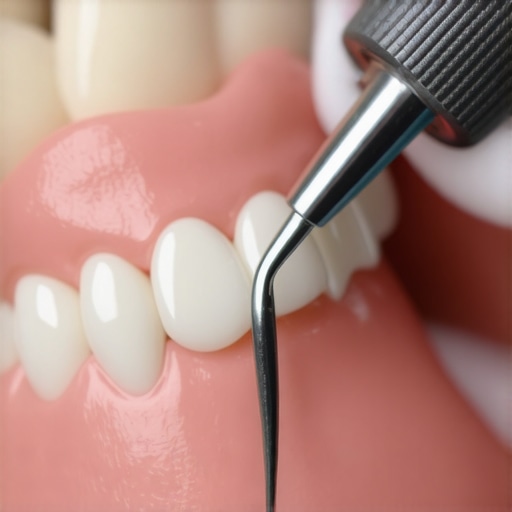
Spot the Invisible Warning Signs
The biggest ‘oops’ factor I see isn’t a broken tooth—it’s the ‘trap of the perfect white wall.’ Many patients fall for the mistake that makes your teeth look too white and fake, which often involves over-contouring the teeth to get that bright, uniform look. This bulkiness doesn’t just look artificial; it crowds the tongue’s workspace and ruins your natural phonetics. Even in family dentistry for a lifetime of healthy smiles, we have to balance orthodontic speed with speech development. If you’re considering more complex procedures, like wondering how to know if you are a candidate for immediate load implants, you must ensure your provider isn’t sacrificing your ability to speak just to hit an aesthetic goal. A tooth that looks perfect but sounds like a whistle is a failure of design, not a failure of your brain. Have you ever fallen into this trap? Let me know in the comments.Once you have moved past the initial ‘whistle’ and your tongue has found its new home, the game shifts from survival to preservation. You didn’t spend thousands on a new smile just to watch it degrade because of a lazy Sunday routine. In my own journey, I realized that my old manual toothbrush was essentially a blunt instrument compared to the precision needed for modern restorations. I switched to the Philips Sonicare DiamondClean because of its pressure sensor; if you press too hard, you risk mechanical wear that can lead to how-to-tell-if-your-gum-recession-is-caused-by-brushing-too-hard-2, which is the last thing you want when you have porcelain margins to protect. I also swear by a high-end water flosser. Using a traditional string around a dental implant can be tricky, and if you aren’t careful, you can actually snag the tissue. A water flosser at a medium-low setting is the secret to how to tell if your dental bridge is trapped with food you can’t see without causing trauma to the site.
The Survival Kit for Your New Smile
My morning routine now involves more than just a quick scrub. I use a non-abrasive gel, specifically avoiding those charcoal ‘whitening’ pastes that act like sandpaper on porcelain. If you are struggling with how to remove stains from clear aligners without scratching them, I highly recommend using ultrasonic cleaning tablets instead of a brush, which keeps the plastic crystal clear and prevents that ‘cloudy’ look. For those with implants, pay close attention to the junction where the crown meets the gum. A study in the Journal of Oral Implantology emphasizes that maintaining a healthy peri-implant seal is the single most important factor in long-term success, often requiring specific interproximal brushes that don’t have a metal wire core. 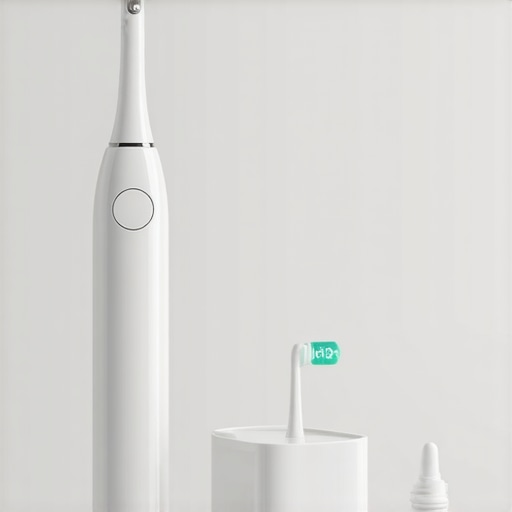
How do I maintain these results for the next decade?
Longevity isn’t an accident; it’s a strategy. For veneers, the biggest threat isn’t coffee—it’s your own jaw. I learned the hard way that the risk of skipping your night guard for just one week can result in micro-fractures that you won’t see for months but will eventually cause a total failure. If you’ve opted for veneers vs crowns when choosing the best option for your smile, remember that the bond is incredibly strong but not invincible to the forces of bruxism. Regular check-ups are also non-negotiable. Your dentist needs to check why your dental implant crown feels loose after years of use or if there’s any sign of cement wash-out. This isn’t just about cleaning; it’s about structural auditing. We are also seeing a massive shift in dental implants 2025 innovations that redefine comfort and durability, which means the tools we use today are becoming even more specialized.
What the Next Five Years of Dentistry Looks Like
I predict that within the next five years, ‘smart’ retainers and aligners will become the standard. These devices will likely include sensors to track wear-time and even pH levels in your saliva to alert you of potential decay before a cavity even forms. We are already seeing the future of dental implants cutting-edge techniques in cosmetic dentistry moving toward 3D-printed biological scaffolds that integrate faster with your bone. The ‘wait and see’ era of dentistry is dying; it’s being replaced by real-time data. If you are serious about your results, I challenge you to upgrade one piece of your kit today—specifically, ditch any abrasive whitening pastes and grab a dedicated orthodontic or implant-safe cleanser. If you have questions about which tools fit your specific restoration, you should contact us to get a professional recommendation tailored to your mouth’s unique architecture.
What I Actually Learned While Relearning to Speak
My biggest takeaway wasn’t just about tongue placement; it was about the mental shift. You have to realize that nobody hears the lisp as clearly as you do. In my case, I was so focused on the tiny whistle that I forgot to actually smile! Here are the lightbulb moments that changed everything for me during those first two weeks:
- Confidence is the best lubricant for speech: When I stopped worrying about the ‘s’ sounds, my jaw relaxed, and the sounds became clearer naturally. This is one of the many cosmetic dentistry secrets to boost your confidence that professionals often forget to mention.
- Hyper-hydration is your friend: Plastic aligners and porcelain veneers can sometimes cause dry mouth, which makes the tongue ‘stick’ and worsens speech issues. Drink more water than you think you need to keep your articulation smooth.
- It is a marathon, not a sprint: Even if you feel a tiny gap that appeared between your gums and your new bridge or aligner, most of the phonetic struggle is resolved with time and healing.
The Daily Gear That Saves My Smile Every Morning
Maintenance isn’t just about health; it’s about preserving the aesthetic investment. My ‘survival kit’ includes a few things I now consider non-negotiable. First, I use a pH-balanced mouthwash that doesn’t stain. Second, I have mastered the secret to keeping your smile white without giving up your morning tea by using a reusable straw and rinsing immediately after my morning cup. Third, I keep a set of aligner seaters in every bag to ensure my trays are always fully seated, which is the best defense against a persistent whistle.
#IMAGE_PLACEHOLDER_E#
Your Confidence Is Worth the Wait
Starting any dental journey is intimidating. Whether you are dealing with the initial whistle of aligners or the weight of a new implant, remember that this discomfort is just the precursor to a life-changing veneers transformation unlocking your best smile yet. Don’t let a few days of ‘strawberry soda’ disasters stop you from reaching your goal. If you ever feel stuck or unsure about your progress, don’t hesitate to contact us for guidance. Your future self will thank you for the week you spent reading magazines out loud to your cat. Did you struggle with certain letters more than others during your first week with aligners? Let me know in the comments below!