I’ll never forget the morning I decided to upgrade my oral hygiene routine with a brush that looked like it belonged on a spaceship. Five minutes in, and my gums weren’t just sore—they were screaming. I’m someone who prides himself on staying on top of family dentistry trends, yet there I was, staring at a pink-tinged sink in total confusion. If you’ve ever swapped your trusty old manual for a fancy electric model only to find your mouth staging a bloody protest, you aren’t alone. It’s a frustrating paradox: you’re trying to take better care of yourself, and your tools seem to be working against you. Today, we are going to get to the bottom of why your gums are revolting against that one specific brush and how you can fix it without a stressful trip to the clinic. Have you ever noticed your gums acting up only when you switch your routine? Drop a comment and let me know, because I’ve been there too.
The Bloody Mess in Your Bathroom Sink
It is a weirdly specific problem, isn’t it? You use your travel brush and everything is fine. You use the guest bathroom manual brush—no blood. But the moment you pick up that one specific electric or charcoal-infused model, it looks like a horror movie. Early in my journey of perfecting my smile, I made the classic mistake of thinking ‘Firm’ bristles meant a deeper clean. I figured if I really scrubbed, I was doing myself a favor. I couldn’t have been more wrong. My gums receded faster than my hairline that year, and I had to learn the best way to brush when you have sensitive gums the hard way. The truth is, your gums are incredibly delicate tissue, not a kitchen floor that needs scouring. If you are noticing why your gums bleed every time you try a new electric toothbrush, it’s usually because the vibration frequency or the bristle stiffness is far too aggressive for your current gum health. According to the American Dental Association (ADA), using a toothbrush with hard bristles can actually wear away your enamel and damage the soft tissue surrounding your teeth. This is especially true if you are already dealing with the impact of pregnancy on your gum health or other hormonal shifts that make your mouth more reactive.
Is a high-tech toothbrush actually worth the hype?
Many people worry that if their brush causes bleeding, it means the device is ‘working’ to remove plaque, or conversely, that the device is a waste of money. Neither is strictly true. While tools like a water flosser are great—especially if you’re learning the benefit of using a water flosser with your braces—a toothbrush that causes trauma is never a ‘win.’ If you’ve been tempted by the truth about whitening your teeth with activated charcoal brushes, be aware that those bristles are often more abrasive than standard nylon. Your gums might not be diseased; they might just be overwhelmed by the hardware. We need to look at the specific mechanics of that brush to understand why it’s the lone culprit in your routine.
Fix Your Technique Before You Throw Away the Tool
If you’ve identified that your specific brush is causing the chaos, the first thing you need to change is your grip. Most people hold their toothbrush in a ‘fist grip,’ which applies way too much torque. Think of your gums like the delicate upholstery of a luxury car—if you scrub it with a wire brush, you’re going to ruin the finish. You should hold your brush with just your fingertips, similar to how you’d hold a paintbrush. When I first made this switch, I felt like I wasn’t cleaning anything at all. It took a week for the swelling to go down, but once I mastered the light touch, I realized I could finally start focusing on how to stop your gums from receding without painful surgery. 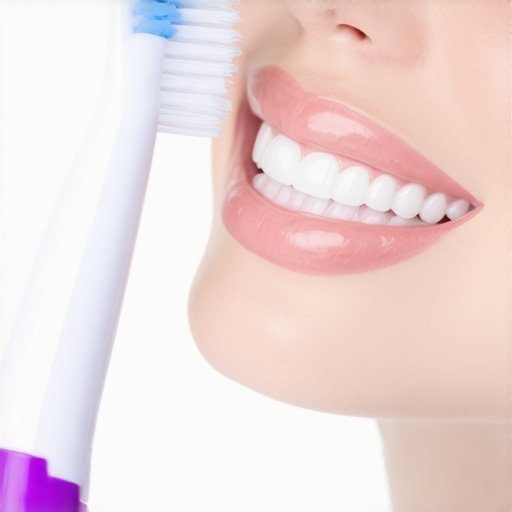
Stop Pressing Like You Are Scrubbing a Tire
The biggest culprit with high-end electric brushes is the pressure sensor—or lack thereof. If your brush doesn’t have a light that turns red when you press too hard, you have to be your own sensor. I remember a time when I thought more pressure meant more whitening. Instead, I ended up with a sore spot that I thought was a serious infection. I was terrified I had a weird bump on my gum that was a fistula, but it was just a localized trauma from my own hand. Modern cosmetic dentistry secrets to boost your confidence often emphasize that the best ‘glow up’ for your smile is simply healthy, pink gum tissue.
The 45-Degree Trick Your Dentist Wishes You Knew
You shouldn’t be brushing the ‘face’ of your teeth directly. Angle the bristles at 45 degrees toward the gum line. This allows the bristles to slip slightly under the gum margin where the real bacteria hide. It’s a precision job, not a demolition job. Think of it like dusting a fragile shelf versus using a leaf blower. If you’re considering veneers vs crowns, your gum health is the foundation that determines how long those investments last. A brush that makes you bleed is usually hitting the tissue at a 90-degree angle, essentially ‘poking’ the gums rather than sweeping them.
Why Soft Bristles Win Every Single Time
If your specific brush has ‘Medium’ or ‘Hard’ bristles, it belongs in the trash or in your cleaning kit for scrubbing bathroom tiles. Only ‘Soft’ or ‘Extra Soft’ bristles should touch your mouth. When I moved away from those stiff, cheap brushes, I noticed my teeth actually felt smoother. Stiff bristles can’t flex into the nooks and crannies as well as soft ones can. This is even more vital if you have restorative work. Whether you are maintaining dental implants in 2025 or just trying to keep your natural teeth, soft bristles prevent the micro-scratches that lead to staining.
When the Problem Isn’t Just the Brush
Sometimes a brush isn’t the cause; it’s just the trigger that reveals an underlying issue. If you’ve followed the steps above and still see blood, the brush might be revealing localized gingivitis. It’s like a ‘check engine’ light for your mouth. When I ignored my bleeding for a month, I found out I had a hidden cavity between my teeth that was irritating the surrounding tissue. Keeping up with family dentistry tips for a lifetime of healthy smiles means acknowledging that a tool can only do so much—the rest is about the health of the tissue it’s touching.
Moving beyond the daily ritual of brushing and the occasional bloody sink, we need to talk about the bigger picture of aesthetic investments. Most people view treatments like veneers or implants as purely cosmetic—the ‘paint job’ of the dental world. But after years of obsessive research and personal trials, I’ve realized that treating cosmetic dentistry secrets to boost your confidence as a vanity project is a dangerous mistake. It’s actually about structural architecture. If you skip the groundwork, that expensive new smile will crumble just as easily as those sensitive gums did with a hard brush. Let’s dig deeper into the nuances that most influencers and marketing brochures won’t tell you.
Stop Chasing the Hollywood White Trap
Everyone seems to think that the goal of expert tips for perfect veneers is to get the whitest shade possible. In reality, that’s the fastest way to look like you’re wearing a pair of plastic dentures. I’ve seen so many people fall into the mistake that makes your teeth look too white and fake. Real teeth have translucency and subtle color gradients. When you choose a monochromatic, ‘bleach white’ shade, it looks flat and unnatural, especially since your veneers look different in sunlight compared to the fluorescent lights of a dental office. If you’re going for a transformation, the nuance lies in the texture and how the light hits the edges, not just the brightness. Have you ever fallen into this ‘too white’ trap? Let me know in the comments, because I almost did before my dentist pulled me back from the ledge.
Why Your Bone Structure Dictates Your Smile Future
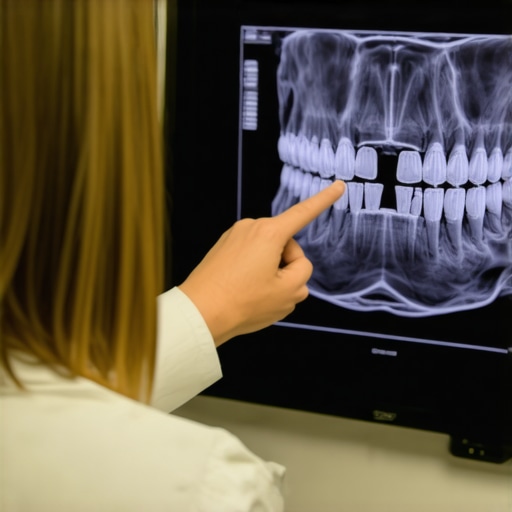
Here is a hard truth: you can’t build a mansion on a swamp. Many patients are surprised when they are told the reason your dental implant surgery requires a bone graft. They think it’s an upsell, but it’s actually the most critical step for longevity. In my experience, skipping a graft when your jaw bone is thin is the number one reason implants fail three years down the line. We are seeing dental implants in 2025 that are more resilient than ever, but they still rely on osseointegration—the biological process of bone fusing to metal. A study published in the Journal of Clinical Periodontology confirms that systemic health factors, such as the impact of smoking on your dental implant success rate, can drastically reduce your body’s ability to heal this foundation. If you ignore the ‘boring’ bone health stuff, you’re just throwing money away.
Can You Actually Outsmart a Bad Dental Implant?
If you’re already noticing issues, like why your dental implant crown feels slightly wiggly when you bite, do not ignore it. A common myth is that once an implant is in, it’s ‘indestructible.’ It’s not. While dental implants reshape your oral health by preventing bone loss, they are still susceptible to ‘peri-implantitis’—a version of gum disease for implants. This is the ‘oops’ factor many people miss. They stop flossing because they think a titanium screw can’t get a cavity. While that’s technically true, the tissue around it is still vulnerable. If you treat your high-end dental work with the same ‘scrub-and-go’ mentality that made your gums bleed in the first place, you’re headed for a very expensive disappointment. Choosing between veneers vs crowns or implants requires a commitment to family dentistry tips that prioritize the health of the gum and bone first, and the aesthetics second.
Once you’ve invested in your smile, the honeymoon phase usually lasts about six months before reality sets in. You get busy, you might forget your specialized floss, or you skip a professional cleaning. But if you want to avoid a situation where your dental bridge feels like it is trapping food, you need a maintenance kit that actually works. I’ve tried every gadget under the sun, but I always come back to the basics: a high-quality water flosser with a specialized ‘orthodontic’ or ‘implant’ tip. The standard tips are fine for natural teeth, but the ones with the tiny, soft brush at the end are game-changers for cleaning around the base of dental implants in 2025. They reach the nooks where plaque loves to hide and harden into calculus.
Don’t let your investment crumble
I’ve noticed a lot of people asking about the difference between manual interproximal brushes and the high-tech ultrasonic ones. Personally, I use the manual ones for my veneers transformation because I want to feel the physical resistance. It gives me a tactile ‘map’ of my gum health. If it feels tight or tender in a specific spot, I know I need to be more diligent. This is one of the cosmetic dentistry secrets to boost your confidence that nobody tells you: the real confidence comes from knowing your foundation is rock solid, not just that it looks pretty in a mirror. I recommend using a non-abrasive gel rather than a standard whitening paste, as many ‘whitening’ formulas contain silica that can dull the polish of your porcelain over time.
How can I keep my veneers and implants perfect for the next decade?
The biggest threat to your new teeth isn’t usually coffee or red wine—it’s your own jaw. Stress-induced grinding, or bruxism, can shatter porcelain in a single night if you aren’t careful. This is why a custom-fitted night guard is absolutely non-negotiable. If you already have one, you must learn how to clean your night guard without damaging the material, because a bacteria-laden guard is just as dangerous as no guard at all. According to Dr. Gordon Christensen of the Clinicians Report, a leading niche expert in clinical evaluation, lithium disilicate—the material in most high-end veneers—has incredible longevity, but only if the ‘occlusal forces’ are managed properly. This means keeping those biting pressures in check through consistent guard use.
The tactical secret to a 20-year smile
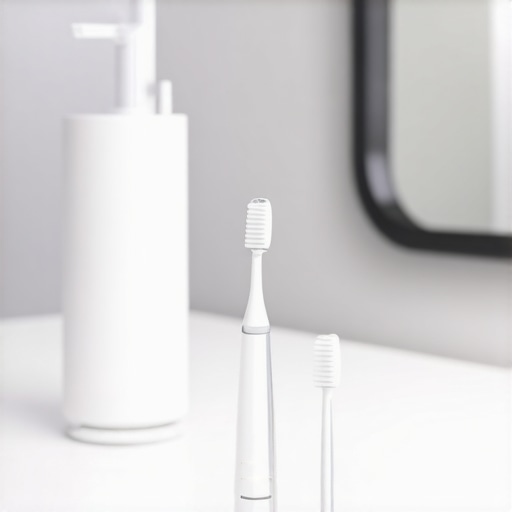
I predict that in the next few years, the future of dental implants will involve smart sensors embedded in the crown that can alert your phone if they detect excessive grinding or early signs of tissue inflammation. Until that sci-fi reality arrives, we have to do the manual labor ourselves. Whether you chose veneers vs crowns, you have to treat the margins—that tiny line where the restoration meets the gum—like a sacred site. I’m a huge advocate for using an alkaline mouthwash instead of the popular alcohol-based ones. Alcohol can actually soften the resin bonding agents used in expert tips for perfect veneers, leading to micro-leaks and staining at the edges. My challenge to you: tonight, instead of just a quick brush, spend an extra 60 seconds using a water flosser specifically on the ‘backs’ of your dental work. You’ll be shocked at what your toothbrush missed, even if you think you’re a pro at family dentistry tips for a lifetime of healthy smiles. It is these small, daily habits that turn a five-year fix into a twenty-year transformation.
The Hardest Lesson I Learned About Protecting My Dental Investment
After years of experimenting, I realized that my gums weren’t just reacting to a brush; they were signaling a deeper imbalance. One lightbulb moment for me was realizing that the reason your gums are receding around one specific tooth often comes down to uneven pressure or an underlying bite issue, not just the bristles. I also learned that rushing into aesthetics without a plan is the biggest mistake that makes your teeth look too white and fake. True success in oral health is about harmony—where your gums look as healthy as your teeth look bright.
My Personal Toolkit for a Lifetime of Confidence
I don’t leave my dental health to chance anymore, and neither should you. My daily routine relies on three non-negotiables. First, a high-quality water flosser is essential; I saw massive improvements when I learned the benefit of using a water flosser with your braces or implants. Second, I always keep a custom-fitted night guard close by to protect against stress-grinding. I’ve even mastered how to clean your night guard without damaging the material to ensure it stays fresh. #IMAGE_PLACEHOLDER_E# Lastly, I stick to the foundational family dentistry tips for a lifetime of healthy smiles, which means regular check-ups to catch minor issues before they become expensive nightmares.
Don’t Let a Temporary Setback Stop Your Smile Evolution
If your gums are bleeding today, don’t view it as a failure of your new routine—view it as a conversation your body is having with you. Whether you are navigating the complexities of how dental implants reshape your oral health in 2025 or just trying to find a brush that doesn’t hurt, remember that you are in control. Your smile is the most powerful tool you have for connection and confidence. By applying these cosmetic dentistry secrets to boost your confidence, you’re not just fixing a bathroom mess; you’re building a foundation that will last for decades. Have you ever had a specific toothbrush make you second-guess your whole routine? Let me know in the comments below!