I was brushing my teeth one Tuesday night, staring at my reflection, when I felt it—a tiny, painless bump just above my upper molar. I poked it with my tongue. Probably just a rogue tortilla chip scratch, I told myself. I’ve always been diligent about following family dentistry tips for healthy smiles, so I figured my mouth was bulletproof. I was wrong. I spent the next ten days watching this thing grow and shrink like a tiny tide. I made the rookie mistake of assuming that because it didn’t hurt, it wasn’t a problem. By the time I finally sat in the chair, my dentist delivered the news: it was a fistula. Today, I’m going to show you exactly how to spot the difference between a harmless blister and this specific warning sign of a deeper infection.
Why You Should Stop Poking That Gum Pimple
A fistula—or a ‘parulis’ as the pros call it—is basically a drainage pipe. When an infection, usually an abscess, builds up at the root of your tooth, the pressure has to go somewhere. Your body, being surprisingly clever, carves a tunnel through the bone and gum to let the fluid out. It’s a pressure-release valve for your jaw. I once thought my weird gum texture was just gum recession from brushing too hard, but ignoring the root cause is a recipe for disaster. According to the American Association of Endodontists, an untreated dental abscess can spread to the jawbone and even other parts of the head and neck. Ignoring it doesn’t make the infection go away; it just gives it a head start. Leaving a tooth to rot under the surface increases the risk of losing that tooth entirely, and trust me, the road to recovery is much longer then.
Is this really worth a trip to the dentist?
I get it. Life is busy, and dental visits can be intimidating. You might be tempted to wait it out since the bump often drains and disappears for a few days. But that ‘relief’ is a trap. The disappearance of the bump just means the pressure dropped, not that the bacteria left the building. I waited too long and nearly lost a molar because I was afraid of a simple x-ray. Don’t be like me. Have you ever found a weird bump in your mouth and hoped it would just vanish overnight? If so, you need to know what to look for before the ‘metallic penny’ taste starts. We’re going to dive into the physical signs next.
Look for the Warning Signs Before the Pain Starts
Identifying a fistula isn’t always as obvious as a throbbing toothache. Often, the first sign is a change in your sense of taste. I remember sitting at dinner and suddenly wondering why my steak tasted like a copper pipe. That was the real reason your breath smells like metallic pennies—the infection was actively draining into my mouth. You need to look for a small, pimple-like bump on the gum line, usually near the root of a tooth. If you press it and it feels squishy or releases a tiny bit of fluid, you aren’t looking at a scratch; you’re looking at a localized infection path. Unlike a canker sore, which is shallow and painful to the touch, a fistula often feels ‘deep’ and may even feel slightly firm at the base. 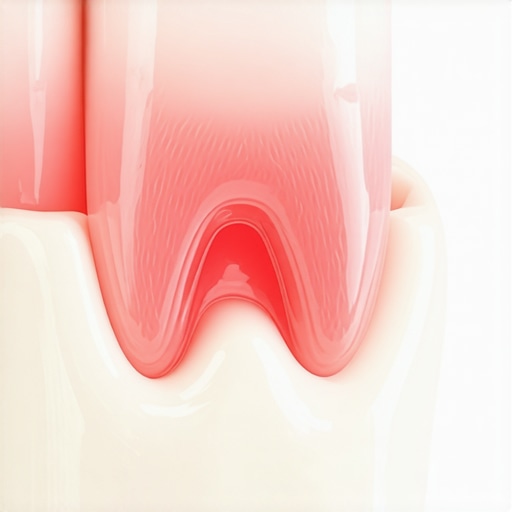
Why a Simple X-ray Might Not Be Enough
When I finally went in, I expected a quick scan and a prescription. However, standard two-dimensional x-rays sometimes hide the true extent of the damage behind other roots or bone structures. To really see the ‘tunnel’ the infection has carved, your dentist might need a more detailed view. This is where modern technology comes in. Understanding what your culpeper dentist sees on a cbct scan that a standard x-ray misses can be the difference between saving a tooth and an emergency extraction. A 3D scan allows the doctor to trace the fistula back to the exact root canal that has failed. I learned the hard way that the danger of ignoring a small chip on your molar is that it provides a highway for bacteria to reach the pulp, eventually creating these hidden tunnels.
The Choice Between a Root Canal and an Implant
Once the fistula is confirmed, you have two main paths. The first is a root canal, where the dentist cleans out the infected pulp and seals the tooth. But if the infection has been active for too long, the tooth’s structure might be too compromised to save. In my case, I was right on the edge. If the tooth can’t be saved, you transition from general care to restorative options. Many people worry about the permanence of replacements, but the truth about the lifespan of a dental implant is that they are designed to last decades when properly maintained. I actually had to weigh the costs of a repeat root canal versus a fresh start with an implant. If you go the implant route, you’ll need to monitor the site closely during the first few months. Knowing how to tell if your dental implant is rejecting or just healing is essential for peace of mind. The goal is always to stop the drainage and eliminate the bacterial source so your jawbone can finally begin to knit itself back together.
Why Your New Implant Isn’t Actually Bulletproof
It’s a common myth that once you swap a failing tooth for titanium, you’re ‘done’ with dental problems. I used to think of implants like a porcelain figurine—pretty and permanent. But here is the truth: while an implant can’t get a cavity, it can absolutely fall victim to peri-implantitis. This is essentially gum disease for implants. In fact, a study published in the Journal of Oral Implantology notes that without meticulous hygiene, the tissue around an implant can inflame even faster than natural gum tissue because the implant lacks the ‘biological seal’ of a natural tooth. The truth about the lifespan of a dental implant is that it’s a lifetime commitment to hygiene, not a ‘get out of flossing free’ card. I’ve seen people assume their dental implant crown feels slightly wiggly just because of a loose screw, but it could be a sign of bone loss.
The Hidden Trap of Choosing Veneers for the Wrong Reasons
When we talk about cosmetic dentistry secrets to boost your confidence, the conversation almost always goes straight to veneers. But here is the advanced nuance: sometimes, a veneer is actually the wrong tool for the job. If you have significant structural damage or a heavy bite, a veneer can act like a thin shell on a cracked egg. Many people fall into the trap of wanting that thin aesthetic look, only to realize choosing between veneers and crowns depends entirely on how much natural enamel you have left. If you force a veneer onto a tooth that needs a crown, you might end up wondering why your porcelain veneers look opaque and not natural or, worse, having them pop off during a meal. 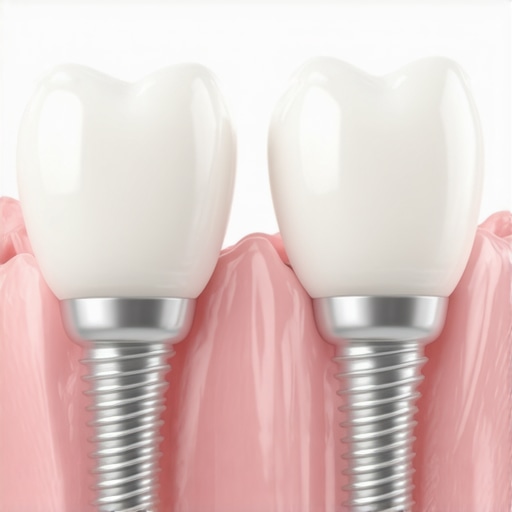
Can Cosmetic Work Actually Change the Way You Speak?
This is a question I get all the time from people looking at a full-mouth restoration. The answer is a resounding yes, but only if the ‘incisal edge’ (the biting edge) isn’t placed perfectly. If your dentist makes your front teeth just a millimeter too long, you might find why your veneers feel thick and bulky when you try to say the letter s becomes your new daily frustration. This is why expert tips for perfect results with veneers always emphasize ‘phonetic testing.’ It isn’t just about looking good in a mirror; it’s about how your lip hits the tooth when you say ‘f’ or ‘v.’ In the world of family dentistry tips for a lifetime of healthy smiles, the biggest ‘oops’ factor is the ‘wait and see’ approach for minor sensitivities. If you notice why your teeth hurt when you eat something very sweet, that’s not just a quirk; it’s a warning that your enamel is compromised. Advanced patients know that catching a micro-cavity now is the difference between a simple filling and a $4,000 replacement later. Have you ever fallen into the trap of prioritizing looks over function in your dental care? Let me know in the comments. If you’re ready to fix that ‘weird bump’ or finally address your smile, contact us today to see what’s actually happening beneath the surface.Once you’ve cleared the hurdle of the ‘weird bump’ or the initial surgery, the real work begins—and it isn’t what you think. I’ve realized that the ‘honeymoon phase’ with a new restoration usually lasts about six months. After that, real life happens: you might get a bit lazy with the floss or skip a cleaning because things ‘feel fine.’ To keep everything functional, you have to transition from basic family dentistry tips for a lifetime of healthy smiles to a much more rigorous, specialized regimen.
Stop treating your implants like they are regular teeth
While your titanium root can’t rot, the gum tissue around it is actually more vulnerable to rapid-onset inflammation than your natural teeth. The American Academy of Periodontology (AAP) notes that the peri-implant environment is uniquely susceptible to bacterial infiltration because the ‘biological seal’ around an implant is weaker than the fibers attached to a natural tooth root. This is why I personally recommend using an air-flosser or a high-pressure water flosser every single night. If you’re banking on the truth about the lifespan of a dental implant being ‘forever,’ you have to be the one doing the maintenance work. I also use TePe interproximal brushes—those tiny ‘Christmas tree’ brushes—to clean the specific nooks where a standard brush just bounces off the crown.
How do I keep my new smile working perfectly for decades?
The secret isn’t just cleaning; it’s protecting the structural integrity of the ceramic. If you chose veneers over other options after weighing veneers vs crowns: choosing the best option for your smile, you have to remember that porcelain is glass. It’s incredibly strong but brittle. One night of stress-induced clenching can create micro-fractures that you won’t see until a year later when the veneer suddenly snaps. This is why I never sleep without my custom-fitted night guard. I’ve seen too many people regret the risk of skipping your night guard for just one week, only to wake up with a jagged edge on a tooth they spent thousands to perfect. 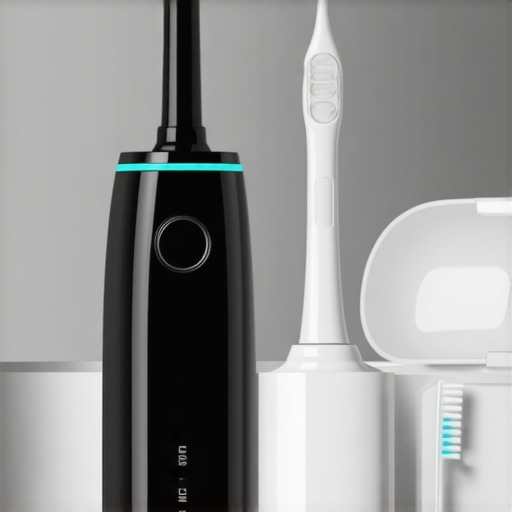
The future of your smile is digital and preventative
Looking ahead, we’re moving toward a world where your dentist can compare 3D scans from year to year to catch bone loss before it even shows up on a standard x-ray. I’m particularly excited about dental implants 2025 innovations that redefine comfort and durability, which include smart-surface technology that actually encourages faster bone integration. We are also seeing a shift in the future of dental implants: cutting-edge techniques in cosmetic dentistry where robotic-assisted surgery ensures the angle of your replacement tooth is mathematically perfect to minimize wear on your opposing teeth. If you want to stay ahead of the curve, my advanced tip is this: ask your dentist for a high-resolution intraoral scan at your next check-up to establish a ‘baseline’ for your gum height. This allows you to track even a half-millimeter of recession over time. If you’re ready to see how these advanced tools can save your smile, contact us and let’s set up a comprehensive digital scan.
The Reality of Maintaining Titanium and Porcelain
Reflecting on the journey from a scary dental fistula to a fully restored smile, I’ve realized that dental implants and veneers are not a ‘set it and forget it’ solution. One of the biggest lightbulb moments was understanding that my body treats a titanium post differently than a natural tooth. Without that natural periodontal ligament acting as a shock absorber and seal, my hygiene had to become even more precise. I also learned that cosmetic dentistry secrets are only as good as the foundation they sit on. Finally, I discovered that being proactive with family dentistry tips for a lifetime of healthy smiles is the only way to avoid the cycle of expensive emergency repairs.
The Daily Toolkit That Protects Your Investment
To keep my dental work in peak condition, I’ve curated a specific routine that goes beyond a standard toothbrush. First, I never skip a night with my custom guard because I know the risk of skipping your night guard for just one week can lead to micro-fractures in porcelain. I also rely on a high-quality water flosser, which is essential for reaching those tight spaces where dental implants meet the gum line. If you are looking at the next generation of care, dental implants 2025 innovations are making these tools even more effective. Finally, I always use interproximal brushes to ensure no bacteria can hide in the gaps. #IMAGE_PLACEHOLDER_E#
Your New Chapter in Dental Health Starts Now
You don’t have to wait for a crisis to take control of your oral health. Whether you are dealing with a mysterious fistula or just want to level up your confidence through cosmetic dentistry, the first step is always the same: professional assessment. The peace of mind that comes from a clear 3D scan and a solid treatment plan is worth more than any temporary fix. If you’re ready to stop guessing and start healing, contact us today to begin your transformation. Have you ever ignored a minor tooth sensitivity only to have it turn into a bigger issue later? Let me know your story in the comments below!