I stood in front of the mirror, grinning like a fool, waiting for that perfect Hollywood smile to stare back at me after months of dental appointments. But then, I saw it. My brand-new implant crown looked… well, short. It was like one of the kids in a school photo who didn’t get the memo to stand on a box. I felt a pit in my stomach, worrying that I’d just invested a small fortune into cosmetic dentistry secrets to boost your confidence only to end up with a lopsided bite. It’s a frustrating, visceral feeling when you expect symmetry and get a stubby tooth instead. But here is the secret I learned the hard way: that height difference is often intentional, and today, I’m going to help you figure out if your dentist actually did you a massive favor.
The Moment I Realized My New Tooth Was Too Short
When I first went through the process of getting an implant, I was obsessed with the aesthetics. I spent hours looking at the future of dental implants and imagining a seamless row of ivory. My biggest mistake? I assumed an implant should behave exactly like a natural tooth. I even called my office, frantic, convinced they’d measured the porcelain wrong. I’ve been where you are, staring at the gap between the top of the crown and the gum line, or noticing that it doesn’t quite reach the same height as the neighbor. Have you ever caught yourself running your tongue over your new crown and wondering if it’s just… missing something?
Is my dentist just trying to cover up a mistake?
It’s a fair question to ask, and honestly, I asked it too. It’s easy to feel like you’re being gaslit when you’re told a shorter tooth is normal. However, dental implants aren’t just about looks; they are about mechanics. According to the American Academy of Implant Dentistry, implants lack the periodontal ligament—the shock absorber found in natural teeth—which means they handle pressure very differently. If your crown was the same height as your natural teeth, every time you clenched your jaw, that implant would take the full force of your bite without any cushion, leading to potential bone loss or even a fractured crown.
Why a Shorter Crown Might Actually Save Your Jaw
If you’ve noticed why your dental implant is showing a tiny dark line or if your bite feels slightly off, it’s usually because your dentist is trying to protect the integrity of the titanium post. We often call this infraocclusion. If the tooth is even a fraction of a millimeter too high, it becomes what dentists call a heavy contact, which can cause the implant to fail entirely. I learned this the hard way when I pushed for a taller crown on a previous procedure and ended up with constant jaw aches. Now, I know better. Sometimes, trying to how to fix a smile that feels too narrow or small requires accepting that biology dictates the design more than our vanity does.
Tapping the Blue Paper to Save Your Investment
Think of your bite like a perfectly tuned engine. If one spark plug is just a hair too long, the whole system rattles and eventually breaks. When you sit in that chair and your dentist asks you to tap, tap, tap on a thin strip of blue articulating paper, they are looking for heavy spots. I remember sitting there for forty-five minutes once, getting frustrated because I wanted my molar to feel substantial. My dentist kept grinding it down, and I felt like my money was literally turning into dust on the floor. But he explained that because implants are fused directly to the bone, they have zero give. If your natural teeth are like a car with high-end suspension, your implant is like a car with no shocks at all. If that crown is even a fraction too tall, it takes 100% of the force every time you chew.
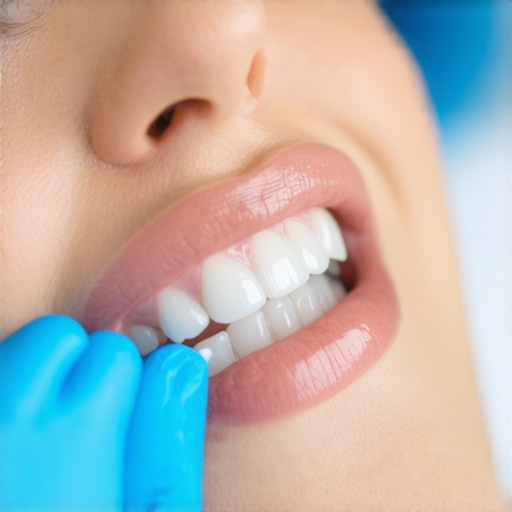
Tell Your Dentist Exactly What Your Tongue Feels
Your tongue is actually the most sensitive tool in your mouth; it can detect differences as small as 0.01mm. When I got my second implant, I stopped trying to be the easy patient and started being specific. Instead of saying it feels weird, I said, it feels like there is a gap when I am at rest, but it touches when I clench. This helped him determine if we were dealing with why your dental implant is showing a tiny dark line or just a deliberate space. If you are struggling to decide between different restoration types, understanding veneers vs crowns choosing the best option for your smile is vital because the way they seat on your natural tooth or post changes everything about your occlusion.
The Secret of the 20-Micron Gap
There is a technical reason your crown might look short: the shimstock test. Dentists often leave a microscopic gap—about the width of a human hair—so that when you bite down hard, your natural teeth compress into their sockets and the implant finally makes contact. If the contact happens too early, you risk bone loss around the titanium post. I once saw a friend ignore a high crown because they liked the look of the longer tooth, only to end up back in the chair three years later because the implant had literally shaken itself loose from the jawbone. This is why family dentistry tips for a lifetime of healthy smiles always emphasize function over pure aesthetics.
Why Materials Matter for That Perfect Fit
Whether you are looking at the truth about the durability of composite vs porcelain veneers or choosing a material for your crown, the wear factor is huge. Porcelain is incredibly strong, but it is also unforgiving. If you have a history of grinding, your dentist might intentionally make the crown slightly under-contoured to prevent the connection between frequent headaches and grinding your teeth from worsening. It is better to have a tooth that looks 2% shorter than a tooth that gives you a 10/10 migraine every morning.
Don’t Panic if It Feels Like a Trap for Food
Sometimes a short crown isn’t about the height of the biting surface, but the height of the shoulder near the gum. I panicked when I thought I saw a gap where food could get stuck. In reality, the dentist was shaping the tissue. If you feel like your restoration is catching debris, you should learn why your dental bridge feels like it is trapping food to see if it is a design choice or a fit issue. Most of the time, that short look is just the porcelain being tucked safely away from sensitive gum tissue to prevent inflammation.
Everyone tells you to go for the brightest shade possible when you finally commit to a smile makeover. But in my experience, the biggest ‘oops’ factor in cosmetic dentistry is ignoring the ‘translucency’ of natural enamel. I’ve seen people spend thousands on veneers vs crowns choosing the best option for your smile only to end up with what I call ‘chiclet teeth’—opaque, flat, and devoid of life. A study published in the Journal of Esthetic and Restorative Dentistry highlights that natural dental aesthetics depend heavily on how light passes through the tooth, not just the surface color. If your new teeth don’t have that slight gradient—looking a bit more transparent at the tips—they’re going to look like expensive plastic stickers. Have you ever fallen into this trap where you thought more was better, only to realize it looked unnatural? Let me know in the comments. When I was looking into the future of dental implants, I realized that the real secret isn’t just the porcelain; it’s the architecture underneath. People often think they can bypass a bone graft to save time, but the reason your dental implant surgery requires a bone graft is usually to prevent the metal from showing through thin gums years later.
Can my teeth be too white to look real?
Absolutely. The most common the mistake that makes your teeth look too white and fake is selecting ‘Bleach 1’ (the whitest shade) without considering your skin tone. If your teeth are brighter than the whites of your eyes, they will look artificial every time you step into the sun. This is why it’s critical to how to pick the right shade for your new porcelain veneers using natural light. If you have already started the process, you might notice the reason your veneers look different in sunlight is due to the lack of ‘opalescence’ in cheaper materials. 
The Foundation Usually Matters More Than the Porcelain
Another nuance people miss is the ‘occlusal scheme.’ You might think a flat, smooth biting surface on your dental implants 2025 innovations that redefine comfort and durability would be easier to clean, but it actually makes chewing less efficient. Your teeth need those tiny ridges and valleys to grind food properly. If your dentist smooths them out too much to avoid breakage, you might find why your jaw pops only on the left side when you chew because your muscles are overcompensating. Beyond the bite, you have to consider the long-term wear. I often see patients choose composite because it’s cheaper, but understanding the truth about the durability of composite vs porcelain veneers shows that porcelain resists staining and chipping far better over a decade. If you are investing in transform-your-smile-with-veneers-expert-tips-for-perfect-results, don’t skimp on the protective night guard afterward. Ignoring the connection between frequent headaches and grinding your teeth can lead to you snapping off a five-thousand-dollar smile in your sleep. Ultimately, family dentistry tips for a lifetime of healthy smiles always come back to one thing: biology beats vanity. A slightly imperfect, functional tooth will always outlast a ‘perfect’ one that ignores the laws of physics.
Stop fighting with traditional floss and switch to a water jet
I used to think that once the check was signed and the porcelain was bonded, the hard work was over. I could not have been more wrong. After my own experience with a ‘short’ crown, I realized that the real challenge is making sure those five-figure upgrades last thirty years instead of five. One tool I absolutely swear by now is a high-pressure water flosser. If you have ever tried how to remove a stuck piece of floss between tight teeth, you know that manual string can sometimes shred against the edges of a crown or veneer. I use a professional model with pulse technology to clean the ‘sulcus’—the tiny pocket around the implant—where bacteria love to hide. It is a game-changer, especially because the benefit of using a water flosser with your braces or implants is that it flushes out the biofilm without mechanical trauma to the gums.
How do I maintain my dental investment over time?
Maintaining high-end dental work isn’t about scrubbing harder; it is about being smarter. According to research published in the Journal of Periodontology, titanium implants are particularly susceptible to peri-implantitis if plaque is left to calcify into tartar. This is why I schedule a cleaning every four months rather than six. I also make it a point to how to clean your night guard without damaging the material every single morning. If you are a grinder, that night guard is the only thing standing between you and the connection between frequent headaches and grinding your teeth. Without it, your porcelain will eventually chip, no matter how much you paid for it. 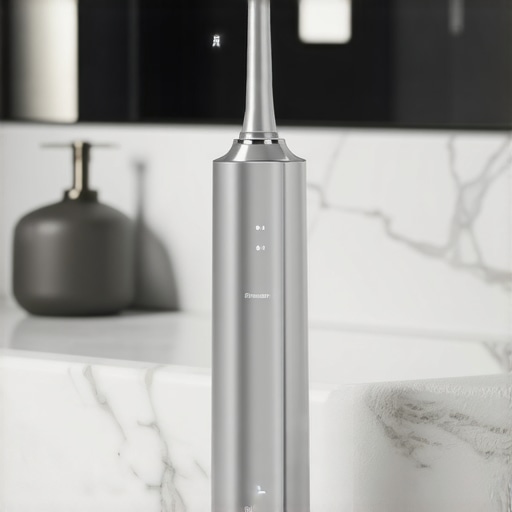
Tech that keeps your jaw from failing
I have also become a bit of a nerd about the diagnostic side of things. I won’t go to a dentist now unless they use a CBCT scan. I learned that the reason your culpeper dentist uses cbct scans instead of regular x-rays is to see the bone in 3D, ensuring the implant has not lost even a millimeter of support. This level of precision is exactly where the industry is going. In the next few years, I predict we will see 3D-printed zirconia restorations that are custom-milled in the office in under twenty minutes, perfectly matched to your bite’s unique ‘dynamic occlusion’—meaning how your teeth move while you are actually chewing, not just when you are biting down on blue paper. For those still deciding on their path, veneers vs crowns choosing the best option for your smile often comes down to how much support your remaining tooth structure has. If you want to see what is possible, look at a veneers-transformation-unlocking-your-best-smile-yet and notice how the gum health is the real star of the show. My best advice? Try the ‘fizz’ test tonight: soak your night guard or retainer in a professional-grade effervescent cleaner and see how much debris comes off. If it is a lot, you need to step up your hygiene game before your next appointment to protect your porcelain.
The Hard Truth I Discovered While Protecting My New Smile
After my initial panic subsided, I realized that my obsession with a ‘perfect’ looking tooth was actually a risk to my oral health. Here are the three lightbulb moments that changed how I view my restoration:
- Function always trumps the mirror: I learned that a crown that feels ‘short’ is often a deliberate engineering choice to prevent the titanium from cracking under the pressure of my natural bite.
- Tissue health is the real beauty: Sometimes what we perceive as a gap is actually room for the gums to breathe and heal without inflammation.
- Trusting the data: When I saw the reason your culpeper dentist uses cbct scans instead of regular x-rays, I understood that the alignment was based on 3D bone density, not just where I thought the tooth should sit.
My Personal Checklist for Maintenance That Actually Works
I don’t just brush and hope for the best anymore. To keep my porcelain looking like it did on day one, I rely on a few specific resources. First, I stopped using harsh chemicals and learned how to clean your night guard without damaging the material to ensure my protective gear stays fresh and bacteria-free. I also swear by a high-end water flosser because the benefit of using a water flosser with your braces or implants is that it reaches the microscopic nooks that traditional string floss simply ignores. Finally, I stay informed on the future of dental implants so I know when it is time for a professional upgrade or a simple adjustment to keep my bite perfectly balanced.
The Future of Your New Smile Depends on Today
Your journey doesn’t end when the crown is cemented; it actually begins there. By embracing these small adjustments and trusting the science behind your occlusion, you are setting yourself up for decades of success. Whether you are looking for cosmetic dentistry secrets to boost your confidence or just want a bite that doesn’t ache, remember that your dentist’s precision is your best friend. Investing in family dentistry tips for a lifetime of healthy smiles is the most proactive thing you can do for your future self. Have you ever felt like your new crown was ‘missing’ something only to realize it was actually protecting your jaw? Let me know your experience in the comments.