I’ll never forget looking at my wedding photos and feeling a pang of disappointment that had nothing to do with the catering or the music. Every time I laughed, it looked like my teeth were retreating into the back of my mouth, leaving these dark, empty spaces at the corners of my lips. I spent years thinking I just had “small teeth” or that my mouth was too big for my grin. I even fell for the mistake that makes your teeth look too white and fake, thinking that blinding neon-white teeth would somehow make my smile look wider. It didn’t. It just made the “narrowness” more obvious. If you have ever felt like your smile looks lopsided in recent photos or just plain “underwhelming,” I’ve got some good news for you. We are going to talk about how to actually broaden that buccal corridor—that’s the dental term for the space between your teeth and the corners of your mouth—to give you the full, confident look you’ve been craving. Have you ever caught yourself practicing a “wider” smile in the mirror only to feel like it looked forced? Let me know in the comments, because you are definitely not alone. [image_placeholder]
Why Your Smile Feels Like It Is Hiding in the Shadows
Narrow smiles usually happen because of the way your jaw is structured or how your teeth are aligned. It is often a matter of the arch being too narrow. When the arch is U-shaped and tight, the teeth in the back do not show up when you smile, creating those “dark hallways” at the edges. According to a study published in the American Journal of Orthodontics and Dentofacial Orthopedics, a wider smile is often perceived as more attractive and youthful because it minimizes these dark buccal corridors. I used to think the only way to fix this was some sort of radical surgery, but cosmetic dentistry secrets to boost your confidence often involve much less invasive tweaks. We are going to look at how things like veneers can actually build out the sides of your smile to fill those gaps.
Is This Actually Worth the Hype?
This is the number one fear I hear from people—and honestly, it was mine too. You do not want to go from a narrow smile to looking like you are wearing a mouthguard. The key is finding a balance where the teeth are proportioned correctly to your face. If you have ever wondered why your veneers feel bulkier than your natural teeth, it is usually because the transition was not handled with enough artistry. When done right, broadening your smile does not just make your teeth look bigger; it supports your lips and can even give you a mini-facelift effect by filling out the lower third of your face. We are going to break down the exact steps to get there without looking like a different person.
Start With a Digital Preview of Your New Arch
To get that Hollywood-wide look, you cannot just slap white paint on your teeth and call it a day. You have to change the actual silhouette of your smile. The process begins with a comprehensive digital mockup. This is not just a guess; the reason your Culpeper dentist uses CBCT scans instead of regular x-rays is to see exactly where your bone and tooth roots sit before making any structural changes. I remember sitting in the chair, looking at a 3D scan of my mouth, and for the first time, I saw how much ‘black space’ was actually there. It was like looking at a floor plan of a house and realizing there was a whole unused hallway. By using digital smile design, your dentist can show you exactly how many millimeters your teeth need to be ‘built out’ to fill those corners. 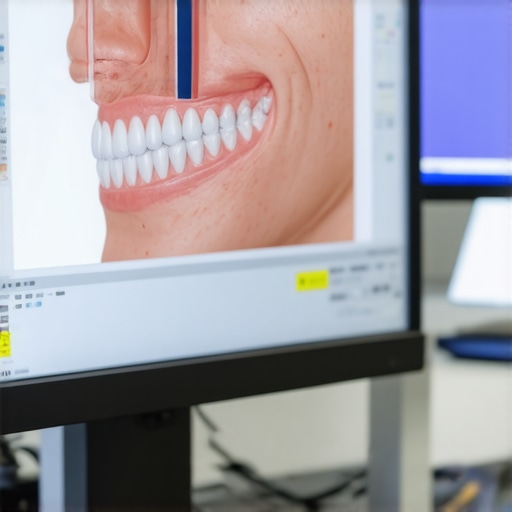
Building Out the Sides With Porcelain
Once the map is set, the most common way to physically widen the smile is through a veneers transformation. Think of veneers like custom-fitted siding for a house. If your teeth are tucked too far inward, the porcelain does not just sit on the front; it is crafted to sit slightly more toward the cheek side. This is why expert tips for perfect results often emphasize the importance of the premolars. If you only veneer the front four or six teeth, you will still have those dark shadows at the corners. During my own trial run with temporary veneers, I realized one side felt slightly thicker against my lip. I was panicked that I would look like a chipmunk, but that extra millimeter was exactly what filled the ‘black hole’ on my left side. When the permanents went in, the transition was seamless, but the visual impact was massive.
How to Pick the Right Material for Width
You also need to weigh the material options carefully. When you are adding volume to the sides of your teeth, durability is everything because those premolars do a lot of heavy lifting when you chew. The truth about the durability of composite vs porcelain veneers is that porcelain usually wins for smile widening because it can be made incredibly thin yet remain strong enough to support that new outward position. If you choose a material that is too opaque, you end up with that ‘fake’ look we talked about earlier. You want a material that allows light to pass through, so even the teeth in the back look like they belong in your mouth.
When Missing Teeth Create Dark Hallways
Sometimes the ‘narrow’ look is not caused by tooth alignment at all, but by missing teeth in the back that have caused the arch to collapse. If you are missing a molar, your cheek loses its internal support system and begins to cave in. This is where how dental implants reshape your oral health in 2025 becomes a game changer. An implant does not just fill a gap; it provides the structural ‘pillar’ needed to keep your smile looking wide and youthful. Without that support, no amount of whitening will fix the ‘sunken’ look. Before you commit to the aesthetic side, you have to ensure the foundation—your actual bite and tooth count—is solid. Don’t forget that how to pick the right shade for your new porcelain veneers is just as important as the shape; if the side teeth are too dark, they will still look like they are receding into the shadows, even if they are physically wider.
Stop Focusing Only on the Front Six Teeth
The biggest mistake I see—and the one I almost made—is the “front-only” trap. Most people think a smile transformation is all about those central incisors. But if you only address the front, you end up with what I call the “picket fence” effect: a bright white block in the center surrounded by even darker shadows at the sides. To truly broaden the buccal corridor, the work has to extend to the premolars. When you look at veneers vs crowns: choosing the best option for your smile, the goal isn’t just to cover the tooth; it’s to change the angle at which the light hits your arch. If your dentist doesn’t mention “buccal tipping”—the subtle outward angling of the side teeth—you aren’t getting a wider smile; you’re just getting whiter teeth.
Can a Smile Be Too Wide for Your Face?
This is where the nuance of facial flow comes in. A study published in the Journal of Prosthetic Dentistry found that while minimal buccal corridors are generally preferred, a completely “filled” corner with zero negative space can actually look aggressive and unnatural. The “oops” factor here is over-building the porcelain to the point where it interferes with your “lip drape.” I’ve seen cases where people struggled with a lisp because the porcelain was too thick. This is exactly why your veneers feel bulkier than your natural teeth—it’s a failure of architectural balance. Have you ever fallen into this trap of thinking ‘more is always better’? Let me know in the comments.
The Translucency Secret That Creates Depth
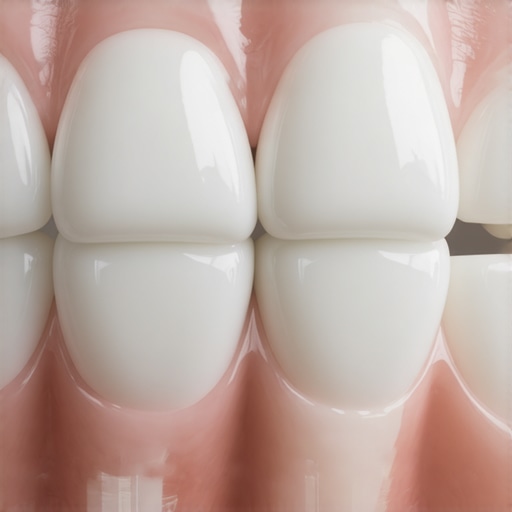
Everyone thinks “white” equals “visible,” but in the back of the mouth, white often equals “flat.” If you choose a high-opacity porcelain, your side teeth will look like Chiclets stuck in your cheeks. You need translucency to mimic natural enamel. This is the reason your veneers look different in sunlight; natural teeth have a depth that draws the eye into the smile rather than stopping it at the surface. For those looking at the future of dental implants: cutting-edge techniques in cosmetic dentistry, we are now seeing “smart” abutments that help position the crown perfectly to support the facial muscles, preventing that “sunken-in” look that happens with age. Don’t let a “wiggly” feeling scare you off either; understanding why your dental implant crown feels slightly wiggly when you bite is part of the maintenance of a complex, wide-arch restoration. True expertise lies in managing these structural details, not just the shade of the porcelain.
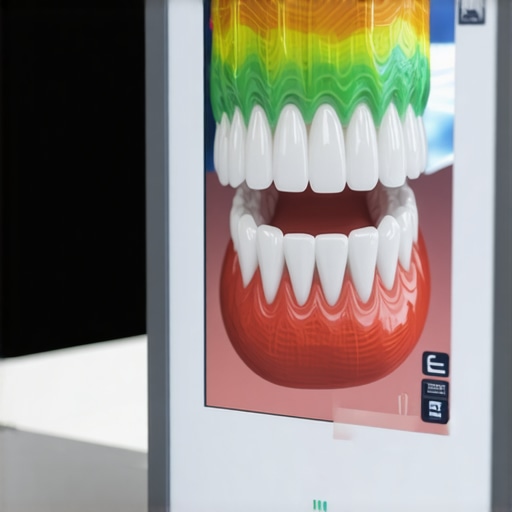
After you have invested in a broader smile, the last thing you want is for it to slowly revert or fail because of neglect. I learned the hard way that a wide smile requires a new level of mechanical protection. My ‘must-have’ tool isn’t a fancy toothpaste; it is a high-resolution digital scanner check-up every year. I specifically look for offices using the iTero Element 5D scanner because it allows for time-lapse comparisons of tooth position. If there is even half a millimeter of shift in my arch, the software catches it before the change becomes visible. You also need to realize that widening your smile changes the way your teeth interact when you sleep. Because the arch is now more prominent, you might find yourself grinding in new patterns. I cannot stress enough how important it is to protect that porcelain with a custom night guard. If you are already using one, make sure you know how to clean your night guard without damaging the material, because bacteria buildup can irritate the very gums that are framing your new look.
How do I maintain my wider arch over time?
The secret to longevity isn’t just brushing; it is protecting the bond between the restoration and your natural tooth. According to research by Dr. Pascal Magne in the Journal of Esthetic and Restorative Dentistry, the integrity of a porcelain restoration depends heavily on biomimetic principles—meaning the material must behave like natural enamel under pressure. To keep yours in top shape, you need to transition your routine into a long-term strategy based on family dentistry tips for a lifetime of healthy smiles. This means avoiding the habit of using your front teeth as tools. We often forget that while porcelain is strong, it does not have the same flex as a natural tooth, which is why your front teeth feel weak when biting into apples if the leverage is slightly off. I personally use a Waterpik Aquarius professional model because it reaches the deep corners of my wide arch more effectively than traditional floss, especially where the veneers meet the gum line. Looking ahead, I predict we are moving toward bio-interactive materials that actually release minerals into your natural enamel while you wear them. For now, the best cosmetic dentistry secrets to boost your confidence involve simple consistency. If you have an implant-supported arch, keep a close eye on any changes; the future of dental implants: cutting-edge techniques in cosmetic dentistry is making them more durable than ever, but they still require expert monitoring. My advice is to call your provider and ask for a ‘digital wear assessment’ scan at your next cleaning to ensure your smile stays exactly where you want it.
The Realities of Arch Reconstruction I Wish I Knew Sooner
Reflecting on my journey, the most significant lightbulb moment was realizing that ‘perfect’ is the enemy of ‘natural.’ If you are debating veneers vs crowns: which is right for your smile, remember that the goal is to enhance your unique facial structure, not copy a celebrity’s. I also learned that the ‘dark corners’ in my old photos weren’t just about tooth color; they were about the lack of support. If you have lost teeth in the back, checking out dental implants 2025: innovations that redefine comfort and durability is essential because you cannot build a wide arch on a shifting foundation. Lastly, do not skip the ‘temporary’ phase; it is your only chance to test-drive your new width before the permanent porcelain is bonded.
The Checklist for Your Next Dental Consultation
When you head into your appointment, do not just ask for ‘white teeth.’ Ask for a ‘buccal corridor assessment.’ I personally recommend three things to keep your new investment safe. First, invest in a high-quality water flosser like the Waterpik Aquarius; it is the only way to truly reach those newly widened premolar gaps effectively. Second, ask your provider for a digital scan every year to track any potential shifting. Third, lean into family dentistry tips for a lifetime of healthy smiles to ensure your gums stay pink and firm, which provides the best possible frame for your new porcelain.
[image_placeholder]
Confidence is Just One Consultation Away
Making the decision to invest in yourself is never easy, but the way a wider smile changes your confidence is impossible to measure. You do not have to settle for ‘small teeth’ or dark shadows anymore. Modern cosmetic dentistry has made these transformations more accessible and comfortable than ever before. If you are ready to see what is possible for your own face, the best first step is to contact us for a personalized evaluation. You deserve a smile that fills the room as much as your personality does. Have you ever felt like your smile was ‘hiding’ in your photos? Let me know in the comments below!