I was mid-sentence at a backyard BBQ when it happened—a sudden, sharp crunch that definitely wasn’t the coleslaw. I had chomped down on the inside of my cheek with the force of a tectonic shift. The immediate metallic taste of blood and the stinging heat that followed made me want to go hide in the garage. It sounds dramatic, but when you can’t even enjoy a burger because your tongue feels like it’s been through a paper shredder, it is a real problem. Whether it is a slip of the fork or the reason your braces are making your cheeks feel raw, these oral injuries are uniquely frustrating. They are constant. You use your mouth for everything, so you are reminded of the pain every few seconds. I am going to show you how to stop the fire and get that cut to heal faster than you thought possible without the amateur mistakes I made.
Stop the Bleeding Before You Panic
The first thing I did—and the first thing you probably did, too—was scramble for a tissue and start poking at it. That was my first big mistake. I used a rough paper towel that just stuck to the wound and ripped away the incipient clot as soon as I pulled it off. Talk about a setback. You need a gentle touch. Grab a piece of clean gauze or even a damp tea bag. The tannins in the tea actually help constrict blood vessels and speed up the process. We are going to dive into the exact steps to keep the area clean and pain-free, much like how you would treat a burn on your gums from hot pizza. Dealing with mouth sores caused by orthodontic brackets taught me that the environment inside your mouth is delicate, and the wrong move can turn a two-day heal into a week-long ordeal.
Is a simple home remedy actually better than store-bought gels?
I used to be a skeptic. I thought if it didn’t come in a fancy tube from the pharmacy, it wasn’t working. But honestly? A simple salt-water rinse is often the MVP. It does not just clean the debris; it creates an environment where bacteria struggle to survive. According to the American Dental Association, the mouth is one of the fastest-healing parts of the body because of its incredible blood supply. This is why a cut that would take a week to heal on your arm might be gone in three days inside your mouth if you treat it right. Have you ever bitten your tongue so hard you thought you would need medical attention, or am I the only one who gets that distracted while eating? Now that the initial panic has subsided and we have got the bleeding under control, we need to focus on the no-go zone: the habits that turn a healing cut into a persistent ulcer.
Wash Away the Germs Without Aggravating the Wound
The salt-water rinse I mentioned earlier isn’t just an old wives’ tale; it is your primary defense against infection. Mix about half a teaspoon of salt into a cup of warm water. Swish it gently for thirty seconds and spit. Do not swallow it—that is just a recipe for an upset stomach. Think of the salt as a gentle vacuum that pulls excess fluid out of the inflamed area, reducing swelling and cleaning out debris without the harsh chemicals of commercial mouthwashes. I remember one time I was so desperate to heal a bite on my lip before a big date that I tried using undiluted, alcohol-heavy mouthwash. I thought the intense ‘burn’ meant it was working. Instead, I chemically burned the healthy tissue around the cut, turning a tiny nick into a massive, white crater that took twice as long to heal. Learn from my mistake: gentle is always better. If the pain is making you miserable, you can use a tiny dab of benzocaine gel, similar to how you would treat a sore spot caused by your new dentures. 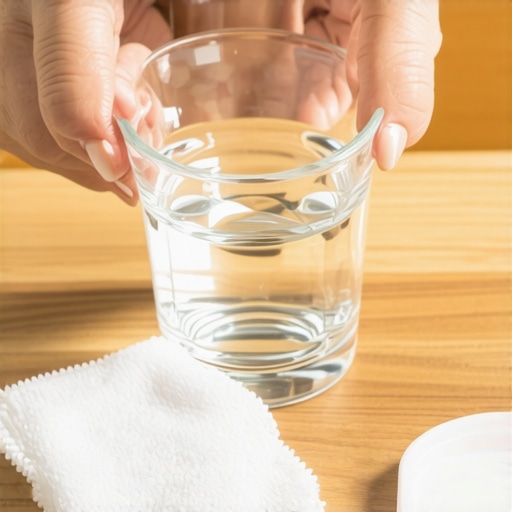
Protect the Site From Your Next Meal
Your mouth is a high-traffic zone, and every meal is a potential landmine when you are injured. For the next 48 hours, your diet needs to be intentionally boring. Avoid anything sharp like tortilla chips, crackers, or crusty bread—these act like tiny saws on an open wound. You should also stay far away from acidic foods. If you have ever wondered the reason your teeth hurt when you eat citrus fruits, imagine that same acid hitting an open cut on your cheek. It is pure agony. Stick to cool, soft foods like yogurt, mashed potatoes, or lukewarm soup. Heat increases blood flow to the area, which can cause that annoying, rhythmic throbbing sensation, so keep your meals at room temperature or colder.
Master the Art of the Oral Barrier
If the cut is in a spot where your teeth constantly rub against it, you need a physical barrier to give the tissue a break. For those with braces, this is where dental wax becomes your absolute best friend. It is essentially a ‘bumper’ for your mouth. I have found that even if you do not have braces, a small piece of orthodontic wax over a sharp tooth edge or a rough filling can give a cheek laceration the breathing room it needs to knit back together. This is a common trick used in family dentistry tips for a lifetime of healthy smiles because it prevents simple irritation from turning into a chronic, painful ulcer.
Spot the Signs That You Need a Professional
Sometimes, a DIY approach simply is not enough. If the cut is deep enough that the edges do not stay together, or if the bleeding does not stop after ten minutes of firm pressure, you need to call a dentist. Also, keep a close eye out for signs of infection such as fever, pus, or a foul taste that will not go away. This is different from the usual metallic taste of a fresh cut. If you notice a persistent, weird bump, it might be worth checking how to tell if that weird bump on your gum is a fistula. In some cases, a significant injury might require more than just time; it might even lead to needing how dental implants reshape your oral health in 2025 if a tooth was compromised during the same incident. Do not try to be a hero if the pain starts radiating into your jaw or ear.
It is one thing to heal a temporary cut from a backyard BBQ, but it is another entirely to rebuild the architecture of your smile. Most people assume that if you have the budget for cosmetic dentistry, you simply pick the brightest shade of white and call it a day. In my experience, that is exactly where the most expensive mistakes happen. We need to look deeper than just the surface. People often fall for the mistake that makes your teeth look too white and fake because they prioritize brightness over the natural physics of light. Real teeth aren’t solid blocks of porcelain; they have gradients, textures, and varied levels of translucency that reflect light in complex ways. If your restoration lacks these details, you end up with what we call the ‘chiclet’ effect.
Real Smiles Need Depth Not Just Bleach
One common myth is that veneers are a ‘one-size-fits-all’ shield for your teeth. However, if the preparation isn’t handled with extreme precision, you might find why your porcelain veneers look opaque and not natural becomes your primary concern. High-end cosmetic work requires an understanding of ‘value’ (the brightness) versus ‘chroma’ (the saturation). A study published in the Journal of Prosthetic Dentistry highlights that the most successful aesthetic outcomes occur when the translucency of the ceramic matches the surrounding natural teeth. This is the nuance that separates a ‘procedure’ from a ‘transformation.’ When you are looking for cosmetic dentistry secrets to boost your confidence, the secret is usually subtle imperfection, not clinical perfection.
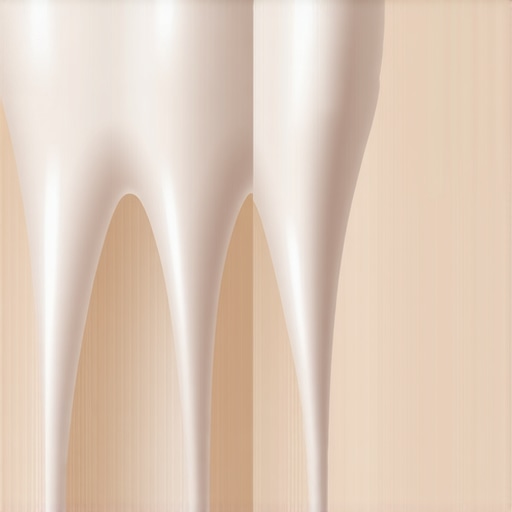
There is also a major ‘trap’ involving the foundation of your dental work. I have seen patients spend thousands on beautiful porcelain only to ignore their gum health. If your gums are inflamed or receding, even the most expensive veneers will eventually look like they are floating, exposing the margins where the ceramic meets the tooth. It is vital to integrate family dentistry tips for a lifetime of healthy smiles into your routine before committing to cosmetic overhauls. You wouldn’t build a mansion on a swamp; don’t put a 2025-ready smile on a base of gingivitis.
Why do dental implants feel different than your original teeth?
This is a question I get from sophisticated patients who notice a change in their ‘bite feel.’ Unlike your natural teeth, which are suspended by a periodontal ligament that acts as a sensory ‘shock absorber,’ an implant is fused directly to the bone. This lack of a ligament means you lose some of the tactile feedback when you chew. It is an advanced nuance that affects how you perceive pressure. Understanding the truth about the lifespan of a dental implant involves acknowledging that while they are incredibly durable, they require a different level of care because they don’t have the same biological warning systems (like nerve pain) that natural teeth do. If you aren’t careful, you might miss early signs of trouble like why your dental implant crown feels slightly wiggly when you bite. Have you ever fallen into the trap of choosing speed over quality in your dental care? Let me know in the comments below.
Once you have invested in a high-end smile, the real work shifts from the dental chair to your bathroom vanity. I have learned the hard way that you cannot treat a $2,000 porcelain veneer the same way you treat a natural molar. If you are aggressive with your brushing or use the wrong products, you might start wondering the reason your porcelain veneer feels rough to your tongue. That roughness is often the result of micro-scratches from abrasive toothpastes that strip away the factory polish. I strictly use pastes with an RDA (Relative Dentin Abrasivity) value of 70 or below. Anything higher is basically sandpaper for your cosmetic investment.
Stop Treating Your Veneers Like a Regular Tooth
The bond between porcelain and your natural tooth is incredibly strong, but it is not invincible. I always tell my friends that veneers are like fine china—they can last forever if you handle them with care, but they will shatter if you use them as tools. I stopped using my front teeth to tear open snack bags or bite my nails immediately after my procedure. If you ignore this, you will find yourself frantically searching for what to do when a veneer pops off during dinner. It is an embarrassing and avoidable emergency. This is where family dentistry tips for a lifetime of healthy smiles transition into specialized maintenance for high-end restorative work.
How do I keep my cosmetic work from failing early?
The secret weapon in my routine is a professional-grade night guard. Even if you think you do not grind your teeth, the stress of modern life usually manifests as ‘micro-clenching’ while you sleep. For someone with dental implants, this pressure is even more dangerous because the implant lacks the natural ‘give’ of a ligament. Over time, that pressure can lead to why your dental implant crown feels slightly wiggly when you bite. I make it a habit to learn how to clean your night guard without damaging the material to ensure I am not introducing bacteria back into my mouth every night.
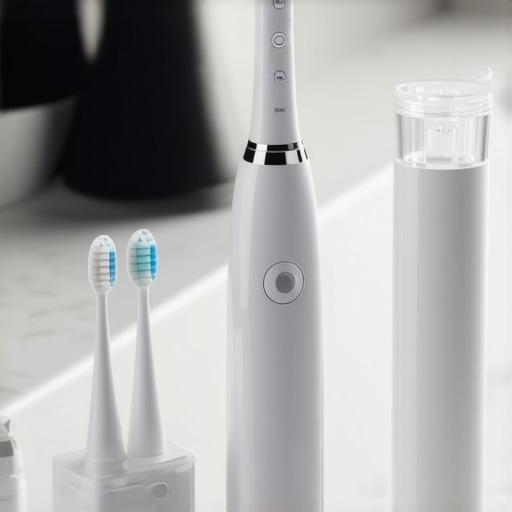
As for the future, I see the industry moving toward ‘Smart Restorations.’ We are already seeing the emergence of bioactive materials that can actually release minerals to strengthen the surrounding natural tooth structure. Expert Dr. Pascal Magne, a leader in biomimetic dentistry, often emphasizes that the goal of modern cosmetic work is to mimic the tooth’s original biomechanics. This shift means that in 2025 and beyond, dental implants 2025 innovations that redefine comfort and durability will likely include sensors that alert your phone if they detect unusual pressure or signs of early bone loss. We are entering an era where your smile doesn’t just look good; it communicates with you.
The Tool That Actually Reaches Under Your Bridge
If you have complex work like a bridge, traditional flossing is a nightmare. I personally use a high-powered water flosser every single night. It is the only way to ensure I am getting the best way to remove a stubborn spinach leaf from under your bridge without fraying regular floss or irritating the gums. If you are serious about the truth about the lifespan of a dental implant, you have to realize that the area where the implant meets the gum is the most vulnerable spot for bacteria. I recommend using the water flosser on a medium setting—high pressure can actually detach the delicate gum seal around an implant. My advanced tip for today? Try adding a tiny capful of non-alcoholic antibacterial rinse to your water flosser reservoir to double down on gum health.
Unspoken Rules for Every Dental Patient
After years of navigating everything from sudden mouth injuries to complex restorative work, I have realized that the best results come from what you do between appointments. First, never ignore a slight change. I used to think a minor wiggle or a tiny chip could wait, but the danger of wait and see for a loose dental bridge is that it can turn a simple tightening into a full replacement. Second, expensive toothpaste isn’t a magic wand. Many people wonder why your teeth look yellow despite using whitening toothpaste, and the answer is usually that the paste is too abrasive or the stains are internal. Lastly, remember that your mouth is a living system, not a static piece of art. It needs constant, gentle care to maintain its function.
My Non-Negotiable Kit for Maintenance
To keep my smile in top shape, I rely on a curated selection of tools that have never let me down. I always keep the secret to keeping white teeth while drinking morning coffee in mind by using a straw and rinsing immediately after my morning cup. My toolkit includes a high-quality water flosser for bridge maintenance, a soft-bristle electric brush to prevent gum recession, and a specialized case for my night guard. These aren’t just gadgets; they are the frontline defense for my dental investments.
Building a Smile That Actually Lasts
Whether you are currently nursing a cut from a backyard BBQ or planning a full set of veneers, the goal is always the same: a functional, pain-free smile that reflects the real you. Modern innovations have made it easier than ever to achieve incredible results, but the true cosmetic dentistry secrets to boost your confidence lie in the intersection of professional expertise and your own daily habits. Don’t be afraid to take that first step toward health—your future self will thank you for the effort you put in today. #IMAGE_PLACEHOLDER_E#
Have you ever regretted choosing a tooth shade that was just a bit too bright, or are you still searching for the perfect natural look? Let me know in the comments below!