I leaned in so close to the bathroom mirror that I could see the steam from my second mug still dancing on the glass, and that is when I saw it. My teeth didn’t look like mine anymore. They looked… tired. There was a distinct, butter-colored tint staring back at me that definitely wasn’t mentioned in any of the [cosmetic dentistry secrets to boost your confidence](https://straightsmileortho.com/cosmetic-dentistry-secrets-to-boost-your-confidence) I had been reading. I felt that immediate pit in my stomach. I love my morning ritual, but it felt like my caffeine habit was staging a slow-motion coup on my smile. I’ve spent years and a fair bit of money trying to maintain a bright look, but that morning, it felt like I was losing the battle to a bean.
Your post-coffee toothbrush habit might be doing more harm than good
I’ll admit it: my first instinct was to scrub the life out of my teeth. I thought if I could just get to the sink fast enough after that last sip, I could stop the stains in their tracks. I was wrong. In fact, I was making it worse. I was literally scrubbing coffee acid directly into my softened enamel. It is a common mistake that many of us make, especially when we are worried about [why your teeth look yellow despite using whitening toothpaste](https://straightsmileortho.com/why-your-teeth-look-yellow-despite-using-whitening-toothpaste). According to the American Dental Association, the high acidity in coffee temporarily softens your enamel, and brushing immediately can actually wear down that protective layer. I was essentially sanding down my teeth with a caffeinated abrasive.
Is quitting coffee actually the only way to save your smile?
Many people will tell you that the only real solution is to give up the java entirely, but let’s be realistic—most of us aren’t ready for that kind of sacrifice. You might even be tempted to switch to something else, but you’ll find similar struggles if you look into [the secret to keeping your smile white without giving up your morning tea](https://straightsmileortho.com/the-secret-to-keeping-your-smile-white-without-giving-up-your-morning-tea). The truth is that you don’t need to quit; you just need a better strategy. Have you ever felt like no matter how much you brush, the stains just keep coming back? It is incredibly frustrating, especially if you have already looked into [family dentistry tips for a lifetime of healthy smiles](https://straightsmileortho.com/family-dentistry-tips-for-a-lifetime-of-healthy-smiles) only to feel like you’re failing at the basics.
Small shifts to protect your enamel and your glow
The real secret isn’t a fancy product; it is timing. Instead of reaching for the brush, reach for a glass of water. A quick thirty-second rinse right after your coffee can neutralize the pH levels in your mouth and wash away those dark pigments before they settle. This is a game-changer for people with [veneers transformation unlocking your best smile yet](https://straightsmileortho.com/veneers-transformation-unlocking-your-best-smile-yet) or those who are trying to avoid [the mistake that makes your teeth look too white and fake](https://straightsmileortho.com/the-mistake-that-makes-your-teeth-look-too-white-and-fake). By simply rinsing, you give your saliva a chance to remineralize your enamel naturally. It is about working with your body’s chemistry rather than fighting against it with a toothbrush. We are going to dive into the specific rinsing techniques and the food pairings that act as natural scrubbers next.
Rinse like your enamel depends on it
The moment that last drop of espresso hits your tongue, the clock starts ticking. Your mouth is currently an acidic environment, and the tannins in your coffee are looking for any microscopic pore in your enamel to settle into. My game-changer was realizing that I didn’t need to scrub; I needed to dilute. Think of it like spilling wine on a white carpet; you don’t wait an hour to blot it. You act immediately. I started keeping a glass of plain water next to my mug. After every few sips of coffee, I take a quick swish of water. It feels a bit strange at first, especially in a quiet office, but it effectively resets your mouth’s pH levels. If you are worried about the truth about whitening strips and sensitive enamel, this simple habit is a much gentler way to maintain your brightness without the chemical burn. 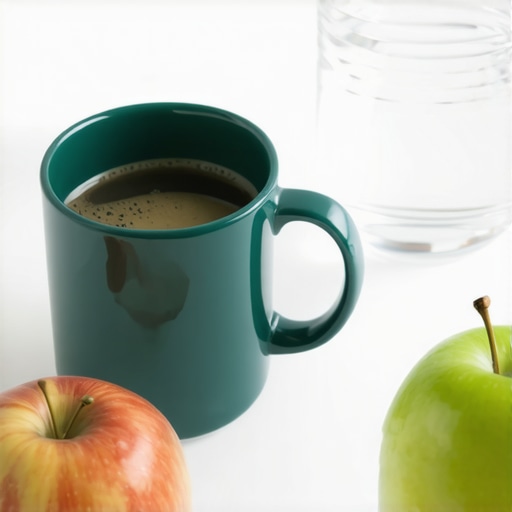
Wait sixty minutes before you pick up a toothbrush
This was the hardest habit for me to break. I used to finish my cup and head straight for the sink, thinking I was being proactive. Instead, I was experiencing sensitivity and noticed my teeth actually looked thinner at the edges. I eventually learned that by brushing immediately, I was contributing to how to tell if your gum recession is caused by brushing too hard-2. Your enamel is essentially in a softened state for about an hour after consuming acidic drinks. I remember one Tuesday morning specifically where I brushed so vigorously after a double-shot latte that my gums actually throbbed for the rest of the day. Now, I set a timer. Waiting sixty minutes allows your saliva to do its job, redepositing minerals and hardening that protective outer layer back up before you introduce any abrasive bristles.
Use a straw to bypass the danger zone
It might feel a little less sophisticated to sip a hot latte through a straw, but your front teeth will thank you. When you drink directly from a mug, the liquid pools right against your most visible teeth. A straw—preferably a reusable silicone or glass one—directs the coffee toward the back of your mouth, significantly reducing contact time with your smile. This is a critical technique if you have invested in veneers transformation unlocking your best smile yet. While porcelain itself is stain-resistant, the bonding material at the edges is not. Keeping the coffee away from those margins prevents that dreaded dark line from appearing over time.
Eat a crunchy apple alongside your caffeine
Nature has its own toothbrushes, and they happen to be delicious. If you’re having coffee with breakfast, try pairing it with a crunchy fruit or vegetable like an apple, celery, or carrots. These foods have a high water content and a fibrous texture that mechanically scrubs away surface stains as you chew. I started bringing a sliced apple to my morning meetings instead of a muffin. Not only did it stop the ‘coffee breath’ that usually follows a caffeine fix, but it also stimulated saliva flow, which is your body’s natural defense against decay. This falls right in line with family dentistry tips for a lifetime of healthy smiles because it uses biology to your advantage. If you have older restorations and find that why your porcelain veneers look opaque and not natural, keeping the surrounding natural teeth bright through these mechanical means helps the whole smile look more cohesive and vibrant.
Avoid the charcoal whitening trap
In my desperation to fix the yellowing, I once tried a trendy charcoal powder. It was a disaster. Not only did the black soot get stuck in my gum line, but it was incredibly abrasive. Experts will tell you about the safest way to use charcoal for teeth whitening, which usually means using it very sparingly or not at all. Using it daily is like using sandpaper on a polished car; you might get the dirt off, but you’ll destroy the finish in the process. Stick to the rinsing and timing methods instead.
Let’s dig deeper into why simply choosing ‘white’ isn’t enough for a high-end smile. I’ve seen so many people walk into a clinic demanding the brightest shade possible, only to end up with what I call ‘chiclet teeth.’ This is exactly the mistake that makes your teeth look too white and fake. A real professional looks at the translucency at the edges. If your teeth don’t let light pass through the bottom third, they will look like plastic blocks, especially in sunlight. This is a huge reason why your porcelain veneers look opaque and not natural. According to research from the American Academy of Cosmetic Dentistry (AACD), the most successful cosmetic outcomes mimic the multi-layered ‘halo’ effect of natural enamel, which allows light to scatter within the tooth rather than bouncing off the surface. 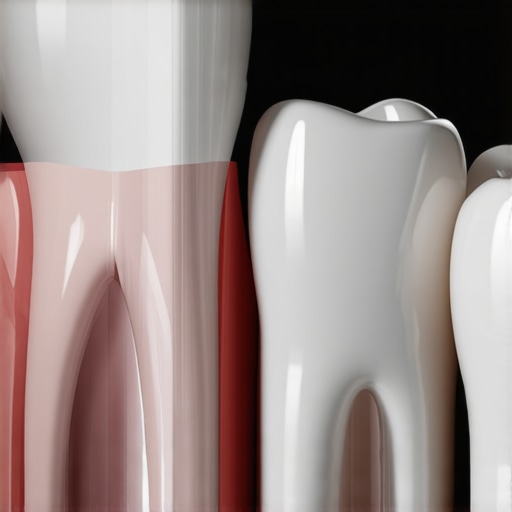
Why does your new smile make it hard to say the letter S?
It sounds like a minor detail until you’re in a boardroom trying to give a presentation. Many patients focus so much on the front-facing color that they ignore the ‘lingual’ or back-side thickness. If the porcelain is even a fraction of a millimeter too thick, you might find that your veneers feel thick and bulky when you try to say the letter s. This is the ‘Oops’ factor that most DIY-focused patients miss. It’s not just about the look; it’s about the phonetics and how your bite fits together. If the transition between the porcelain and your gum isn’t seamless, you risk biological width invasion, which leads to chronic inflammation. Have you ever fallen into this trap where you prioritized the look over the function? Let me know in the comments.
The dark gum line isn’t always what you think it is
A common myth in family dentistry tips for a lifetime of healthy smiles is that a dark line at the gum means the tooth is rotting. While that’s possible, it’s often just the metal substructure of older dental work showing through as the tissue thins with age. If you’ve noticed why your gums look dark around a porcelain-fused-to-metal crown, it’s usually time to upgrade to all-ceramic options or transform your smile with veneers using expert tips for perfect results that utilize modern bonding. Don’t settle for a ‘white’ tooth that has a grey shadow at the root; the nuance is in the material choice and the skill of the lab technician crafting the restoration. Keep these factors in mind, and your coffee-loving smile will remain both bright and convincingly real.
Once you’ve moved past the initial excitement of your makeover, the real work begins. It isn’t about being obsessed with every bite; it’s about having the right gear in your bathroom cabinet. I used to think a manual toothbrush and some minty string were enough, but that was before I realized how easily how to tell if your dental bridge is trapped with food. If you are relying on traditional flossing alone, you are likely leaving behind microscopic debris that can cause inflammation around your new investment.
Why your toothbrush needs a built-in pressure sensor
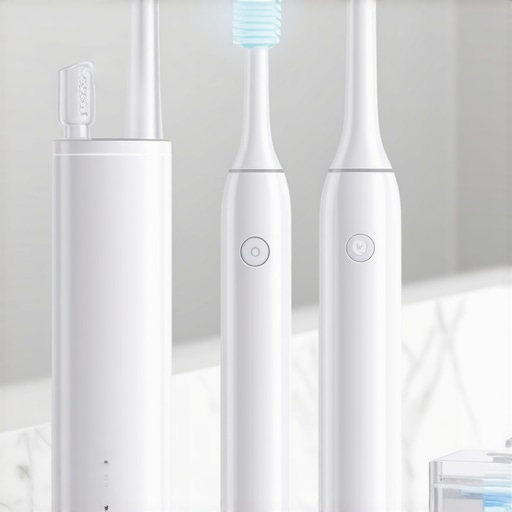
I switched to a high-end electric toothbrush specifically because I am a ‘scrubber.’ I used to think more force meant cleaner teeth, but I was actually sabotaging myself. Modern units come with a pressure sensor that flashes red the moment you press too hard. This is the single best way to avoid how to tell if your gum recession is caused by brushing too hard-3. According to the American Academy of Periodontology, sonic vibrations are significantly more effective at disrupting the biofilm around dental implants without scratching the restoration surface. I personally use the ‘sensitive’ setting every morning; it provides enough power to clear the plaque without vibrating my brains out or wearing down the porcelain glaze.
How do I keep my cosmetic work from failing in five years?
The biggest threat to your veneers or crowns isn’t coffee—it’s your own jaw. I learned the hard way that stress shows up in your mouth first. If you wake up with a dull ache in your temples, you are likely grinding, and the risk of skipping your night guard for just one week is higher than you think. One night of heavy bruxing can put hundreds of pounds of pressure on your porcelain, leading to micro-fractures. I now consider my custom night guard just as important as my phone charger; I don’t travel without it. Even if you only have one or two implants, protecting the ‘anchor’ points is vital so you don’t end up wondering why your dental implant crown feels loose after years of use.
The future of smile maintenance involves 3D scanning
Looking ahead, the ‘wait and see’ approach to dentistry is dying. We are moving toward a world where your dentist will keep a digital 3D ‘twin’ of your mouth on file. This allows them to see changes in your gum height or tooth wear that are invisible to the naked eye. This level of precision is already part of dental implants 2025 innovations that redefine comfort and durability. I predict that within the next few years, we will see home-based scanning attachments for smartphones that can alert you to the earliest signs of a failing restoration before it becomes a painful emergency. This is especially important because the risk of leaving a missing tooth unreplaced for years can lead to bone loss that makes future fixes much more difficult.
Try the water flosser jet technique tonight
If you really want to level up your maintenance, stop fighting with string floss and get a water flosser. My specific trick is to use lukewarm water mixed with a capful of non-alcoholic mouthwash. Aim the tip directly into the tiny spaces between your teeth or under your bridge. You’ll be shocked at what the ‘string’ missed. It’s a low-effort, high-reward habit that ensures your gums stay pink and healthy rather than puffy and red. Give it a shot for just three nights and watch how much better your mouth feels in the morning.
The Brutal Truth About Keeping Your New Smile
I used to think that once I paid for a dental transformation, the hard part was over. I quickly realized that maintaining that investment is a partnership between you and your daily habits. One of my biggest lightbulb moments was realizing that the best work is actually invisible; if people are complimenting your specific teeth rather than your overall glow, you might be experiencing why your veneers look too opaque and how to make them look natural. I also learned that the most expensive dental work in the world can’t survive a ‘scrubber’ personality. If you have the urge to polish your teeth after every latte, you are likely accelerating how to tell if your gum recession is caused by brushing too hard-3. Finally, remember that your mouth changes as you age, but your porcelain restorations do not. Regular check-ups are the only way to ensure the transition between your natural gums and your crowns stays seamless and healthy over the decades.
Tools I Actually Use to Fight the Stain
Maintaining a dedicated coffee habit while keeping a bright smile requires a very specific toolkit. I don’t go a single day without my pressure-sensing electric toothbrush; it is the ultimate safeguard against aggressive brushing. I also swear by my water flosser, especially for those hard-to-reach spots where how to tell if your dental bridge is trapped with food you can’t see becomes a real concern. If you are someone who clenches their jaw during stressful morning meetings, a custom night guard is non-negotiable to prevent micro-fractures in your enamel. I highly recommend looking into the risk of skipping your night guard for just one week if you think you can just skip it for a few nights. These aren’t just gadgets; they are insurance policies for your smile.
Give Yourself Permission to Smile Again
You do not have to choose between your love for a dark roast and your desire for a confident, white look. By mastering the art of the rinse, the timing of your brushing, and the right maintenance tools, you can absolutely have both. Armed with these cosmetic dentistry secrets to boost your confidence, you can step into your next morning meeting with a latte in one hand and a brilliant, healthy smile that is built to last. The future of your oral health is found in your daily ritual, not just in the dental chair. Have you noticed any changes in your tooth sensitivity since you started your coffee journey? Let me know in the comments below!