I still remember the sound—a sickening ‘thwack’ followed by a silence so heavy I could feel it in my bones. My three-year-old had decided the coffee table was a launchpad, and the landing wasn’t exactly Olympic-grade. When he finally took a breath to scream, all I saw was crimson. In that moment of pure parental panic, I made the classic rookie mistake: I grabbed a rough, dry kitchen towel and started scrubbing at his mouth to see the damage. I didn’t realize then that I was likely irritating the very tissue that needed gentle care, a common blunder often discussed when looking at the mistake most parents make with their child’s first tooth. Today, I want to share exactly how to manage your child’s first dental emergency safely without the frantic guesswork that usually leads to more tears for both of you. Have you ever felt that gut-punching realization that a fun afternoon just turned into a medical crisis? Let’s talk about how to regain control of the situation immediately.
When the Hardwood Wins: My Kitchen Floor Nightmare
I used to think dental emergencies were things that happened to older kids on the playground, not toddlers in the safety of their own living rooms. But reality hits hard—literally. Whether it’s a chipped tooth from a stray toy or a knocked-out baby tooth, these moments require a level of cool-headedness that most of us don’t naturally possess when our kid is bleeding. According to the American Academy of Pediatric Dentistry, roughly 30% of children will experience some form of dental trauma before they even finish preschool. That is a staggering number, yet most of us are totally unprepared for the ‘red’ in the sink. If you are currently dealing with a minor injury, you might also need to know how to treat a cut on your tongue or cheek to prevent infection. Building a foundation for family dentistry tips for a lifetime of healthy smiles starts with how we handle these high-stress moments. If we panic, they panic, and that can create a lifelong fear of the dentist’s chair.
Is This Actually a Trip to the Emergency Room?
One of the biggest fears we face is the ‘overreaction vs. underreaction’ dilemma. You don’t want to spend six hours in a cold ER waiting room if a simple rinse will do, but you also don’t want to ignore a fracture that could affect their permanent teeth later. The key is distinguishing between soft tissue damage and structural tooth damage. If the tooth is completely gone, that’s one thing, but a little blood from the gums can often look much worse than it actually is. It is vital to stay calm and assess if the tooth has shifted or if the child is showing signs of a concussion alongside the dental hit. Often, a quick call to your dentist is better than an ER visit, as they have the specific tools to evaluate a toddler’s unique mouth structure.
Stop the Bleeding Before You Search for the Tooth
The absolute first thing you must do is control the blood flow. When my son face-planted, my kitchen looked like a crime scene, and my instinct was to panic. Instead, I grabbed a clean, damp piece of gauze and applied firm, steady pressure. I held it there for a full five minutes without peeking. If you keep lifting the gauze to check, you break the clot that is trying to form. Think of it like a veneers transformation unlocking your best smile yet; the foundation must be set perfectly before the final result can shine. In a child’s mouth, that foundation is a calm, blood-free environment. Once the bleeding slows, you can actually see if you are dealing with a simple cut or something that requires you to handle a cracked tooth until you reach the dentist. If the gums are simply irritated, you might find that soothing your child’s gums during the teething stage methods, like a cold compress, work wonders here too.
Save the Root to Save the Tooth
If a permanent tooth has been knocked out, time is your greatest enemy. You have about a 30-to-60-minute window to get that tooth back into its socket. Never grab the tooth by the root; always hold it by the crown (the chewing surface). The root has delicate fibers that act like the ‘velcro’ holding the tooth to the bone. If those fibers die, the tooth is lost. Think of it like dental implants 2025 innovations that redefine comfort and durability; an implant is essentially a high-tech anchor, but nature’s original anchor is far superior. If you can’t gently push the tooth back into the socket, drop it into a small container of cold milk. Milk has the right pH and nutrients to keep those root cells alive while you race to the office. If you only see a red spot where the tooth was, it could be that your child’s gums are red where a tooth is erupting, but a traumatic loss is a much higher priority.
Check for Structural Damage Early
Sometimes the injury isn’t a missing tooth, but a shifted one. If your child’s bite feels ‘off’ or a tooth is pushed backward, don’t try to force it back yourself. This is where family dentistry tips for a lifetime of healthy smiles become crucial—you need a professional x-ray to ensure the permanent tooth underneath isn’t damaged. Fixing a misaligned tooth is a bit like veneers vs crowns choosing the best option for your smile; it requires a specific clinical decision based on the health of the remaining structure. I once waited too long to check a ‘slightly wobbly’ tooth, and it ended up darkening because the nerve was bruised. Early intervention prevents that ‘dead tooth’ look that often leads parents to seek cosmetic dentistry secrets to boost your confidence later in the child’s life. Keeping the child calm during this assessment is key to avoiding the real reason your child is afraid of the dental chair later on.While we are on the subject of fixing things, I need to address a dangerous misconception I see all the time: the idea that baby teeth are just practice teeth. I have often heard parents say, ‘It is just a baby tooth, why spend money saving it?’ This is a huge trap. Losing a primary tooth too early without a plan—like failing to tell if your child needs a space maintainer early—can lead to a nightmare of crowding and orthodontic issues later. The primary tooth is not just for chewing; it is a vital placeholder for the future of your child’s jaw alignment.
The Myth of the Invincible Dental Restoration
Let us take it a step further into the world of adult restorations. Everyone says that once you get a crown or an implant, you are ‘done’ with that tooth. In my experience, that mindset is exactly why restorations fail prematurely. Even with dental implants 2025 innovations that redefine comfort and durability, the surrounding tissue is still biological. A 2021 study in the Journal of Oral Rehabilitation confirms that peri-implantitis, or inflammation around the implant, is often caused by the same lack of hygiene that destroys natural teeth. You cannot neglect the foundation just because the ‘tooth’ is made of titanium or porcelain. Another nuance people miss is the ‘Oops’ factor of DIY maintenance. I frequently see patients with ruined enamel because they fell for the truth about charcoal toothpaste and your tooth enamel 3. They think they are being proactive by using abrasive natural whiteners, but they are actually sandpapering their smile into a state of permanent sensitivity. 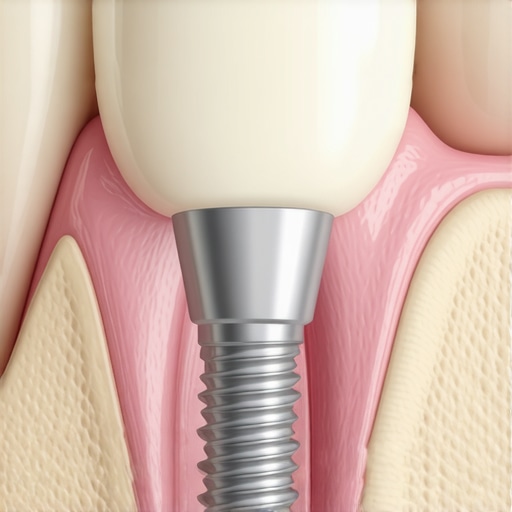
Why Does Your Gum Line Look Dark Around That New Crown?
This is a sophisticated concern I often hear from patients who have invested in their smile but feel something is visually off. Often, it is not the crown material itself, but a violation of the ‘biological width’—the specific amount of space nature requires between the edge of the restoration and the bone. When a restoration is placed too deep, the body reacts with chronic inflammation. This is often why your gums look dark red around a specific dental crown. It is also a factor in the reason your porcelain veneers look opaque and fake; if the light cannot pass through the gum line naturally, the whole look feels artificial. When choosing between materials, you must look at the truth about the durability of composite vs porcelain veneers. Composite is a more affordable entry point, but it is a porous material that picks up stains much faster than its porcelain counterpart. If you are a heavy coffee or tea drinker, choosing composite might be your ‘Oops’ moment that leads to regrets in just a few years. Success in family dentistry tips for a lifetime of healthy smiles is not just about reacting to emergencies; it is about understanding these technical intersections of biology and material science. Have you ever fallen into this trap of thinking a dental fix was permanent without maintenance? Let me know in the comments. If you have concerns about an aging restoration, you can always contact us for a professional evaluation.Once you have made the leap into high-end restorations, the conversation shifts from ‘fixing’ to ‘protecting.’ I have spent years testing every gadget on the market because, frankly, I am terrified of seeing a beautiful investment fail due to simple neglect. My absolute non-negotiable tool is a high-quality water flosser with a specialized tip. While many people believe these are only for teenagers, the benefit of using a water flosser with your braces or dental work is unmatched for mechanical disruption of bacteria in areas a brush simply cannot reach. I specifically recommend using a ‘Plaque Seeker’ tip for anyone with dental implants 2025 innovations that redefine comfort and durability, as it gently cleans around the titanium post without scratching the surface. According to a landmark study in the Journal of Clinical Periodontology, water flossing is up to 29% more effective at removing plaque than traditional string floss, which is a massive margin when you are trying to prevent peri-implantitis.
The Three Tools I Never Skip
Beyond the water flosser, I rely on a pressure-sensitive electric toothbrush. We often think harder is better, but scrubbing is the enemy of longevity. Using the right tool is the best way to brush when you have sensitive gums or expensive porcelain. If you apply too much force, you risk recession, which is how you end up with that dreaded dark line at the gum margin. I also keep a dedicated cleaner for my oral appliances; if you do not know how to clean your night guard without damaging the material, you are essentially soaking your teeth in a bacterial bath every night. These small, daily choices are what separate a ten-year restoration from a thirty-year one. Building these habits is at the core of family dentistry tips for a lifetime of healthy smiles.
How do I keep my smile looking brand new for decades?
The secret to a ‘forever’ smile is understanding that porcelain and titanium do not decay, but the bone and gum holding them certainly can. Maintenance is not just about cleanliness; it is about lifestyle integration. For example, learning how to maintain your white smile after a coffee habit involves more than just whitening strips—it is about the timing of your water intake to neutralize acids before they can etch the surface of your teeth. We are currently seeing the future of dental implants cutting edge techniques in cosmetic dentistry focusing on bioactive materials that actually encourage bone growth, but even the most advanced tech requires a stable, healthy environment. I predict that within the next five years, we will all have AI-integrated home scanners that sync with our phones to alert us to gum inflammation before we even see blood in the sink. If you want to keep your results pristine, try the ‘non-dominant hand’ challenge tonight: brush using your opposite hand. It forces you to slow down, reduce pressure, and focus on every single tooth surface. For a more personalized maintenance plan, you can always contact us to speak with our specialists.
The Three Truths That Changed My Approach to Dental Care
Reflecting on that day on the kitchen floor, I’ve realized that family dentistry tips for a lifetime of healthy smiles aren’t just about brushing—they are about mindset. First, I learned that nature is the ultimate architect; no restoration, as advanced as it may be, beats the integrity of a healthy natural tooth. Second, I realized that emergency preparedness is the best cure for panic. When you have a plan, the ‘red in the sink’ becomes a manageable task rather than a traumatic memory. Finally, I’ve come to see that maintenance is a form of respect for your investment. Whether it’s a baby tooth or a high-end implant, the care you provide today dictates the smile you’ll have a decade from now.
Build Your Own Dental Defense Kit
I always tell my friends that a few specific tools can prevent a mountain of regret. Beyond the basics, I recommend keeping a small stash of sterile sterile gauze and a travel-sized bottle of saline for immediate rinses. If you have younger kids, you should definitely learn how to prepare your child for their very first x-ray before an emergency happens, so the equipment doesn’t scare them during a crisis. For those of us who have already invested in cosmetic work, finding the safest way to whiten teeth with sensitive enamel is crucial to avoid damaging the glaze on your restorations. I personally trust products that are pH-balanced and non-abrasive, as they protect the bond between your tooth and the porcelain. #IMAGE_PLACEHOLDER_E#
Your Next Step Toward a Fearless Smile
The journey from a kitchen-floor emergency to a lifetime of dental health is shorter than you think. It starts with staying informed and ends with consistent, gentle care. By mastering family dentistry tips for a lifetime of healthy smiles, you aren’t just saving teeth; you are building your child’s confidence and protecting your own vibrant future. Don’t let a single accident or a bit of neglect define your oral health. If you ever feel unsure about a shift in your bite or a child’s injury, please reach out and contact us for expert guidance. Have you ever had a moment where a simple dental emergency felt like a total catastrophe? Let me know your story in the comments below.