I can still see the exact moment the peace shattered in that clinical waiting room. My son, Toby, was happily stacking blocks until the dental assistant called his name with a cheerful wave. I’d done my ‘prep’ work—or so I thought. I told him he was going to get his picture taken. Simple, right? Wrong. When he saw the giant, rotating arm of the panoramic X-ray machine, he didn’t see a camera; he saw a mechanical beast from his nightmares. I tried to pivot, whispering, ‘It’s just a big robot, Toby!’ but that only made it worse. He wasn’t into robots that week. He was into dinosaurs. If I had called it a ‘Brachiosaurus Neck,’ we might have stood a chance. Instead, I spent twenty minutes on the floor of the X-ray room, trying to coax him out from under a lead-lined chair. It was embarrassing, exhausting, and entirely avoidable. I realized then that handling your child’s first dental emergency isn’t nearly as hard as handling their first routine X-ray if you haven’t set the stage correctly. We’re here to make sure your next visit is remarkably boring—and in the world of parenting, boring is a huge win. We’re going to dive into how to talk about the ‘heavy blanket,’ why the ‘click’ sound is actually a good thing, and how to stay calm when you see that your child has two rows of teeth at the same time and needs an immediate scan. Have you ever felt that sinking feeling when your child looks at a piece of dental equipment like it’s a torture device? You aren’t alone, and today we’re fixing it.
Stop the Panic Before the Lead Apron Comes Out
Since that meltdown, I’ve learned that a child’s first dental X-ray is 90% psychological and 10% actually sitting still. We often assume kids will just ‘get it,’ but to a toddler, those bite-wing sensors feel like trying to swallow a plastic credit card. If you’ve ever dealt with a child who is afraid of the dental chair, you know that logic doesn’t work—storytelling does. My goal today is to walk you through the exact ‘neighborly’ script I use to prep my kids so they walk into that office feeling like the lead in an action movie rather than a patient. We’re going to swap the fear for curiosity and ensure they leave with a sticker and a smile. If you notice why your childs baby teeth are coming in with ridges on the bottom, you might be tempted to rush in without talking it through first—don’t make that mistake.
Is this high-tech equipment actually safe for toddlers?
I get it. You see that lead vest and think, ‘Is this actually safe?’ It’s the number one thing parents whisper to me in the waiting room. The truth is, modern digital X-rays are incredibly targeted and emit minimal radiation. According to the American Academy of Pediatrics, the amount of radiation a child receives from a single dental X-ray is roughly equivalent to the ‘background radiation’ they’d get just from spending a few hours playing outside in the sun. It’s a tiny dose for a massive benefit—finding those sneaky hidden cavities between teeth that a toothbrush simply can’t touch. [image_placeholder_1]
The Rookie Mistake That Cost Me an Entire Appointment
The biggest blunder I made early on was using ‘scary’ words by accident. I used words like ‘radiation,’ ‘machine,’ and ‘stay perfectly still or we have to redo it.’ Total amateur move. Now, I call the X-ray machine the ‘Super-Vision Camera’ and the lead apron the ‘Super Suit.’ If your child is already wondering why their permanent teeth look more yellow than baby teeth, they might already be a bit sensitive about their mouth being poked at. Adding a giant, clicking machine into the mix without a ‘cool’ backstory is just asking for a tantrum. It’s all about the narrative. We’re not ‘taking pictures of bones’; we’re ‘searching for hidden treasure’ or ‘checking your superhero strength.’ By the time the technician is ready, your kid should be more excited about the magic than scared of the metal.Prepping for the scan isn’t about sitting them down for a lecture; it’s about rehearsal. I remember trying to explain the mechanics of a bite-wing to Toby, and he looked at me like I was speaking Greek. I shifted gears. I grabbed a piece of thick cardboard and told him we were playing ‘Astronaut Training.’ We practiced biting down on a ‘space sensor’ (the cardboard) while holding perfectly still for five seconds. By the time we got to the office, he knew exactly what to do with his jaw. Effective family dentistry tips for a lifetime of healthy smiles start with these tiny home rehearsals.
Practice the Big Bite at the Kitchen Table
Most kids fail the X-ray because they don’t understand the physical sensation of the sensor. It’s cold, it’s hard, and it’s awkward. You can desensitize this at home using a clean, thick plastic spoon or a folded piece of cardstock. Have them bite down and breathe through their nose. If your child is struggling because of habits like how to help your toddler stop sucking their thumb for good, their palate might be a bit sensitive, making the sensor feel even more intrusive.
Turn the Lead Apron into a Shield
When the technician brings out that heavy vest, don’t use the word ‘heavy.’ Use ‘powerful.’ I once told Toby it was a ‘gravity suit’ that kept him from floating away while the camera worked. He actually asked to wear it longer! This mental shift prevents the claustrophobia that often triggers a mid-appointment meltdown.
Master the Statue Pose
The hardest part is the five-second freeze. We use a ‘Red Light, Green Light’ analogy. When the ‘Super-Vision Camera’ is on, it’s a red light. If you move, the ‘magic’ doesn’t work. This is especially important if the reason your Culpeper dentist uses CBCT scans instead of regular x-rays is to get a detailed 3D view; one wiggle can blur the whole image. 
How to Handle the Moving Panoramic Machine
If your child needs a full-mouth scan, they’ll encounter the rotating arm. This was Toby’s ‘mechanical beast.’ To tackle this, I explain that the machine is ‘taking a lap’ around them to make sure no ‘sugar bugs’ are hiding in the back. If you’ve been wondering why your child is still grinding their teeth at age six, this specific scan is vital for the dentist to see how the jaw and adult teeth are aligning. I find that giving the machine a funny name—like ‘Go-Round Gary’—strips away the intimidation factor. During our last visit, Toby actually giggled when Gary started to hum. It turned a high-stress diagnostic moment into a game of ‘Don’t Let Gary Catch You Moving.’ This simple narrative shift is the secret to finding a hidden cavity between teeth without a single tear being shed.Once we move past the hurdles of childhood X-rays, the dental conversation often shifts to our own smiles. It’s easy to get swept up in the glossy ‘before and after’ photos on social media, but there’s a level of nuance that most people miss when they start looking into cosmetic upgrades. I’ve seen too many friends chase a specific ‘look’ only to realize that true success in dentistry is when nobody can tell you had work done at all.
Don’t Fall for the Piano Key Veneer Trap
The most common mistake I see is the pursuit of the ‘bleach white’ look. Everyone thinks they want the brightest shade available, but the mistake that makes your teeth look too white and fake is often ignoring the natural translucency of human enamel. If you opt for a monochromatic, solid white, you end up with porcelain veneers that look opaque and not natural. Real teeth have depth; they catch light differently at the edges than they do at the gums. Have you ever fallen into this trap of thinking ‘whiter is always better’? Let me know in the comments.
Can you actually get implants if your jawbone is thinning?
Many patients believe that if they’ve waited too long to replace a tooth, they’ve missed their chance. This is a massive misconception. While it’s true that bone resorbs when a tooth is missing, the truth about getting dental implants if you have existing bone loss is that modern grafting techniques have changed the game. According to a study in the Journal of Oral Implantology, advanced bone augmentation allows for high success rates even in compromised sites. You may find that your dental implant surgery requires a bone graft, but this is a standard preparatory step that ensures the future of dental implants is available to almost everyone. 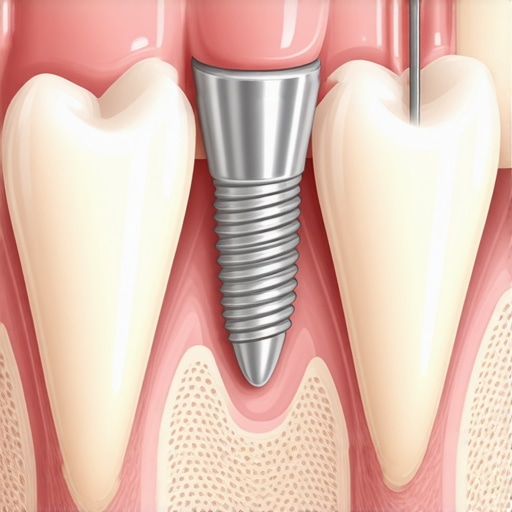
Why Your New Smile Might Feel a Little Strange
There is a sensory adjustment period that catches people off guard. For instance, you might notice the reason your porcelain veneer feels rough to your tongue is simply the microscopic transition between the porcelain and your tooth, which usually smooths out within weeks. Similarly, some patients report why your dental implant feels like it is vibrating slightly when they speak or chew. This isn’t usually a mechanical failure; it’s often due to the fact that implants lack the periodontal ligament—the ‘shock absorber’—that natural teeth have. You are literally feeling the vibrations through your jawbone.
The Secret to Longevity That Most People Ignore
The ‘Oops’ factor in adult dentistry is assuming that once a smile is fixed, it’s finished. People treat cosmetic dentistry as a destination rather than a journey. If you don’t understand the truth about the lifespan of a dental implant, you might neglect the specific hygiene required to keep the surrounding tissue healthy. Even the most expensive veneers transformation requires maintenance. Following family dentistry tips for a lifetime of healthy smiles is just as vital for a premium smile as it is for your child’s first set of molars. Don’t let the investment go to waste by skipping the basics.I’ve realized that the tools in my bathroom cabinet are actually more important than the ones in the dentist’s office when it comes to the long game. For instance, if you have a bridge, you know that a standard piece of floss is about as useful as a toothpick in a hurricane. I personally swear by the Waterpik. It’s not just about the convenience; it’s about the specific pressure settings. I keep mine on ‘7’—high enough to clear debris but not so high it irritates the gum line. This is especially crucial for the best way to remove a stubborn spinach leaf from under your bridge without accidentally scratching the porcelain. Research published in the Journal of Clinical Periodontology indicates that water flossing can be up to 29% more effective than traditional string floss for plaque removal in difficult-to-reach areas, and I can tell you from experience, my gums have never looked pinker.
How do I keep my dental work looking like new for decades?
Maintenance isn’t just about cleaning; it’s about physical protection. If you’ve invested in a veneers transformation, you absolutely must wear a night guard. I didn’t at first, and I started noticing tiny micro-chips at the edges of my front teeth. Now, I use a sonic cleaner for my guard every single morning. Knowing how to clean your night guard without damaging the material is the difference between a tool that lasts five years and one that needs replacing in six months due to bacteria buildup. You also need to stay hyper-vigilant about the physical ‘feel’ of your restorations. If your dental implant crown feels slightly wiggly when you bite, that is your immediate cue to call the office before a minor screw adjustment turns into a major, expensive repair. 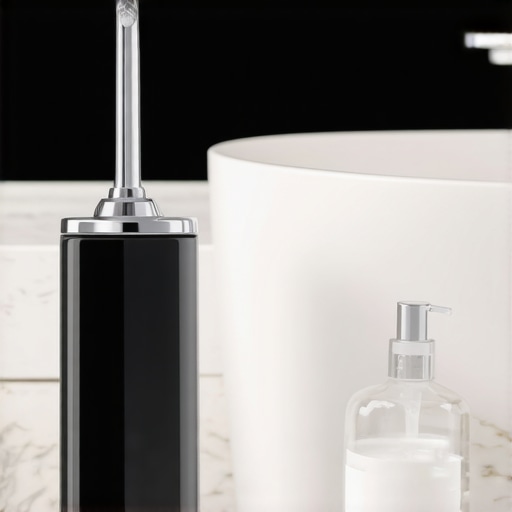 I’m also keeping a close eye on the tech horizon for my own family’s care. We are moving toward a world where dental implants 2025 innovations will likely include embedded smart sensors that can alert your phone if early-stage inflammation is detected around the bone. This kind of future of dental implants means we won’t have to guess if a site is healthy; the data will tell us. For now, the best thing you can do is stick to the basics of family dentistry tips for a lifetime of healthy smiles. My specific advice? Go buy a high-quality water flosser today and use it on a medium-high setting every night. It’s the single most effective way to protect the expert tips for perfect results that you’ve worked so hard to achieve.
The One Thing I Wish Someone Told Me Before My First Major Procedure
After years of navigating visits for both my kids and myself, I’ve realized that the most expensive procedure in the world is worthless without a solid home routine. I used to think a veneers transformation was a final destination, but it’s actually just the start of a new level of care. One lightbulb moment for me was realizing that cosmetic dentistry secrets to boost your confidence aren’t found in a syringe or a drill, but in the consistency of how you treat your gums every night. Another major lesson? Never underestimate the power of the ‘home rehearsal’ for kids; it saves hours of stress and builds a foundation for family dentistry tips for a lifetime of healthy smiles. Whether it is practicing for a scan or learning to floss around new dental work, the work you do in front of your own mirror is what truly defines your results.
My Daily Toolkit for a Hospital-Clean Mouth
If you want to keep your smile looking like day one, you need more than a manual toothbrush. I rely on three specific tools to maintain my results. First, a high-quality water flosser is non-negotiable, especially for the best way to remove a stubborn spinach leaf from under your bridge without causing damage. Second, if you have any type of restoration, you must learn how to clean your night guard without damaging the material to prevent bacterial stains from ruining your investment. Finally, I recommend keeping a dental mirror at home to spot issues early, like when your dental implant crown feels slightly wiggly when you bite—proactive care is the only way to avoid the ’emergency’ fee. These tools ensure that your smile stays as vibrant as the day it was finished.
#IMAGE_PLACEHOLDER_E#
Believe in the Power of a Restored Smile
Taking that first step toward a healthier mouth can feel daunting, whether you’re prepping a toddler for an X-ray or considering the future of dental implants for yourself. But the confidence that comes from a functional, beautiful smile is worth every rehearsal and every night guard. You aren’t just fixing teeth; you’re investing in your quality of life for 2025 and beyond. By staying informed and maintaining a sense of humor through the process, you turn a clinical necessity into a personal triumph. Have you found it harder to prep your child for their first dental scan, or are you more nervous about your own upcoming cosmetic work? Let me know your experience in the comments below!