I remember the exact moment I realized I’d pushed my luck too far. It was a Tuesday evening, and I’d just finished a 30-minute session with some generic whitening strips. I reached for a glass of water, and the second the liquid touched my incisors, I almost dropped the glass. It wasn’t just a twinge; it was a deep, throbbing ache that lasted for hours. I’d spent years in family dentistry chairs being told my enamel was naturally thin, but I was stubborn. I wanted that glow. Maybe you’re there too—looking in the mirror and wondering if you have to choose between ‘yellow and comfortable’ or ‘white and miserable.’ Trust me, I’ve been there, and I’ve made every mistake in the book, from overusing trays to falling for the charcoal toothpaste hype that did more harm than good.
Stop Chasing Brightness at the Expense of Your Sanity
For the longest time, I thought that if it didn’t hurt, it wasn’t working. I’d load up on high-percentage gels, thinking I could power through the sensitivity. I was wrong. My biggest mistake was ignoring the fact that my teeth weren’t just stained; they were vulnerable. When you have sensitive enamel, traditional whitening is like trying to sand a delicate piece of silk. You might get the stain out, but you’ll destroy the fabric in the process. Today, we’re going to talk about how to get that brightness back without the ‘zing.’ We’ll look at why whitening strips often cause pain and how to pick methods that actually respect your dental anatomy.
Is a Whiter Smile Actually Worth This Constant Pain?
I used to ask myself this every time I felt teeth pain from citrus fruits or cold air after an aggressive bleaching session. You might be skeptical that ‘safe whitening’ even exists for someone with your teeth. I get it. But the truth is, according to the American Dental Association (ADA), tooth sensitivity is a manageable side effect of peroxide-based bleaching, provided you use the right concentration and frequency for your specific needs. It’s not about giving up on your smile; it’s about changing the strategy.
Why Your Enamel is Screaming for Mercy Right Now
Most of us dive into whitening because we’ve seen an ad or a photo, and we want results *yesterday*. But if you’ve noticed your teeth look too white and fake or if they feel physically weak, your enamel is likely thinning. I once tried a ‘hack’ involving lemon juice and baking soda—don’t do it. It’s an acid bath for your teeth. That mistake cost me months of sensitivity. Have you ever experienced that sharp, jolting ‘zing’ after a whitening session and wondered if you were doing permanent damage? You aren’t alone, and you don’t have to live with the yellow. Let’s dive into the gentler path and look at how to maintain your white smile without the agony.
Prep Your Enamel a Week Before You Start
Think of whitening as a marathon. You wouldn’t run twenty miles without training your muscles, and you shouldn’t bleach your teeth without prepping the nerves. Start by switching to a toothpaste specifically designed for sensitivity at least seven days prior to your whitening session. These formulas usually contain potassium nitrate, which acts like a tiny shield for your dental tubules, blocking the ‘pain signals’ from reaching the nerve. I learned this the hard way when I tried a 20% carbamide peroxide kit for a wedding; by day three, my teeth felt like they were being poked by ice picks. I had to pause everything and coat my mouth in desensitizing gel just to breathe comfortably. This type of reaction is similar to why your teeth feel extra sensitive after a professional cleaning—your pores are open and vulnerable.
Lower the Dose to Save Your Sanity
Most over-the-counter kits use high concentrations of peroxide to get fast results, but if you have thin enamel, you need to play the long game. Look for products with a concentration of 10% or lower. It takes longer to see the change, but you avoid the inflammatory response that causes the ‘zingers.’ If you are dealing with deeper issues, you might notice the reason your teeth look grey instead of yellow or white is actually due to internal thinning or medication stains, which no amount of surface bleaching will fix. In these cases, chasing a brighter shade with peroxide is like trying to paint a glass window; the color isn’t on the surface, it is inside. 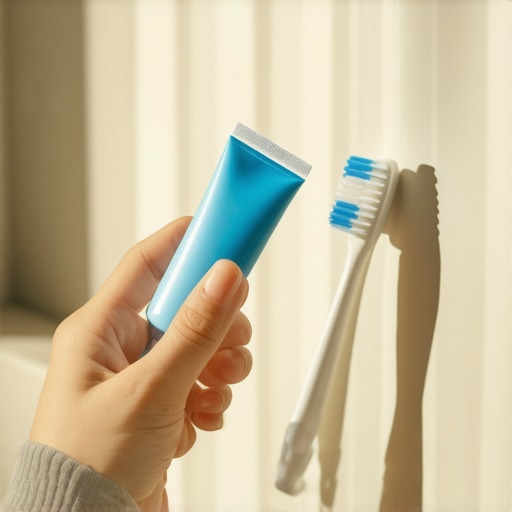
Short Bursts Beat the Marathon Session
Instead of wearing a tray for an hour, try fifteen-minute intervals. This ‘fractional whitening’ gives your teeth time to rehydrate between sessions. Peroxide dehydrates the tooth, which is a major source of that dull ache. When I switched to this method, I could actually finish a full whitening cycle without needing ibuprofen.
Veneers Are the Ultimate Shortcut for Deeply Stained Teeth
If you’ve tried every gentle method and your teeth still won’t budge—or if they hurt too much to continue—it might be time to look at cosmetic dentistry secrets to boost your confidence that don’t involve chemicals. For those of us with naturally sensitive enamel, porcelain is a godsend. When comparing veneers vs crowns: choosing the best option for your smile, veneers are often the better choice for aesthetic whitening because they require less tooth preparation while providing a permanent, stain-resistant surface. I’ve seen friends agonize over whitening for years, only to realize that learning how to pick the right shade for your new porcelain veneers gave them the bright look they wanted without a single day of tooth sensitivity. It’s about working with your anatomy rather than fighting against it.Let’s dig deeper. Most people assume that cosmetic dentistry is just about the ‘look,’ but that is where the biggest misconceptions start. If you’re looking into cosmetic dentistry secrets to boost your confidence, you have to look past the surface. I’ve seen so many people rush into treatments thinking they are a ‘one-and-done’ fix, only to realize later that they ignored the biological foundation.
Your Jawbone Shrinks Without an Anchor
One of the biggest myths in family dentistry is that you can just wait a few years after losing a tooth to get an implant. Everyone says it’s fine to wait, but in my experience, the bone starts disappearing the moment the root is gone. According to the American Academy of Implant Dentistry (AAID), you can lose up to 25% of your jawbone density in the first year alone after a tooth loss. This is why how dental implants reshape your oral health in 2025 is such a critical topic—they don’t just fill a gap; they act as a replacement root that tells your body to keep the bone alive. If you wait too long, you’ll find the reason your dental implant surgery requires a bone graft is simply because there isn’t enough ‘soil’ left for the ‘seed.’
The Subtle Lighting Trap Most People Miss
When it comes to veneers, the biggest ‘oops’ factor isn’t the color—it’s the translucency. I’ve talked to people who picked the brightest white available, only to be horrified when they stepped outside. There is a specific nuance to the reason your veneers look different in sunlight; natural teeth are semi-translucent, and if your porcelain is too dense, it looks like a chiclet. Furthermore, if the prep isn’t perfect, you’ll end up wondering why your veneers feel bulkier than your natural teeth. It’s a delicate balance of removing just enough enamel to fit the porcelain without hitting the nerve. 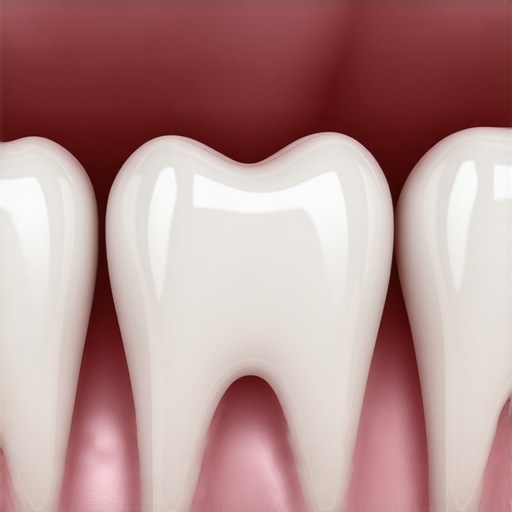
Can My Gums Actually Handle This New Restoration?
This is the advanced question most patients forget to ask. Your gum biotype—how thick or thin your gum tissue is—determines the entire success of the procedure. If you have thin tissue and you choose a titanium implant, you might eventually see a greyish shadow near the gumline. This is a common advanced mistake: choosing the material before assessing the tissue. You should also consider the truth about getting dental implants if you have existing bone loss, as your gums will follow the contour of the bone. If the bone is gone, the gums will recede, leaving the restoration looking ‘long’ or unnatural. Working with your body’s natural architecture is the only way to achieve a result that lasts decades rather than years. Have you ever fallen into the trap of choosing the fastest or ‘whitest’ option without looking at the structural health underneath? Let me know in the comments!
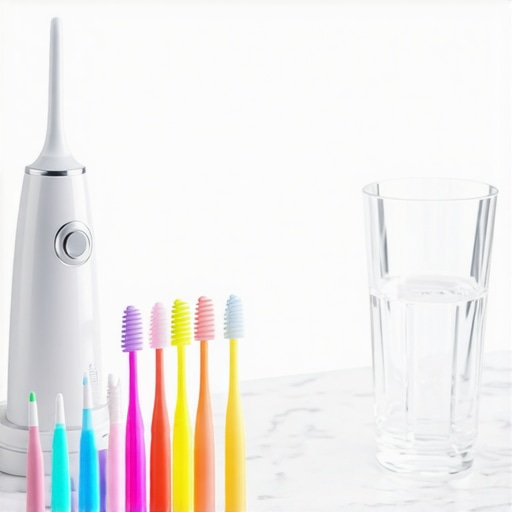
Maintaining a high-end smile isn’t just about brushing harder; it is about brushing smarter. Once you’ve invested in porcelain or titanium, your standard drugstore toothbrush simply isn’t enough. I learned this the hard way when I noticed a tiny bit of inflammation around a new restoration. I realized that my old habits weren’t cutting it for the new materials in my mouth. To keep your work looking pristine, you need to think like a professional. For instance, I completely ditched traditional string floss for my implants. Why? Because string floss can occasionally shred and leave tiny fibers behind that irritate the gum tissue. Instead, I moved to a high-pressure water flosser. The benefit of using a water flosser with your braces or implants is that it flushes out the bacteria in those hard-to-reach pockets without the risk of mechanical irritation.
Why I Swear by Interdental Brushes Over String Floss
If you have a bridge or multiple veneers, you know that food loves to find a home in the gaps. I’ve had moments where I’ve wondered why your dental bridge feels like it is trapping food, and the answer is usually that the spacing is slightly different than natural teeth. Standard floss often slides right over the debris. I personally use interdental brushes—those tiny little ‘Christmas tree’ brushes. They are essential because they mechanically scrub the sides of the porcelain where a water flosser might miss. This is the difference between a restoration that lasts ten years and one that lasts thirty. According to a 2023 study in the Journal of Prosthetic Dentistry, CAD/CAM-produced veneers show a significantly higher precision in marginal fit compared to hand-layered porcelain, but even the best fit requires you to keep that margin clean of plaque.
How do I maintain my dental restorations for the long haul?
The single most important tool in my kit—and the one most people skip—is a custom-fit night guard. If you’ve spent thousands on veneers, the last thing you want is to grind them down while you sleep. Porcelain is incredibly strong, but it is also brittle under the sheer force of a clenching jaw. I make sure to clean mine every single morning because a dirty guard is a breeding ground for bacteria. If you’re unsure of the process, learning how to clean your night guard without damaging the material is vital for preventing gum infections. I use a non-abrasive soak because anything gritty will create micro-scratches that trap stains.
The Future of Your Smile is Getting High Tech
Looking ahead, the way we maintain and even receive these treatments is changing rapidly. We are moving toward a world where dental implants 2025 innovations that redefine comfort and durability will be the standard. We’re seeing more use of zirconia for its biocompatibility and AI-driven planning to ensure the placement is perfect down to the micron. This is part of the future of dental implants: cutting-edge techniques in cosmetic dentistry that make the surgery less invasive and the recovery much faster. Even how dental implants reshape your oral health in 2025 involves digital scanning tech that predicts exactly how your bone will respond over time. My challenge for you: Swap your standard floss for a set of high-quality interdental brushes for just one week and see how much ‘junk’ you were actually leaving behind. Your gums will thank you, and your investment will stay secure.
Lessons from the Chair That Saved My Enamel
Looking back at my years of trial and error, the biggest realization was that the ‘perfect’ smile isn’t a destination; it’s a structural balance. I used to think the brighter the white, the better the result, but I quickly learned that the mistake that makes your teeth look too white and fake often comes from ignoring the natural translucency of your original teeth. True beauty in veneers transformation unlocking your best smile yet is found in the subtle imperfections that make teeth look alive.
I also discovered that pain isn’t a mandatory part of the process. If you’re constantly dealing with why porcelain veneers sometimes cause sensitivity to cold drinks, it’s usually a sign that the prep or the bonding needs professional adjustment. Don’t push through agony; your body is telling you something is off with the architecture. Finally, remember that your gums are the frame for your artwork. If the ‘foundation’ isn’t healthy, the most expensive porcelain in the world won’t stay put.
Your Professional Kit for a Long-Term Glow
I’ve tested dozens of products, and these are the ones that actually made a difference in my oral health longevity. First, I cannot recommend a custom night guard enough. It’s the ultimate insurance policy for your dental work. Just make sure you know how to clean your night guard without damaging the material so you don’t introduce bacteria to your gums. #IMAGE_PLACEHOLDER_E#
Second, get yourself a pack of interdental brushes. They reach the debris that string floss misses, especially around restorations. Third, if you’re dealing with any post-procedure discomfort, I’ve found that high-quality desensitizing agents work wonders. For those who have just started their alignment journey, knowing how to manage the dull ache after your braces are adjusted can keep you from giving up on the treatment. Lastly, follow the transform your smile with veneers expert tips for perfect results by using non-abrasive polishes that won’t scratch the porcelain surface.
The Confidence of a Restored Smile
It’s easy to feel overwhelmed by the technicalities, but the goal is simple: a smile that lets you laugh without hesitation. Whether you choose professional whitening or dive into cosmetic dentistry secrets to boost your confidence, the investment is ultimately in how you feel about yourself. You deserve a smile that is as strong as it is beautiful. Don’t let fear of sensitivity or old myths keep you from the health you deserve.
Have you ever struggled with that sudden ‘zing’ of sensitivity during a whitening session, or are you currently weighing the pros and cons of permanent restorations? Let me know your experience below!