I will never forget the sinking feeling in my stomach when I looked in the mirror after a morning of ‘forgetting’ to take my trays out for a quick espresso. My once-invisible aligners looked like they had been dipped in mustard. I was horrified. I had spent so much time researching cosmetic dentistry secrets to boost my confidence, and there I was, sportin’ a neon yellow grin. It is a classic rookie mistake, and if you are reading this, you have likely had that same ‘Oh no’ moment. Maybe it was a turmeric latte or just a heavy tea habit, but now your expensive plastic looks like an old Tupperware container. Don’t panic yet. I have tried every ‘hack’ in the book, and today I am going to show you how to safely lift those stains at home without warping the material or scratching it into a cloudy mess.
I Melted My First Set of Trays So You Do Not Have To
Let me be the cautionary tale you need. When I first saw my trays staining, my instinct was to boil some water and soak them like they were a tough pasta pot. Bad move. I ended up with a warped piece of plastic that would never fit again. I had just started to master how to fix a lisp caused by my new trays, and suddenly I was back at square one because I was too aggressive. Clear aligners are made of medical-grade thermoplastic that is incredibly sensitive to heat and abrasives. If you try to scrub them with whitening toothpaste, you will create microscopic scratches that actually trap *more* bacteria and stains. It is the same reason why clear aligners turn a cloudy white color over time if you aren’t careful. You want to be a gentle neighbor to your trays, not a drill sergeant. Have you ever tried a ‘quick fix’ that ended up making the staining worse?
Is a little yellowing actually worth the stress?
You might be tempted to just wear the stained trays and hide your smile for a week, but there is more at stake than just aesthetics. According to the American Association of Orthodontists, keeping these appliances pristine is vital because any residue trapped between the aligner and your enamel creates a breeding ground for plaque. If you are also trying to figure out how to maintain your white smile while dealing with a caffeine addiction, you know that keeping your dental gear clean is half the battle. Stained trays aren’t just ugly; they are a sign that the material is holding onto organic compounds that do not belong in your mouth. We are going to fix this by using the right pH-balanced solutions that break down the pigments without eating through the plastic. It is a similar process to how you would clean a night guard safely, focusing on soaking rather than scrubbing. Let’s get into the step-by-step methods that actually work.
Turn Your Kitchen Into a Mini-Lab with Vinegar
Mixing a solution of half distilled white vinegar and half lukewarm water is the gold standard for breaking down those stubborn yellow compounds. Think of vinegar as a gentle solvent; it is strong enough to dissolve the minerals in your saliva that trap stains, but it is not going to melt the plastic like my boiling water experiment did. I remember one Tuesday morning after a particularly dark espresso session, my trays were looking like old parchment paper. I let them sit in the vinegar mix for exactly 20 minutes. When I pulled them out, the mustard tint had faded by about 70 percent. It was not a miracle, but it was a massive improvement. The key is using distilled vinegar—do not even think about apple cider vinegar unless you want your aligners to smell like a salad for the rest of the week.
Kill Bacteria and Stains with This Safe Soak
If the vinegar does not do the trick, it is time to bring out the 3 percent hydrogen peroxide. This is essentially the same stuff dentists use for whitening, but at a much lower concentration. You want to submerge your trays in a small cup of peroxide for about 15 to 30 minutes. This is especially helpful if you have noticed your clear aligners are making you lisp because of buildup near the edges. The peroxide bubbles away the organic debris that builds up in the corners. It is similar to how you would treat a minor wound; the effervescence physically lifts the gunk out of the microscopic pores of the plastic. Just make sure you rinse them thoroughly afterward, or you will get a bitter, metallic taste that stays for hours.
Stop Using Your Regular Toothbrush Right Now
This was my biggest mistake. I thought I was being thorough by scrubbing my trays with my electric toothbrush and some whitening paste. I quickly learned that the truth about charcoal toothpaste and your tooth enamel applies here too: abrasives are destructive. Those tiny silica beads in your toothpaste act like sandpaper on the plastic. After three days of scrubbing, my trays looked foggy. I had created thousands of micro-scratches that actually made it easier for drinking tea daily to permanently stain the material. Instead, use a soft-bristled baby toothbrush and a drop of clear, unscented dish soap. It is slick enough to remove the film without leaving a mark.
Consider an Ultrasonic Cleaner for the Final Boss
If you are a serial stainer, an ultrasonic cleaner is worth every penny. It uses high-frequency sound waves to create cavitation bubbles that blast stains off the surface without any physical scrubbing. It is like a power wash for your smile. This level of care is part of the family dentistry tips for a lifetime of healthy smiles because it ensures your orthodontic journey does not end with a mouth full of cavities from dirty trays. I finally bought one after six months of struggling with manual cleaning, and the difference was night and day. It even helped with that weird cloudy look that happens when minerals from your tap water start to bond with the medical-grade plastic. The same logic applies to the safest way to clean your dentures at home without scratches; technology does the heavy lifting so you do not have to risk damaging your investment.Most people think that getting veneers or implants is like buying a new pair of accessories—you just pick the shiniest ones and walk out. In reality, the ‘perfect’ smile is often a ‘failed’ smile from a design perspective. Have you ever seen someone whose teeth look like a row of identical white piano keys? That is usually because they did not understand how to pick the right shade for your new porcelain veneers. True expertise in cosmetic dentistry is not about how white you can go; it is about how much light can pass through the material. This is where the reason your porcelain veneers look opaque and fake usually stems from—a lack of translucency that mimics natural enamel. The American Academy of Cosmetic Dentistry (AACD) emphasizes that natural tooth anatomy includes ‘incisal translucency,’ where the edges of the teeth are slightly see-through. If your dentist skips this detail, you end up with ‘flat’ teeth that scream ‘dentistry’ rather than ‘genetics.’ 
Why Perfect Teeth Can Actually Make Your Smile Look Fake
Everyone tells you to get the thinnest veneers possible to save your enamel, but that is not always the best move for every patient. If you have deep discoloration, you need a specific material thickness, or you will be asking how to whiten your teeth if you have deep internal stains later on because the dark natural tooth is peeking through the ceramic. It is a delicate balance between the truth about the durability of composite vs. porcelain veneers and the amount of natural tooth structure you are willing to sacrifice. One major ‘Oops’ factor is ignoring the gum-to-tooth ratio. I have seen so many people focus on the porcelain and ignore the foundation. If you do not address gum health first, you might find yourself wondering why your gums look dark red around a specific dental crown a year down the road. It is rarely the crown itself; it is usually the ‘biological width’ being invaded because the restoration was placed too deep.
Does a shorter implant crown mean your surgery failed?
Many patients panic when they look in the mirror and see that their why your dental implant crown looks shorter than other teeth. This is a common nuance in implantology. Often, the crown is designed shorter to protect the implant from ‘occlusal overload’—essentially preventing you from biting down too hard on the new post while the bone is still maturing. This is why the future of dental implants involves 3D planning that accounts for your bite force, not just the gap in your smile. If you are rushing into a veneers transformation or an implant, you are likely to hit a trap if you prioritize speed over precision. Family dentistry tips for a lifetime of healthy smiles always come back to the same principle: the most conservative approach is usually the one that lasts the longest. Have you ever fallen into the trap of wanting the fastest or whitest results possible without considering the long-term mechanics? Let me know in the comments.Now that we have covered the common pitfalls of clear aligners and veneers, let’s talk about the gear I actually use to keep my investment looking like Day One. I am a total convert to the high-end water flosser. While many people think about the benefit of using a water flosser only for braces, it is actually a lifesaver for dental implants and porcelain work. It reaches into those microscopic junctions where a crown or veneer meets the gum line without the risk of snagging a thread like traditional floss might. For me, it is about surgical precision. I use a cordless model with a specialized ‘orthodontic tip’ because the pulsating water clears away debris that even the best toothbrush misses, which is crucial for family dentistry tips for a lifetime of healthy smiles.
How do I maintain my smile’s brilliance over time?
Consistency is your only real defense against the ‘dulling’ effect of daily life. A technical study published in the Journal of Esthetic and Restorative Dentistry (JERD) highlighted that even minor increases in surface roughness on ceramic restorations lead to a 40 percent increase in biofilm accumulation. This is why I advocate for a strictly ‘low-abrasive life.’ If you are currently figuring out how to maintain your white smile, switch to a non-whitening, high-fluoride gel instead of a gritty, silica-heavy paste. It protects the integrity of your veneers transformation while keeping your natural enamel reinforced against sensitivity.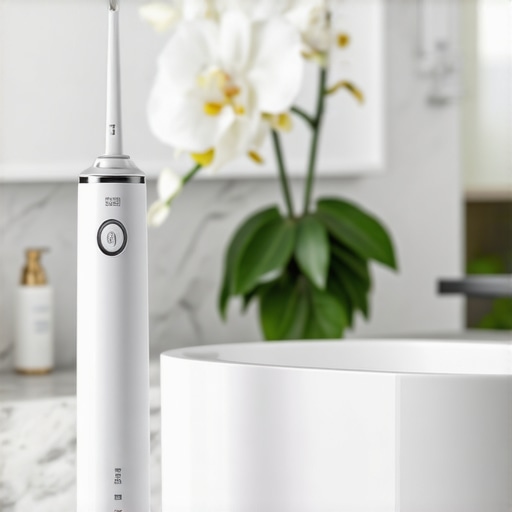
Why pH-Neutral Cleaners are Your Porcelain’s Secret Weapon
Most people grab whatever mouthwash is on sale, but if it contains alcohol or has a high acid content, you are essentially etching the surface of your expensive dental work. I only use pH-neutral, alcohol-free rinses. Alcohol can actually soften the composite bonding agents used in the veneers vs crowns debate, leading to those unsightly dark lines at the margin that everyone wants to avoid. If you want expert tips for perfect results, treat your mouth like a delicate ecosystem where the goal is a neutral 7.0 pH. This simple shift helps in how to stop your teeth from staining after a professional whitening session and keeps the factory ‘glaze’ of your porcelain intact for decades.
The Next Frontier: Bio-Materials and AI Monitoring
Looking ahead, the world of the future of dental implants and cosmetic dentistry is moving toward ‘smart’ materials that interact with your body. I predict that within the next few years, we will see dental implants 2025 innovations like bio-active coatings that actually signal your phone if they detect early signs of inflammation or bone loss. We are moving toward a period where how dental implants reshape your oral health in 2025 will be driven by preventative AI data. If you really want to level up your care today, I suggest trying the ‘alkaline rinse’ trick: after drinking anything acidic like coffee or wine, rinse immediately with water mixed with a tiny pinch of baking soda. This instantly neutralizes the environment and stops acid erosion in its tracks. It is a simple, advanced tip that can save you thousands in restorative costs down the road.
What the Glossy Brochures Forget to Mention
After years of navigating the world of high-end restorations, I have realized that the most important lessons are rarely written in the patient manual. First, your ‘bite feel’ will change over time, and that is okay. Whether you are following family dentistry tips for a lifetime of healthy smiles or managing a complex reconstruction, your jaw is a dynamic system. Second, the ‘halftime’ rule is real: if you are drinking coffee with aligners, you are essentially marinating your teeth in acid. Always rinse twice as long as you think you need to. Finally, remember that even the best cosmetic dentistry secrets cannot replace the basic mechanical act of removing plaque before it calcifies against your porcelain.
#IMAGE_PLACEHOLDER_E#
The Tools That Actually Earn Their Keep
If you want to protect your investment, you need more than just a standard toothbrush. I personally trust a high-quality water flosser above all else; even if you do not have brackets, the benefit of using a water flosser extends to cleaning the margins of veneers where manual floss might snag. Pair this with a dedicated ‘orthodontic’ or ‘extra-soft’ brush head to avoid micro-scratching the glaze. I also recommend keeping a pH-neutralizing spray in your car or purse. It is a game-changer for those moments when you cannot brush immediately after a meal, ensuring you stay on track with expert tips for perfect results.
Your Journey Toward a Lasting Legacy of Health
Investing in your smile is one of the most transformative things you can do for your self-esteem, but the real work happens in the quiet moments at your bathroom sink. Don’t be intimidated by the technicalities of maintenance. By treating your dental work with the same respect you would a piece of fine jewelry, you ensure that your cosmetic dentistry continues to look natural and vibrant for decades. If you ever feel like something isn’t quite right, don’t hesitate to reach out and contact us for a professional check-up. Your smile is a living part of you, and it deserves the best care possible. Have you ever struggled with keeping your aligners clear or your veneers bright? Let me know your experience in the comments below!