I remember the first time I walked out of the dentist’s office after a professional whitening session. I felt like a movie star. I kept catching my reflection in shop windows, grinning like a fool at the brilliant, pearly white result. Then, I met a friend for lunch. I ordered a massive iced coffee with an extra shot of espresso, completely forgetting the warnings I’d been given just twenty minutes earlier. By the next morning, that ‘Hollywood’ glow felt a shade dimmer, and I was hit with the crushing realization that I had just flushed my investment down the drain with a single caffeine fix. It was a classic mistake, but one that taught me everything I know now about protecting that post-treatment brilliance.
Your Teeth Are Thirsty Sponges After the Dentist
The reason my iced coffee did so much damage is simpler than you might think. During a whitening treatment, the pores in your enamel are opened up to allow the bleaching agent to lift deep-seated stains. While this works wonders for your appearance, it leaves your teeth in an incredibly vulnerable state. For the first 48 hours, your teeth are essentially thirsty sponges, ready to soak up any pigment they come into contact with. This is why I always tell my friends that the first two days are more important than the treatment itself. If you want to keep that cosmetic dentistry glow, you have to be vigilant.
Is the Maintenance Actually Worth the Hype?
I get it; the ‘White Diet’ sounds like a special kind of torture. No red wine, no marinara sauce, and certainly no morning latte. You might be wondering if it’s even worth the effort if you can’t live your life. But here is the secret: you don’t have to live on white bread and water forever. I made the mistake of thinking I had to be perfect for a month, which led me to give up entirely and go back to my old habits. In reality, it is about that critical window of time and learning the secret to keeping white teeth while drinking morning coffee through simple habit shifts. According to the American Academy of Cosmetic Dentistry, teeth are significantly more susceptible to staining for at least 48 to 72 hours post-whitening because the enamel’s protective layer, the pellicle, needs time to fully re-form.
My biggest early failure wasn’t just the coffee; it was ignoring how much family dentistry tips apply even to cosmetic procedures. I assumed that because my teeth were ‘clean,’ I didn’t need to be as careful with my routine. I even skipped a few rinses because why your teeth feel sensitive after using whitening strips or professional gels can sometimes make you want to avoid your mouth altogether. But that sensitivity is actually a sign to be extra gentle and proactive. Have you ever walked out of a whitening appointment only to realize you had no idea what to eat for dinner? It’s a common panic, but I promise we can navigate it together. Let’s look at exactly how you can protect your new look without losing your mind.
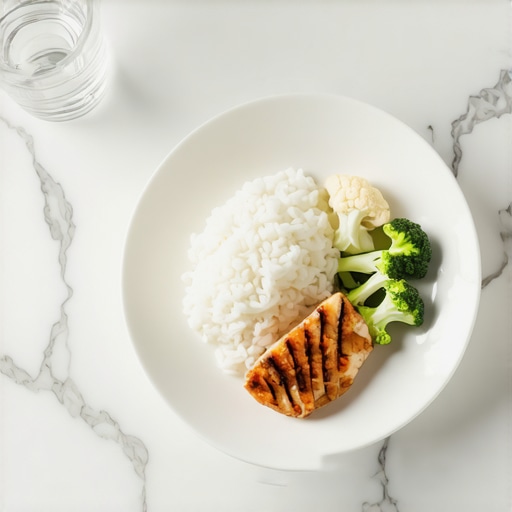
To survive those first two days, you need a shopping list that looks like a cloud. I am talking about the ‘White Diet.’ Stick to white rice, cauliflower, chicken breast, and white fish. I remember a Tuesday night about three years ago when I was so hungry I almost reached for a jar of turmeric-heavy curry. I literally had the lid half-unscrewed before I remembered my investment. I ended up eating plain pasta with a little butter and salt. It was not the most exciting meal of my life, but it saved my smile. You see, the mistake that makes your teeth look too white and fake often comes from trying to over-bleach to compensate for poor aftercare later on. If you do it right the first time, you do not need to overdo it.
Eat These Foods to Protect Your Results
The core concept of the ‘White Diet’ is to avoid anything that would stain a white t-shirt. If you would not want it spilled on your favorite white linen shirt, do not put it in your mouth. This includes balsamic vinegar, soy sauce, and even healthy options like blueberries. Instead, focus on ‘safe’ proteins and grains. I found that meal prepping a batch of plain chicken and white potatoes right before my appointment took the guesswork out of dinner when I was tired and tempted by takeout. This level of preparation is similar to what I suggest when people are weighing veneers vs crowns: choosing the best option for your smile; the success of any cosmetic work depends heavily on your post-procedure habits.
Handling the Post-Whitening Zings Without Stress
Sensitivity is the most common hurdle after professional whitening. Some people experience ‘zingers’—sharp, sudden flashes of discomfort. I used to think this meant I had damaged my teeth, but it is usually just the nerves reacting to the temporary dehydration of the tooth. To manage this, avoid extremely hot or cold drinks for 48 hours. Think room temperature. I once made the mistake of trying a ‘soothing’ ice-cold smoothie right after a session and nearly jumped out of my skin. If you are feeling discouraged, remember why your teeth feel sensitive after using whitening strips is the same biological process as professional gels, just on a different scale. Using a desensitizing toothpaste a week before and a week after your appointment can act like a buffer for your nerves.
Think of Your Enamel Like Wet Cement
Just like you would not walk on a sidewalk that was poured an hour ago, you should not treat your enamel roughly right after whitening. Your teeth are effectively in a ‘healing’ phase where the mineral structure is stabilizing. This is why you should avoid abrasive ‘whitening’ toothpastes immediately afterward. Many people wonder why your teeth look yellow despite using whitening toothpaste, and it is often because those pastes are too abrasive, scratching the surface and making it easier for stains to latch on. Instead, use a soft-bristled brush and gentle, circular motions. Think of it as polishing a fine piece of jewelry rather than scrubbing a kitchen floor.
Master the Art of the Straw
If you absolutely cannot survive without your morning caffeine fix, the straw is your new best friend. By positioning a straw behind your front teeth, you bypass the most visible area of your smile. I have mastered the ‘sip and bypass’ technique which is the secret to keeping white teeth while drinking morning coffee without looking like you are trying too hard. It is a small habit, but it is these little shifts that contribute to family dentistry tips for a lifetime of healthy smiles. When you consistently protect your enamel, you are not just maintaining a color; you are maintaining the structural integrity that makes cosmetic dentistry secrets to boost your confidence actually work long-term.
While the ‘White Diet’ is a great start, there is a much deeper nuance to long-term results that most people miss. We are often told that the whiter the teeth, the better the result. However, I have seen so many people fall into the mistake that makes your teeth look too white and fake. Real teeth are not like a sheet of printer paper; they have depth, translucency, and subtle gradients. When you go for a professional treatment or veneers, the goal should be ‘vibrant health,’ not just a flat, opaque white block that glows under a blacklight.
The Opaque Trap That Ruins a Natural Look
The biggest myth in cosmetic dentistry is that more bleach equals a better smile. In reality, over-bleaching can strip away the natural luster of your teeth, leaving them looking chalky or even slightly translucent in a way that reveals the grey shadows of your mouth. A study published in the Journal of Dentistry (2021) highlighted that humans perceive natural light-scattering—known as opalescence—as a key indicator of youth. If you lose that, your teeth actually look older, even if they are technically ‘whiter.’ This is a hidden nuance I wish more people understood before they demand the highest level of peroxide available.
Why Your Veneers Keep Popping Off at Dinner
One of the most common ‘oops’ factors I see involves the mechanics of the bite. Many patients focus entirely on the aesthetics and forget that their teeth are tools. If your bite isn’t perfectly aligned, even the most expensive porcelain will fail. I have seen it happen: someone spends thousands on a smile only to wonder what to do when a veneer pops off during dinner. Usually, it is because they chose a treatment without considering their jaw alignment. When deciding between veneers vs crowns: choosing the best option for your smile, the structural integrity of the remaining tooth and the way your upper and lower teeth meet are far more important than just the color of the porcelain.
Can You Really Get Implants if You Have Bone Loss?
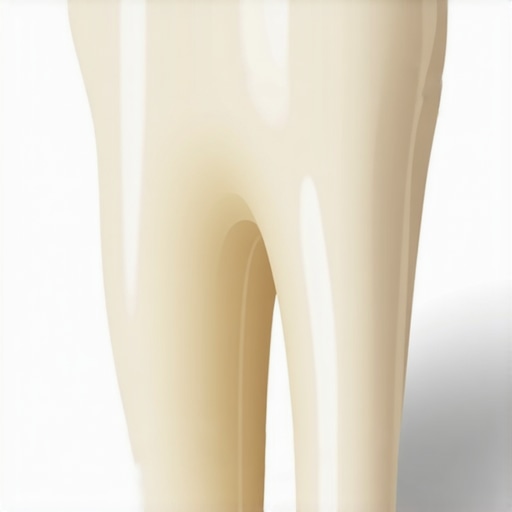
This is a question I get from people who think they have missed the boat on modern dentistry. The common belief is that if you have waited too long after losing a tooth, you are no longer a candidate for implants. That is a myth. While it is true that bone resorbs over time, the truth about getting dental implants if you have existing bone loss is that we have incredible ways to rebuild that foundation. Often, the reason your dental implant surgery requires a bone graft is simply to ensure the titanium post has enough ‘soil’ to take root. It is a sophisticated process, but it means you are rarely out of options.
The Truth About Why Restorations Fail Early
If you have had work done, whether it is a single implant or a full set of veneers, you might be tempted to scrub them extra hard to keep them ‘clean.’ This is a massive trap. Restorations don’t get cavities, but the natural teeth holding them do. Furthermore, aggressive brushing can lead to gum recession, exposing the edges of your work. Learning how to tell if your gum recession is caused by brushing too hard is vital. If the gums pull back, you lose that seamless transition between the tooth and the restoration, which is often when the truth about the lifespan of a dental implant or veneer becomes a painful reality. Have you ever fallen into this trap of choosing ‘brightest white’ over ‘natural white’? Let me know in the comments.
I used to think that once the veneers were on or the implant was set, the hard work was over. I couldn’t have been more wrong. The real challenge—and the real reward—is in the maintenance. If you treat your new smile like a ‘set it and forget it’ appliance, you are going to find yourself back in the chair much sooner than you’d like. I’ve learned the hard way that the tools you use at home are just as important as the skill of the surgeon who performed the procedure. It is about shifting from a ‘cleaning’ mindset to a ‘preservation’ mindset.
Stop Brushing Like You Are Scrubbing a Tile Floor
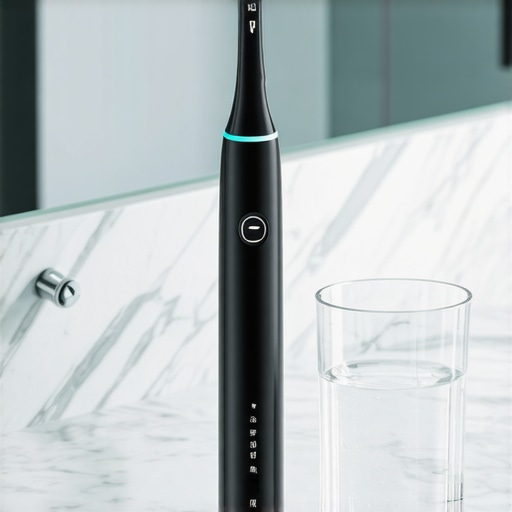
The biggest mistake I made early on was thinking that more pressure meant cleaner teeth. With restorations, this is a recipe for disaster. I eventually switched to an electric toothbrush with a built-in pressure sensor, and it was a game-changer. These devices literally flash red or stop vibrating if you press too hard, which is essential for protecting your gum line. I recommend this to everyone because how to tell if your gum recession is caused by brushing too hard is often only possible once the damage is already done. By using a tool that enforces a gentle touch, you ensure that the junction between your natural tooth and your veneer stays sealed and healthy.
Tools That Actually Save Your Porcelain
When it comes to flossing, I have completely abandoned traditional string floss in favor of a high-end water flosser. If you have any kind of bridge or permanent retainer, you know the struggle. I found the secret to flossing comfortably with a permanent retainer is high-pressure water that can reach the nooks and crannies a string simply can’t. According to a meta-analysis in the International Journal of Dental Hygiene (2019), water flossing was found to be up to 29% more effective than string floss for removing plaque in difficult-to-reach areas. For someone with complex dental work, that percentage is the difference between a restoration that lasts ten years and one that lasts thirty.
How do I keep my dental work from failing prematurely?
Consistency is your best friend, but so is the right chemistry. I stopped using any mouthwash that contains alcohol, which can dry out the mouth and potentially soften the bonding agents used for veneers over a long period. Instead, I use pH-balanced rinses that promote a healthy oral microbiome. This is part of the broader family dentistry tips for a lifetime of healthy smiles that often get overlooked when we focus too much on the ‘cosmetic’ side. Remember, the truth about the lifespan of a dental implant is that it depends entirely on the health of the bone and tissue surrounding it. If the ‘soil’ is bad, the ‘tree’ will fall.
The AI Revolution in Your Bathroom Mirror
Looking ahead, the trend is moving toward hyper-personalized monitoring. We are already seeing the rise of ‘smart’ mirrors and AI-integrated toothbrushes that map your mouth in 3D to show you exactly where you are missing spots. I predict that in the next few years, dental implants 2025 innovations will include sensors within the crown itself that can alert your dentist to early signs of inflammation or bacterial buildup before you even feel a ‘zing.’ This proactive approach is central to the future of dental implants: cutting-edge techniques in cosmetic dentistry. We are moving away from reactive repairs and toward a world where your smile is digitally monitored for perfection. If you want to stay ahead of the curve, I strongly suggest upgrading to a pressure-sensing electric brush today—it’s the single best investment you can make to protect your cosmetic work.
The Hardest Lesson I Learned About Protecting Porcelain
If there is one thing I’ve realized after years of navigating the world of aesthetic upgrades, it is that your dentist provides the canvas, but you provide the daily maintenance. I used to think I could just pay for the procedure and be done with it. Now, I know that checking in on your gums is just as important as the shade of your teeth. For instance, knowing how to tell if your gum recession is caused by brushing too hard is a skill every patient should master early on to prevent their restorations from looking aged. It is a partnership where your daily habits dictate the lifespan of your investment. My biggest lightbulb moment was realizing that ‘white’ does not mean ‘invincible.’ Your natural teeth underneath still need care, and the porcelain on top requires a gentle, consistent touch.
My Personal Daily Toolkit for a Brighter Smile
I do not believe in over-complicating things, but I do believe in using tools that actually work. To keep my results looking fresh, I rely on a few specific items. First, a pressure-sensing electric toothbrush is non-negotiable; it is the best way to follow family dentistry tips for a lifetime of healthy smiles without accidentally damaging your enamel or gum line. Second, I swear by a high-quality water flosser. I discovered that the secret to flossing comfortably with a permanent retainer or dental bridge is all about the right water pressure rather than struggling with traditional string. Finally, if you are looking for expert tips for perfect results, I recommend keeping a travel-sized, alcohol-free rinse in your bag for those times you cannot brush immediately after a meal.
Your Journey to Lasting Confidence Starts Today
At the end of the day, cosmetic dentistry is about more than just a reflection in the mirror; it is about the internal shift in how you feel when you walk into a room. Whether you are just beginning to look into a veneers transformation or you are curious about how dental implants reshape your oral health in 2025, the first step is always the most empowering. You do not have to wait for a ‘perfect’ time to prioritize your self-esteem. Your future smile is waiting for you to take that initial leap of faith. If you are ready to see what is possible, do not hesitate to contact us to discuss your unique goals. Have you ever accidentally stained your teeth right after a professional whitening session? Let me know your ‘oops’ moments in the comments below!