I remember the exact moment I realized my oral hygiene was a total disaster. I was three weeks into my orthodontic journey, standing in front of my bathroom mirror, and I had just spent ten minutes trying to get a single piece of floss under a wire. My gums were throbbing, my patience was gone, and I honestly felt like I was failing at being a ‘good’ patient. I had even looked into choosing between veneers and crowns before starting this, thinking maybe I should have just skipped the braces altogether. But here I was, stuck with a mouth full of metal and a growing fear of cavities. If you have just started treatment and are wondering what to eat when your braces are first put on, you probably already know that cleaning up after those meals is a nightmare. [IMAGE_PLACEHOLDER]
I almost ruined my gums by sticking to traditional floss
For months, I struggled with those tiny plastic threaders. It was a chore I dreaded more than a Monday morning meeting. I’ll admit a secret: I started skipping nights. That’s a massive mistake when you have brackets trapping every crumb you eat. I noticed my gums getting puffy and red, which is a classic warning sign often discussed in family dentistry tips for maintaining oral health. I thought I was being thorough, but traditional flossing with braces is incredibly difficult to do perfectly. I was leaving behind plaque, and I constantly worried why my breath smelled metallic despite my best efforts. The physical struggle of maneuvering string around wires while trying to manage the dull ache after an adjustment was enough to make me want to quit.
Is a water flosser actually worth the hype?
You might be thinking that this is just another expensive gadget that will clutter your bathroom counter. I was skeptical too. I figured it would just spray water everywhere and do a mediocre job compared to the ‘real’ thing. However, a study published in the American Journal of Orthodontics and Dentofacial Orthopedics found that water flossers are significantly more effective at reducing plaque and gingivitis in orthodontic patients than manual flossing. That is not just a small improvement; it is a total lifestyle change. My promise to you today is that we will find a way to keep your teeth sparkling without the twenty-minute wrestling match every night. Tell me, have you ever spent more than fifteen minutes trying to floss a single tooth because of your wires? I have been there, and I promise there is a better way to protect your smile for the future.
Stop Blasting Your Gums and Start Aiming Right
When I first turned on my water flosser, I felt like I was holding a fire hose. I sprayed my mirror, my shirt, and even managed to get water up my nose. The trick isn’t power; it’s precision and angle. Think of it like power washing a delicate stone patio. You don’t want to hit the surface at a ninety-degree angle, or you’ll just splash back. Instead, lean over the sink and keep the tip at a slight angle toward the gumline. You are sweeping the debris out from under the wire, not just pushing it deeper. This is crucial for family dentistry tips that actually stick. If you feel a sharp pain, you might be hitting a sore spot, so learn how to manage mouth sores caused by orthodontic brackets to keep the process comfortable.
#IMAGE_PLACE_HOLDER_B#
Warm Water is Your Best Friend for Sensitive Teeth
I learned this the hard way on a Tuesday morning in January. I filled the reservoir with cold tap water and nearly jumped out of my skin. My teeth felt like they were being hit with ice picks. Many people wonder why your teeth feel extra sensitive after a professional cleaning, and the same logic applies here—your gums are already a bit tender from the hardware. Using lukewarm water changes the experience from a chore to a mini-spa treatment for your mouth. It softens the plaque and makes the whole process feel less like a medical procedure. If you’ve noticed why your gums bleed every time you try a new electric toothbrush, the gentle pressure of warm water is the perfect bridge to healthier tissue.
The Spinach Salad Disaster That Changed Everything
About two months into my treatment, I had a lunch meeting and ate a spinach salad. I thought I had rinsed well in the restaurant bathroom. When I got home and used my water flosser, a piece of spinach the size of a postage stamp dislodged from behind my back molar. It had been hiding there for three hours. It was a gross realization, but it proved the tool worked. Sometimes, even the best water flosser needs help, which is where the best way to remove a stubborn spinach leaf from under your bridge or brackets becomes essential knowledge. I now keep a set of interdental brushes in my bag for these exact moments.
Use a Tiny Brush for Those Impossible Gaps
Water handles the bulk of the work, but interdental brushes handle the fine details. They are like the tiny detail brushes used to clean the interior of a luxury car. If you have crowded teeth, you know the secret to flossing when your teeth are tightly crowded involves finding every possible entry point. Use these little brushes to scrub the sides of each bracket. I found that doing this once a day, usually while watching TV, made my orthodontic check-ups so much faster because the technician didn’t have to spend twenty minutes scraping away hardened tartar. It’s about building a defense system that prevents you from needing more intensive work later, like how to stop your gums from receding without painful surgery.
I’ve seen it dozens of times: someone spends thousands on a new smile only to realize they’ve traded one set of problems for another. Everyone says cosmetic dentistry is about the ‘after’ photo, but in my experience, the ‘after’ is where the real work begins. We need to stop viewing these procedures as a shortcut to perfection and start seeing them as medical restorations that require an elite level of hygiene. If you’ve ever wondered about the mistake that makes your teeth look too white and fake, it usually comes down to ignoring the translucency and ‘imperfections’ that make real teeth look alive. Many people rush into a shade that is too bright, resulting in a ‘toilet bowl white’ that lacks any depth or natural character. 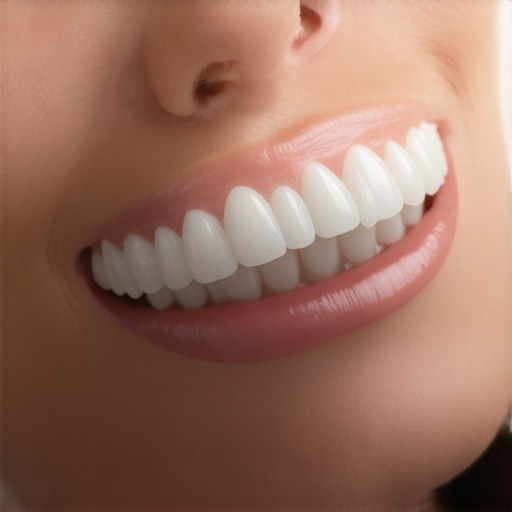
Can You Successfully Place an Implant After Years of Bone Loss?
This is a question that stumps many patients who have lived with gaps for a long time. The answer is usually yes—provided you don’t take shortcuts. A major nuance in the future of dental implants is the use of sophisticated synthetic bone matrices. I’ve seen people try to dodge the extra step, but the reason your dental implant surgery requires a bone-graft is rooted in physics; the titanium post needs a dense foundation to withstand the significant pressure your jaw generates during mastication. According to a study published in the Journal of Clinical Periodontology, skipping the necessary bone volume is the leading cause of early implant failure and peri-implantitis.
Stop Treating Veneers Like Shielded Armor
There is a dangerous myth that porcelain is indestructible. It is not. I have seen patients get frustrated and wonder why your veneers feel bulkier than your natural teeth, often because they weren’t prepared for how porcelain needs to be layered for both strength and light reflection. Understanding the truth about the durability of composite vs porcelain veneers is vital because it changes how you eat and live. You cannot simply bite into a hard candy or an un-sliced apple with porcelain the same way you might with natural enamel without risking a fracture. It is a delicate balance of aesthetics and function that requires a change in habits.
Look for the Warning Signs Before the Failure
If you have older dental work, do not wait for a tooth to fall out or a crown to crack before you take action. You need to know how to tell if your dental bridge is failing or old before the underlying support teeth are permanently compromised. A ‘graying’ gumline, a persistent metallic taste, or a slight ‘click’ when you chew are the early warning signals your body sends out. Have you ever fallen into this trap of thinking your dental work was a ‘one and done’ fix? Let me know in the comments. We have to be proactive about family dentistry tips that focus on long-term structural integrity, not just the surface glow. True expertise in dentistry isn’t just about the placement; it is about the maintenance of that investment for decades.
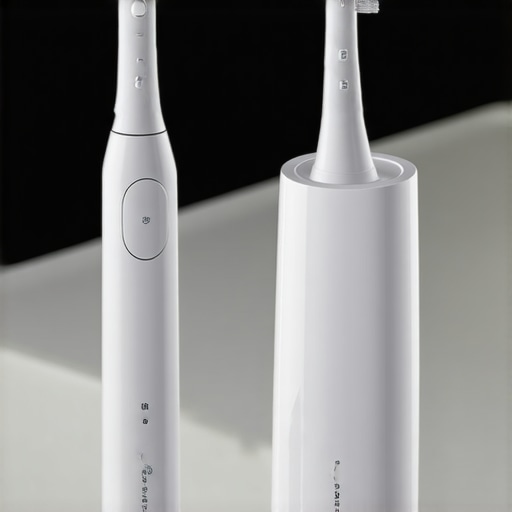
I used to think that once the veneers were bonded and the implants were set, I was basically invincible. I figured the hard part was over. In reality, that was just the beginning of a different kind of commitment. I personally use an oscillating-rotating electric toothbrush with a built-in pressure sensor, and here is exactly why: I used to be a ‘scrubber.’ I thought more pressure meant cleaner teeth, but I was actually destroying my gumline. If you want to know how to stop your gums from receding without painful surgery, the first step is putting down the manual brush and letting the motor do the work. The pressure sensor on high-end brushes flashes red the second you press too hard, which is a literal life-saver for the delicate margins where your veneer meets your gum.
How do I maintain my dental implants and veneers over time?
Consistency is the secret, but so is using the right chemistry. I have found that non-abrasive gels are significantly better than standard whitening toothpastes, which can actually micro-scratch the surface of porcelain over several years. According to a study published in the International Journal of Implant Dentistry, specific irrigation pressures between 50 and 90 psi are optimal for cleaning around titanium abutments without causing tissue detachment. This is why I am so insistent on water flossing; it reaches the sulcus around an implant in a way that string simply cannot. If you are a caffeine lover like me, you also need to learn how to maintain your white smile after a coffee habit by rinsing with water immediately after your last sip to prevent extrinsic stains from settling into the micro-pores of your natural teeth.
Protect Your Investment with a Custom Guard
One of the most expensive mistakes you can make is assuming you don’t grind your teeth. The sheer force of nocturnal bruxism can snap a porcelain veneer or loosen an implant over time. I wear a custom-fabricated night guard every single night without exception. It acts as a shock absorber for my jaw. However, you can’t just throw it in a drawer and forget it; you have to know how to clean your night guard without damaging the material to avoid bacterial buildup that can lead to bad breath or gum irritation. This is a core part of family dentistry tips that most people ignore until they see a crack in their expensive dental work. If you ever notice why your dental implant crown feels slightly wiggly when you bite, it is often because of this undetected pressure.
The Future of Your Bathroom Mirror Includes AI Scans
I predict that within the next five years, we won’t just be looking at our teeth in the mirror; we’ll be scanning them. We are already seeing the beginning of this with dental implants 2025 innovations that include ‘smart’ abutments capable of sensing early-stage inflammation. Soon, your electric toothbrush will likely sync with an app to tell you exactly where plaque is accumulating in real-time, allowing you to fix the problem before it requires a trip to the chair. For now, my best advice is to be your own detective. Use a dental mirror once a week to look at the back of your work. If you see anything that looks off, don’t wait. My advanced tip for you today: buy a dedicated ‘interproximal’ brush head for your electric base; it’s a game-changer for cleaning the gaps around bridges and implants where a standard head is just too bulky.
[IMAGE_PLACEHOLDER_E]
Lessons From My Own Oral Hygiene Regrets
The most important thing I learned throughout this process is that your mindset has to shift from ‘fixing’ to ‘preserving.’ I spent so much time worrying about the initial cost that I almost forgot the cost of neglect. One ‘lightbulb moment’ for me was realizing that my dental work isn’t just a physical change; it is a long-term commitment to self-care. I used to think of flossing as a chore I did to please my dentist, but now I see it as protecting a massive financial and emotional investment. Another myth I had to debunk was that expensive work means less maintenance. In reality, the more sophisticated your dental work, the more precise your care must be. Following expert tips for perfect results isn’t about being a perfectionist; it’s about ensuring you don’t have to go through the whole process again in five years.
Equip Your Bathroom for Dental Success
If you are looking to build your own success kit, I highly recommend starting with a high-quality water flosser that has adjustable pressure settings. I also keep a stash of travel-sized interproximal brushes because food doesn’t wait until you get home to get stuck. For those who want to dive deeper into long-term health, I frequently revisit family dentistry tips for a lifetime of healthy smiles to keep my basics sharp. I also suggest keeping a small dental mirror in your cabinet to check those hard-to-see spots behind your molars. If you ever feel overwhelmed by the technical side of things, don’t hesitate to reach out to a professional who can give you a hands-on demonstration of the best techniques for your specific hardware.
Your Future Smile Starts with Tonight’s Routine
You’ve already done the hard work of showing up and making the change. Now, the goal is to make that change last a lifetime. Whether you are navigating the world of braces or maintaining a full set of porcelain, remember that every minute you spend on hygiene today is an hour you won’t have to spend in the dental chair tomorrow. Your smile is one of the first things the world sees, and keeping it healthy is the ultimate act of confidence. Trust the process, stay consistent, and enjoy the feeling of a truly clean mouth. Which part of your oral care routine do you find the most frustrating to keep up with? Let me know below.