I remember waking up one Tuesday morning last November with a throb in my upper right molar that felt like a tiny construction crew was jackhammering into my skull. My mind immediately went to the worst-case scenario: a massive cavity, an expensive root canal, or maybe even the need for dental implants. I spent three hours frantically googling symptoms before I realized my nose was stuffed up and my eyes felt heavy. I’d made the classic mistake of assuming my teeth were the problem when the culprit was actually hiding in my sinuses. It is a terrifying feeling when you can not tell if you need a dentist or a box of Sudafed, but I promise you that by the end of this, you will know exactly which one to reach for. We are going to break down the specific physical cues that separate a standard dental issue from a temporary bout of sinusitis so you can stop stressing and start healing.
Stop Panicking and Check Your Nose First
I’ve been there—clutching my jaw and wondering if I’d finally paid the price for that extra slice of cake. Early in my journey of obsessive oral health care, I actually rushed into an emergency chair because of a “toothache,” only to have the doctor tell me my teeth were perfect but my maxillary sinuses were completely blocked. It was embarrassing, to say the least. According to clinical data from the Mayo Clinic, maxillary sinusitis is a leading cause of referred pain to the upper rear teeth because the roots of those teeth sit incredibly close to the sinus cavities. If those cavities get inflamed, they press directly onto your dental nerves. This is why you might even notice why your teeth throb immediately after you finish a long run or any high-impact movement; that pressure shifts and bounces right against those sensitive roots.
Is it really possible to mistake a cold for a dental emergency?
I know what you are thinking: “My tooth hurts so bad it has to be a cavity, right?” It sounds wild that your nose could cause such intense dental distress, but the anatomy doesn’t lie. Most people assume dental pain is always localized, but sinus-related pain is a different beast entirely. Unlike a cavity that usually targets one specific spot, sinus pain often feels like a dull, heavy ache across several teeth at once. If you are struggling to pinpoint which specific tooth is the problem, or if the pain changes when you bend over to tie your shoes, you are likely looking at a sinus issue rather than a trip for cosmetic dentistry. Have you ever spent a night worrying about a tooth only to realize you had a head cold the next day? If you’re unsure right now, you can always reach out to a professional to get a quick look and ease your mind. I once ignored a real ache thinking it was just my seasonal allergies, and let me tell you, that is a mistake you only make once. Knowing how to manage tooth pain when you have a sinus infection can save you a lot of unnecessary anxiety while you wait for the congestion to clear.
Jump and Bounce to Pinpoint the Pain
The most effective way to distinguish between a dental emergency and a sinus flare-up is what I call the ‘impact test.’ Think of your tooth roots like the anchors of a boat; if the water (your sinuses) is calm, the boat stays still. But if the water is full of pressure, every movement sends a shockwave through the anchor. I remember standing at the top of my basement stairs during that November scare, convinced I had a cracked molar. I took a quick hop down just two steps and the vibration in my upper teeth was so intense I nearly saw stars. That is a classic sinus indicator. If you jump or even walk briskly and the pain increases with the rhythmic thud of your feet, your teeth are likely just innocent bystanders to a sinus war. This is vastly different from a localized issue where the pain remains constant regardless of your physical activity. If you’re currently traveling and hit with this sensation, knowing how to handle a throbbing toothache when you are on a plane can be a lifesaver, especially since cabin pressure wreaks havoc on inflamed sinuses.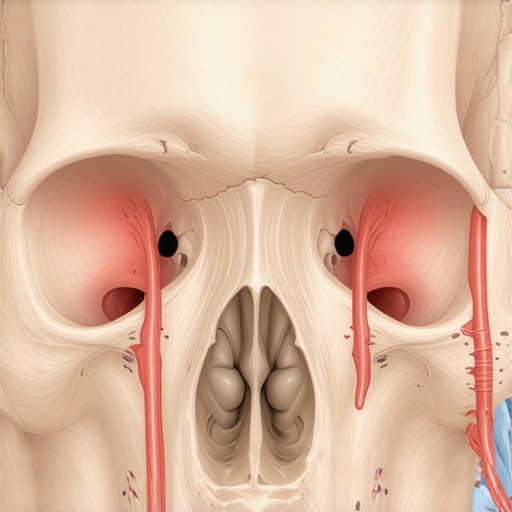
Why Your Head Position Changes Everything
Another concrete method involves gravity. If the culprit is a cavity or a structural failure, the pain stays pretty much the same whether you are standing, sitting, or hanging upside down. However, sinus pressure is fluid-based. I once spent twenty minutes leaning over the side of my bed to see if my ‘cavity’ would get worse. Within seconds, the pressure shifted to the front of my face and my teeth felt like they were being squeezed in a vise. This happens because the inflammation and mucus in the maxillary sinus move when you tilt your head forward. If you bend over to pick something up and your jaw suddenly pulses, you are dealing with a drainage issue, not a decay issue. If you do find a specific spot that hurts regardless of position, you should learn how to tell if a white spot on your tooth is a cavity to ensure you aren’t ignoring a real dental threat while waiting for a cold to pass.
Check for the Localized Red Flags
While sinus pain is ‘moody’ and moves around, true dental pain is stubborn and precise. Try the tap test: take the end of a toothbrush and gently tap the tooth you think is the problem. If one specific tooth sends you through the roof but the ones next to it feel fine, the problem is likely dental. You might be facing the danger of ignoring a small chip on your molar which has finally reached the nerve. Real dental issues often come with swelling of the gums right at the tooth base, or a specific sensitivity to cold that lingers for more than thirty seconds. Sinus pain usually ignores cold water but hates movement.
Protect Your Teeth Between the Sinus Flares
Even if it is ‘just’ your sinuses, the constant pressure can weaken your oral health over time by causing you to clench your jaw or breathe through your mouth, leading to dry mouth. This is where long-term care becomes vital. Following family dentistry tips for a lifetime of healthy smiles ensures that your enamel stays strong enough to withstand these periodic bouts of referred pain. If you’ve already had work done, like implants, you might worry the pressure will damage them, but understanding the truth about the lifespan of a dental implant should ease your mind—they are built to handle much more than a bit of seasonal congestion.It is easy to get caught up in the relief of a clear sinus scan, but that does not mean your journey with dental maintenance ends there. One of the most dangerous myths I see floating around is the idea that once you invest in dental implants 2025 innovations that redefine comfort and durability, your oral hygiene can take a backseat. People assume that because titanium and porcelain can not decay like enamel, they are essentially invincible to the bacteria that causes gum disease. This is a massive trap. In reality, your gums are the foundation, and if they fail, the most expensive implant in the world will fail with them. I have seen patients skip their routine cleanings because they felt safe with their new smile, only to develop peri-implantitis—a condition that can lead to bone loss around the implant.
Your New Smile Is Not a Set-It-and-Forget-It Product
In my experience, the more advanced the dental work, the more nuanced your care routine needs to become. For example, how dental implants reshape your oral health in 2025 involves more than just filling a gap; it involves maintaining the bone density that supports your entire facial structure. A common mistake is choosing the whitest shade available for restorative work, which often leads to the mistake that makes your teeth look too white and fake. Professional cosmetic dentistry is about mimicry, not just replacement. If your new teeth do not have a slight translucency at the edges, they will not catch the light naturally.
Can your jawbone actually reject a perfectly placed titanium post?
While rejection in the way we think of organ transplants is rare, a study published in the *Journal of Oral Implantology* highlights that the primary reason for early-stage failure is not the body hating the metal, but rather a lack of primary stability or micro-movements during the healing phase. This is why you might feel why your dental implant feels like its vibrating when you chew if things are not quite right. It is a sophisticated dance between biology and engineering.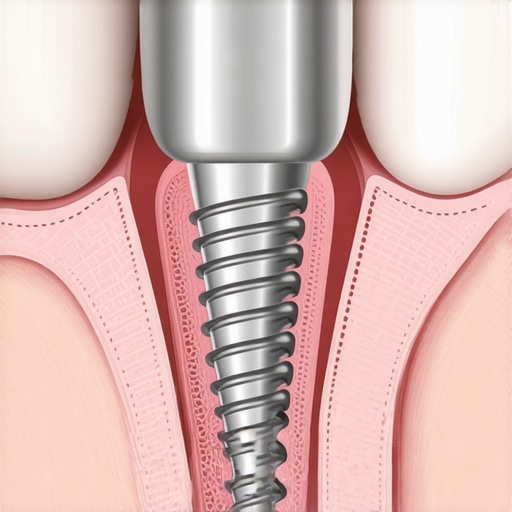 One specific trap to avoid is the rush to get teeth in a day without checking your underlying structure. Even if you are looking at the truth about getting dental implants if you have existing bone loss, you have to respect the timeline of your own body’s healing. Cutting corners on the settling period is the fastest way to turn a dream smile into a chronic ache. Similarly, with veneers, patients often panic early on, but understanding why your porcelain veneers might feel bulky at first can prevent you from demanding unnecessary adjustments that might compromise the bond. Have you ever fallen into the trap of thinking a permanent dental fix meant permanent freedom from the toothbrush? Let me know in the comments.It’s a hard pill to swallow, but the toothbrush is just the baseline for maintaining high-end dental work. When I finally committed to following expert tips for perfect results, I realized my old manual brush was essentially like trying to clean a luxury car with a kitchen sponge. I switched to a high-frequency electric toothbrush specifically because the micro-vibrations break up biofilm in ways manual scrubbing simply cannot. If you’ve invested in unlocking your best smile yet, you need to treat it like the sophisticated piece of biological engineering it is.
Stop Using Regular Floss for Your Implants
The day I realized regular string floss wasn’t cutting it was the day I smelled something unusual during my routine. Even if you brush perfectly, food particles can get wedged in the microscopic gap between the crown and the gumline. I started using a water flosser on the ‘pulsate’ setting twice a day; it is the only way I have found to ensure you aren’t leaving decay-causing debris behind. You really need to learn how to tell if your dental bridge is trapped with food because that trapped bacteria leads to the chronic inflammation that often causes implant failure.
How can I make my cosmetic dental work last a lifetime?
The answer isn’t a magical toothpaste; it is a custom piece of protective plastic you wear while you sleep. I personally never go to bed without my custom-fitted night guard. After getting my veneers, I realized I was a ‘stress-clencher,’ and one week of grinding can do more damage to porcelain than ten years of normal eating. Seriously, the risk of skipping your night guard for just one week is enough to cause micro-fractures you won’t even see until the tooth fails. I also suggest learning how to stop clenching your jaw during the workday to take the constant pressure off your new restorations.
The Biofilm Battle is Scientific
I am a bit of a nerd when it comes to the ‘why’ behind dental health. A technical report from the American Academy of Implant Dentistry (AAID) emphasizes that the long-term success of an implant hinges on managing the ‘biological width’—the specific space between the bone and the soft tissue surface. If you let plaque sit there, your body treats the implant like an intruder. This is why I also use an alkaline mouthwash to keep my mouth’s pH levels balanced, which is the secret to keeping white teeth while drinking morning coffee without eroding the protective glaze on your dental work.
Predicting the Next Decade of Oral Care
I truly believe we are moving toward a world where your toothbrush will be synced to an app that alerts your dentist the moment it detects a change in your saliva’s chemistry. We are already seeing cutting-edge techniques in cosmetic dentistry that use 3D-printed guides for one-hundred percent precision. The next step is ‘smart-implants’ that can sense early-stage bone loss before a human eye ever could. If you are sitting there right now feeling a slight twinge or pressure, do not wait for your next six-month cleaning. Go grab your toothbrush and do the ‘tap test’ I mentioned earlier. If it feels localized and sharp, reach out to a professional immediately to save your investment.
Hard Truths I Discovered While Managing My Own Dental Fears
I used to think that as long as I wasn’t in pain, my teeth were invincible. That is perhaps the most dangerous mindset you can have. I learned the hard way that the danger of ignoring a small chip on your molar isn’t just about aesthetics; it’s about the integrity of the whole tooth. Now, I never guess. If I see something odd, I look up how to tell if a white spot on your tooth is a cavity rather than waiting for it to throb. Another major takeaway? Sinus pressure is a great liar. It can mimic the worst toothache you’ve ever had, but it shouldn’t be an excuse to skip your checkups. Realizing that oral health is a marathon, not a sprint, changed everything for me.
My Personal Recommendations for a Resilient Mouth
Keeping your smile in top shape requires more than just a quick brush. Here is what I keep in my own medicine cabinet to stay ahead of the game:
- High-Frequency Electric Toothbrush: It does the heavy lifting for you, ensuring biofilm doesn’t stand a chance against your enamel.
- A Professional Water Flosser: This is non-negotiable if you have any dental work. It is the only reliable way I’ve found for how to tell if your dental bridge is trapped with food and actually get it out.
- Custom-Fitted Night Guard: Don’t settle for the ‘boil and bite’ ones. Protecting your investment is vital, and the risk of skipping your night guard for just one week can lead to fractures that are expensive to fix.
#IMAGE_PLACEHOLDER_E#
Create a Foundation That Won’t Let You Down
At the end of the day, your smile is one of your greatest assets. Whether you are dealing with seasonal allergies or a real dental concern, staying proactive is the only way to find peace of mind. By following these family dentistry tips for a lifetime of healthy smiles, you can stop reacting to pain and start living with confidence. If the ache persists despite your best sinus-clearing efforts, do not hesitate to contact us to get a professional opinion. You deserve a smile that feels as good as it looks. Have you ever been convinced you had a massive cavity only to find out it was just a seasonal cold? Let me know your story in the comments below!