I woke up at 3:00 AM last winter clutching my jaw, absolutely certain that a cavity had finally caught up with me. The pain wasn’t just a dull hum; it was a rhythmic, pounding sensation that peaked every time I moved my head. I was already mentally calculating the cost of a root canal. But here is the kicker: my teeth were perfectly fine. It turned out my maxillary sinuses were so inflamed they were literally leaning on the nerves of my teeth. I wasted a frantic morning and a lot of stress because I didn’t know the signs. If you are sitting there right now wondering why your molars feel three sizes too big, take a breath. We are going to figure out how to calm that pressure and get you some relief without an unnecessary trip to the oral surgeon.
Your Teeth Might Be Victims of Proximity
It sounds strange, but your upper teeth are essentially the downstairs neighbors to your sinus cavities. When those “upstairs” rooms get flooded with fluid and inflammation, the floor—which is the bone holding your teeth—starts to feel the squeeze. I remember thinking I needed family dentistry tips for a lifetime of healthy smiles just to survive the week, when really I needed a humidifier. According to the American Academy of Otolaryngology, the maxillary sinus is the most common culprit for “referred” dental pain because of how closely the roots of your molars sit to the sinus floor.
Is this actually a dental emergency?
You might be skeptical. I certainly was. I thought, “There is no way a stuffy nose can make my tooth feel like it’s going to explode.” But it can. One major mistake I made early on was ignoring the “positional” test. I noticed that the sensation where my dental implant area throbs when I lay down to sleep was much worse when I bent over to tie my shoes, but I assumed it was just blood pressure. In reality, that shifting weight is a classic sign of sinus involvement. Have you ever felt that weird “vibrating” or heavy sensation in your teeth during a cold? [image-placeholder]
How I Finally Calmed the Storm in My Jaw
The goal today isn’t just to mask the pain, but to address the source of the pressure. If you are worried about your actual dental health, you can always contact us to be safe, but managing the sinus side of things is often the fastest path to peace. We are going to look at everything from steam therapy to the right way to sleep so you aren’t waking up in a panic.
Drain the Pressure Before Your Teeth Scream
To stop the pounding in your jaw, you have to treat your sinuses like a clogged pipe. The pain you feel in your molars is often just the physical weight of trapped fluid pressing against the nerves. I found that the fastest way to get relief is through localized heat. I once spent forty-five minutes in a bathroom with the shower running on full blast, leaning over the sink. I felt like a steamed dumpling, and it seemed ridiculous until I felt a distinct shift in my cheekbones. That ‘pop’ was the pressure equalizing.
Steam is Your Secret Weapon
If you don’t want to turn your bathroom into a sauna, use a bowl of hot water and a towel. Lean over the bowl and breathe deeply. This isn’t just about clearing your nose; the warm moisture thins the mucus that is weighing down on your tooth roots. Think of it like a professional cleaning for your internal cavities. If you have recently had work done, you might notice that your dental implant area feels heavy for the first week, which is a very similar sensation to this sinus bloat. The moisture helps soothe those sensitive tissues from the inside out. 
Use Gravity to Clear the Floor
How you sleep tonight will determine if you wake up in pain tomorrow. When you lay flat, the fluid in your maxillary sinuses pools right over your upper teeth. It is the same reason why some people feel that their dental implant area throbs when they lay down to sleep. To fix this, prop yourself up with at least two or three pillows. You want your head at a 45-degree angle. This allows gravity to pull the fluid away from the ‘floor’ of your sinus, which happens to be the ‘ceiling’ of your mouth. I used to hate sleeping propped up, but after one night of waking up without that rhythmic throb in my molars, I became a believer.
Distinguish Sinus Weight from Real Tooth Damage
Sometimes the pressure is so intense that you are convinced a tooth is actually loose or broken. It can feel remarkably similar to the way porcelain veneers might feel bulky at first or slightly ‘off’ in your bite. A quick way to test this is the ‘Jump Test.’ If you hop on one foot and the pain in your tooth spikes with each landing, it is almost certainly a sinus issue rather than a cavity. A cavity or a root issue usually hurts more with temperature changes, whereas sinus pain reacts to movement and impact. If the pain persists even after you have cleared your congestion, you should contact us to rule out any underlying infections. Managing this at home is about patience and consistency. Use saline sprays throughout the day to keep the passages moving. If the anxiety of the pain is making the tension worse, look into 4 ways to manage dental anxiety without using heavy sedation to keep your jaw muscles from clenching and adding to the misery.Most people think that if they invest in high-end cosmetic dentistry, their mouth becomes a fortress against pain. I used to believe that too. But here is the nuance most dentists won’t mention in the first five minutes: your biology doesn’t care how much you spent on your smile. Even the most perfect veneers transformation can’t stop the biological reality of referred pain. A common trap is assuming that because a tooth is ‘covered’ or replaced by a metal post, it’s immune to the environment. In reality, the way your dental implant feels different than a natural tooth is because it lacks a periodontal ligament, making it even more sensitive to pressure changes in the bone above it.
Can a sinus infection actually cause your dental work to fail?
It is a sophisticated worry, but a valid one. While an infection rarely ‘unseats’ an implant, chronic sinus pressure can mimic the symptoms of a failing restoration, leading people to demand unnecessary replacements. A study published in the Journal of Endodontics highlights that nearly 40% of patients with chronic maxillary sinusitis also report some level of dental discomfort. This is where cosmetic dentistry secrets meet hard science. If you are only looking at the surface, you are missing the foundation. 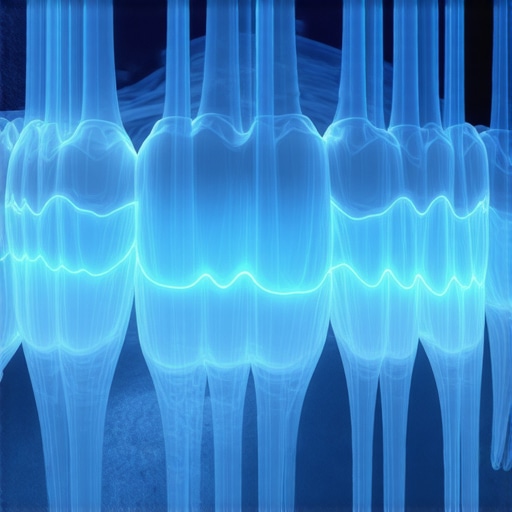
Stop treating the tooth when the problem is the pipe
One of the biggest ‘oops’ factors I see is patients rushing into a root canal for a tooth that is perfectly healthy but sitting in an inflamed ‘neighborhood.’ I have seen cases where people were convinced their porcelain veneers might feel bulky at first, but after the sinus cleared, the ‘bulkiness’ disappeared—it was just internal swelling pushing the tooth slightly out of alignment. This is exactly what your Culpeper dentist sees on a CBCT scan that a flat 2D X-ray completely misses. The CBCT shows the three-dimensional relationship between your roots and your sinus floor. Even the best family dentistry tips can’t prepare you for how a seasonal change might affect your bite. I once had a friend who thought their crown was loose because it clicked every time they sneezed. It turned out the sinus membrane was so thin that the air pressure was vibrating the bone around the tooth. If we hadn’t checked the sinus health first, they might have replaced a perfectly good crown. If you ever feel like your bite is ‘off’ only when you have a stuffy nose, don’t ask for an adjustment right away. You might just need a humidifier and some saline. Have you ever fallen into this trap and blamed your dentist for a ‘bad’ tooth that was actually just a sinus issue? Let me know in the comments. If you are still unsure and the throb won’t quit, you can always contact us to get a professional look before making any big decisions.
If you have spent the time and money on a total smile overhaul, you have to treat your mouth like a high-performance machine rather than a passive piece of hardware. I learned this the hard way after my first major restoration. I assumed that because the materials were state-of-the-art, I could slack off. I was wrong. To keep those results, you need a toolkit that goes beyond a basic drugstore toothbrush.
How can you keep your dental work perfect for decades?
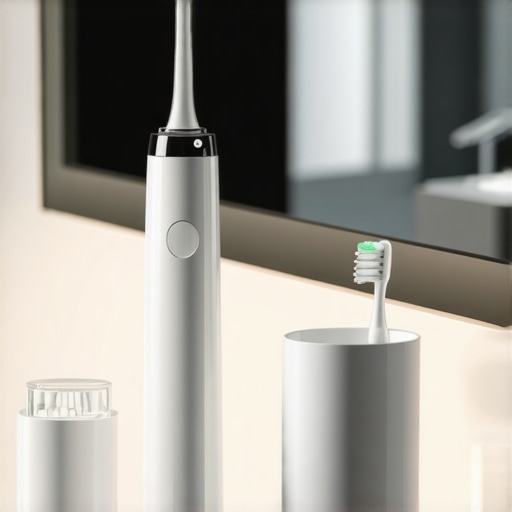
The answer isn’t just ‘brush more.’ It is about managing the environment around the dental work. For those with porcelain work, understanding the 3 secrets to making your porcelain veneers last twenty years involves using tools that don’t cause micro-abrasions. I personally swear by the Waterpik Aquarius set to a mid-range pressure. Why? Because manual flossing can sometimes tug at the margins of a restoration if done aggressively. A water flosser, however, uses hydrostatic pressure to flush the sulcus without mechanical friction. This is vital for implants too, because how dental implants reshape your oral health in 2025 is largely dependent on the health of the surrounding gum tissue, which lacks the natural sensory feedback of a real tooth root.
Your Night Guard Is Not Optional
If you are prone to stress-clenching—especially during sinus season when everything already feels tight—you are essentially hammer-drilling your investment every night. I tell everyone that the risk of skipping your night guard for just one week isn’t just about ‘wear’; it is about the potential for ‘debonding’ or ceramic fractures. According to the International Team for Implantology (ITI), mechanical overload is one of the leading causes of late-stage implant complications. A custom-fabricated occlusal guard distributes that force so your jaw muscles take the hit, not your porcelain. It might feel like a chore to wear, but compared to the cost of replacing a fractured bridge, it is the cheapest insurance policy you will ever buy.
Smart Sensors and the Next Decade of Oral Care
I predict that within the next few years, we will see the rise of ‘bio-interactive’ restorations. We are already seeing glimpses of this in the future of dental implants: cutting-edge techniques in cosmetic dentistry, where surfaces are being engineered to actually promote bone regrowth. Soon, your night guard might even have sensors that sync to your phone, alerting you to spikes in clenching so you can adjust your stress levels before you wake up with a headache. For now, the best ‘high-tech’ move you can make is staying ahead of the game with regular diagnostic imaging. If you feel even a slight shift in your bite, don’t wait for it to become a throb. You should contact us to get a professional scan. My advanced tip for you today: Try the ‘Jump Test’ I mentioned earlier if you feel a toothache coming on. If you hop and it hurts, it’s likely your sinuses—not a dental failure. Start that saline spray today and give your teeth a break!
Lessons My Jaw Taught Me During Allergy Season
Reflecting on my own journey through tooth-sinus confusion, I’ve realized that our bodies often use dental pain as a megaphone for other issues. Here is what I wish I had known years ago:
- The Jump Test is definitive: If you are unsure whether your pain is a cavity or a sinus issue, try jumping on one foot. If the pain spikes with the impact, it is almost certainly fluid in your maxillary sinus rather than a structural dental failure.
- Don’t panic about your implants: Because of the reason your dental implant feels different than a natural tooth, they can feel weirdly heavy or sensitive during a cold. It doesn’t mean the post is loose or the bone is failing.
- Moisture is medicine: I spent hundreds on urgent checkups when a simple humidifier would have thinned the mucus causing the pressure against my molars.
My Go-To Defense Kit for Facial Pressure
Managing this at home requires the right tools to prevent the pressure from escalating into a full-blown dental panic. These are the items I keep on hand during the winter and spring months:
- Saline Nasal Mist: A daily rinse keeps the ‘floor’ of your sinuses clear of debris, which protects the sensitive nerves of your upper teeth.
- Custom Night Guard: Since you naturally clench when in pain or under pressure, the risk of skipping your night guard during a flare-up is too high for your restorations.
- Advanced 3D Imaging: When in doubt, ask for a CBCT. Understanding what your Culpeper dentist sees on a professional scan will give you total peace of mind by showing the relationship between your roots and your sinus cavities.
Take Control of Your Smile’s Environment
You don’t have to be a victim of the seasons. By learning to distinguish between referred pressure and actual decay, you protect your long-term health and your wallet. Whether you are maintaining a natural set of teeth or enjoying the results of cosmetic dentistry secrets, the goal is always the same: a pain-free, functional life. Don’t let a temporary clog lead to a permanent mistake or an unnecessary extraction. Have you ever been convinced you had a cavity only to find out it was just a seasonal cold? Let me know below.