I remember the exact moment it happened. My daughter, Maya, finally lost her second top front tooth, and the permanent replacement was peek-a-boo-ing through the gums. I was so excited for her ‘big kid’ smile until I looked closer. Under the kitchen lights, that new tooth didn’t look like the pearly white chiclet she’d just lost. It looked… well, yellow. I immediately felt a pit in my stomach. I grabbed the toothbrush, convinced I’d slacked off on her routine, and started scrubbing. I even made the rookie mistake of looking up whitening strips for seven-year-olds—don’t do that, by the way. It turns out, I was panicking over a perfectly natural biological milestone. If you are staring at your kid’s mouth right now wondering where you went wrong, take a breath. We’re going to solve this mystery today and look at family dentistry tips for a lifetime of healthy smiles so you can stop stressing.
That First Adult Tooth Can Be a Real Jump Scare
The contrast is what gets you. When you have a tiny, milk-white baby tooth sitting right next to a newly erupted permanent tooth, the difference is jarring. It’s like putting a vintage ivory piano key next to a piece of bright white computer paper. I spent weeks thinking I had failed as a parent, but the reality is that adult teeth are built with a completely different ‘blueprint’ than primary teeth. If you’ve also noticed other weird developments, like the reason your child has two rows of teeth at once, you know that the transition to an adult smile is rarely a seamless process. Today, I want to pull back the curtain on why this happens and help you distinguish between a healthy ‘off-white’ and a genuine problem.
Wait, Is This Actually Just A Cavity Hiding in Plain Sight?
It’s the fear every parent carries. You see a change in shade and your mind jumps straight to decay. You might even start scouring the web for how to tell if your toddler has a cavity or a stained groove. But here is the secret: most of the time, what you are seeing isn’t rot. It is just the natural architecture of a much stronger tooth. Have you ever caught yourself staring at your kid’s mouth in the bright sunlight and wondering if you need to book an emergency appointment?
The Contrast Trap Making You Second-Guess Everything
The main culprit here is a layer of tissue called dentin. Permanent teeth have a much thicker layer of dentin than baby teeth. Since dentin is naturally yellowish and sits right under the translucent enamel, it glows through. Think of it like a yellow lightbulb inside a frosted glass lamp. Baby teeth have very thin dentin and very thick, opaque enamel, which is why they look like little white pearls. According to the American Academy of Pediatric Dentistry (AAPD), permanent teeth naturally contain more yellow-toned dentin because they are designed to last eighty years, not eight. They need that extra bulk for durability. When that tooth first arrives, the enamel is also highly translucent. Over time, as the tooth ‘matures’ and the nerve shrinks slightly, the color often mellows out. But in those early years, the the real reason your child’s permanent teeth look yellow is simply that they are built to be tougher. You aren’t seeing a hygiene failure; you’re seeing a structural success. If you are still worried about the shade, it might be worth checking if it’s a surface issue, similar to why your teeth look yellow despite brushing, but usually, it’s just biology doing its thing.If you want to stop guessing and start knowing, there is a simple visual test you can do at home tonight. I call it the ‘Tissue Comparison.’ I remember sitting on the bathroom floor with Maya, holding a flashlight and a single Kleenex like I was some sort of dental detective. I was so convinced her new tooth was stained that I had nearly scrubbed her gums raw. But when I held that bright white tissue up against her tooth, the ‘yellow’ I was so scared of suddenly looked like a warm, healthy ivory. It wasn’t ‘dirty’; it was just dense. This warmth is actually a sign of thick, healthy dentin. If your child’s tooth looks like a uniform, soft cream color, you are likely in the clear. However, if you see concentrated patches of chalky white, that is actually more concerning. In those cases, you need to know how to tell if a white spot on your tooth is a cavity, as those spots often indicate where the enamel is weak or demineralized.
Don’t panic over those jagged saw-tooth edges
Keep an eye on the physical shape of the tooth as it emerges. You might notice that the biting edges of those new front teeth aren’t flat like yours; they often look like tiny mountain peaks or a serrated blade. I’ve seen parents spiral into a panic, thinking their child chipped their teeth on a playground structure. In reality, why your child’s permanent molars look jagged or serrated on top is due to mamelons. These are natural ridges that help the tooth physically saw through the gum tissue. They aren’t a defect, and they usually wear down naturally as your child begins to chew more adult foods. If the edges stay sharp or look clear, it might be a different story regarding enamel thickness, which is why some parents wonder why your teeth look translucent at the edges as they age. 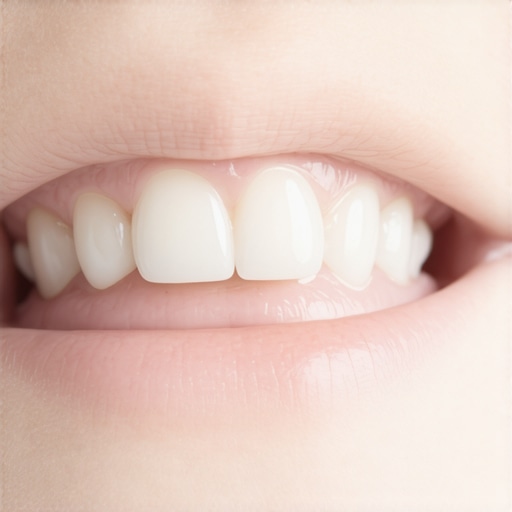
Stop the morning bathroom battle once and for all
Building a routine that actually sticks is the next hurdle in maintaining that new adult enamel. I struggled for months getting Maya to focus on her new, larger teeth because the surface area is significantly bigger than her baby teeth—the old ‘quick swipe’ simply didn’t cut it anymore. I found the secret to getting your kids to brush without a daily struggle was turning the bathroom into a high-stakes ‘dentist station’ with a two-minute sand timer and a plaque-disclosing rinse once a week. This is also the time to investigate your local environment; understanding the truth about whether fluoride in your water actually helps your teeth can give you peace of mind that their enamel is hardening correctly during this transition.
Spot the difference between healthy ivory and plaque buildup
Sometimes the yellow you see isn’t biological; it’s a film. If you notice a dull, fuzzy texture on the surface of the tooth, that isn’t dentin—it’s plaque. If you’ve ever wondered why your teeth feel fuzzy even after you brush, it’s usually because the bristles aren’t reaching the microscopic grooves of the tooth. For kids, you want a soft-bristled brush held at a 45-degree angle toward the gums. If the discoloration is severe, uneven, or doesn’t match the other adult teeth as they arrive, it might be time to consult a professional. While most kids just need time for their smile to ‘mature,’ some may eventually benefit from cosmetic dentistry secrets to boost your confidence once they reach their teenage years. For now, focus on the foundation and stop the aggressive scrubbing.Let’s dig deeper into what I call the ‘Enamel Trap.’ Most parents assume that a bright, opaque white is the gold standard for health, but in the world of advanced dentistry, that isn’t always the case. In fact, if you see patches of high-contrast white, you shouldn’t be celebrating—you should be checking how to tell if a white spot on your tooth is a cavity. These chalky areas often signal demineralization, where the enamel has become porous and weak. Healthy enamel, especially the thick kind found on permanent teeth, is naturally translucent. This leads to a sophisticated nuance: the more ‘solid’ and ‘white’ a tooth looks, the thinner or more compromised the enamel might actually be in some developmental contexts. High-quality, durable enamel allows the light to pass through and reflect off the dense, yellowish dentin underneath. This is precisely why your teeth look yellow despite brushing three times a day—it’s not a hygiene issue; it’s an optical success. 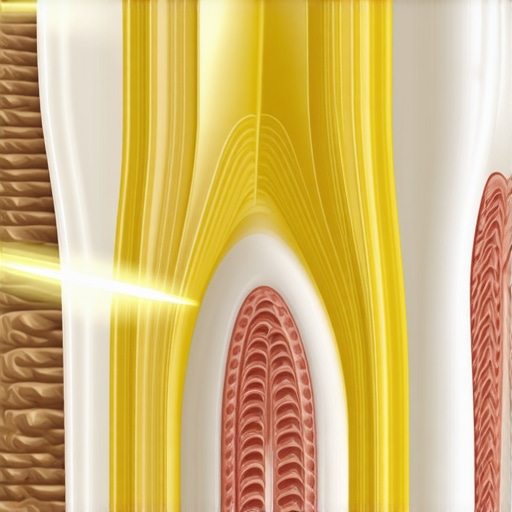
The dangerous myth of the perfectly white tooth
When we talk about cosmetic dentistry secrets to boost your confidence, we often focus on shade, but professional-grade results actually prioritize texture and light-play. If you look at high-end restorations, you’ll see that they aren’t a flat, opaque white. One common ‘oops’ factor I see is parents or young adults over-whitening until their teeth lose their natural luster and begin to look ‘flat’ or unnaturally matte. When the enamel is chemically stripped or thinned too much, it loses its ability to reflect light correctly, which is why your teeth look translucent at the edges. This translucency isn’t just a cosmetic quirk; it’s a sign that the protective barrier is thinning, potentially leaving the tooth vulnerable to temperature sensitivity and micro-fractures as they age.
Why does my child’s new smile look different under bathroom lights?
This phenomenon is known in the clinical world as metamerism—the way different light wavelengths interact with the crystalline structure of the tooth. A study from the Journal of Esthetic and Restorative Dentistry points out that natural hydroxyapatite crystals scatter light in a way that artificial materials struggle to replicate. This is a common hurdle when troubleshooting why your porcelain veneers don’t match your natural teeth. In the morning sun, your child’s teeth might look like warm ivory, but under the harsh LED lights of the bathroom, they can appear almost grey or excessively yellow. This isn’t a flaw in the tooth; it’s a testament to the complex, multi-layered biology that makes permanent teeth so much stronger than their predecessors.
Don’t trade enamel strength for temporary brightness
If you are tempted to reach for that whitening kit for your pre-teen, remember that the ‘pulp horn’—the living center of the tooth—is still very large and close to the surface. Aggressive bleaching agents can penetrate the relatively young enamel and cause significant inflammation of the pulp. Instead, focus on maintaining the integrity of the natural tooth structure. As we look at the long game of oral health, whether it involves understanding the truth about the lifespan of a dental implant or simply mastering family dentistry tips for a lifetime of healthy smiles, the goal is always durability over a bleach-white aesthetic. Have you ever fallen into the trap of over-scrubbing because you thought a healthy tooth was stained? Let me know in the comments.I’ve realized that the ‘yellow’ panic usually stems from a lack of control over the process. Once I stopped obsessing over the color and started focusing on the mechanics, everything changed for my family. I swapped our generic drugstore brushes for the Philips Sonicare ProtectiveClean 6100. I chose this specific model because of the haptic pressure sensor; it literally pulses if you press too hard, which is vital when you are teaching a child how to pick a toothbrush that won’t destroy your enamel. If you or your kids are aggressive brushers, that little vibration is the only thing standing between a healthy smile and receding gums.
How do I maintain these high-stakes dental results over the long haul?
The maintenance doesn’t stop at the brush. If you have invested in cosmetic dentistry secrets to boost your confidence, like veneers or bridges, your toolkit needs a serious upgrade. I have become an evangelist for the Waterpik Aquarius water flosser. Why? Because traditional string floss often fails to navigate the complex margins of porcelain work without snagging. According to a study published in the International Journal of Oral & Maxillofacial Implants, the long-term success of dental prosthetics is almost entirely dependent on preventing peri-implantitis through meticulous biofilm management. This means you can’t just ‘swipe’ and hope for the best. You need to understand the 3 secrets to making your porcelain veneers last twenty years, starting with irrigation that reaches where bristles simply cannot go. This isn’t just about aesthetics anymore; it is about protecting the structural integrity of how dental implants reshape your oral health in 2025. Looking ahead, I predict we are moving toward a ‘Quantified Smile’ era. We are already seeing smart brushes that map your mouth in 3D on your smartphone, showing exactly which surface you missed in real-time. This level of data is going to make the ‘yellow tooth’ mystery a thing of the past because we will have real-time feedback on enamel health and plaque levels. If you have ever wondered why your teeth feel fuzzy even after you brush, your phone will soon be able to tell you exactly which molar you are neglecting. 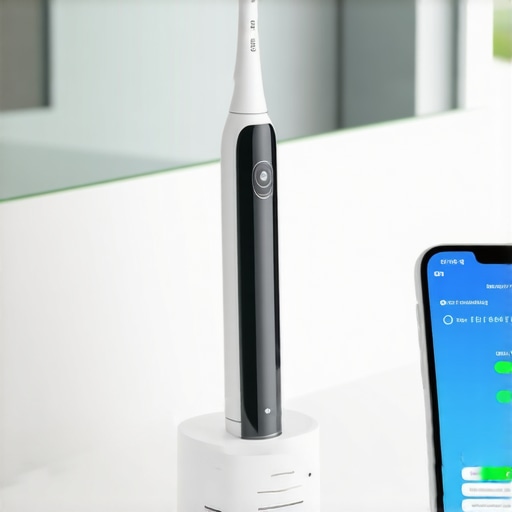 I have already seen how this tech can help patients understand the truth about the lifespan of a dental implant by tracking gum health trends over years rather than months. Before you go to bed tonight, I want you to try one thing: use a plaque-disclosing tablet after you think you have finished brushing. It is a humbling experience that shows you exactly where your technique is failing, and it is the fastest way to level up your family’s dental game.
The Hardest Lesson I Learned About New Adult Teeth
Looking back at those first few weeks of my daughter’s new smile, I realized that my anxiety was based on a misunderstanding of what a healthy tooth actually looks like. Here is the insider wisdom I wish I had known from the start:
- Adult teeth are built to be resilient, not translucent pearls; that ivory hue is the strength of the dentin showing through.
- The transition phase is messy, jagged, and colorful, but it is rarely a sign of poor parenting or hygiene failure.
- A toothbrush can’t ‘fix’ a biological color, but it can protect the enamel that matters most for the next eighty years.
My Must-Have Toolkit for Growing Smiles
If you want to move past the panic and into proactive care, these are the three tools I rely on every single week. First, plaque-disclosing tablets are the only way to prove to a child (and yourself) where the actual ‘yellow’ ends and the film begins. Second, I highly recommend investing in a pressure-sensing electric brush; learning how to pick a toothbrush that won’t destroy your enamel is a game-changer for long-term gum health. Finally, keep a direct line to your provider for family dentistry tips for a lifetime of healthy smiles so you never have to rely on a late-night search engine for medical advice.
Trust the Process and Keep Brushing
It is completely normal to feel a bit protective over your child’s changing appearance, but remember that these new teeth are designed for durability. While we might focus on the shade today, the real victory is in the strength of the enamel and the hygiene habits you are building right now. Whether your child eventually seeks a veneers transformation unlocking your best smile yet as an adult or simply maintains their natural ivory glow, the foundation you lay today is what counts. You’re doing a great job, and that ‘yellow’ tooth is just a sign that your child is growing exactly as they should. Have you ever noticed a shocking difference between your child’s baby teeth and their new permanent ones? Let me know in the comments below!