I remember looking into my seven-year-old’s mouth during a routine “did you actually brush?” check and nearly dropping my toothbrush in shock. Behind his front baby teeth was a second, jagged row of permanent teeth pushing through. It looked like a miniature version of Jaws. My first instinct? Panic. I spiraled into thoughts of expensive extractions and frantic Google searches at midnight. I actually made the rookie mistake of calling our poor dentist’s emergency line on a Saturday night because I was convinced my son’s jaw was too small for his adult teeth. Looking back, I realize I was just reacting to the visual “horror” of it all without knowing the science. If you’ve just spotted “shark teeth” in your little one’s mouth, take a deep breath. You aren’t alone, and in most cases, this isn’t the dental catastrophe it looks like. Today, we’re going to demystify why this happens and when you actually need to call the professionals.
My Heart Literally Dropped Into My Stomach That Night
It’s a jarring sight. You expect a baby tooth to fall out, leave a cute gap for the Tooth Fairy, and then—eventually—see the adult tooth peek through. But biology doesn’t always follow the storybook script. Sometimes, the adult tooth decides to make its grand entrance before the baby tooth has even packed its bags. This phenomenon is often called ectopic eruption, and while it looks like something out of a sci-fi movie, it’s a standard part of family dentistry. According to the American Academy of Pediatric Dentistry, this occurs in roughly 10% of children, particularly when the lower permanent incisors are coming in. I learned the hard way that jumping to conclusions only leads to unnecessary stress for both parent and child.
Should You Panic When the Permanent Teeth Pop Up Behind the Baby Ones?
I get it. You’re worried about overcrowding or your child needing years of braces before they even hit middle school. You might wonder if orthodontic options need to start immediately. The short answer is usually no. Most of the time, the pressure from the tongue will naturally push those adult teeth forward once the baby teeth finally let go. Have you seen this shark tooth look in your kid’s mouth recently, or are you currently staring at it with a flashlight in hand?
Why Your Kid’s Mouth Suddenly Looks Like a Great White Shark
The reason this happens is actually quite simple: the permanent tooth didn’t grow directly under the baby tooth. Usually, as an adult tooth grows, it resorbs the root of the baby tooth, making it wiggle and fall out. If the adult tooth starts its journey a bit further back, it misses the root entirely. The baby tooth stays anchored, and the adult tooth just finds the path of least resistance—straight up through the gums. While it’s tempting to try and handle a loose tooth yourself with the old string and doorknob trick, patience is usually the better neighborly advice here. We need to look at whether that baby tooth is actually moving or if it’s stuck as solid as a rock.
Start Wiggling Those Stubborn Baby Teeth Now
The most effective way to handle a shark tooth situation at home is to encourage your child to become their own mini-dentist. I remember handing my son a bag of crisp Granny Smith apples and telling him it was ‘crunch time.’ Every bite into that firm fruit put just enough pressure on the front baby tooth to remind it that its time was up. Think of the baby tooth like a temporary restoration; much like how veneers or crowns sit atop a prepared surface, the baby tooth is just a placeholder that needs to be cleared for the permanent ‘installation.’ If that baby tooth has even the slightest wiggle, have your child use their tongue or a clean finger to move it back and forth several times a day. If the tooth is rock solid, however, no amount of apples will help. This is often because the adult tooth didn’t resorb the root, leaving the baby tooth anchored as firmly as dental implants are in an adult jaw.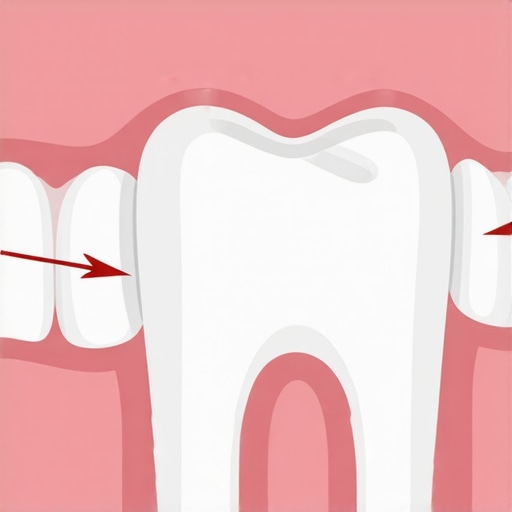
Give the Mouth Two Weeks to Clear the Traffic Jam
Patience is a hard sell for a worried parent, but the mouth is a remarkably self-correcting machine. When I saw that second row of teeth, I wanted a solution in twenty-four hours. Instead, my dentist suggested the ‘two-week rule.’ If the baby tooth is wiggling, give it fourteen days of active wiggling and crunchy snacks. You’d be surprised how often nature resolves the ‘traffic jam’ on its own. If you notice that your child’s baby tooth won’t fall out after a few weeks of effort, then it’s time to consider a professional assist. During this waiting period, monitor the area for any signs of discomfort. Most kids don’t even feel the second row, but if they do, it’s usually just a bit of pressure.
Brush the Gaps You Didn’t Know Existed
One of the biggest ‘how-to’ steps parents miss is hygiene. Having two rows of teeth creates a hidden ‘cave’ where plaque loves to hide. It is essentially a breeding ground for bacteria because a standard toothbrush head often skips right over the gap between the two rows. I found that using a smaller, soft-bristled brush—almost like a detail brush for a car—helped get into those nooks. You might notice that your child’s gums are bright red in that specific area. This isn’t always from the tooth erupting; it’s often localized gingivitis because the area is so hard to clean. Focus on gentle, circular motions right at the gum line where the two teeth meet to prevent any infections while you wait for the ‘shark’ to take its rightful place. Applying family dentistry tips like using a water flosser can also help flush out food particles trapped in the double-row zone.
When a Simple Wiggle Just Isn’t Enough
There are times when the DIY wiggle method fails. If the permanent tooth is almost fully grown in and the baby tooth hasn’t budged an inch, the root is likely still fully intact. At this stage, a pediatric dentist might suggest a ‘simple extraction.’ This sounds scary, but it’s a routine part of maintaining a healthy smile. For my son, we had to go this route for one particularly stubborn tooth. I was terrified he’d be traumatized, but we used ways to manage dental anxiety like ‘laughing gas’ and a very distraction-heavy environment. Once the ‘squatter’ tooth was removed, his tongue naturally pushed the adult tooth forward into the gap within just a few weeks. It’s like nature’s version of orthodontics—the tongue is a powerful muscle that acts as a natural guide for tooth placement. If you are worried about the long-term alignment, it’s never too early to ask about orthodontic options for your children to ensure that ‘shark’ smile turns into a straight one.But even as adult teeth settle into place, many parents—and later, those same children as adults—fall for the myth that dental health is purely mechanical. We assume that once a problem is fixed with a filling, a veneer, or an implant, the tooth is now ‘indestructible.’ This is where the real nuance of family dentistry begins. Everyone says that dental implants are a lifetime solution, but in my experience, the ‘forever’ label leads to a dangerous sense of complacency. While the titanium post may last decades, the restoration on top is still subject to the laws of physics and biology. If you don’t maintain the surrounding gum tissue, you might eventually wonder why your dental implant crown feels loose after years of use. It isn’t always a failure of the hardware; it’s often a failure of the support system. Research published in the Journal of the American Dental Association (JADA) suggests that mechanical wear on the prosthetic crown is actually more frequent than the failure of the implant itself over a ten-year period. The ‘oops’ factor here is assuming your new smile doesn’t need the same—if not more—vigilance than your natural one.
Avoid the Opaque Chiclet Look for a Natural Smile
When patients transition from fixing childhood ‘shark teeth’ to seeking adult cosmetic enhancements, they often fall into the ‘brightness trap.’ They want the whitest shade on the guide, believing it equates to health. However, this is the mistake that makes your new crowns look like chiclets. Natural teeth have a subtle translucency at the edges that reflects light; if your dentist uses a material that is too solid, your smile will look flat and artificial. It is essential to understand why your veneers look too opaque and how to make them look natural before you commit to the final bonding. You should always check your new smile in natural sunlight, not just under the fluorescent lights of the dental chair. Have you ever fallen into the trap of choosing the ‘whitest’ possible option only to regret it later? Let me know in the comments.
Why Does My New Dental Implant Feel Like It’s Vibrating?
This is a question that catches many people off guard. Unlike natural teeth, which are suspended by a tiny shock-absorber called the periodontal ligament, an implant is fused directly to the bone. This means it lacks the ‘cushion’ of a biological tooth. You might notice the reason your dental implant feels like its vibrating is simply because it conducts sound and physical sensations directly into your jawbone. It’s a sophisticated nuance of oral proprioception. To ensure your investment stays secure, you must know how to tell if your veneers were bonded correctly to the enamel or if your implant is integrating properly. By following 3 secrets to making your porcelain veneers last twenty years, such as using a non-abrasive polish and wearing a night guard, you can prevent the very issues that bring most people back into the chair prematurely.Maintaining a high-end smile isn’t about working harder; it’s about working smarter with the right tech. I’ve seen too many people invest in a full mouth of porcelain only to treat it like a cheap set of tires. If you want those results to last, you have to transition from a ‘cleaning’ mindset to a ‘preservation’ mindset. For me, that meant finally learning how to pick a toothbrush that won’t destroy your enamel or scratch the glaze on my new work. I personally swear by an electric brush with a pressure sensor—the kind that glows red if you’re being too aggressive—because our natural instinct is to scrub, but veneers and implants require a gentle, circular buffing.
Stop Scrubbing Your Teeth Like a Cast Iron Skillet
When I first got my dental work, I thought I needed the ‘extra firm’ bristles to keep things white. Big mistake. You are actually looking to manage biofilm without abrading the surface. I’ve integrated a specialized non-abrasive gel instead of standard whitening toothpaste, which can be too gritty for porcelain. If you’ve invested in your look, you should also be following the 3 secrets to making your porcelain veneers last twenty years, which includes avoiding the ‘crunch’ of ice or hard candies. And for the love of your budget, please learn why you shouldn’t use your teeth as tools to open plastic bags. Every time you do that, you’re risking a micro-fracture that no amount of brushing can fix.
How do I maintain my dental work over time?
The real MVP of my nighttime routine is the water flosser. Standard floss is great for natural teeth, but when you have hardware, you need something that can flush out the ‘blind spots.’ It is the only way I’ve found to effectively clean under a dental bridge without shredding your floss or irritating the gums. I also recommend using a specialized interdental brush with a plastic-coated wire. Why plastic? Because metal-on-metal contact between a brush and an implant post can cause galvanic corrosion over time. This level of detail is what separates a five-year smile from a thirty-year smile. According to clinical reports in the International Journal of Implant Dentistry, the mechanical stability of the implant-abutment connection is highly sensitive to the health of the surrounding ‘biological width,’ meaning your gum health is the literal foundation of your financial investment.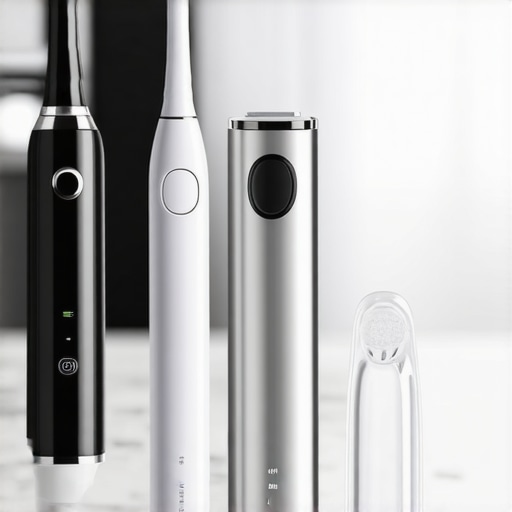
Look Into the Crystal Ball of 2025 Dental Tech
We are moving away from the ‘one size fits all’ approach. I’m already seeing the shift toward how dental implants reshape your oral health in 2025 through AI-guided placement and 3D-printed scaffolds that encourage faster bone growth. The future is all about bio-integration. We aren’t just putting a ‘fake tooth’ in anymore; we are installing a smart component that works with your jaw’s biology. If you are curious about what’s next, you should check out the latest on the future of dental implants and cutting-edge techniques. My best advice? Start using a high-quality night guard immediately. It is the single most important ‘insurance policy’ for your teeth. Even if you don’t think you grind, the stress of modern life manifests in our jaws while we sleep. Don’t let a night of clenching ruin a year of dental work. Pick up a custom-fit guard this week—it’s the one tool that will actually save you thousands in repair costs down the road.
3 Myths About Shark Teeth That Kept Me Up at Night
Looking back at that Saturday night panic, I wish I had known these three things before I spiraled. First, seeing a second row of teeth doesn’t automatically mean your child’s jaw is ‘too small.’ It often just means the permanent tooth took a slightly different path during eruption. Second, you don’t need to rush into orthodontic options for your children the second you see an ectopic eruption. In most cases, the tongue acts as a natural guide, pushing the tooth into place once the baby tooth is out of the way. Finally, ‘shark teeth’ aren’t a dental emergency. Unless there’s extreme pain, it can almost always wait for a standard appointment.
The Only Tools I Trust for My Family’s Smiles
I’ve spent years trial-and-erroring my way through various dental gadgets and resources. If you’re looking to build a reliable routine for your household, I recommend focusing on tools that prioritize preservation over scrubbing. I always start with evidence-based guides from pediatric associations for growth milestones. For daily hygiene, an electric toothbrush with a built-in pressure sensor is non-negotiable—it prevents the common mistake of over-brushing. If you are balancing kid care with your own dental work, following expert family dentistry tips can help you manage everything from loose baby teeth to adult implants. If you ever feel stuck or see something unusual, never hesitate to contact us for a professional perspective.
Your Child’s Smile is a Long Game
It’s easy to get caught up in the immediate visual of a jagged tooth or a gap, but oral health is truly a marathon, not a sprint. Whether you are navigating the ‘shark tooth’ phase today or looking for cosmetic dentistry secrets to boost your confidence as an adult later on, the goal is always the same: a functional, healthy smile that brings you joy. You’ve got the tools and the knowledge now to handle these surprises with calm and confidence. Trust the process and keep those wiggling fingers moving! Have you ever spotted a second row of teeth in your little one’s mouth? Let me know your ‘Jaws’ moment in the comments!