It happened when I least expected it—standing in front of the mirror, my reflection revealing edges of my teeth that looked almost glassy, transparent even. That unsettling moment made me realize I wasn’t alone. So many people notice their teeth looking a little too delicate, almost fragile at the edges, and wonder what’s going on. Believe me, I’ve been there.
Understanding the Mystery Behind Translucent Tooth Edges
Translucency at the edges of teeth is more common than you might think, especially as we age or after certain dental procedures. It can stem from enamel erosion, where the protective outer layer wears down, revealing the more translucent dentin underneath. Sometimes, it’s simply because of the natural aging process or the result of cosmetic treatments like veneers or bleaching. The key is recognizing that this isn’t just a cosmetic issue—it can also be a sign of underlying health concerns.
Is Your Translucent Tooth Edge Actually Worth Worrying?
Early on, I made a mistake I’d advise everyone to avoid: I ignored the signs for too long. That small translucent area turned into more noticeable wear, and it made me self-conscious about my smile. Supporting this, experts have pointed out that enamel erosion can lead to increased sensitivity and higher risk of cavities (source). So, if you’ve noticed the edges of your teeth looking thin or glassy, it’s worth taking action now rather than later.
Understanding why this happens is the first step. It’s not merely about appearances; it’s about preserving your oral health for the long run. Are you worried that this is just a cosmetic issue? Or do you suspect it could be something more serious? Let’s explore the causes together and find out how you can restore your smile’s natural strength and beauty.
In the next section, I’ll share practical steps and professional options that helped me and many others turn back the clock on translucent edges. Because honestly, you shouldn’t have to live with a smile that makes you hesitant to show your teeth. Ready to uncover what’s really going on inside your mouth? Let’s dive in.
,
Strengthen Your Enamel with Professional Treatments
Start by scheduling an appointment with a family dentist to assess your enamel condition. Your dentist may recommend treatments like fluoride applications or bonding procedures to reinforce weakened enamel. For instance, I once visited my local dentist for a quick fluoride treatment, which helped temporarily reinforce my enamel and reduce sensitivity. This immediate step buys you time before more permanent solutions are needed.
Opt for Dental Crowns or Veneers to Cover Thin Edges
If your teeth show significant translucency or wear, consider cosmetic options such as veneers or crowns. Think of veneers as a custom-made skin for your teeth—thin shells that hide imperfections and add strength. During my own consultation, my dentist suggested porcelain veneers, which not only improved the appearance but also protected my teeth from further erosion. To understand which option suits you best, compare veneers versus crowns and choose what aligns with your goals and budget (details here).
Address Enamel Erosion with Lifestyle Changes
Diet plays a crucial role. Limit acidic foods and beverages like soda, citrus, and vinegar, which accelerate enamel erosion. I replaced my after-dinner soda with water infused with natural flavors, noticing a decrease in enamel wear over a few months. Also, avoid aggressive brushing—use a soft-bristled toothbrush and gentle motions, much like cleaning delicate glassware—until enamel recovers.
Enhance Oral Hygiene Practices
Implement daily routines that protect your teeth. Floss regularly to prevent plaque buildup, and consider using desensitizing toothpaste to reduce sensitivity caused by enamel thinning. I adopted this technique after my dental cleanings, which made a noticeable difference in reducing discomfort when consuming hot or cold foods.
Utilize Cutting-Edge Dental Technologies
Stay informed about innovations such as laser treatments for enamel regeneration or minimally invasive bonding techniques. Some clinics employ technology that reshapes or rebuilds enamel with precision, akin to sculpting a masterpiece. During my last visit, I learned about laser cavities removal, which minimizes discomfort and preserves more natural tissue.
Consider Future-Proof Preventive Measures
Regular check-ups are non-negotiable. Dentists can detect early signs of enamel erosion and intervene before the problem worsens. For ongoing protection, discuss with your dentist about sealants or remineralization therapies, which act as shields against acids and wear.
Know When to Seek Advanced Cosmetic Dentistry
If natural methods fall short, options like smile makeovers with veneers or crowns are viable. These are more permanent fixes, and the decision should involve understanding the differences—such as veneers offering a less invasive solution compared to crowns (more info here). My personal experience with veneers transformed my smile, boosting my confidence substantially.
Each step requires careful consideration and consultation with dental professionals. Combining these approaches ensures you’re actively tackling the root causes and restoring the strength and beauty of your teeth. Remember, early action saves time, money, and discomfort down the line.
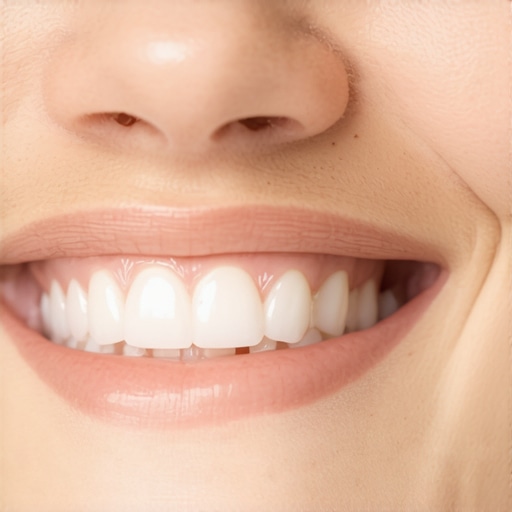
While many believe they understand the basics of dental implants, cosmetic dentistry, family dental care, and veneers, there are nuanced misconceptions that can lead to costly mistakes. As an expert in dental aesthetics and restorative treatments, I’ve seen common myths persist despite mounting evidence to the contrary. Let’s examine some of these fallacies and reveal the hidden nuances that every informed patient should know.
Why Popular Beliefs About Dental Implants Might Mislead You
One prevailing myth is that all dental implants are the same, offering a universal solution for missing teeth. In reality, the type of implant, material, and placement technique vary significantly based on individual needs. Advances in dental implant technology demonstrate how tailored approaches can improve success rates and patient comfort. Overlooking these specifics may result in choosing a less suitable implant, increasing failure risk or discomfort.
Are Veneers Just About Looks? Think Again.
Many assume veneers are merely a quick cosmetic fix for stained or slightly misaligned teeth. However, modern veneers serve as durable protective shells, especially when built with high-quality porcelain. But an often-ignored nuance is the importance of proper preparation; aggressive or improper bonding can cause veneer failure or damage your natural teeth. For detailed guidance on selecting the right veneer, check out this comparison between veneers and crowns.
Family Dentistry is More Than Routine Cleanings
Many think that routine checkups are solely about cleaning teeth. However, comprehensive family dentistry involves early detection of developmental issues, bite analysis, and preventive strategies tailored for all ages. Missing these nuanced aspects can lead to overlooked problems that become costly or complex later on.
Cracking the Code on Advanced Cosmetic Procedures
Another misconception is that cosmetic dentistry is purely aesthetic with no functional benefits. In fact, procedures like veneers or bonding can restore proper bite, protect enamel, and improve speech. The key is understanding the importance of material choice, technique, and long-term maintenance, which makes a significant difference in treatment longevity and patient satisfaction.
Having an expert perspective helps you navigate these complex choices. Don’t fall for the trap of oversimplified advice. Instead, invest in understanding the subtleties that can determine the success of your dental treatments. Once you recognize these nuances, you’ll be better equipped to make informed decisions and avoid common pitfalls.
For example, one overlooked aspect of veneers’ durability involves not just the material but also the bonding process and your oral habits. Even the best veneer won’t last if the bonding isn’t done correctly or if you habitually grind your teeth.
Have you ever fallen into this trap? Let me know in the comments. Remember, a well-informed patient is a happy and healthy one.
Tools I Recommend for Long-Term Dental Health
Maintaining your dental implants, veneers, or general family dentistry work requires the right tools and a proactive approach. Personally, I swear by a few specific instruments that help me keep everything in optimal condition. For example, my electric toothbrush, a Sonicare DiamondClean, provides superior plaque removal compared to manual brushing, especially around delicate veneers and implants. Its sonic technology not only cleans effectively but also reduces the risk of damaging sensitive restorations.
Complementing my toothbrush, I use interdental brushes like the GUM Proxabrush to clean between my teeth and around implants. These tiny brushes reach areas that floss occasionally misses, preventing plaque buildup that can compromise long-term results. Maintaining good oral hygiene isn’t just about tools; it’s about consistency and technique. I also incorporate a water flosser—my personal favorite is the Waterpik Aquarius—to gently dislodge debris without harsh abrasion, particularly beneficial for those with veneers or sensitive gums.
Embracing Modern Technology for Ongoing Care
Advancements in dental tech have made at-home maintenance more effective than ever. I utilize a smartphone app connected to my electric toothbrush, which tracks my brushing habits and prompts me to spend adequate time on each quadrant. This level of personalized data helps me stay accountable and ensures my restorations last longer. Regular digital reminders for routine checks from my dentist also play a pivotal role; I schedule biannual appointments through their online portal, ensuring early detection of any issues.
Long-Term Results Through Consistent Care
Let’s be honest—what I do today impacts my smile years down the line. Proper maintenance preserves the integrity of veneers and implants by preventing decay, gum disease, and enamel erosion. I’ve learned that incorporating habits like using fluoride rinse and avoiding sugary drinks significantly enhances the lifespan of my dental work. According to recent research, the future of long-term dental restoration success hinges on integrating smart devices with professional care (see the 2025 innovations here).
How do I keep my dental work working over time?
The key is a combination of the right tools, disciplined routines, and professional follow-up. Regularly inspecting your restorations for wear or damage, and staying current with cleanings and checkups, are crucial. For example, I pay close attention to the edges of my veneers, noticing any chips or discoloration early. When I detect a potential issue, I consult my dentist immediately to address minor problems before they escalate, saving you time and money in the long run.
Most importantly, don’t underestimate the power of education. Understanding the nuances of your specific dental work propels you toward better decisions. For instance, knowing that certain abrasive toothpaste can wear down veneers encourages me to choose gentler options like Tom’s of Maine’s Natural Toothpaste, which I found to be effective yet gentle on restorations.
If you’re serious about keeping your dental work in prime condition, I highly recommend trying a water flosser with adjustable pressure settings. It’s a game-changer in maintaining those hard-to-reach areas around implants and veneers, especially if you’re prone to gum sensitivity. Remember, a little investment now in the proper tools and habits can ensure your smile stays vibrant and healthy for decades to come.
Want to explore the latest innovations in dental technology? Check out this overview of cutting-edge dental techniques and consider discussing these options with your dentist at your next visit. Ultimately, diligent maintenance balanced with professional guidance is the secret to long-lasting dental health.
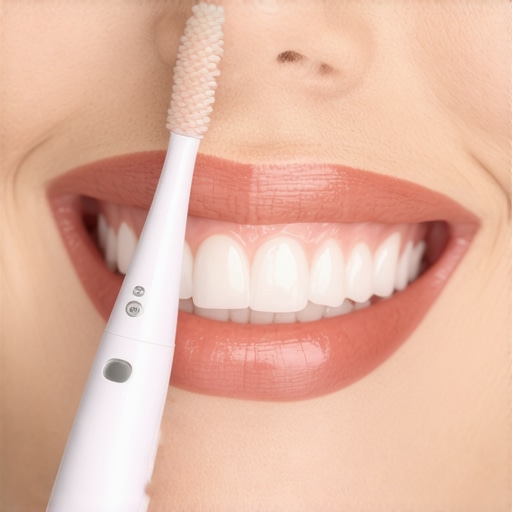
Visualize your daily routine with a high-quality digital intraoral camera image showing a clean, well-maintained smile, emphasizing the importance of regular checks and proactive care. Alt text: Modern dental tools in use for maintenance of veneers and implants, highlighting technology’s role in preserving smile health.
,
The Hidden Lessons Behind My Dental Journey
- Trusting myths about veneers and implants without proper research can lead to costly mistakes. I learned early on that understanding the nuances makes all the difference in your results.
- Neglecting early signs of enamel erosion might seem harmless at first, but it can compromise your entire oral health over time. Timely professional assessment is key.
- My impulsive choices left me with regrets, but once I embraced continuous education about dental innovations, I felt empowered to make informed decisions.
- The importance of tailored treatment plans became clear—the one-size-fits-all approach rarely works when it comes to dental restorations and family dentistry.
- Taking proactive steps with the right tools and regular check-ins prevents minor issues from transforming into major problems, preserving both my smile and confidence.
Tools and Resources That Changed My Perspective
- Sonicare DiamondClean: Its gentle yet thorough brushing helps protect veneers and implants, making daily maintenance easier and more effective.
- Waterpik Aquarius: This water flosser reaches tricky areas, ensuring my restorations stay clean and healthy, especially around implants.
- My Dentist’s Online Portal: Scheduling and reminders keep me consistent with my check-ups, catching issues early and saving money.
- Trusted Educational Platforms: Reading about advancements in cosmetic and family dentistry, such as latest implant innovations, keeps me ahead of the curve.
Your Smile Deserves More Than Default Answers
Every smile has a story, and your proactive choices today shape its future. Embrace the knowledge, invest in quality tools, and trust your dental team to guide you toward a vibrant, healthy smile that lasts a lifetime.
What challenges have you faced when considering dental restorations or cosmetic procedures? Share your experiences below—I’d love to hear your story and help you navigate your dental journey.