It was just another morning, rushing to get the kids ready for school. I grabbed my toothbrush, thinking I was doing everything right — but suddenly, I felt a sharp pain in my tooth that made me stop dead in my tracks. Turns out, I’d been unknowingly damaging my enamel for years, choosing the wrong toothbrush with no idea of the real harm I was causing. That lightbulb moment hit hard. I realized that many of us are just like I was — convinced we’re doing the right thing, but secretly hurting our teeth.
Why Picking the Right Toothbrush Matters More Than You Think
Choosing a toothbrush isn’t just about grabbing the prettiest or the most affordable option at the store. No, it’s about understanding what your teeth and enamel truly need, and how the wrong choice can slowly wear down your protective layer. Dental health professionals agree — using an improper toothbrush can lead to enamel erosion, increased sensitivity, and even long-term damage that might require cosmetic or restorative solutions, such as veneers or implants.
Did you know that aggressive brushing or a toothbrush with stiff bristles can remove enamel faster than you think? According to a study published by the Journal of Clinical Periodontology, overly abrasive brushing techniques and unsuitable brushes are major contributors to gum recession and enamel loss (source: [J Clin Periodontol](https://onlinelibrary.wiley.com/doi/full/10.1111/jcpe.13229)). I sure wish I had known this earlier — I could have saved myself a lot of discomfort.
If you’ve ever felt soreness after brushing or noticed your teeth looking more transparent or yellow than before, it might be a sign you’re using the wrong tool. Have you faced this problem yourself? If so, keep reading, because I’m about to share how to avoid this common trap and select a toothbrush that truly protects your smile.
We’ll explore the key features to look for, common mistakes to avoid, and how to incorporate better habits into your daily routine. Don’t let hidden mistakes damage what you’re working so hard to maintain. Your enamel is precious — let’s give it the care it deserves.
Choose the Right Bristle Strength
Opt for soft-bristled toothbrushes, which are gentle enough to clean effectively without wearing down your enamel. I once grabbed a medium-bristled brush in haste—initially, I thought it was harmless, but after a few weeks, my teeth became more sensitive. Switched to a soft brush, and sensitivity decreased significantly.
Master Proper Brushing Technique
Use gentle, circular motions rather than aggressive back-and-forth scrubbing. This approach mimics the gentle brushing depicted in family dentistry tips, which protect your gums and enamel. I remember trying to mimic my dentist’s gentle circles and noticing less gum irritation afterward.
Timing and Pressure Matter
Brush twice daily for two minutes each session. Applying too much pressure can accelerate enamel erosion, so keep a light grip on your toothbrush. I once used a timer and focused on light strokes—my teeth felt cleaner, and my enamel showed no signs of damage.
Incorporate Suitable Toothpaste
Choose toothpaste with fluoride to strengthen enamel. Some whitening toothpastes contain abrasives that can be too harsh for sensitive teeth—check the label carefully. I learned this after noticing increased sensitivity when I used a highly abrasive whitening gel, prompting me to switch to a milder option from my dentist’s recommendations.
Replace Your Toothbrush Regularly
Set a reminder to replace your brush every three months or sooner if bristles fray. Worn bristles won’t clean properly and may cause micro-tears in enamel. I made it a routine to buy a new set of brushes at the start of every season, which kept my brushing effective and safe.
Be Mindful of Other Oral Care Tools
Complement brushing with flossing and mouthwash. Electric toothbrushes with pressure sensors can help prevent excessive force. I recently upgraded to a pressure-alert electric toothbrush, avoiding overly aggressive brushing without thinking about it.
Many patients approach cosmetic and family dentistry with common beliefs that, upon closer examination, are oversimplified or even incorrect. One pervasive myth is that veneers are a simple, instant fix for any cosmetic concern. In reality, the choice between veneers and crowns involves nuanced considerations; veneers offer a less invasive option for minor cosmetic issues, but for more extensive damage or decay, crowns might be more durable. For an in-depth comparison, check out https://straightsmileortho.com/veneers-vs-crowns-choosing-the-best-option-for-your-smile.
Similarly, many assume that dental implants are just about replacing missing teeth. However, the latest innovations, like zygomatic implants or All-on-4 systems, are transforming patient experiences by reducing treatment time and improving comfort, especially in cases with bone loss, as detailed at https://straightsmileortho.com/dental-implants-2025-innovations-that-redefine-comfort-and-durability.
Another misconception pertains to family dentistry being only necessary for children. In truth, comprehensive family dentistry emphasizes prevention and early intervention for all ages, helping to avoid long-term issues and preserve overall oral health. It’s a strategic approach that benefits entire families, as outlined here: https://straightsmileortho.com/family-dentistry-tips-for-a-lifetime-of-healthy-smiles.
Beware the trap of thinking that cosmetic procedures are purely aesthetic and not medically beneficial. Procedures like veneers or whitening can sometimes address underlying structural or functional issues, such as uneven bite or bruxism, leading to improved oral health as well as confidence. Combining treatments intelligently can yield results that are both beautiful and functional, which is why consulting with an expert can make all the difference. For expert insights, see https://straightsmileortho.com/cosmetic-dentistry-secrets-to-boost-your-confidence.
A crucial nuance often overlooked involves the maintenance post-treatment. Many believe that dental work is a one-and-done solution, but ongoing care is essential. For instance, dental implants require diligent hygiene and regular check-ups to prevent peri-implantitis, a common cause of implant failure. Recent advances focus on bio-compatible materials and surface treatments to enhance integration and longevity, detailed at https://straightsmileortho.com/why-your-gums-are-bleeding-only-when-you-use-an-interdental-brush.
Understanding these subtleties can significantly impact outcomes and satisfaction. Don’t fall into the trap of oversimplified assumptions; educate yourself about the latest developments and nuanced considerations. Would you like to explore more about specific procedures or how to choose the best options for your unique needs? Drop your questions in the comments!
Have you ever fallen into this trap? Let me know in the comments.
As you progress in your journey toward a healthier, more confident smile through treatments like veneers or dental implants, maintaining your results requires the right tools and routines. Investing in precise equipment and adopting proven methods ensure your smile remains stunning and functional for years to come.
Why a High-Quality Electric Toothbrush Is a Game Changer
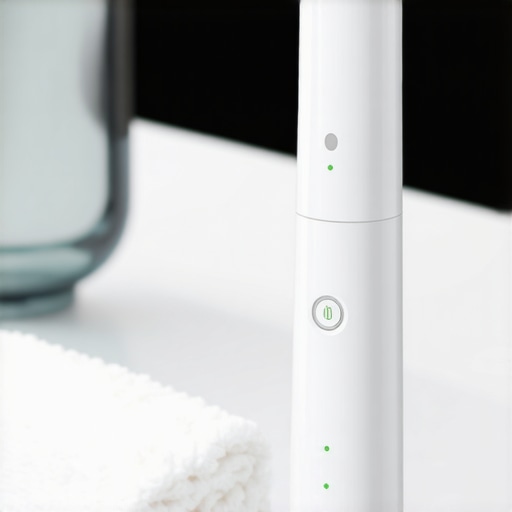
I personally rely on a **pressure-sensitive electric toothbrush**. Its built-in sensors alert me when I’m brushing too hard, protecting my enamel from excessive wear, which is crucial for preserving long-term results from cosmetic procedures. These brushes also provide consistent cleaning power, reaching areas manual toothbrushes might miss. As technology advances, models like the Oral-B Genius or Philips Sonicare DiamondClean incorporate app connectivity, offering personalized coaching to refine your technique effectively.
Harnessing Advanced Whitening Devices
For ongoing cosmetic maintenance, I recommend considering professional-grade whitening pens or LED devices designed to be used at home. These tools help sustain your brightness without overusing harsh products that can damage your enamel, especially after veneers or extensive whitening treatments. Selecting these devices based on reputable reviews and proven efficacy ensures you’re not wasting time or risking harm. A study by the American Academy of Cosmetic Dentistry emphasizes that proper maintenance benefits from tools that support gradual, safe whitening, keeping your smile both radiant and healthy.
Continuing Your Routine with Effective Flossing and Oral Irrigators
Regular flossing remains a cornerstone of long-term oral health. I personally prefer an **electric water flosser**, such as Waterpik’s model with adjustable pressure settings. It’s gentle on gums yet highly effective at removing debris, especially around dental implants or veneers where traditional flossing might be challenging. Its ability to reach deep into periodontal pockets helps prevent peri-implantitis and gum recession, prolonging the longevity of your dental work.
Future Trends: Smarter, More Connected Dental Tools
Looking ahead, I predict that the integration of artificial intelligence with dental appliances will become commonplace. Smart toothbrushes and monitoring apps will provide real-time feedback, reminding you when to replace brush heads or adjust your technique. This technological evolution will make custodial care more intuitive, ensuring long-term success with cosmetic and restorative dentistry. Embracing these tools now can empower you to maximize your investment and enjoy a healthy, beautiful smile for decades.
How do I keep up with my dental tools over time?
Consistent maintenance of your tools is essential. Replace your electric toothbrush heads every three months, and periodically update or upgrade your devices as new features emerge. Regularly clean your water flosser and recharge electronic devices to prevent bacterial buildup and ensure optimal performance. Additionally, stay informed about innovations and new products by consulting trusted sources and your dental team. By integrating these practices into your routine, you can effectively retain and enhance the benefits of your cosmetic investments.
Start by upgrading to a pressure-sensitive electric toothbrush today, and see how immediate reinforcement of proper technique can transform your daily routine. Remember, the right tools, combined with informed care, will keep your smile shining for years to come.
What I Wish I Knew Before Deciding on Veneers and Implants
The most valuable lesson I learned was that cosmetic dental treatments are as much about maintenance as they are about the initial procedure. I underestimated the importance of proper aftercare, which led to some early complications. Now, I understand that ongoing diligence and choosing the right tools, like a high-quality electric toothbrush, are crucial to preserving my smile’s beauty and health.
Another insight was realizing that not all veneer options are suitable for every case. Consulting with an experienced specialist to weigh the pros and cons of veneers versus crowns can save you time, money, and disappointment. I wish I had sought personalized advice earlier, especially after reading comparing resources such as Veneers vs. Crowns.
It’s also clear that advances in dental implants, like same-day procedures and bio-compatible materials, mean that choosing cutting-edge treatments can significantly impact your comfort and results. Staying informed about innovations through trusted sources has empowered me to make better decisions regarding my long-term oral health.
Tools and Resources That Make a Difference
My go-to resources include family dentistry tips from dental professionals who emphasize prevention and early intervention. For cosmetic enhancements, expert advice on veneers provided me with insights into maintaining beauty and functionality. Additionally, I trust the comprehensive guides on dental implant innovations for understanding how latest tech can improve my experience.
Joining professional forums and subscribing to updates from reputable clinics has kept me ahead in understanding what works best for long-term dental health. Remember, staying informed and using quality tools are your best allies in preserving your smile’s integrity.
Your Smile’s Future Starts Today
Embrace the changes you want by taking informed action now. Whether you’re considering veneers, implants, or family dentistry, understanding the nuances and investing in the right tools will help your smile last a lifetime. It’s never too late to start prioritizing your oral health; your future self will thank you for it.
Have you experienced challenges with maintaining your cosmetic or restorative dental work? Share your stories below — I’d love to hear what steps helped you succeed!