I remember the day I first noticed my child’s molars—they looked like tiny serrated blades rather than smooth, uniform surfaces. It was jarring and honestly a bit alarming. I wondered if something was wrong, if this was normal, or if I should rush to the dentist. That lightbulb moment made me realize how little I knew about this seemingly odd dental phenomenon and how many other parents might be in the same boat.
Understanding Why Your Child’s Molars Might Look Jagged
It’s quite common for parents to be taken aback when they see their child’s permanent molars with jagged or serrated tops. This appearance is often perfectly normal and part of the natural development process. During the eruption phase, molars can appear irregular or rough as they break through the gums. The jagged edges are usually just the way the enamel forms initially and tend to smooth out over time.
However, sometimes the jagged look is due to enamel hypoplasia—a condition where the enamel is underdeveloped or thin. This can give teeth a serrated appearance and may require attention if it leads to sensitivity or increased risk of decay. Early on, I made the mistake of assuming all that was needed was routine brushing, and I overlooked the importance of regular dental checkups to catch these signs early. Trust me, jumping to conclusions without professional input can be a costly mistake.
Interestingly, some studies suggest that the jagged appearance may also be linked to the natural shedding process and the transition from baby to adult teeth, which involves some remodeling of the enamel surface. While generally benign, it’s essential to ensure there’s no underlying issue affecting your child’s oral health.
So, how can we, as parents, navigate this? The key is knowing when those jagged edges are just part of normal growth and when they signify a problem needing professional attention. Next, we’ll look into practical steps to assess and manage your child’s dental development effectively. Have you noticed similar patterns in your child’s teeth? Stick around, because understanding this can help you prevent future dental problems and set your little one up for a healthy smile.
Conduct a Visual Inspection and Track Changes
Start by observing your child’s teeth regularly, especially during eruption phases. Use a small mirror to get a clear view of molars as they come in. Document any jagged, rough, or unusual surfaces. I once noticed my daughter’s molars looked unusually serrated, prompting me to compare daily photos, which revealed that the edges smoothed out over a few weeks. This helps determine if the jagged appearance is temporary or persistent, guiding whether professional advice is needed.
Maintain Routine Dental Checkups
Schedule regular dental visits, ideally every six months, to catch issues early. During appointments, the dentist will examine molars for enamel hypoplasia or other concerns. Once, I overlooked a slight irregularity until the dentist pointed out enamel weaknesses that required sealing. Regular checkups act as a safeguard, ensuring that any abnormal enamel development is addressed before it leads to sensitivity or decay. Find a trusted family dentist at family dentistry experts who understand children’s unique needs.
Recognize Normal Development Signs
Understand that jagged edges during eruption are common. Think of it like a construction site; surfaces are rough before smoothing out. A study indicates that enamel remodeling is part of natural development. The key is to watch for changes—if jagged edges persist beyond the eruption phase or become sharp, it might signal enamel hypoplasia. When I noticed my child’s molars staying jagged past the typical timeframe, I consulted a pediatric dentist to confirm it was normal. This step ensures you don’t mistake normal growth for potential issues.
Implement Proper Oral Hygiene Practices
Encourage gentle brushing with a soft-bristled toothbrush to avoid damaging delicate enamel. Learning how to clean around irregular surfaces is crucial; I discovered that using a smaller brush or specific pediatric brushes helped clean tricky areas effectively. For more in-depth guidance on maintaining your child’s oral health, visit cosmetic dentistry secrets which include tips for developing good habits early.
Seek Professional Evaluation When Necessary
If jagged edges persist or cause discomfort, consult a dentist promptly. They can assess for enamel hypoplasia or other conditions requiring treatment, such as sealants or fluoride applications. During my experience, a dentist recommended a protective sealant after observing enamel underdevelopment, which strengthened the molars and prevented future decay. Remember, professional intervention can prevent more serious issues, and joining regular checkups ensures your child’s dental development stays on track.
Monitor and Adapt to Your Child’s Development
Keep observing as your child’s teeth grow. Changes in surface texture or sensitivity can indicate evolving issues. For example, I noticed my child’s molars became slightly sensitive to cold, leading us to visit the dentist for tailored recommendations. Staying proactive allows you to adapt care routines and seek timely professional assistance, creating a foundation for lifelong dental health. For additional insights into family dental practices, check out expert tips for smile transformation.
Many patients approach dental treatments with misconceptions rooted in common beliefs or marketing hype. One widespread myth is that all dental implants are the same, leading people to choose cheaper options without understanding the advanced techniques that offer better comfort and longevity. In reality, the latest innovations, such as zirconia implants and guided surgery, significantly improve outcomes and reduce complications. For instance, studying the advancements discussed in [the future of dental implants](https://straightsmileortho.com/the-future-of-dental-implants-cutting-edge-techniques-in-cosmetic-dentistry), reveals how selecting a provider leveraging cutting-edge tech can make a difference.
When it comes to cosmetic dentistry, many assume that whitening or veneers are instant fixes. However, the nuance lies in understanding which procedure suits your specific needs. Veneers, for example, are often mistaken for being a quick cosmetic fix, but they require precise preparation and consideration of your bite and habits. Some patients also overlook that veneers can cause increased sensitivity or needing replacement after a decade. Visiting [Veneers vs. Crowns](https://straightsmileortho.com/veneers-vs-crowns-choosing-the-best-option-for-your-smile) helps clarify how to choose the optimal solution tailored to your goals.
In family dentistry, there’s a misconception that dental visits are solely for cleaning and cavity checks. In truth, comprehensive family dentistry should encompass education on proper oral hygiene, development monitoring, and prevention strategies. A frequent error is neglecting early signs of bite issues or misaligned teeth in children, which can be mitigated by regular checkups. For expert advice, see [tips for lifetime oral health](https://straightsmileortho.com/family-dentistry-tips-for-a-lifetime-of-healthy-smiles).
People often think veneers are purely decorative, but they can also reinforce weak teeth and protect against further decay. The key is in understanding that not all veneers are equal; porcelain veneers are more durable than composite but require proper bonding techniques. An advanced mistake is opting for cheaper, DIY solutions or unqualified providers, risking mismatched color, poor fit, or damage. To truly understand your options, explore [which is right for your smile](https://straightsmileortho.com/veneers-vs-crowns-which-is-right-for-your-smile).
What makes a dental veneer last twenty years, and how can I ensure my investment pays off?
The durability of veneers depends on many factors, including material quality, bonding technique, and patient habits. Studies highlight that using high-quality materials combined with proper oral hygiene dramatically extends veneer lifespan. Regular checkups can also spot early signs of failure, allowing timely repairs. Remember, the success of cosmetic treatments is not just about the initial look but how well they perform over time. For detailed tips, see [secrets to long-lasting porcelain veneers](https://straightsmileortho.com/3-secrets-to-making-your-porcelain-veneers-last-twenty-years-2).
Have you ever fallen into this trap? Let me know in the comments. Recognizing these nuances can help you make informed decisions, avoid costly mistakes, and ultimately enjoy better oral health and aesthetics.
Maintain Your Smile with Precision Tools and Smart Methods
Ensuring the longevity of implants, veneers, or other cosmetic enhancements requires more than just daily brushing. I rely on specific tools and practices that I personally find effective for maintaining dental health over the long term. One of my go-to instruments is the Waterpik Sonic-Fusion, which combines water flossing with traditional brushing, making it easier to clean around veneers and implants without damaging delicate surfaces. Its pulsating water jets dislodge debris in hard-to-reach areas, significantly reducing plaque buildup.
Another essential is the air polisher, a professional-grade tool I use during routine cleanings. Unlike standard polishing, it uses an efficient combination of sodium bicarbonate particles and air to remove surface stains and biofilm gently, especially important for veneers prone to surface dulling. While this is typically performed by your hygienist, knowing the right tools can help you understand what to ask for during visits.
How do I maintain long-term results with my dental work?
Regular maintenance involves scheduled checkups with a dentist who utilizes cutting-edge technology, such as digital scanning and 3D imaging, to monitor the integrity of implants and veneers. These tools allow for early detection of micro-fractures or marginal decay before they develop into serious problems. Additionally, advanced materials like zirconia for implants or porcelain for veneers ensure durability, but only if paired with proper care. I suggest considering latest implant technologies to maximize longevity in the coming years.
Scaling Up Your Dental Success
As your smile develops, you might consider integrating professional whitening or customizing bonding with high-quality composite resins. Using LED curing lights correctly ensures the resin sets fully, preventing chipping or discoloration over time. For those with multiple veneers or extensive restorations, a comprehensive maintenance plan with your dentist can include seasonal polishing appointments, professional fluoride treatments, and personalized at-home routines supported by prescription-strength toothpaste like Colgate Peroxyl.
Looking ahead, innovations like guided implant surgery and biomimetic materials promise to enhance both the durability and appearance of dental work. As these technologies become more accessible, keeping up-to-date with your dental provider’s advancements can translate into better results and fewer replacements.
Next step? Get hands-on with an advanced cleaning technique
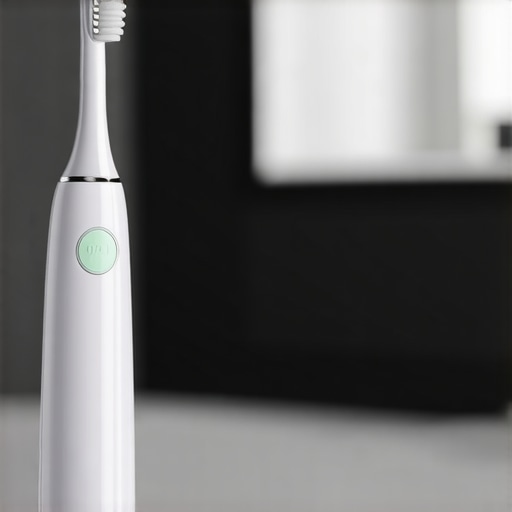
Start using a sonic toothbrush with a flexible brush head and timers to improve plaque removal efficiency. These tools can make a real difference in preserving your dental investments. Want more expert tips? Check out secrets to boost your confidence today and take charge of your smile’s health.
What I Wish I Knew About Developmental Surprises in Teeth
Early in my experience, I underestimated how much enamel remodeling and eruption phases could vary among children, leading me to misinterpret normal jagged molars as problems. Recognizing these subtleties has taught me that patience and professional guidance are vital, especially when signs seem ambiguous.
Tools and Insights That Transformed My Approach
Over time, I discovered that leveraging resources like high-quality pediatric brushes and consulting trusted dental professionals profoundly impacts ongoing dental health. My favorite tool became a soft, angled toothbrush designed for kids, ensuring gentle yet thorough cleaning that respects developing enamel.
What My Heart Tells Me About Protecting My Child’s Smile
Ultimately, I learned that proactive engagement—regular checkups, open communication with your dentist, and a focus on gentle habits—builds a foundation for lifelong confidence. Embracing the evolving nature of dental growth means trusting expert advice and staying attentive to your child’s unique journey. Curious about optimal strategies? Explore tips and techniques on family dentistry insights that can help you nurture a healthy, happy smile for years to come.