I remember the exact moment I looked into my seven-year-old’s mouth and saw a second row of teeth sprouting up like a row of corn behind her front baby teeth. I nearly dropped the toothbrush. My first thought? This can’t be right. My second? We’re going to need a second mortgage for the dental bills. It felt like a bizarre glitch in nature, a ‘shark mouth’ situation that I was certain meant her smile was ruined forever. I made the mistake of trying to ‘help’ the baby tooth along with a little too much force, causing more tears than progress. If you’re staring into your child’s mouth and seeing double, take a deep breath. You aren’t alone, and your child isn’t a mutant. Today, I’m going to share exactly why this happens and how we navigated it without losing our minds (or our savings).
My Heart Stopped When I Saw My Daughter’s Shark Mouth
I spent that first night scouring the internet, convinced I’d failed some basic parenting test. But as it turns out, the reason your child has two rows of teeth at the same time is actually quite common in the world of family dentistry. In the dental world, we call these ‘ectopic eruptions,’ but ‘shark teeth’ is the much more descriptive—and slightly cooler—parenting term. Usually, an adult tooth dissolves the root of the baby tooth as it rises, causing the baby tooth to fall out. But sometimes, that adult tooth gets impatient and decides to take the scenic route, popping up right behind the one that’s still hanging on for dear life. According to the American Academy of Pediatric Dentistry, this occurs in roughly 10% of children, so your little one is in good company. Have you ever looked in your child’s mouth and felt that immediate jolt of ‘what on earth is that?’ because I certainly have.
Should I Be Terrified Right Now?
It’s natural to jump to the worst-case scenario. You might think they’ll need dental implants or heavy-duty cosmetic dentistry before they even hit middle school. I’ve been there. I was so worried about her permanent smile that I almost rushed her to the ER on a Sunday. But here is the reality: most of the time, the tongue does the hard work for us. It naturally pushes those new teeth forward once the old ones finally make their exit. If you’re worried about the timing, you can check out how to handle your child’s first dental emergency safely to see if your situation qualifies as an actual crisis. Spoiler: it usually doesn’t. We’re going to look at why nature takes this detour and how you can encourage those stubborn baby teeth to move along.
Turn the Wiggle into a Daily Game
Once you have confirmed that those two rows of teeth are just a common part of growing up, it is time to get to work. The primary goal is to encourage the baby tooth to fall out on its own. Think of the permanent tooth like a commuter train and the baby tooth as the station. Usually, the train pulls right into the station and nudges it out. With shark teeth, the train missed the track and pulled into the lane right behind it. To get that station to clear out, you need movement. Encourage your child to wiggle that baby tooth every single day. I found that my daughter was much more willing to participate when we called it the Tooth Olympics. We would set a timer for two minutes during cartoons, and she would use her clean finger or her tongue to see how much she could make it budge. If the gums get a bit tender during this phase, you can learn how to soothe your child’s gums during the teething stage to keep them comfortable. 
Encourage the Tongue to Do the Heavy Lifting
The tongue is surprisingly strong and serves as nature’s built-in orthodontic appliance. It constantly applies pressure to the back of the teeth. In most shark mouth cases, once the baby tooth finally makes its exit, the tongue will naturally push the adult tooth forward into its proper position. I remember being terrified that we would need immediate cosmetic dentistry or even expensive veneers just to make her smile look normal again. But the human body is remarkably efficient at self-correcting. You might also notice why your child’s baby teeth are coming in with ridges on the bottom, which is another totally normal quirk of new teeth. During our Tooth Olympics phase, I made the mistake of trying to help by pulling the tooth myself before it was ready. There was blood, there were tears, and I felt like a monster. The lesson I learned was that if it is not wiggling easily, let the tongue do the heavy lifting.
Spot the Signs That Nature Needs a Hand
While most cases resolve themselves, you need to know when the wait and see approach has reached its limit. If that baby tooth is as solid as a rock and is not showing even a hint of a wiggle after several weeks, or if the permanent tooth has grown to the same height as the baby tooth, it is time to call in the professionals. We do not want the permanent tooth to get locked into the wrong position. If you have to head into the office, knowing how to help a child who is afraid of the dental chair can make the visit much smoother. Sometimes a simple extraction is all it takes to clear the path. You might also want to read up on how to prepare your child for their very first x-ray so they know exactly what to expect when the dentist checks the alignment of those hidden roots. Most of the time, the dentist will just give it a little nudge, and you will be back to regular family dentistry checkups before you know it. We found that once the space was cleared, the adult tooth moved into place in less than a month without any extra hardware.
Let’s dig deeper into what happens when nature seems to go off-script. Most parents believe that if the teeth aren’t perfectly aligned by age eight, they have already lost the battle. In the world of family dentistry, we often see the opposite: ‘over-management’ is a real trap. Everyone says you should pull the baby tooth the second you see the adult one peaking through, but in my experience, rushing to the chair can sometimes do more harm than good. Extracting baby teeth too aggressively can lead to a loss of ‘space maintenance,’ where the surrounding teeth drift into the gap, ultimately making the very crowding you were trying to avoid even worse. This is a classic case where doing less is actually doing more for your child’s long-term oral health.
Is a 3D Scan Overkill for My Child’s Smile?
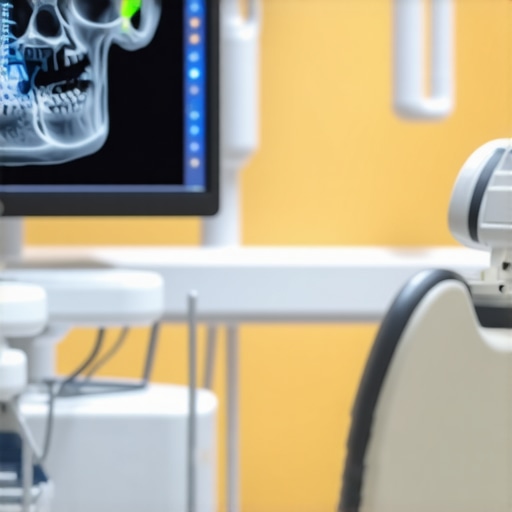
When you walk into a modern office, you might be surprised to see advanced technology being used for what seems like a simple loose tooth. You might wonder if the reason your culpeper dentist uses cbct scans instead of regular x-rays is just for show. It isn’t. These 3D images allow us to see the exact angle of the incoming permanent tooth and, more importantly, whether the roots of the baby teeth are actually resorbing. A study published in the Journal of Dental Research emphasizes that precise imaging can prevent unnecessary extractions in up to 15% of pediatric cases. Seeing the ‘internal’ map of your child’s jaw helps us decide if we need to intervene or if we can let the ‘Tooth Olympics’ continue at home.
Another common mistake is assuming that early crowding or a ‘shark mouth’ situation means your child is a guaranteed candidate for intensive cosmetic dentistry later in life. I have seen countless parents panic over a small space between teeth, not realizing why your child has a gap between their two front teeth—it is often a necessary ‘growth gap’ that allows larger adult teeth to fit. If we close those gaps too early with braces, we leave no room for the molars. This is where the nuance of growth timing becomes your best friend. Even if things look a bit messy now, you might find how to fix a small gap between teeth without using braces is as simple as letting the jaw grow into its adult size.
The real ‘oops’ factor to avoid? Ignoring the health of the remaining baby teeth because ‘they are going to fall out anyway.’ A decayed baby tooth can actually damage the permanent tooth developing right beneath it. While you might be looking ahead to the day they might want transform your smile with veneers expert tips for perfect results, the foundation for that Hollywood smile is built right now, in the messy ‘shark tooth’ phase. Have you ever fallen into the trap of wanting to fix a dental ‘flaw’ too early? Let me know in the comments.
I’ve realized that while nature does much of the heavy lifting, our home toolkit is what prevents a temporary ‘shark mouth’ from turning into a long-term alignment disaster. I used to think a toothbrush was just a toothbrush, but after watching my daughter struggle with those double rows, I became a bit of a dental tech nerd. We upgraded to an electric toothbrush with a built-in pressure sensor—specifically the Philips Sonicare for Kids—because it uses app-integrated tracking to show exactly where she is missing. This isn’t just about fun stickers; it is about building the manual dexterity required to keep those adult teeth healthy from the moment they emerge. According to a study in the International Journal of Paediatric Dentistry, children who utilize app-based biofeedback during brushing show a 22% significant improvement in plaque removal compared to manual methods. This kind of precision is what keeps us from needing early family dentistry interventions later on.
How Can I Keep My Child’s Smile Straight as They Grow?
Maintenance is a marathon, not a sprint. Once those adult teeth are in, the goal shifts from ‘getting them out’ to ‘keeping them still.’ I’ve seen so many parents relax once the baby teeth are gone, only to find their child’s teeth shifting six months later. This is especially true if you notice why your child is still grinding their teeth at age six, which can put immense pressure on newly erupted adult teeth. We started using a simple, BPA-free night guard for my daughter to protect the alignment the ‘Tooth Olympics’ worked so hard to achieve. If you are an adult reading this and thinking about your own smile, the same rules apply. Whether you are maintaining natural teeth or have invested in veneers transformation unlocking your best smile yet, the tools you use daily—like high-quality water flossers—are the only thing standing between you and a corrective procedure. I personally use a Waterpik on the ‘pulse’ setting to ensure the gums around my own dental work stay tight and healthy.

Looking toward the future, the world of oral health is moving away from reactive ‘drilling and filling’ and toward regenerative science. I predict that in the next decade, we will see the rise of peptide-based gels that can actually regrow minor enamel loss in children, potentially making the ‘shark tooth’ phase even less stressful. We are already seeing dental implants 2025 innovations that redefine comfort and durability, including 3D-printed scaffolds that mimic natural bone density. This level of technology means that even if a ‘shark tooth’ causes a permanent tooth to emerge slightly rotated, we have more tools than ever to nudge it back without years of heavy metal braces. If you’re currently debating between veneers vs crowns choosing the best option for your smile, remember that the most conservative choice is usually the one that preserves the most natural tooth structure for the future. My big tip for you this week? Download a dental hygiene app that uses your phone’s camera to ‘score’ your brushing—it turned our morning battle into a game my daughter actually wants to win.
Looking back on that first week of panic, I realize how much energy I wasted on worry when I could have been celebrating a milestone. If you are currently in the thick of it, remember that this phase is temporary and often a sign of a healthy, growing jaw. Here is the wisdom I gained after the ‘shark teeth’ finally settled into a single, beautiful row.
The Hard Lessons I Learned While Waiting for the Tooth Fairy
The biggest shift for me was moving from a mindset of ‘fix it now’ to ‘support it naturally.’ Here are the lightbulb moments that changed our approach:
- Nature rarely follows a calendar. Just because the neighbor’s kid lost their front teeth at six doesn’t mean your child is behind at eight. Growth spurts in the jaw often happen in fits and starts.
- Force creates fear, not progress. I learned the hard way that forcing a tooth to wiggle when the child isn’t ready creates anxiety about the dental chair. Letting them take the lead builds their confidence.
- Keep an eye on the gums. While we focus on the teeth, the health of the surrounding tissue is the real indicator of trouble. If you notice persistent redness, it might be worth checking how to tell if your gum recession is caused by brushing too hard to ensure their vigorous wiggling isn’t causing damage.
- The ‘shark mouth’ is a conversation starter. We used it to talk about how cool the human body is, which turned a scary situation into a science lesson.
The Gear That Saved Our Bedtime Routine
Beyond the ‘Tooth Olympics,’ we found a few specific resources that made this transition much easier to manage at home. First, we kept a dental emergency kit ready, including how to handle a tooth that was knocked out completely in an accident just in case a playground mishap sped up the process. We also leaned heavily on family dentistry tips for a lifetime of healthy smiles to ensure we weren’t just focusing on the front teeth while the molars were neglected. Lastly, we used a high-quality water flosser on the lowest setting; it helped clear out food particles trapped between the ‘double rows’ where a traditional brush couldn’t reach, preventing the bad breath that sometimes accompanies crowded teeth.
Trust the Process and Their Smile
If there is one thing I want to leave you with, it is the reminder that your child’s smile is a work in progress. This ‘shark mouth’ phase is just one chapter in a much longer story of growth. By staying calm and focusing on long-term hygiene rather than short-term perfection, you are setting them up for a lifetime of dental health. Whether they eventually need a little help from cosmetic dentistry secrets to boost your confidence or their teeth align perfectly on their own, your support today is the foundation. Take a deep breath—you’re doing a great job. Did you ever have a ‘shark mouth’ moment with your kids, or were you the one with double rows of teeth growing up? Let me know your story in the comments below!