I was reaching for a rogue Frisbee when my face met the pavement. One second I was laughing, the next, I felt that sickening gap where my front tooth used to be. My first instinct? Total panic. I grabbed the tooth by the root—don’t ever do that!—and tried to scrub the dirt off with a paper towel. I thought I was being ‘clean,’ but I was actually killing the delicate fibers that would have helped it reattach. It was a messy, expensive lesson in cosmetic dentistry that I never want you to repeat.
If you are reading this because your tooth (or your child’s) is currently sitting on a counter or in a napkin, take a deep breath. We are going to handle this together. Today, I am walking you through the high-stakes minutes following a dental avulsion. We will cover the ‘golden hour’ and why your choice of liquid matters more than you think. This isn’t just about aesthetics; it is about preventing the risk of leaving a missing tooth unreplaced for years, which can wreak havoc on your jawbone.
Is a knocked-out tooth actually worth the effort to save?
You might be thinking, ‘Can’t I just get a bridge or a dental implant later?’ Sure, those are fantastic options, but nothing beats your original hardware. According to the American Association of Endodontists, a tooth has the best chance of survival if it is replanted within 30 to 60 minutes. That is a tiny window. One mistake I made during my own dental crisis was waiting too long because I did not think the tooth could ‘survive’ outside my mouth. I sat on the couch, iced my face, and figured I would call the dentist in the morning. Big mistake. By the time I showed up, the root cells were long gone, leading to a much more complex journey through family dentistry than I ever intended. Have you ever faced a sudden dental emergency like this? It is a terrifying feeling, but knowing these steps changes the game.
Stop the Clock and Protect the Root Cells
When that tooth hits the ground, the timer starts. You aren’t just looking for a piece of enamel; you’re looking for a living organism. The periodontal ligament—the stuff that holds the tooth to the bone—is still attached to that root. If you touch it, scrub it, or let it dry out, those cells die. It is like trying to replant a flower after you have shredded its roots. If you cannot put it back in the socket, keeping it moist is your top priority. You might even find that your front tooth looks grey later if the trauma was severe, but getting it back in place now is the best way to prevent total loss.
Pick Up the Crown and Ignore the Root
The first rule of tooth survival is simple: pick it up by the chewing surface, also known as the crown. Never, under any circumstances, touch the root. Think of the root like a live wire or a delicate fuse; the moment you touch those living cells with your oily fingers, you are essentially short-circuiting the replantation process. I remember a friend who wiped out on a mountain bike and instinctively grabbed the root of his incisor to ‘examine’ it. He was worried about dirt, but by the time we reached the clinic, his grip had crushed the very fibers needed for healing. Because he handled it wrong, he eventually had to look into dental implants 2025 innovations that redefine comfort and durability because his natural tooth was no longer an option.
Rinse with Water but Put the Scrub Brush Away
If the tooth is covered in dirt or grass, you need to clean it, but do not get fancy. Run it under cool tap water for no more than ten seconds. Do not use soap, do not use toothpaste, and for heaven’s sake, do not scrub it with a cloth. Scrubbing removes the periodontal ligament—the ‘velcro’ that attaches the tooth back into your jaw. You want to keep those fleshy bits intact. If you are dealing with a child, this is a great moment to practice family dentistry tips for a lifetime of healthy smiles by staying calm so they do not panic and swallow the tooth. Once it is rinsed, you have a choice: put it back in or put it in a jar.
The Scary Part: Replanting the Tooth Yourself
It sounds like something out of a horror movie, but the best place for a knocked-out tooth is back in its socket. If you can, gently push the tooth back into the hole it came from. Use your fingers to position it, then bite down slowly on a piece of gauze or a clean handkerchief to hold it in place. This acts as a natural splint. If the tooth is even slightly out of alignment, it can cause issues later, similar to why your veneers feel tight against your natural teeth when the fit is not perfect. When I had my Frisbee accident, I was too terrified to push it back in myself. I regret that. Replanting it immediately significantly increases the chances that the bone will accept the tooth again without needing how to fix a cracked front tooth with cosmetic bonding for structural repairs.
Choose Your Storage Liquid Wisely
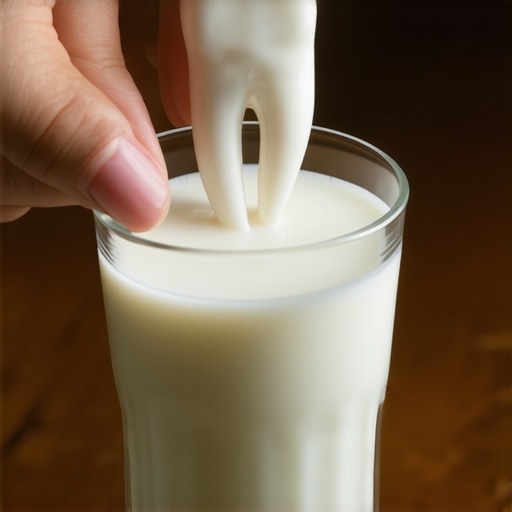
If you cannot get the tooth back into the socket—maybe you are too squeamish or the area is too swollen—you must keep it wet. A dry tooth is a dead tooth. The gold standard for storage is a dedicated tooth preservation kit (like Save-a-Tooth) or a simple glass of cold milk. Milk has a pH balance and proteins that keep the root cells alive much longer than plain water or Gatorade. In a pinch, you can even tuck the tooth inside your cheek to keep it bathed in your own saliva, though this is risky for kids who might swallow it. I once tried to help a teammate who put his tooth in a cup of soda thinking the ‘bubbles’ would clean it; the acid destroyed the enamel and the roots within minutes. He ended up having to weigh veneers vs crowns choosing the best option for your smile because the original tooth was completely unsalvageable. Keep it in milk, keep it cold, and get to the dentist within the hour.
Most people assume that if the dentist manages to splint the tooth back into place, the emergency is officially over. I’ve seen patients breathe a huge sigh of relief, thinking their smile is restored to its former glory. But here is the contrarian reality: the physical replanting is only the first 10% of the survival journey. The real battle happens under the gumline over the next six months. In my experience, the biggest mistake people make is the ‘Splint and Forget’ trap—skipping follow-up endodontic appointments because the tooth ‘feels’ fine. You might think you’ve dodged a bullet, but without a root canal within the first 7 to 14 days for most mature teeth, you are essentially inviting inflammatory resorption—a brutal process where your own body mistakes the tooth for a foreign invader and starts to digest the root from the inside out.
Does a replanted tooth ever truly fuse back into the jawbone?
The answer isn’t a simple yes. Ideally, you want the periodontal ligament to reattach to the socket wall. However, if those delicate fibers were out of the mouth for too long, you might experience ankylosis. This is where the jawbone fuses directly to the root of the tooth. While this might sound like a stable outcome, it is actually a major complication, especially in younger patients. Because the tooth is fused, it won’t move naturally as the rest of the jaw grows, leading to a sunken appearance. According to the International Association of Dental Traumatology (IADT), managing this timing is the most critical advanced step to prevent the tooth from being rejected. If the natural root eventually fails due to this fusion, you’ll need to explore the future of dental implants cutting edge techniques in cosmetic dentistry much sooner than you anticipated. Another trap to avoid is the ‘Aesthetic Rush.’ When a patient sees why your front tooth looks grey after the trauma, their first instinct is to demand a cosmetic fix. I get it; you want your confidence back. But jumping into veneers vs crowns choosing the best option for your smile while the root is still in a state of shock is a massive gamble. A traumatized tooth needs stability, not the vibration of a high-speed drill. Have you ever fallen into this trap? Let me know in the comments. 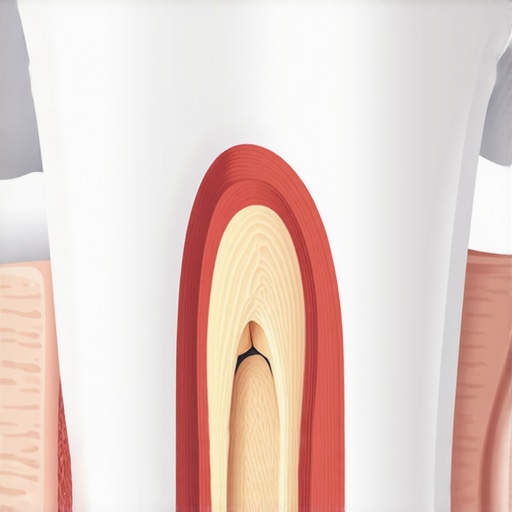 Beyond the tooth itself, you need to monitor the surrounding tissue. If you notice why your gums are swollen only around one specific tooth, it’s a red flag that internal infection is brewing, even if there is no pain. This isn’t just about standard family dentistry tips for a lifetime of healthy smiles; it’s about advanced trauma surveillance. If we catch these shifts early, how to fix a cracked front tooth with cosmetic bonding can be used to reinforce the structure later. If we miss them, the tooth might end up feeling unstable, much like the truth about why your dental implant feels loose when the bone hasn’t properly integrated. Always prioritize the biology of the root over the beauty of the crown during that first year.
If you want to keep that replanted tooth or that shiny new dental implants 2025 innovations that redefine comfort and durability from failing, you need to treat your mouth like a high-performance machine. Maintenance isn’t just about ‘brushing better’; it is about using the specific tools that protect your investment. When I was recovering from my own dental trauma, I realized that my old routine was actually doing more harm than good. I was scrubbing too hard, missing the critical gaps, and ignoring the structural stress my jaw was under.
The Daily Toolkit That Saved My Smile
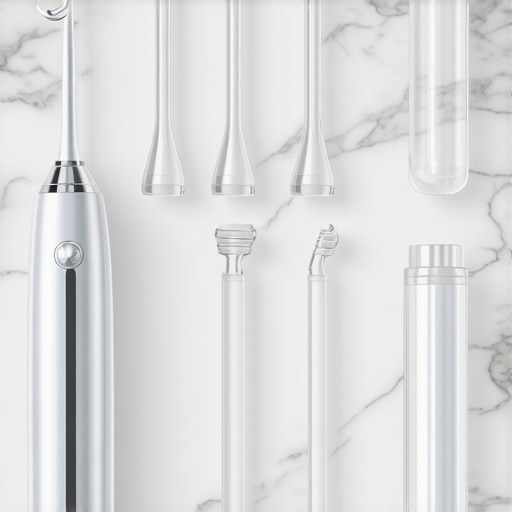
I switched to a high-pressure oral irrigator, specifically the Waterpik Aquarius, and it changed everything. Why? Because when you have a replanted tooth or a bridge, the margin between the restoration and your gum is a breeding ground for bacteria. Traditional floss often shreds or fails to clear the ‘tunnel’ under the hardware. Learning how to clean under a dental bridge without shredding your floss is vital, but the water flosser reaches where the string cannot. I also swear by a dedicated interdental brush for those tiny gaps. It feels tedious at first, but it is the only way to ensure the periodontal ligament stays healthy. To keep things looking great, I’ve also mastered the secret to keeping your smile white without giving-up-your-morning-tea, which involves using a straw and a quick water rinse after every cup.
Looking Deep into the Bone with CBCT Tech
You cannot fix what you cannot see. Standard bitewing X-rays are great for cavities, but they are useless for monitoring the complex integration of a tooth root or an implant. I now insist on a periodic 3D scan. Understanding what your culpeper dentist sees on a cbct-scan that a standard x-ray misses is eye-opening; it reveals the bone density around the root and alerts you to early signs of resorption before the tooth starts to wiggle. According to the Journal of Oral Implantology, utilizing 3D imaging increases the early detection rate of peri-implantitis—the leading cause of implant failure—by over 40% compared to traditional 2D films. This is how we ensure that how dental implants reshape your oral health in 2025 remains a positive transformation rather than a temporary fix.
How do I make my dental restorations last a lifetime?
The secret is managing the ‘silent’ forces in your mouth. Most people lose their veneers vs crowns choosing the best option for your smile not to decay, but to clenching. When you are stressed, you bite down with hundreds of pounds of pressure. If you have a compromised tooth, that pressure is a death sentence. I never sleep without my custom-fitted occlusal guard. I cannot stress the risk of skipping your night guard for just one week enough; one bad night of grinding can crack the delicate bond of a veneer or put too much lateral force on a healing implant. Looking ahead, I predict we will soon see ‘smart’ mouthguards equipped with sensors that alert your smartphone when your grinding intensity hits a dangerous level, allowing for real-time biofeedback. For now, the best thing you can do is commit to the tools we have today. My challenge to you: tonight, swap out your standard floss for an oral irrigator and spend an extra two minutes focusing solely on the gumline of your most vulnerable tooth.
Crucial Lessons from the Trenches Regarding Tooth Reattachment
One of the most profound ‘lightbulb moments’ I had during my recovery was realizing that a dental emergency isn’t a sprint; it’s a marathon. You might save the tooth today, but the real victory is keeping it for the next decade. I learned the hard way that ‘resting’ the tooth isn’t just about not eating steak—it’s about avoiding any microscopic shifting that can disrupt healing. Another revelation? The emotional toll is real. Losing a front tooth feels like losing a piece of your identity, and it is perfectly okay to seek out cosmetic dentistry secrets to boost your confidence as part of your healing process. Finally, never underestimate the power of a second opinion from a specialist who understands traumatic dental injuries inside and out; those specialized insights can be the difference between keeping your tooth or losing it forever.
The Gear You Actually Need to Protect Your Investment
If you have gone through the effort of saving a natural tooth or investing in how dental implants reshape your oral health in 2025, you need a support system that goes beyond a standard toothbrush. I personally recommend three things: a high-quality water flosser to maintain the gumline without physical trauma, a custom-molded night guard to prevent nocturnal grinding, and a professional tooth preservation kit for your first aid box—it’s the only way to ensure pH-balanced transport if lightning strikes twice. I also suggest reading up on family dentistry tips for a lifetime of healthy smiles to keep the rest of your mouth as strong as your restoration. Having these tools ready before an accident occurs is the ultimate form of dental insurance.
#IMAGE_PLACEHOLDER_E#
Turning a Dental Crisis into a Lifetime of Health
Accidents happen in the blink of an eye, but they don’t have to define your smile forever. Whether you successfully replanted your natural tooth or you are now exploring the future of dental implants cutting edge techniques in cosmetic dentistry, remember that modern science is on your side. The innovations in dental implants 2025 innovations that redefine comfort and durability mean that even a total loss can lead to a more resilient, beautiful smile than the one you started with. Stay proactive, stay calm, and keep your dental professional on speed dial to ensure long-term success. Have you ever had a close call with a dental injury or a knocked-out tooth? Let me know your story in the comments below!