I’ll never forget the morning I looked at my daughter, Lily, while she was devouring her morning pancakes. She flashed me a huge, syrupy grin, and all I could see was this massive space between her two upper front teeth. It looked like a tiny parking spot! My mind immediately raced to expensive orthodontic bills and years of headgear. I actually spent the next three hours Googling everything I could find until my coffee went cold. It’s that gut-punch feeling we get as parents—wanting everything to be perfect and fearing we’ve already missed something crucial. But after a frantic call to our dentist and a lot of deep breaths, I learned that what looks like a flaw is often just nature doing its thing. It turns out, my panic was a bit premature, and I learned a lot about how those little mouths develop. [IMAGE_PLACEHOLDER]
The “Ugly Duckling” Stage Is Actually a Good Thing
When those first permanent teeth start peeking through, they often look way too big for their faces and stay far apart. I made the classic mistake of thinking these “adult” teeth were the final version of her smile. In my desperation to see a “perfect” alignment, I even briefly considered looking into how to fix a small gap between teeth without using braces before her other teeth had even sprouted! The reality is, that gap—which dentists call a diastema—is often a blessing in disguise. It provides the essential room for the bigger adult teeth that are still waiting in the wings. If their baby teeth are crowded, there’s no way the permanent ones will fit. Following family dentistry tips for a lifetime of healthy smiles taught me that patience is often the best medicine in the early years. I once even thought about trying to “nudge” the teeth together myself with a bit of floss—please, never do that! It’s a mistake I’m glad I avoided because it can damage the roots.
Does That Gap Mean My Kid Needs Braces Immediately?
It’s easy to get skeptical when a dentist tells you to “just wait.” You might wonder if they’re just ignoring a problem that will cost more later or if they aren’t taking your concerns seriously. However, according to the American Association of Orthodontists, this “ugly duckling stage” typically persists until the permanent canines erupt, which usually happens around ages 11 to 12. During this time, the gap often closes on its own as the other teeth push everything toward the center. I felt so silly for losing sleep when I realized that by trying to rush the process, I could have actually disrupted her jaw’s natural development. We often see things like permanent teeth looking more yellow than baby teeth and assume something is wrong, but it’s usually just the way dental anatomy works. If you’re really worried about a sudden change, knowing how to handle your child’s first dental emergency safely is great, but a gap is rarely an emergency. Have you ever caught yourself staring at your child’s smile and wondering if you should be calling an orthodontist right this second? You aren’t alone. I’ve been in those anxious shoes more times than I’d like to admit, and it’s a totally normal part of the parenting journey. Let’s look closer at why these gaps appear and when you actually do need to take action.Think of your child’s mouth as a high-stakes game of musical chairs. Right now, there are more players than seats, and every tooth is jostling for its permanent position. When you see a gap, don’t view it as a defect; view it as a reservation for the larger teeth coming soon.
How to Track the Great Dental Migration
Instead of just worrying, start an active observation routine. Check your child’s mouth once a month under good lighting. You aren’t looking for perfection; you are looking for symmetry. If the right side is developing at a drastically different pace than the left, that’s your cue to chat with a professional. Following family dentistry tips for a lifetime of healthy smiles involves knowing that the sequence of eruption matters just as much as the timing. If a baby tooth is stubbornly hanging on while the adult version is already visible, you might encounter ‘shark teeth.’
Watch Out for the Two Row Surprise
I remember when Lily’s lower incisors started coming in directly behind her baby teeth. I was convinced she’d have a double row of teeth forever and even started looking up surgeons. I actually cancelled a lunch date because I thought it was a crisis! It turns out, the reason your child has two rows of teeth at the same time is often just a lack of root resorption. My dentist told me to have her ‘wiggle that baby tooth like it’s her job,’ and within a week, the tongue naturally pushed the adult tooth forward into the vacant spot. It’s nature’s own version of cosmetic dentistry secrets to boost your confidence without a single drill. 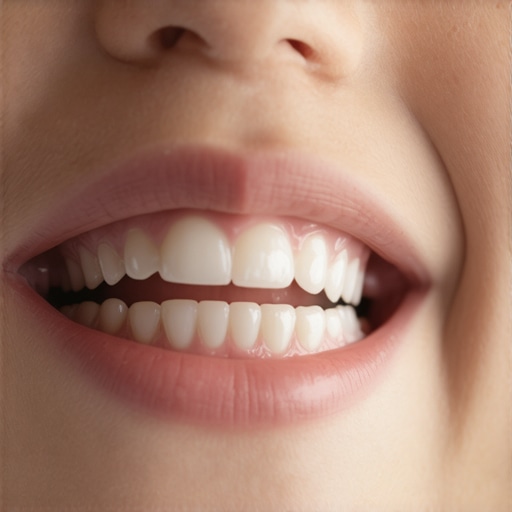
Help Your Kid Quit the Habits That Warp Their Smile
You can have all the room in the world, but persistent habits will ruin the alignment faster than you can say ‘braces.’ If your child is still using a pacifier or sucking their thumb past age four, they are essentially applying constant, unintended orthodontic pressure. This pressure pushes the front teeth out and the roof of the mouth up, creating a ‘vaulted’ palate. If you’re struggling with this, learning how to help your toddler stop sucking their thumb for good is the most effective way to prevent a massive gap from becoming a permanent structural issue.
Maintain the Space You Have
Sometimes a baby tooth is lost too early due to an injury. When this happens, the surrounding teeth will naturally tilt into that empty space, blocking the adult tooth from ever coming in. This is when a ‘space maintainer’—a small metal loop—becomes a lifesaver. It’s like a placeholder in a book; it keeps the spot open so the story can continue correctly. If an accident happens at the playground, knowing how to handle your child’s first dental emergency safely can mean the difference between a simple fix and years of corrective work. If the gap remains after all the adult teeth are in, you can then explore how to fix a small gap between teeth without using braces, but for now, your job is simply to protect the path.Everyone says that a bright white smile is the peak of cosmetic success, but I’m here to tell you that ‘perfectly’ white is often a massive aesthetic blunder. When we look at veneers transformation stories, we tend to focus on the brightness, but real expertise lies in the light. The mistake that makes your teeth look too white and fake is a lack of translucency. Natural teeth allow light to pass through the enamel and bounce off the dentin; if your dentist uses a material that’s too dense, you end up with what I call the ‘fridge-door effect.’ This is precisely why your porcelain veneers look opaque and not natural. Real dental artistry involves mimicking the slight imperfections that make a smile look human rather than manufactured. 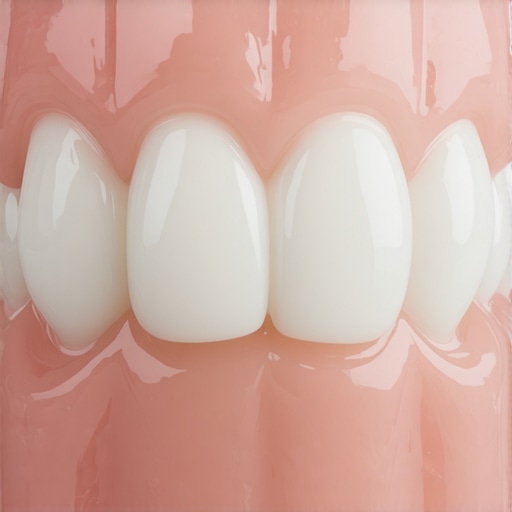
The Implant Longevity Myth
Another trap people fall into is assuming that dental implants are a lifetime guarantee without any maintenance. While they are incredibly durable, they aren’t invincible. A study published in the Journal of Oral Implantology highlights that peri-implantitis—an inflammatory condition affecting the tissues around the implant—is a leading cause of long-term failure. Most people treat their implants like a ‘bionic’ part that doesn’t need flossing, but the reality is that the surrounding gum tissue is even more vulnerable to bacteria than it was with natural teeth. If you start feeling odd sensations, like why your dental implant feels like it is vibrating slightly, you shouldn’t ignore it. It’s often a subtle sign that the crown has a microscopic amount of play or that the bone isn’t absorbing the force of your bite correctly.
Why is your dental implant sensitive to heat but not cold?
This is a question that stumps many patients. Since the implant doesn’t have a nerve, it shouldn’t feel temperature at all, right? Not necessarily. Understanding why your dental implant is sensitive to heat but not cold often involves looking at the adjacent natural teeth or the metal post itself. Metal is a fantastic conductor; if the implant is placed near a sensitive nerve in the jaw, the heat can transfer through the post more quickly than cold. It’s these tiny, technical nuances that separate a standard procedure from a high-end cosmetic dentistry experience. Have you ever fallen into the trap of thinking a dental fix was ‘one and done’ only to be surprised by a weird sensation later? Let me know in the comments below, because sharing these ‘oops’ moments is how we all get better at managing our health.
Maintaining these investments feels like a full-time job at first, but once you find the right rhythm, it’s just part of the routine. I’ve become a bit of a dental gadget nerd over the last few years because when you’ve invested in dental implants or veneers, you quickly realize that the $5 drugstore toothbrush isn’t going to cut it anymore. I personally swear by a high-pressure water flosser; it’s not just about the convenience, it’s about the fact that it can reach the tiny crevices around an implant abutment that traditional string floss simply misses. In fact, a systematic review in the Cochrane Database of Systematic Reviews suggests that while any interdental cleaning is better than none, specialized tools are often necessary for those with complex restorations to prevent chronic inflammation.
How do I keep my dental work looking like day one?
The secret isn’t just in how you brush, but what you do while you sleep. If you have veneers, you’ve probably been told about the danger of bruxism—that’s just a fancy word for grinding your teeth into dust. I learned the hard way that a custom-fitted night guard is non-negotiable for protecting my veneers transformation. However, most people ruin their guards by using harsh chemicals. Learning how to clean your night guard without damaging the material is half the battle. I use a simple non-abrasive soap and cool water because hot water can actually warp the plastic, ruining the fit and putting unintended pressure on your new teeth. If you’re struggling with hardware already in your mouth, mastering the secret to flossing comfortably with a permanent retainer will save you from the plaque buildup that often leads to gum recession around those expensive dental implants. 
Ditch the Manual Floss for a Water Stream
It’s easy to get complacent, but the longevity of your smile depends on the health of the underlying tooth. I’ve started using a high-resolution intraoral camera at home—they are surprisingly affordable now—to take a ‘tour’ of my mouth once a month. This allows me to spot the difference between a simple stain and a potential leak in the veneer’s margin before it becomes a disaster. This proactive approach is exactly what transform your smile with veneers expert tips for perfect results is all about: catching the small stuff before it becomes a ‘pop-off’ emergency during a dinner party.
The High-Tech Future of Your Morning Routine
Looking ahead, I see the ‘smart’ bathroom becoming a hub for preventative care. We are already seeing dental implants 2025 innovations that redefine comfort and durability, but the real shift will be in AI-integrated mirrors that scan your teeth for enamel wear while you’re washing your face. These tools will likely sync with your family dentistry tips for a lifetime of healthy smiles app, alerting your doctor to issues before you even feel pain. It sounds like sci-fi, but the tech is already in the prototype stage. My advice? Don’t wait for the future to take care of what you have now. Pick up a high-quality water flosser this week and spend an extra two minutes focusing on those margins—your future self will thank you for the extra effort.
The Realities Experts Often Forget to Mention About Long-Term Dental Work
Reflecting on my journey from a panicked mom to a self-proclaimed dental enthusiast, I’ve realized that the ‘ugly duckling’ stage isn’t just for kids—it’s a metaphor for any dental transformation. Whether you’re waiting for your child’s gap to close or managing a high-end cosmetic dentistry investment, the ‘lightbulb moment’ for me was realizing that maintenance is more important than the procedure itself. I used to think a tooth was ‘fixed’ and forgotten, but I’ve learned that the truth about the lifespan of a dental implant is that it requires even more vigilance than a natural tooth. Another eye-opener? Natural-looking results come from embracing slight variations in shade and shape, rather than chasing a flat, artificial white. Trusting your provider’s expert tips for perfect results often means saying no to ‘perfect’ and yes to ‘character’ to avoid that dreaded opaque look.
The Gear That Keeps My Family Out of the Dentist’s Chair
I don’t just rely on luck anymore; I have a specific toolkit that makes my morning routine feel like a professional cleaning. First, the high-pressure water flosser is non-negotiable—it’s the only way I feel confident cleaning around hardware and tight gaps. Second, I keep a digital copy of our family dentistry tips for a lifetime of healthy smiles handy to troubleshoot minor issues before they escalate into emergencies. Lastly, I’ve found that using an intraoral camera at home is a game-changer for peace of mind, allowing me to see exactly what the dentist sees during an exam. These aren’t just gadgets; they are the frontline defense for my family’s oral health and long-term confidence.
Trust the Process and Love the Result
At the end of the day, your smile—and your child’s smile—is a work in progress. Whether you are currently in the middle of a veneers transformation or just helping a toddler stop a thumb-sucking habit, remember that patience is your strongest ally. Dental health isn’t a destination; it’s a daily choice to protect the tools we use to laugh, eat, and speak. Don’t be afraid to ask the ‘silly’ questions or push for the most natural-looking options for your family dentistry needs. Have you ever felt that initial panic when your child’s permanent teeth started coming in looking a bit wonky? Let me know your ‘ugly duckling’ stories in the comments below!