I’ll never forget the afternoon I crawled out of the dentist’s chair after a marathon session of crown prep and deep cleaning. I pulled into the drive-thru for a much-needed milkshake, but when I went to take that first sip, my jaw simply refused to cooperate. It was stuck. A sharp, terrifying tension radiated from my ear down to my chin, and for a panicked minute, I genuinely thought I’d been permanently ‘glitched.’ It felt like my hinges were made of rusted iron rather than bone and muscle. We’ve all been there—that stiff, achy, ‘I-can’t-open-my-mouth’ sensation that follows a long appointment. Today, I’m going to share exactly why this happens and the simple tricks I learned to stop the post-appointment lockup before it even starts. Have you ever felt like your mouth was held hostage after a routine cleaning?
That Rusty Hinge Feeling After the Chair
I’ll be honest with you: my biggest mistake for years was trying to be the ‘perfect patient.’ I would sit there like a statue, straining every fiber of my facial muscles to stay wide open, thinking I was making the dentist’s life easier. In reality, I was just setting myself up for days of misery. When you spend sixty minutes fighting against your own natural reflexes, your temporomandibular joint (TMJ) takes a beating. It’s not just about ‘tired muscles’; it’s about acute strain on the delicate disc that cushions your jaw joint. According to the Mayo Clinic, even minor trauma or prolonged hyperextension of the jaw can trigger temporary TMJ dysfunction, which explains that terrifying locked sensation. This is why why your jaw feels tired after a long dental appointment isn’t just a minor annoyance—it’s your body screaming for a break.
Is this actually a sign of permanent damage?
It is easy to spiral into It is easy to spiral into a panic thinking you’ve done permanent damage, but usually, it’s just your muscles in a state of ‘protective guarding.’ Imagine holding a five-pound weight at arm’s length for an hour. Your bicep would be screaming, right? That’s exactly what’s happening to your masseter muscles when they are stretched to their limit.
Stop Helping Your Dentist So Hard
One of the biggest shifts I made was realizing that my ‘helpfulness’ was actually a hindrance. When you manually hold your mouth open, you are constantly engaging muscles that aren’t designed for endurance. Instead of being a statue, I started following these family dentistry tips for a lifetime of healthy smiles by learning to communicate my comfort levels during the procedure. If you feel your muscles starting to quiver, that is your yellow light. Signal your dentist for a thirty-second break. Those tiny ‘micro-rests’ allow the synovial fluid in your joints to redistribute, preventing that ‘stuck’ feeling later.
Request a Bite Block Before the Work Begins
This was the ultimate game-changer for me. During a long appointment for expert veneer results, I felt my jaw start to fail only twenty minutes in. My dentist reached for a small, rubberized prop called a bite block. It sounds counterintuitive to put more stuff in your mouth, but it acts like a kickstand for your jaw. You can literally relax your muscles into the prop while staying wide enough for the dentist to work. It turns an active muscle workout into a passive rest session. 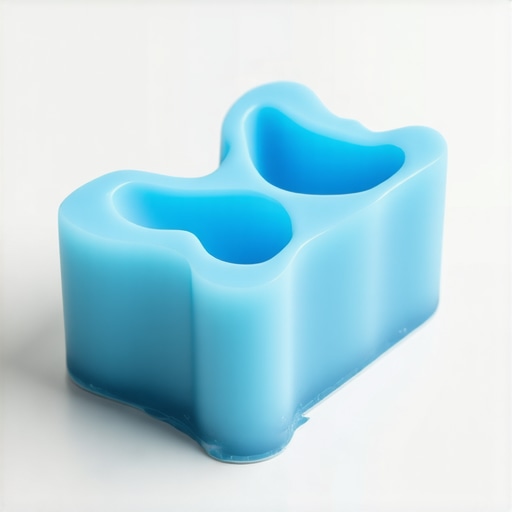
Melt Away the Tension with Moist Heat
If you still walk out of the office feeling like your jaw is made of concrete, skip the ice pack unless you have visible swelling from an extraction. For pure muscle fatigue, moist heat is your best friend. I keep a dedicated flaxseed wrap in my microwave just for post-dental days. The heat penetrates the deep tissues of the jaw, encouraging blood flow and flushing out the lactic acid that built up while you were in the chair. This is especially helpful if you find there is a connection between frequent headaches and grinding your teeth, as the heat calms the entire cranial network.
Master the N-Position Stretch
Once the anesthesia wears off and you can feel your face again, try the ‘N-Position’ stretch. Gently place the tip of your tongue on the roof of your mouth, just behind your front teeth (as if you’re saying the letter N). With your tongue held there, slowly open and close your mouth as far as is comfortable. This specific alignment keeps the jaw tracking straight and prevents the joint from ‘clicking’ or ‘locking’ as it resets. I did this five times every hour after my last deep cleaning, and for the first time in years, I didn’t feel like I needed a liquid-only diet the next day. This is a far better approach than just suffering through it, much like how you would handle tooth sensitivity after your first professional cleaning—by being proactive rather than reactive. While ice is great for a cut on your tongue or cheek, your jaw joints need movement and warmth to heal.
Beyond the immediate muscle soreness, there is a much deeper nuance most people miss when they dive into the world of major restorative work. I used to think that the longer the appointment, the more ‘efficient’ I was being. I’d try to stack two fillings, a crown prep, and a cleaning into one massive morning block. But here is the contrarian truth: three short appointments are almost always better than one six-hour marathon. When your jaw is forced open for hours, you aren’t just straining muscles; you are risking ‘occlusal trauma,’ where your brain literally loses the ability to find its natural bite. This can lead to a cycle of discomfort that no amount of Ibuprofen can fix.
Why Three Short Appointments Beat One Six-Hour Slog
In my experience, the ‘get it all done at once’ mentality is a recipe for chronic TMJ issues. A study published in the Journal of Oral Rehabilitation notes that even a 20-micron discrepancy in bite height—which is thinner than a strand of hair—can cause the brain to trigger repetitive grinding as it tries to ‘level out’ the interference. If you are exhausted and numb from a long session, you cannot give your dentist accurate feedback on how your teeth meet. This is why cutting-edge techniques in cosmetic dentistry now emphasize incremental adjustments over bulk procedures. It’s much easier to refine innovations that redefine comfort and durability when your jaw isn’t already in a state of spasm.
Why does my jaw feel like it is vibrating slightly?
This is one of those advanced questions I get asked often. If you’ve recently had work done and feel a strange ‘hum’ or vibration, you might be experiencing why your dental implant feels like it is vibrating slightly. This isn’t usually a mechanical failure; it’s often your periodontal ligaments or the surrounding bone reacting to a change in sensory input. It’s a nuance that beginner guides rarely mention, but it’s a sign that your body is integrating the new hardware. Have you ever fallen into the trap of trying to do too much at once? Let me know in the comments.
Don’t Trust Your Mouth While You’re Numb
The biggest ‘oops’ factor I see is patients insisting their bite feels ‘fine’ before the local anesthesia wears off. This is a dangerous game. When you’re frozen, your proprioception—the sense of where your body parts are—is completely offline. You might unknowingly sign off on a crown or veneer that is slightly too high. Later, when the feeling returns, that tiny high spot acts like a pebble in your shoe, causing the very pain you were trying to avoid. This is a common reason why the reason your porcelain veneers look opaque and fake or feel ‘off’ isn’t just about the color, but the functional fit. 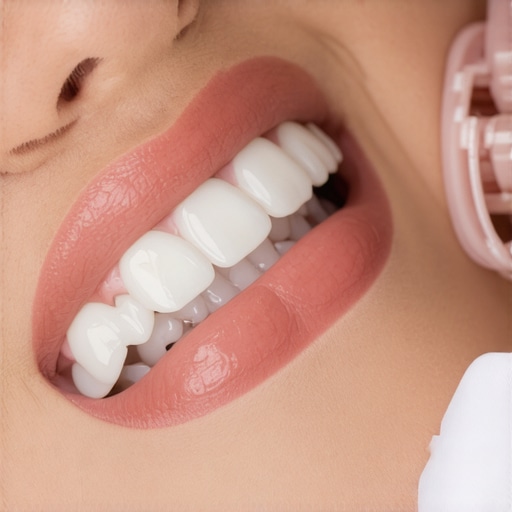
When you are looking to transform your smile with veneers, the nuance of the shade is just as critical as the fit. Many people make the mistake of choosing the whitest possible porcelain, only to find that the reason your veneers look different in sunlight versus indoors is because they lack the natural translucency of real enamel. Learning how to pick the right shade for your new porcelain veneers involves looking at your teeth in various lighting conditions before they are permanently bonded. Following family dentistry tips for a lifetime of healthy smiles means being patient with the process rather than rushing for a quick fix.
Once the numbness fades and you’ve finally settled into your new look, the real work begins—and it’s not as hard as you think. I used to treat my dental work like it was indestructible, a mistake that nearly cost me a perfectly good crown. To keep everything functioning, I had to upgrade my toolkit. I realized that a standard toothbrush simply wasn’t enough to protect the financial and emotional investment I made in my smile. If you’ve gone through a veneers transformation, you need to treat those shells like the fine art they are. The Journal of Prosthetic Dentistry suggests that the abrasive nature of certain ‘whitening’ toothpastes can actually micro-scratch the glaze of your porcelain over time, leading to staining that wouldn’t normally happen. This is why I switched to a low-abrasion gel designed for restorative work.
How can I keep my new smile from fading?
Maintaining that ‘just-finished’ look requires more than just brushing twice a day. I’ve found that keeping your teeth white while drinking black coffee is totally possible if you use the right sequence of tools. I swear by my cordless water flosser. While many people see the benefit of using a water flosser with your braces, it is just as critical for flushing out the microscopic debris that hides around the margins of a dental implant or a bridge. 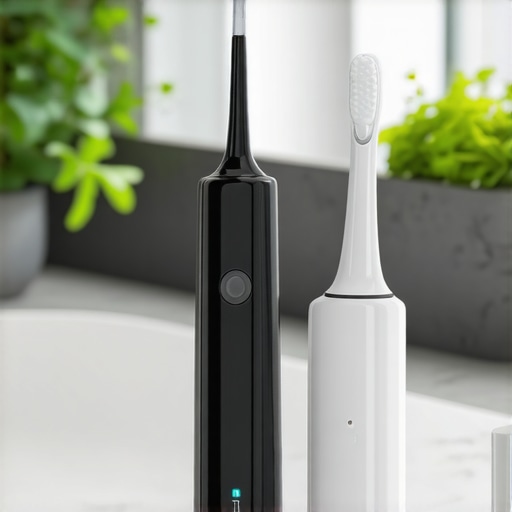
Your Teeth Aren’t Pliers or Scissors
We all do it—ripping open a bag of chips or biting off a loose thread with our front teeth. When you have veneers or crowns, this is the fastest way to a ‘ping’ sound you never want to hear. I had to train myself to reach for a pair of scissors every single time. It sounds small, but the truth about the durability of composite vs porcelain veneers is that porcelain is incredibly strong under vertical pressure but brittle under lateral ‘shearing’ forces. If you are worried about longevity, you have to watch out for the red flags that your dental implant is being rejected, which can sometimes start with something as simple as chronic inflammation from poor hygiene at the gum line.
The Future of Home Maintenance is High Tech
Looking ahead, I suspect we are going to see a massive shift toward AI-integrated home care. We are already seeing cutting-edge techniques in cosmetic dentistry that use digital mapping to track gum recession in real-time. Imagine an app that tells you exactly where you’re missing a spot before it becomes a cavity. We are seeing innovations that redefine comfort by using these digital scans to create custom night guards that actually protect your work while you sleep. If you want to keep your results, my best advice is to grab a pack of interproximal brushes—those tiny ‘Christmas tree’ brushes—and use them nightly between your restorations. It feels a bit strange at first, but it is the ultimate insurance policy for your gums. If you’re unsure about your current routine, feel free to contact us to discuss a personalized maintenance plan.
Hard Lessons from My Years in the Dentist’s Chair
Reflecting on my own dental journey, I’ve realized that the physical discomfort of a long appointment is often just a signal to slow down. One of the biggest shifts for me was accepting that shorter, more frequent visits are a gift to my jaw, not a waste of time. I also learned that ‘toughing it out’ usually leads to more inflammation, making it harder for the body to recover. Most importantly, I discovered that asking for a break doesn’t make me a difficult patient—it makes me a proactive one. If you are ever unsure about a procedure, you can always contact us for guidance.
The Survival Kit for a Lifetime Smile
To keep my teeth in peak condition without the stress, I rely on a few specific tools. First, a high-quality water flosser is essential; seeing the benefit of using a water flosser with your braces or implants can’t be overstated for keeping margins clean. I also recommend a custom-fitted night guard, especially if you’ve noticed a connection between frequent headaches and grinding your teeth. Finally, keeping a warm flaxseed compress on hand for post-appointment jaw fatigue is a must-have for anyone prone to TMJ tension. #IMAGE_PLACE_HOLDER_E#
Why Your Best Smile Still Lies Ahead
Investing in your oral health is a marathon, not a sprint. Whether you are navigating the recovery from a deep cleaning or exploring cosmetic dentistry secrets to boost your confidence, remember that your comfort is just as important as the final aesthetic result. You deserve a smile that doesn’t just look great but feels great too. By listening to your body and taking small, consistent steps, you can maintain your results for decades. Have you ever experienced that ‘stuck jaw’ feeling after a cleaning, or did you find a different trick that worked for you? Let me know in the comments below!