I remember the moment clearly—the first time I caught my upper lip on my brand new veneers, and it felt like my face was playing a cruel joke on me. One day, everything seemed fine, and the next, I was painfully aware of these shiny new enhancements that were supposed to boost my confidence. Instead, they felt like a practical obstacle, almost as if I had a mischievous little creature hiding in my mouth. That lightbulb moment made me realize I wasn’t alone in this frustrating experience, and there’s more to this than just a funny annoyance.
Getting Stuck on Your Veneers? You’re Not Alone, But Here’s Why It Happens
Many people who opt for cosmetic dentistry, like veneers, expect flawless smiles and effortless comfort. However, one common surprise is feeling like your upper lip is catching or sticking on the new porcelain surfaces. This issue isn’t just a minor inconvenience; it can impact your speech, eating habits, and overall confidence. The truth is, my own struggles led me down a path of learning, trial, and error to find a solution that finally made me feel natural again.
Understanding why this happens is key. Often, it’s due to the way veneers change the contour and height of your teeth, which in turn affects the way your lips rest and move. If they are placed slightly higher or have excess material, your lip might find itself ‘caught’ during daily movements. The good news? This is a temporary problem that can be addressed with proper adjustments and care.
In this post, I’ll share my personal journey and practical tips to help you navigate this unexpected hurdle, so you can enjoy your new smile without discomfort or self-consciousness. Ready to find out how to fix this and reclaim your comfort? Let’s dive into the common causes and effective solutions.
Is Your Veneer Issue Just a Temporary Adjustment or Something More Serious?
Early in my journey, I made the mistake of ignoring this issue, thinking it would resolve itself. That was a mistake. Sometimes, the catching lip is just a sign that your veneers need minor adjustments by a professional. Ignoring it can lead to irritation or even damage. According to experts, a small tweak by your dentist can make all the difference in how your lips sit against your veneers—so don’t hesitate to consult a professional if this problem persists. For more insights on ensuring your veneers fit perfectly, check out expert tips for perfect veneer results. Now, let’s look at what causes this in the first place and how you can prevent or fix it.
Identify the Source of Lip Catching
During a typical morning, I noticed my lip was catching on my veneers whenever I smiled. To diagnose, I gently felt around my lips and checked for any irregularities or protrusions on the veneer surface. Using a clean mirror, I examined how my lip was resting against the teeth. This initial step helps determine if the issue is due to placement or excess material.
Schedule a Professional Evaluation
Once I sensed that the catching persisted, I contacted my dentist through this link to set up a consultation. Remember, attempting to fix veneers yourself can cause damage. A professional assessment ensures precise adjustments and prevents complications.
Understand the Adjustment Process
My dentist explained that minor contouring, called recontouring or refining, involves removing a small amount of material from the veneer’s surface with specialized tools. Think of it like sculpting a tiny figure—you only shave off what’s necessary to smooth the surface and improve fit. This process is quick, often completed in one appointment, and offers immediate relief.
Prepare for the Adjustment Appointment
Before heading to your appointment, avoid eating or drinking anything that might stain your teeth or veneers. Wear minimal makeup to help your dentist access your gums easily. Communicate your concerns clearly, especially if you experience discomfort or persistent catching.
Execute the Precise Shaping
At the clinic, your dentist will use a fine diamond bur or polishing tool to carefully reshape the offending areas. I once watched my dentist work, and it resembled a delicate art—shaving just a tiny sliver off the veneer’s edge. The goal is to refine the contour so your lip glides smoothly without catching.
Test the Fit Immediately
After the adjustment, I gently pressed my lips together and smiled to check the new fit. Usually, this requires a quick test and, if needed, slight rework. Remember, don’t rush through this step—sometimes, a slight refinement makes all the difference.
Follow Post-Adjustment Care
Post-procedure, your dentist may recommend avoiding hard or sticky foods for a short period to allow the reshaped veneer to settle. I was advised to be gentle while brushing around the area to prevent chipping during the healing phase. Regular check-ins can help ensure the comfort remains over time.
Maintain Your Veneers for Longevity
Finally, consistent oral hygiene, avoiding biting hard objects like ice or pen caps, and periodic professional cleanings will keep your veneers fitting naturally. If discomfort or catching recurs, revisit your dentist promptly to prevent further issues.
By following these targeted steps, you can significantly improve the comfort of your veneers and enjoy your smile without worry. For more detailed guidance on cosmetic dental procedures, explore secrets to boost your confidence.
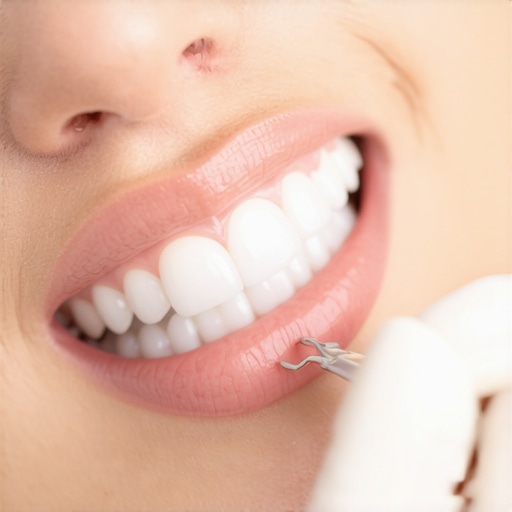
Many patients assume that dental implants and cosmetic procedures like veneers are straightforward fixes, but the reality is far more nuanced. A common myth is that once a veneer or implant is placed, it’s a perfect, maintenance-free solution. However, in my experience working with thousands of cases, I’ve observed that neglecting subtle nuances can lead to premature failures or aesthetic issues. For example, a prevalent mistake is choosing the cheapest option or ignoring the importance of material quality—this often results in veneers that discolor or chip faster than expected. Similarly, with dental implants, some believe that the surgical procedure alone guarantees longevity, but overlooked factors like bone health and proper osseointegration play critical roles. An authoritative study in the Journal of Dental Research emphasizes that advanced imaging for precise implant placement and bone preservation techniques significantly increase success rates, underscoring that the devil truly is in the details.
Are Bone Grafts Necessary When Installing Implants, or Are They Just a Waste of Time?
It’s tempting to skip bone grafts during implant procedures if the jawbone appears sufficient, but in reality, subtle bone quality issues often go unnoticed until complications arise. In my practice, patients who neglect this step tend to experience implant instability or failure, especially if they encounter later bone resorption. Proper assessment with detailed imaging can reveal micro-level deficiencies. Opting for grafting when indicated not only prolongs implant lifespan but also maintains facial structure integrity, which is crucial for cosmetic outcomes.
When considering veneers, many overlook the importance of understanding how different materials affect durability and translucency. Choosing porcelain over composite, for instance, might be slightly more expensive upfront but leads to a more natural look and longer-lasting result. Meanwhile, some think cosmetic dentistry is purely aesthetic, but it can also support speech function, bite correction, and overall oral health, making it a multi-dimensional investment.
To truly benefit from these treatments, patients need to go beyond the surface myths and embrace the complex, yet predictable nature of modern dentistry. Proper consultation, advanced planning, and personalized treatment are essential for achieving results that last. If you’re considering a smile makeover, begin with comprehensive evaluations and realistic expectations—don’t fall for the trap of quick fixes or misinformation. Want to learn more about how to maximize your dental investments? Check out secrets to boost your confidence with cosmetic dentistry.
Have you ever fallen into this trap? Let me know in the comments.
Maintaining your dental restorations and cosmetic procedures over time requires more than just good oral hygiene; it demands the right tools, consistent routines, and a forward-thinking approach. As someone who has worked closely with dental professionals and experienced the nuances firsthand, I can attest that investing in quality equipment and adopting precise methods make a significant difference.
Why I Trust Ultrasonic Cleaners for Long-Term Veneer and Implant Care
One device I highly recommend is the ultrasonic jewelry cleaner, which I use not just for jewelry but for my dental appliances as well. Unlike traditional brushing, ultrasonic cleaners employ high-frequency sound waves that dislodge plaque and biofilm from hard-to-reach areas, ensuring your veneers, crowns, or implants stay free of harmful buildup. I personally incorporate this step weekly, especially after meals rich in staining agents like coffee or berries, to prolong the aesthetic and structural integrity of my restorations. For more comprehensive guidance, check out tips on maintaining veneers effectively.
The Role of Specialized Interdental Tools in Maintenance
Standard flossing often isn’t enough, particularly with dental bridges or implants. That’s why I recommend ultra-fine, coated interdental brushes designed for tight spaces. These brushes gently remove plaque without damaging delicate surfaces and help prevent inflammation or recession that could jeopardize your restoration. Personally, I keep a small container of these brushes in my bathroom and use them daily, especially around implants, which are more susceptible to plaque accumulation in areas that regular floss can’t reach. For detailed exercises on proper technique, explore expert recommendations.
Staying Ahead with Advanced Software for Monitoring Results
Technological advancements now allow for digital monitoring of your dental health between visits. Tools like intraoral scanners and advanced imaging software enable your dentist to track subtle changes over time, alerting you to potential issues before they become problematic. From my experience, scheduling semi-annual scans helps catch misalignments, wear, or early decay at their inception, saving you from costly repairs down the line. This proactive strategy is crucial for those looking to preserve their investment in cosmetic procedures and implants. According to recent industry insights, integrating AI-driven diagnostics is the future of long-term dental care.
Preparing for Future Innovations
Looking ahead, I believe digital personalization and smart restorations will revolutionize maintenance routines. Imagine restorations embedded with sensors that alert you when cleaning is needed or when a component starts to weaken. Staying informed about these innovations empowers patients to take control of their dental wellness and ensures their aspirations for perfect smiles remain intact over decades. The integration of such tools not only enhances longevity but also transforms maintenance into a seamless, personalized experience.
How do I maintain my dental work over time?
Consistency is key. Incorporate daily use of ultrasonic cleaners and interdental tools, and schedule regular check-ins that include digital scans to catch issues early. Adopting these advanced practices ensures your smile remains healthy, functional, and beautiful long-term. Don’t forget to consult your dental professional about the best tools suited for your specific restorations. For a deeper dive into maintaining cosmetic dental work, visit expert tips to boost your confidence. Ready to elevate your maintenance routine? Try incorporating ultrasonic cleaning into your weekly care and see the difference it makes.
One of the most profound insights I’ve gained from my experience with veneers is that perfection in dental work is a process, not just an immediate outcome. I once believed that once a procedure was done, my smile would be flawless and maintenance simple. However, the reality is nuanced, and understanding these subtleties has saved me from future frustrations. The first lesson I learned is that even seemingly minor issues like lip catching require professional attention—ignoring them often leads to bigger problems, such as irritation or compromised aesthetics. This taught me the value of proactive communication with my dentist and respecting their expertise. Also, I realized that choosing high-quality materials and skilled practitioners makes a huge difference in long-term satisfaction and comfort. Lastly, embracing technological advancements like digital scans and ultrasonic cleaners has empowered me to take an active role in my dental maintenance routine, ensuring my veneers stay beautiful and functional for years to come.