I was three bites into a sourdough grilled cheese when my world tilted. It wasn’t pain, exactly—more like a subtle, sickening ‘thud’ inside my jaw. I stopped chewing immediately. I’d had that crown for four years, and suddenly it felt like a loose floorboard. My first thought? ‘Maybe it’s just the cold cheese.’ My second? ‘This is going to cost a fortune.’ I made the classic mistake of waiting three days, thinking it would ‘settle down’ or that I was just being dramatic. It didn’t. By the time I finally called my dentist, the cement had completely washed out, and I was lucky I hadn’t swallowed the porcelain cap in my sleep. Today, I want to help you avoid that panic and show you exactly how to distinguish between a crown that’s just throwing a temporary temper tantrum and one that’s actually packing its bags to leave. [IMAGE_PLACEHOLDER]
The Fine Line Between a Quick Zing and a Wobbly Disaster
Distinguishing between sensitivity and a loose crown is like trying to tell if your car has a flat tire or just needs an alignment; both feel off, but one is much more urgent. When I first got my dental work done, I didn’t realize that gums are often sore after a new crown, which is a totally normal part of the healing process. However, when that ‘new’ feeling persists for months, or suddenly reappears after years of peace, you’ve got to pay attention. Sensitivity usually feels like a sharp, lightning-bolt flash when you hit something cold or hot. Looseness, on the other hand, is mechanical. It’s a physical movement you feel when your teeth release after a bite, often accompanied by a tiny, wet ‘click’ that only you can hear.
I remember one specific morning where I convinced myself that my tooth was just ‘tired.’ I know, it sounds ridiculous now. I was so worried about the difference between veneers and crowns and whether I’d picked the right treatment that I ignored the physical evidence of a failing bond. If you feel a ‘squish’ or hear a tiny clicking sound, that isn’t sensitivity. That’s air, saliva, and bacteria getting trapped where they don’t belong. According to the American College of Prosthodontists, the most common reason for crown failure is recurrent decay at the margin—the area where the crown meets the tooth—which can often mimic the feeling of a loose fit before the crown actually moves. If you let it go, that tiny gap becomes a playground for plaque.
Is My Crown Actually Falling Off or Am I Just Paranoid?
It’s the question that keeps us up at night after a particularly crunchy meal. You start poking it with your tongue, which, by the way, is exactly what I did until my jaw ached. But here is the neighborly truth: a healthy crown should feel like a natural part of your body. If you are constantly ‘checking’ it because something feels ‘different,’ your intuition is probably right. Have you ever felt that tiny ‘click’ when you bite down and wondered if you should call your dentist right away? If so, you aren’t being dramatic—you’re being proactive. If you’ve ever had to deal with the steps to take if you lose a filling during dinner, you know that dental emergencies never happen at a convenient time. Catching a loose crown now is the difference between a simple five-minute recementing and a full-blown, expensive replacement. Trust me, I’ve been on both sides of that chair, and the proactive route is much kinder to your wallet.
Stop Poking It and Start Assessing
The moment you feel that wiggle, your instinct is to prod it with your tongue every five seconds. Resist that urge. Treating a loose crown requires a calm, methodical approach to ensure you don’t damage the underlying tooth structure. If you’re wondering why your tooth hurts only when you release a bite, you’re likely experiencing a ‘rebound’ effect. This happens when the crown lifts slightly and the pressure of biting pushes it back down into the sensitive nerve area, only for it to pop back up when you open your mouth. It’s exactly like a loose button on a favorite coat; you can keep wearing the coat for a while, but eventually, that button is going to fall off at the worst possible moment.
The Suction Test You Can Do at Home
To confirm the looseness without causing damage, try the suction test. Gently close your teeth and draw air in through the gaps. If you feel a slight ‘lift’ or see tiny bubbles forming around the base of the crown in a mirror, the seal is broken. This is a critical stage. You need to know how to handle a cracked tooth until you reach the dentist because a loose crown often hides a fracture beneath the porcelain. I remember a Tuesday night when I tried to ignore a ‘bubbly’ feeling in my back molar. I convinced myself it was just soda carbonation. By Friday, the crown was in my hand, and I was staring at a very expensive emergency fee.
The Night I Glued My Own Finger
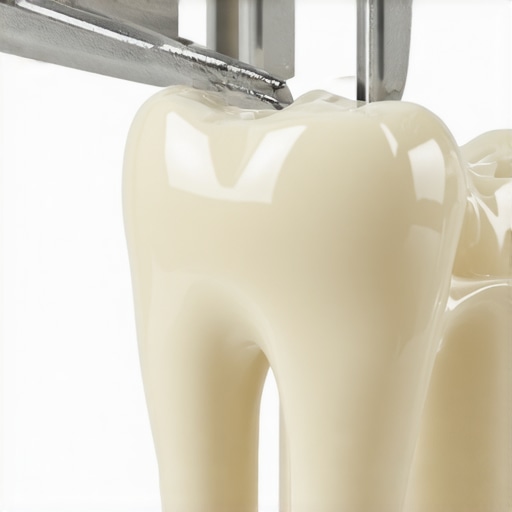
Let’s talk about what NOT to do. I once thought I could outsmart a professional by using an over-the-counter dental adhesive kit. I was so determined to avoid the office that I didn’t realize I was trapping bacteria and moisture directly against the stump of my tooth. I ended up with a mess—half of the sticky cement was on my index finger, and the crown was set at such a weird angle that I couldn’t even close my mouth. It was a stressful lesson in family dentistry tips for a lifetime of healthy smiles: don’t play amateur doctor with your own hardware. If the crown comes off completely, clean it gently with a toothbrush and keep it in a sealed container. Do not use superglue. The chemicals are toxic and can kill the living tissue inside your tooth.
Decide if a Patch or a Permanent Change is Needed
Sometimes, a loose crown is a sign that the tooth underneath has changed shape or decayed further, meaning a simple recementing won’t hold. You might need to look at veneers vs crowns which is right for your smile to see if a different restorative approach is better for your long-term bite. If the tooth is too far gone to support a new cap, it’s worth investigating how dental implants reshape your oral health in 2025. Implants provide a permanent anchor that won’t wiggle or wash out like traditional cement. While it feels like a big jump, replacing a chronically failing crown with an implant can save you years of ‘wobble-watch’ anxiety. Use this moment of hardware failure as a diagnostic check-up for your entire mouth’s health.
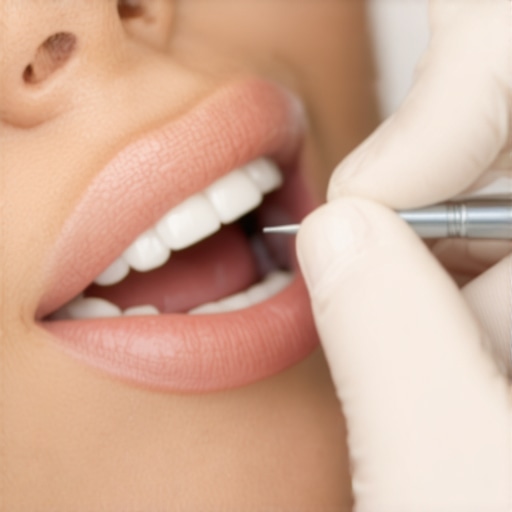
Most people assume that if they are paying for high-end dental work, the strongest material is automatically the best. However, that is one of the biggest misconceptions in modern restorative care. While we all want a crown that is ‘indestructible,’ choosing a material that is too hard can actually be a liability. If you place a rock-hard zirconia crown against your natural lower teeth, the crown won’t break, but it will slowly grind down your natural enamel like sandpaper. It is about finding a material that mimics the natural wear-and-tear of your own teeth, rather than something that outlasts them at the expense of your bite.
Why Your Super-Strong Crown Might Be Damaging Your Other Teeth
When I was looking into the truth about the durability of composite vs porcelain veneers, I learned that flexibility is often more important than brute strength. A crown that is too rigid doesn’t absorb the shock of chewing; it transfers that force directly into the root and the surrounding bone. This is the ‘hidden nuance’ of the future of dental implants and cutting-edge techniques in cosmetic dentistry: we are moving toward materials that behave like biological tissue. If your crown feels ‘thumpy’ when you chew, it might not be loose; it might just be too hard for your natural bite rhythm. According to the Journal of Prosthodontic Research, ‘restorative success is measured by the harmony of the entire masticatory system, not just the longevity of the prosthetic itself.’
Why Does Your Bite Still Feel ‘Off’ Even When the X-Ray Looks Perfect?
This is a sophisticated problem that many patients face. Your dentist might say the crown ‘looks great’ on the scan, but you feel like you’re biting on a pebble. This usually comes down to proprioception—the way your brain perceives the position of your teeth. Even a microscopic discrepancy in how the crown’s ‘hills and valleys’ meet your opposing teeth can trigger jaw pain or a sensation of looseness. It’s also where many people fall for the mistake that makes your teeth look too white and fake; they focus so much on the aesthetics that they overlook the functional ‘occlusion’ or bite alignment. If you are struggling with this, don’t just ‘live with it.’ A simple adjustment to the crown’s surface can save you years of TMJ issues.
Stop Choosing the Whitest Shade Possible
The ‘Oops’ factor I see most often isn’t a mechanical failure, but a social one. Patients frequently demand the whitest shade available, ignoring the fact that natural teeth have depth, translucency, and slight yellow undertones. When you pick a shade that is too bright, the crown looks like a fluorescent lightbulb in your mouth. You need to know how to pick the right shade for your new porcelain veneers or crowns by matching them to the whites of your eyes, not a piece of paper. Have you ever fallen into the trap of choosing a shade that looked great in the office but ‘off’ in the mirror at home? Let me know in the comments! For more long-term success, check out these family dentistry tips for a lifetime of healthy smiles. Whether you are considering how dental implants reshape your oral health in 2025 or just trying to save your current crown, remember: function first, fashion second.
Once you’ve nailed the shade and the fit, the real work begins: maintaining the infrastructure. Think of your new dental work like a high-performance sports car; you wouldn’t buy a Ferrari and then never change the oil. I tell everyone that the real ‘secret’ isn’t just the skill of your dentist, but the 700 minutes between your biannual appointments. For me, the game changed when I stopped treating my floss like an optional suggestion and started viewing it as a life-insurance policy for my bank account.
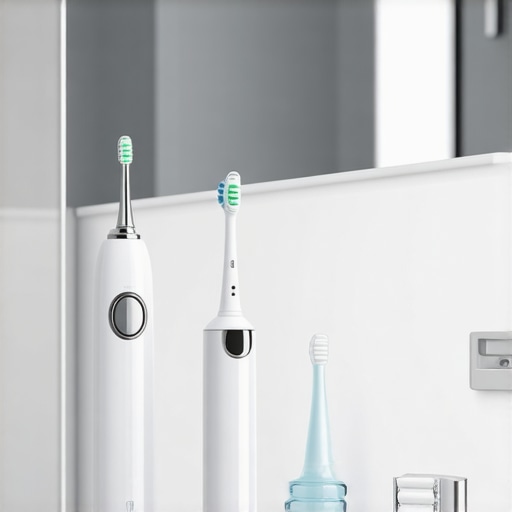
If you have multiple crowns or a bridge, manual flossing can be a literal nightmare. I used to snag the edges of my porcelain constantly, which led to a minor panic every time. That’s why I switched to a high-pressure water flosser. While many discuss the benefit of using a water flosser with your braces, it is equally vital for flushing out bacteria from the margins of a crown. It reaches the tiny crevices where a toothbrush simply cannot penetrate, ensuring that the base of your investment remains rock-solid.
How do I maintain my dental work over time?
Maintenance is less about deep cleaning and more about preventing mechanical fatigue. According to the International Journal of Implant Dentistry, peri-implantitis—the inflammation of the tissue around an implant—is the leading cause of late-stage failure, often triggered by neglected hygiene. To combat this, I personally use a low-abrasive paste. Most ‘whitening’ toothpastes are actually quite gritty and can dull the glaze on your veneers over several years. I stick to a gel-based formula that cleans without scouring the surface. If you’re unsure whether to go the extra mile, consider the future of dental implants and cutting-edge techniques in cosmetic dentistry, which are increasingly focusing on ‘bio-integration’—meaning the cleaner you keep the site, the more your body treats the hardware as part of itself.
Stop Grinding Away Your Life Savings While You Sleep
The most dangerous threat to your new smile isn’t coffee or sugar; it’s stress. I learned this the hard way when I woke up with a tiny chip in a brand-new veneer. Bruxism, or nighttime grinding, can exert up to 250 pounds of pressure on your teeth. If you’ve spent the time and money on a veneers transformation unlocking your best smile yet, a custom-fitted night guard is non-negotiable. It acts as a shock absorber, protecting the porcelain from the ‘clashing’ forces of your jaw. Just make sure you know how to clean your night guard without damaging the material, as a bacteria-laden guard can lead to gum infections right at the crown line.
Looking ahead, I predict we will soon see ‘smart’ crowns and implants embedded with microscopic sensors that can detect pH changes in your saliva, alerting you via smartphone before a cavity even forms. Until then, we have to rely on discipline. My advanced tip for you: Try adding a tiny capful of alcohol-free fluoride rinse directly into your water flosser reservoir once a week. This ‘saline-flush’ method delivers the protective minerals directly into the pockets around your dental implants in 2025 and beyond, creating a chemical barrier against decay. It takes thirty seconds and could save you three thousand dollars in revision surgery down the road.
The Hardest Lesson I Learned While Sitting in the Dentist’s Chair
Looking back on my years of managing restorative work, I’ve realized that the greatest mistake wasn’t the crown falling off—it was my delayed reaction to the warning signs. First, I learned that ‘no pain’ does not mean ‘no problem.’ A loose crown is often painless until the underlying tooth is too decayed to save. Second, I realized that cosmetic dentistry secrets to boost your confidence aren’t just about white teeth; they are about the peace of mind that comes from a stable, reliable bite. Finally, I discovered that every minute you spend on maintenance saves you hours and significant expenses in the emergency chair later on. Trusting your intuition when something feels ‘off’ is your most valuable diagnostic tool.
My Daily Toolkit for Keeping Crowns and Implants Rock-Solid
I’ve curated a few essentials that completely changed my relationship with my oral health and extended the life of my dental work. I swear by a custom-molded night guard, especially since discovering the connection between frequent headaches and grinding your teeth. Protecting the structural integrity of your porcelain from nighttime pressure is non-negotiable. I also recommend keeping a digital folder of your dental X-rays for quick comparison and checking out the latest family dentistry tips for a lifetime of healthy smiles to keep your oral microbiome in balance. If you are ever in doubt about a wiggle or a click, reaching out to the experts through a contact us page for a quick consultation is always better than waiting for a total failure.
Building a Future Where Your Smile Feels Natural Again
Dental work can feel overwhelming, but remember that you are the primary advocate for your own health. Whether you are currently navigating a loose crown or considering the long-term benefits of dental implants, the goal is always a smile that functions as beautifully as it looks in photos. Don’t let a small wiggle become a big regret or a budget-breaking emergency. Take action today by scheduling a check-up, trust your gut when a tooth feels ‘high’ or ‘loose,’ and keep moving toward a healthier, more confident version of yourself. Have you ever felt that tiny ‘click’ in your jaw and wondered if it was a real emergency? Let me know your story in the comments below!