I’ll never forget the first time I walked out of the dentist’s office after a deep cleaning session. I felt like I’d just gone twelve rounds with a heavyweight champion, and my gums were definitely on the losing side. I made the absolute rookie mistake of thinking I could handle a steaming hot cup of coffee on the way home. Big mistake. One sip, and a lightning bolt of sensitivity shot straight to my jaw. It was a visceral reminder that while scaling and root planing are essential for keeping your teeth in your head, the immediate aftermath can be a real bear to manage. If you have ever felt like your mouth was a construction zone after a simple check-up, you know exactly what I’m talking about.
Getting Your Gums Back to Normal Without the Tears
We’ve all been there—or you’re about to be there, which is why you’re reading this. You know the treatment is necessary to stop gum disease in its tracks, but nobody really prepares you for that raw, tenderized feeling once the numbing wears off. I’ve spent years navigating the world of family dentistry and cosmetic tweaks, and if there’s one thing I’ve learned, it’s that the right aftercare makes the difference between a quick recovery and a week of misery. Today, I’m going to show you exactly how to soothe that inflammation, what to avoid eating (seriously, skip the spicy salsa), and how to manage that weird sensation where your teeth feel extra sensitive for a few days. My goal is to get you back to smiling without that constant, nagging throb in your jawline.
Does this procedure actually do anything besides hurt?
It’s a fair question to ask when you’re staring at a bowl of lukewarm soup while your family eats steak. When you’re in pain, you might wonder if the scaling was all worth it. But here’s the reality: according to the American Academy of Periodontology, deep cleanings are the gold standard for treating chronic periodontitis, which affects nearly half of American adults. I once tried to ignore my own gum health, thinking I could just brush harder, but I ended up realizing my toothbrush was actually the culprit for some of my recession. Have you ever felt that intense, localized throbbing after a dental visit and wondered if you should call the office immediately? Reach out to your provider if the pain feels wrong, but most of the time, it’s just your body’s natural response to the deep work. You might even find that your gums throb more when you lay down that first night because of the blood flow to your head. We’re going to dive into the salt-water rinses, the cold compresses, and the specific foods that will be your best friends for the next 48 hours. If you’re worried about more than just a cleaning—maybe you’re looking into cosmetic dentistry secrets—you need a healthy foundation first. If you have questions about your specific recovery, don’t hesitate to contact a professional who can give you a personalized look. Now, let’s get into the nitty-gritty of the healing process.
Salt Water Is Your Secret Weapon Against Swelling
Think of your gums after a deep cleaning like a freshly paved road; they are soft, vulnerable, and need time to set before you start driving heavy traffic over them. The most immediate thing you can do is a warm salt-water rinse. I remember the first time I skipped this, thinking my high-tech mouthwash would be better. I was wrong. The alcohol in the mouthwash felt like liquid fire on my raw gum line. Instead, mix about half a teaspoon of salt into a cup of warm water and gently swish. The saline solution works like a natural astringent, drawing out the excess fluid from your tissues to reduce that ‘heavy’ feeling in your jaw. It also balances the pH of your mouth, making it a hostile environment for the bacteria that cause infection.
Soft Foods Keep You From Aggravating the Site
For the first 24 to 48 hours, your diet dictates your comfort level. You want to avoid anything with small seeds, like strawberries or poppy seeds, which can get lodged in the newly deep-cleaned pockets. Stick to what I call the ‘mashed potato’ diet. I once tried to eat a crusty baguette only six hours after scaling, and it felt like I was chewing on glass. If your teeth feel extra sensitive after a professional cleaning, temperature is your biggest enemy. Lukewarm is the goal. Extreme heat or cold will send a shock through your nerves faster than you can put the fork down. 
Why Cold Drinks Are Off the Table for Now
This sensitivity isn’t permanent, but it is intense because your roots are now exposed to the air and liquid for the first time in years. Even if you are used to it because your porcelain veneers sometimes cause sensitivity to cold drinks, the post-cleaning ache is deeper. It’s like the difference between a paper cut and a deep bruise. Skip the ice cubes and let your water sit at room temperature for a while.
Change How You Brush Until the Tenderness Fades
You might be tempted to skip brushing altogether because you’re afraid of the bleeding, but that’s the worst thing you can do. However, you do need to modify your technique. If you usually use an electric toothbrush, switch to a manual, ultra-soft bristled brush for three days. Apply the ‘feather touch’—if you’re pressing hard enough to bend the bristles, you’re pressing too hard. Using the best way to brush when you have sensitive gums involves small, circular motions right at the gum line, rather than a back-and-forth sawing motion.
Don’t Ignore That Weird Itchy Sensation
About two days in, you might notice the reason your gums feel itchy after a deep cleaning is actually a good sign—it means the blood flow is returning and the tissue is beginning to reattach to the tooth root. It’s exactly like a healing scrape on your arm that gets itchy right before the scab falls off. Resist the urge to poke at it with a toothpick or your fingernail. If you can push through this phase without irritating the tissue, you are setting yourself up for a successful veneers transformation or other cosmetic work later, as healthy gums are the essential foundation for any aesthetic upgrade.
Now that you’ve navigated the immediate post-cleaning recovery, it is time to dig deeper into the long-term reality of maintaining a high-end smile. Most patients assume that getting dental implants or veneers means they are officially immune to the dental woes of the past. It is a common misconception that porcelain and titanium are ‘set it and forget it’ solutions. In my experience, these restorations actually require even more meticulous care than your natural enamel. If you aren’t keeping up with your family dentistry check-ups and letting your gum health slide, you are essentially building a mansion on a swamp. According to a study in the Journal of Clinical Periodontology, the long-term success of any dental restoration is directly proportional to the health of the surrounding soft tissue.
Gums are the Secret Foundation for Every Celebrity Smile
Everyone focuses on the shape and color of the teeth, but the real secret to a natural-looking smile is the ‘emergence profile’—how the tooth comes out of the gum. If your gums are inflamed or receding, even the most expensive veneers transformation will look ‘off.’ This is why that deep cleaning you just had was so vital; it creates the healthy, tight collar of tissue needed for a perfect aesthetic result. If you ignore this foundation, you might start to see why your dental implant is showing a tiny dark line at the base, which is usually a sign of bone loss or gum recession. Have you ever fallen into the trap of prioritizing the ‘look’ of your teeth while ignoring the health of the foundation? Let me know in the comments.
Veneers Should Not Look Like a Row of Piano Keys
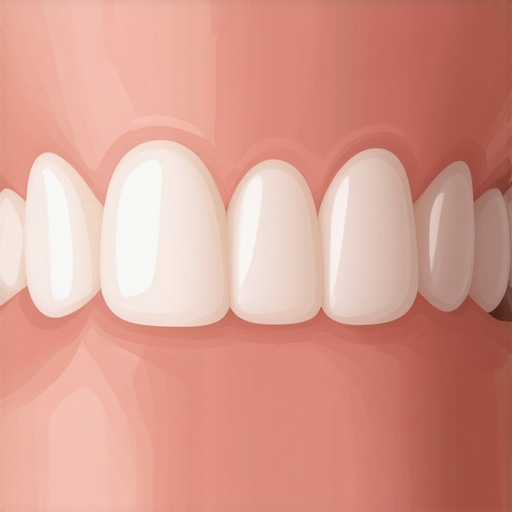
The biggest ‘oops’ factor I see in cosmetic dentistry is the pursuit of an unnatural, blinding white. How to pick the right shade for your new porcelain veneers involves more than just picking the brightest sample in the kit. You have to consider metamerism—which is the reason your veneers look different in sunlight versus indoors. If you go too opaque and too white, you end up with the mistake that makes porcelain veneers look like piano keys. A true expert will select a shade that matches the whites of your eyes and has enough translucency to let light pass through, just like a natural tooth would.
Does the barometric pressure actually affect your dental implants?
Here is a nuance most people never expect: your jaw might actually tell you when a storm is coming. Some patients report that their dental implant feels different when it rains. This isn’t folklore; it’s physics. Barometric pressure changes can affect the density and fluid levels in your bone and sinus cavities, which can put subtle pressure on the titanium post. Additionally, lifestyle choices play a massive role in this sensitivity. The impact of smoking on your dental implant success rate cannot be overstated, as it restricts blood flow to those sensitive healing tissues. If you want to protect your investment and maintain that cosmetic dentistry secrets-level glow, you have to treat your gums with the same respect you give your new teeth.
I’ll be honest with you: once you’ve spent the time and money on a veneers transformation, you can’t treat your teeth like you did in college. I personally made the switch to the Philips Sonicare series specifically for the pressure sensor. Why? Because a common mistake is scrubbing too hard, which leads to recession. If you follow family dentistry tips for a lifetime of healthy smiles, you know that the gum-to-tooth margin is where all the trouble starts.
Stop Destroying Your Gums With the Wrong Brush
I’ve seen people use medium-bristle brushes on porcelain work, and it’s like using a Brillo pad on a Ferrari. You need the softest bristles available to avoid creating those micro-grooves. If you notice why your porcelain veneers feel gritty to your tongue, it might actually be plaque buildup because your brush isn’t reaching the right spots. 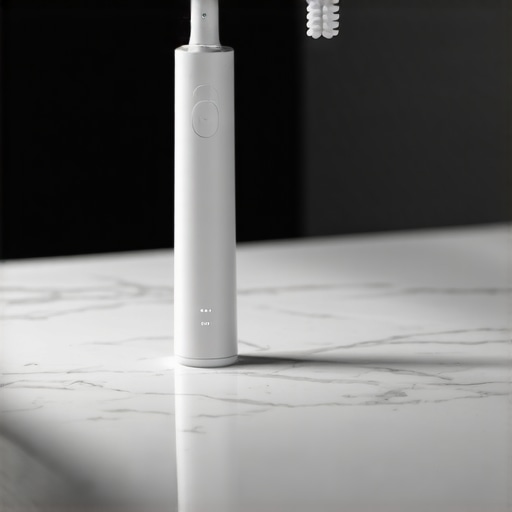
Why I Swear by the Water Flosser
Standard string floss is great for natural teeth, but if you have a bridge or implants, you need something that can flush out the ‘pockets’ without snagging. I recommend the Waterpik Aquarius because it’s much more effective at how to safely clean a dental implant without risking the integrity of the titanium post. I’ve had readers ask why your dental implant feels loose but looks fine, and often it’s because sub-gingival bacteria are causing inflammation that a piece of string just can’t touch.
How can I keep my smile looking perfect for years?
The answer is boring but vital: a custom nightguard. If you have a connection between frequent headaches and grinding your teeth, you are likely ‘bruxing’ at night. This pressure can snap a veneer or loosen an implant over time. It’s the ultimate insurance policy for your mouth. A custom-molded guard from your dentist is miles ahead of the ‘boil and bite’ versions you find at the drugstore. Those cheap versions can actually shift your bite and cause more jaw fatigue. I found that my jaw tension decreased significantly once I invested in a professional-grade guard that was balanced specifically to my occlusion.
Smart Implants Are Closer Than You Think
I’m incredibly excited about where the future of dental implants is headed. We aren’t just talking about better titanium; we’re talking about ‘smart’ abutments. According to a recent study in the Journal of Oral Implantology, researchers are developing sensors that can monitor the pH levels of your gum tissue in real-time. This means your dentist could receive an alert if your implant site shows signs of early infection long before you feel any pain. Try this advanced tip today: swap your alcohol-based mouthwash for a pH-neutral, fluoride-heavy rinse. If you’ve been wondering why your mouth feels dry while wearing clear aligners, the alcohol in your current wash is likely the culprit. It strips away the protective saliva you need to keep your new dental work pristine.
When I first started exploring the world of cosmetic dentistry, I thought the hardest part was the procedure itself. I was wrong. The real challenge is the ‘forever phase’—the years of maintenance that happen long after the numbing wears off. Whether you are recovering from a deep cleaning or planning for dental implants 2025 innovations, your daily routine is what dictates your success.
Three Things No One Tells You About Living With Dental Upgrades
- Sensitivity is a signal, not a failure. Just because your teeth ache slightly after a shift doesn’t mean something is wrong. I’ve learned that your teeth feel extra sensitive after a professional cleaning because the healthy tissue is finally breathing.
- Gums are the true gatekeepers. You can have the most beautiful porcelain in the world, but if you don’t learn how to stop your gums from receding without painful surgery, those restorations won’t last.
- Eating is an art form. Even after the initial recovery period where you learn how long you should really wait to eat after an extraction, you’ll find yourself naturally avoiding ice cubes and hard candy to protect your investment.
The Gear That Keeps My Dental Work Looking Brand New
I don’t just rely on luck to keep my smile bright; I use a very specific set of tools that I recommend to everyone. First, get a high-quality water flosser. It is the only way to reach the areas where your dental bridge feels like it is trapping food without causing trauma. Second, look for a fluoride-rich, non-abrasive paste. If you use something too harsh, you’ll eventually see the real cause of those tiny vertical lines in your teeth is often your own cleaning habits. Finally, I always suggest following expert tips for perfect results, which includes wearing a nightguard to prevent pressure-related damage.
#IMAGE_PLACEHOLDER_E#
The Future of Your Smile Starts With One Good Habit
The journey to a perfect smile isn’t a sprint; it’s a marathon that evolves as your mouth changes. By staying proactive with your family dentistry tips for a lifetime of healthy smiles, you ensure that your oral health remains as vibrant as your aesthetics. Don’t be afraid to ask the ‘silly’ questions during your check-up—those are usually the ones that save your teeth in the long run. Have you ever felt that strange sensation of your dental work feeling ‘too big’ for your mouth? Let me know your experience in the comments below!