I was sitting on my back porch last April, watching a heavy grey shelf of clouds roll over the horizon, when my jaw started ‘talking’ to me. It wasn’t a sharp pain—nothing like the throbbing I remembered from my old root canal days—but rather a weird, heavy pressure right where my titanium post sits. I panicked, of course. I spent three hours that night reading about the red flags that your dental implant is being rejected, convinced that the humidity had somehow triggered a catastrophic failure. I felt like a crazy person. How could a piece of metal in my bone know it was about to pour? But after talking to my dentist and doing some deep digging, I realized I wasn’t losing my implant; I was just experiencing a very real, very physical reaction to the atmosphere. If you’ve ever felt that strange ‘tightness’ or a dull ache when the storm clouds gather, you aren’t imagining it, and you certainly aren’t alone. Today, I want to walk you through exactly why this happens and why it’s actually a sign of how how dental implants reshape your oral health by integrating so closely with your body.
The Morning My Jaw Predicted a Thunderstorm
When I first got my implant, I made the classic mistake of thinking it would be totally inert, like a porcelain vase on a shelf. I didn’t account for the fact that it is living inside my jawbone, surrounded by nerves and tissues that are sensitive to the world around them. When the barometric pressure drops—which happens right before a storm—the air around us literally pushes less against our bodies. This allows our internal tissues to expand slightly. In a normal tooth, you might not notice, but when you have a titanium post, that tiny expansion of the surrounding gum and bone can create a sensation of ‘fullness.’ I’ve noticed that why your dental implant feels heavy in your jaw bone is a common complaint during these pressure shifts.
Is this actually a medical thing or am I just overthinking it?
It’s a valid question. Skeptics might say it’s all in your head, but the science of barometric pressure and its effect on surgical sites is well-documented. According to research often discussed in the Journal of Oral Rehabilitation, atmospheric changes can influence the fluid pressure within our tissues. When that pressure drops externally, the internal pressure in your sinus cavities and jaw can feel amplified. Have you ever felt that strange, dull pressure in your dental work when a big storm is brewing? I’d love to hear if I’m the only ‘human barometer’ in this community.
When the Air Gets Thin Your Nerves Get Chatty
It’s not just the rain; it’s the change in the air itself. Think about how your ears pop on a plane. Your jaw is dealing with those same physics. I remember a particularly cold, damp week where I was convinced I had an infection because the area felt so ‘tight.’ It turns out, why your dental implant area is sensitive to cold weather often boils down to the same pressure-change principles. The metal doesn’t change size, but the living, breathing tissue around it does. It was a huge relief to learn that this is often just a quirk of the technology rather than a sign of a failing procedure. Understanding this ‘weather-sensitive’ nature of our smiles helps us stay calm when the forecast looks grim.
Look for Real Warning Signs Instead of Ghost Pains
The first thing I had to learn during that rainy April was how to perform a self-assessment without spiraling into a Google-induced panic. If your implant feels ‘tight’ during a storm, try a simple bite test. If you can chew normally without sharp stabs, you are likely just feeling atmospheric expansion. However, you need to know the red flags that your dental implant is being rejected, such as visible bone loss or a post that actually moves when touched. Think of your implant like a fence post in the ground; the soil (your bone) might swell when it rains, making the post feel snugger, but the post itself shouldn’t be wobbling in the wind. If the sensation is localized only to the gum line, it might just be that why your dental implant site feels warm during healing or during pressure shifts, which is often a vascular response rather than an infection.
Treat Your Sinuses Like the Upstairs Neighbors
Most people don’t realize that the roots of your upper teeth—and the titanium posts that replace them—sit right below your maxillary sinuses. I remember one particularly humid Tuesday when I was certain my implant was failing. I felt this rhythmic, dull thud every time I took a step. I called my dentist in a cold sweat, only for him to ask if my allergies were acting up. It turns out, when the barometric pressure drops, your sinuses can inflame and press directly down on the implant site. 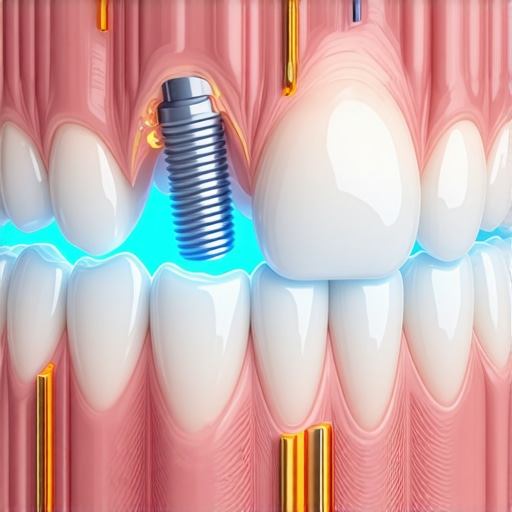 To manage this, I started using a simple saline rinse whenever the forecast called for rain. By clearing the ‘upstairs neighbors’ (the sinuses), you stop them from stomping on the floor of your jaw. This distinction is vital because how to tell if your dental crown is loose or just sensitive often comes down to whether the pressure is coming from the tooth itself or the cavities above it.
Watch for Heat and Persistent Throbbing
While a bit of ‘weather-weight’ is normal, you should never ignore heat. During my research into dental implants 2025 innovations that redefine comfort and durability, I learned that modern materials are designed to be incredibly biocompatible, but they can’t stop an underlying bone infection. If the area feels hot to the touch or if you notice why your dental implant area feels tingly or numb for more than a few hours after the weather stabilizes, that’s your cue to seek professional help. These aren’t just ‘weather quirks’ anymore; they are clinical signals. Using cosmetic dentistry secrets to boost your confidence starts with knowing your hardware is secure. If you stay hydrated and keep your inflammation low with a balanced diet, those ‘human barometer’ moments become a minor curiosity rather than a source of anxiety.
Stop treating your implant like a piece of jewelry
Many people make the mistake of viewing their new smile as a static addition, like a piece of high-end jewelry you never take off. While the materials are top-tier, the reality is far more biological. One of the most common myths I see in forums is the idea that dental implants are ‘invincible’ because they can’t get cavities. This line of thinking is a dangerous trap. While the porcelain crown won’t decay, the living foundation around it is actually more vulnerable to inflammation than a natural tooth. In my experience, patients who adopt a ‘set it and forget it’ attitude are the ones who eventually notice why your dental implant is showing a tiny dark line at the gum line, which is often a sign of tissue recession or bone loss. Your hardware is only as good as the soil it’s planted in. A study published in the Journal of Periodontology found that nearly 1 in 5 implant patients may experience peri-implantitis—the implant equivalent of gum disease—if they neglect specialized hygiene.
Why does my jaw feel tightest before I even get out of bed?
It’s easy to blame the morning fog or a rainy forecast, but if you notice that why your dental implant feels tight when you wake up is a recurring theme, you might be dealing with ‘nocturnal bruxism’ (teeth grinding). When you clench your teeth at night, you aren’t just putting pressure on the crown; you are sending micro-shocks through that titanium post directly into your jawbone. Unlike natural teeth, which have a periodontal ligament that acts as a shock absorber, an implant is ‘ankylosed’ or fused directly to the bone. This means it has zero ‘give.’ That tightness isn’t always the weather; it’s often your body’s way of saying the hardware is under mechanical stress.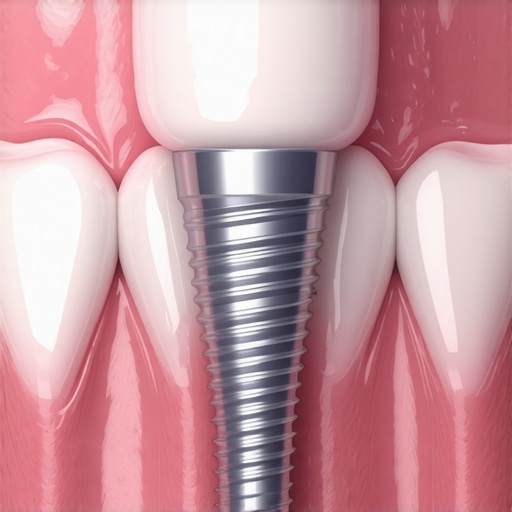
Spot the difference between a weather quirk and a clinical failure
The nuance of implant care is knowing when to relax and when to run to the clinic. If the sensation of ‘heaviness’ disappears once the sun comes out, you’re likely just sensitive to barometric shifts. However, the real ‘oops’ factor occurs when patients ignore persistent changes because they’ve been told implants are permanent. You must be aware of how lifestyle choices, such as the impact of smoking on your dental implant success rate, can secretly compromise the blood flow to the bone, making those weather-related aches feel more intense and long-lasting. If you start seeing more of the metal post or if the ‘tightness’ turns into a localized throb that doesn’t respond to anti-inflammatories, it’s no longer an atmospheric issue. Transitioning from basic care to advanced maintenance is one of the best cosmetic dentistry secrets to boost your confidence, as it ensures your investment doesn’t just look good but stays biologically sound. Have you ever fallen into the trap of thinking your implant was invincible? Let me know in the comments.After my weather-induced scare, I realized I could no longer just ‘wing it’ with a standard drugstore toothbrush. If you have invested in your smile, you need to treat it like a high-performance machine, not a generic appliance. The first major shift in my routine was ditching traditional string floss for a high-pressure cordless water flosser. I made this switch because manual string often shreds against the microscopic interface where the porcelain meets the metal post, potentially leaving behind fibers that harbor bacteria. Clinical evidence suggests that the benefit of using a water flosser with your braces translates perfectly to dental implants and bridges; it flushes the peri-implant sulcus—that tiny pocket of space between the gum and the hardware—more effectively than any other tool I’ve tried.
Stop scrubbing and start protecting your gum line
For years, I was a ‘scrubber,’ thinking harder pressure meant cleaner teeth. That habit is a fast track to aesthetic disaster. I finally invested in a sonic toothbrush with a built-in pressure sensor that flashes red when I’m too aggressive. This was a game-changer because the signs your receding gums are caused by your toothbrush are often invisible until the metal of your implant begins to shadow through the tissue. By letting the vibrations do the work, I’ve kept my tissue healthy and avoided the dreaded dark lines that ruin a cosmetic result.
How do I maintain my dental restoration for the long haul?
Consistency is your only real insurance policy. Every six months, I specifically request ‘Guided Biofilm Therapy’ (GBT) during my checkup. According to technical protocols from the Swiss Dental Academy, this process uses a specialized erythritol powder spray (Airflow technology) to remove biofilm without the abrasive scratching of traditional metal scalers. It’s a specialized approach that keeps the porcelain smooth and the titanium untarnished. Even if you worry about why your teeth feel extra sensitive after a professional cleaning, this targeted air-polishing method is significantly more comfortable and preserves the longevity of your crowns. 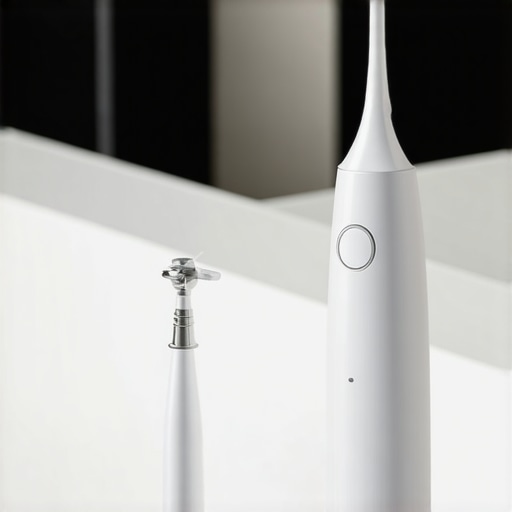
Smart sensors and the next decade of cosmetic dentistry
Looking ahead, the way we maintain our smiles is about to get much more technical. I predict that within the next few years, we will see ‘Bio-sensing’ crowns—restorations with embedded microscopic sensors that monitor the pH levels and bacterial load around the implant site. We are already seeing the future of dental implants cutting-edge techniques in cosmetic dentistry move toward these smart materials that communicate directly with our smartphones. Until that tech hits the mainstream, sticking to the fundamentals of family dentistry tips for a lifetime of healthy smiles is your best bet. If you want to keep your smile bright, you must also learn how to maintain your white smile after a coffee habit by using non-abrasive whitening methods that won’t etch your veneers. My best advice? Buy a water flosser today and use it tonight—it is the single most effective way to ensure those weather-related aches don’t turn into clinical failures.
What Experts Usually Forget to Mention About Living With Titanium
Reflecting on my own journey, the biggest lightbulb moment wasn’t about the surgery itself, but about the relationship I developed with my own body. First, I learned that a dental implant is not just a replacement part; it’s a biological collaboration. You have to listen to the ‘chatter’ of your jaw without panic. Second, the mental shift from seeing an implant as a fixed object to seeing it as part of your living anatomy is crucial. Finally, I realized that modern cutting-edge techniques in cosmetic dentistry have made these devices incredibly durable, but they still require an active caretaker—you.
The Daily Toolkit That Protected My Investment
If you want to move past the anxiety of ‘weather pains,’ you need the right gear. I personally swear by three things. First, a high-quality water flosser is non-negotiable; it reaches the gaps where bacteria hide better than any string. Second, I recommend a sonic toothbrush with a pressure sensor to ensure you aren’t damaging the delicate tissue around your crown. Third, I always keep a bottle of saline nasal spray handy to keep my sinuses from putting pressure on my upper jaw during allergy season. These family dentistry tips for a lifetime of healthy smiles are simple, but they are the difference between a restoration that lasts ten years and one that lasts a lifetime.
Your Future With a Worry-Free Smile Starts Now
It is completely normal to feel a little protective or even nervous about your new smile. But remember, you’ve already done the hard part by choosing to restore your health. By staying proactive and using cosmetic dentistry secrets to boost your confidence, you can stop fearing the forecast and start enjoying the functionality of your teeth again. Whether it’s rain, snow, or a sudden drop in pressure, your dental implants are built to handle the world—as long as you handle the maintenance. Have you ever felt that strange pressure or tightness in your jaw when a storm is brewing? Let me know your story in the comments below!