There I was, leaning in for a group photo at my sister’s wedding rehearsal dinner, holding a glass of beautiful, dark Cabernet. I felt confident. I felt sophisticated. Then I saw the preview on her phone. My smile looked like I’d just finished a bowl of blueberry dye. It wasn’t just a slight tint; it was a full-on gothic transformation that nobody asked for. I panicked. I ran to the bathroom and made the classic rookie mistake: I grabbed a rough paper towel and tried to ‘exfoliate’ my teeth. Bad move. Not only did my gums start screaming, but I actually pushed the pigment deeper into the microscopic pores of my enamel. I realized right then that my ‘quick fix’ was actually a recipe for long-term sensitivity.
Placeholder
Stop the Scrubbing Before You Do Real Damage
We’ve all been there. You look in the mirror mid-party and realize your pearly whites have turned a murky shade of violet. It’s embarrassing, especially when you’ve invested time into cosmetic dentistry secrets to boost your confidence. The instinct is to brush immediately or, worse, use something abrasive. I once thought using a heavy-duty whitening paste right after drinking was the answer, but the danger of using baking soda to whiten your teeth at home is that wine makes your enamel temporarily soft. Scrubbing while your mouth is acidic is like sanding down a wet piece of wood—you’re just stripping away the protection. I learned the hard way that the ‘purples’ aren’t just on the surface; they are a chemical reaction happening in real-time.
Is my enamel just naturally prone to these deep stains?
You might be wondering if your teeth are uniquely porous or if you’re just cursed with a smile that absorbs everything. The truth is, red wine is a triple threat: it has intense pigments known as chromogens, high acidity that roughens the surface, and tannins that act as a binder. According to research from the American Chemical Society, the acidity in wine creates ‘micro-pitting’ on the tooth surface, which allows those pigments to latch on much faster than they would otherwise. It’s the same frustration people feel when figuring out how to keep your teeth white while drinking black coffee daily. Today, I’m going to share my ‘Neighborly Secret’ to neutralizing that purple haze in seconds. No harsh chemicals, no bleeding gums—just a few simple tricks I’ve learned from years of trial, error, and way too many glasses of Malbec. Have you ever had to hide your smile in a photo because of wine teeth? Contact us and tell me your worst holiday party story, because trust me, I’ve seen it all.
Build a Protein Barrier Before Your First Sip
I remember a holiday gala where the hors d’oeuvres were being passed around right as the heavy reds were being poured. I instinctively reached for a slice of aged cheddar before I even touched my glass. My friends thought I was just hungry, but I was actually deploying my best defense. Think of your enamel like a porous stone; if you coat it with a little healthy fat and protein first, the wine pigments can’t find a place to land. Hard cheeses are particularly effective because they contain calcium and stimulate saliva flow, which helps neutralize the very acids that make your teeth vulnerable. It’s a natural way to protect your investment if you’ve recently looked into the safest way to whiten teeth with sensitive enamel. By creating this ‘waxy’ barrier, you’re essentially preventing the chromogens in the wine from sticking to your teeth in the first place. 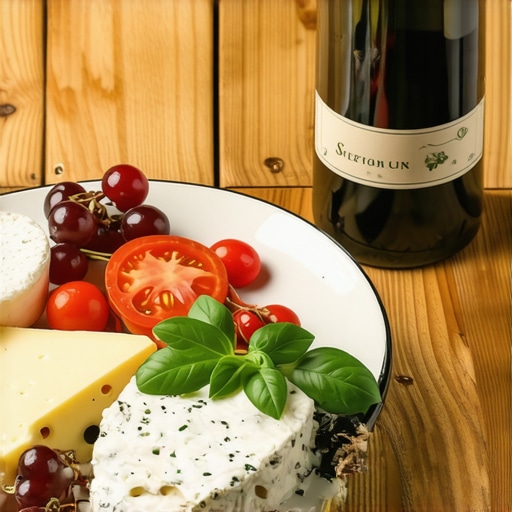
Rinse with Sparkles to Break the Bond
Every time you take a sip of wine, follow it up with a swish of sparkling water. This isn’t just about staying hydrated; the carbonation works like a gentle, non-abrasive scrub. While still wine sits on the surface, the bubbles in seltzer help physically dislodge the tannins before they have a chance to dry and set. I’ve made it a habit to keep a glass of Pellegrino right next to my Malbec. I call it the ‘swish and swallow’ technique. It keeps the pH of your mouth from dipping too low, which is crucial for family dentistry tips for a lifetime of healthy smiles. If you let that acidity linger, you’re just opening the door for deeper staining. This simple cycle of wine-then-water prevents the pigment from building up layer after layer. If you’ve ever wondered why your teeth look darker in certain lighting conditions, it’s often because those micro-layers of pigment are absorbing the light rather than reflecting it.
Crunch Your Way to a Brighter Smile
If you find yourself at a dinner party and notice your smile starting to dim, look for the crudité platter. Fibrous vegetables like celery, carrots, and even raw broccoli act as ‘nature’s toothbrushes.’ I once spent an entire wedding reception snacking on carrot sticks between glasses of Pinot Noir just to keep my teeth presentable for the late-night photos. The mechanical action of chewing these high-fiber foods actually wipes away surface stains before they can bond. It’s remarkably similar to how to maintain your white smile after a coffee habit. The goal is to keep things moving. Static pigment is your enemy. By eating these crunchy foods, you are manually disrupting the biofilm where the wine likes to hide. This is a much safer alternative to running to the bathroom and scrubbing with a paper towel, which I’ve already warned can lead to long-term sensitivity and enamel wear.
Don’t Assume Your Porcelain Is Immune to Stains
Everyone tells you that once you upgrade your smile, you are effectively immune to the dreaded ‘purple haze.’ But in my experience, that’s a dangerous oversimplification that leads to expensive mistakes. While it is true that the ceramic surface itself is non-porous, the real vulnerability lies in the architecture of the restoration. I have seen countless patients who invested in a high-end transformation only to notice a dark, shadowy ring developing around the edges of their teeth. This happens because the margin—the microscopic interface where the restoration meets your natural tooth—is where the bonding resin lives. Unlike porcelain, this resin can and will absorb pigments if you aren’t vigilant. The truth about the durability of composite vs porcelain veneers is that while the porcelain won’t stain, the ‘glue’ holding it on certainly can. If you let red wine sit in those margins, you are essentially dyeing the foundation of your smile. This subtle discoloration is often the reason your veneers look different in sunlight; the edge absorbs light differently once it’s been compromised by tannins. 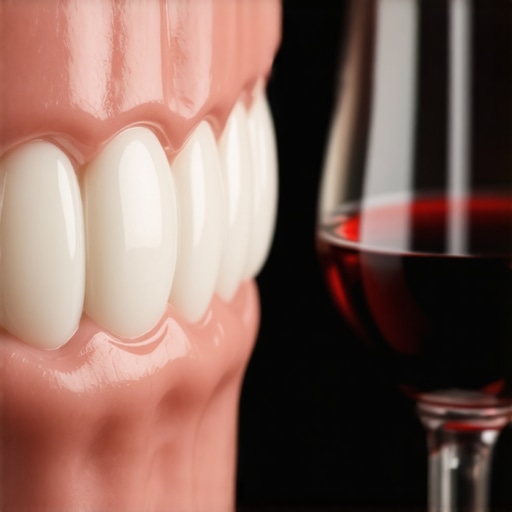
The Hidden Trap Waiting at the Gum Line
One of the biggest ‘oops’ factors I encounter is the impulse to use over-the-counter whitening strips or abrasive ‘polishing’ kits on cosmetic work. It is a total trap. Natural teeth respond to peroxide, but porcelain and dental implants do not. If you try to bleach a wine stain off a veneer, you are actually just dehydrating your natural teeth nearby, making the color mismatch even more obvious. Even worse, using something like a charcoal scrub can micro-scratch the factory-applied glaze on your porcelain. Once that glaze is gone, your ‘stain-proof’ teeth become magnets for every drop of Cabernet you drink. This loss of smoothness is also why your porcelain veneers feel gritty to your tongue after a few years of improper care.
Does red wine pose a long-term threat to your dental implants?
Many people believe that because an implant is made of titanium and ceramic, it is indestructible. However, red wine’s high acidity can contribute to ‘peri-implantitis’ if it isn’t managed. The acidity can irritate the gum tissue around the post, causing slight recession. When the gum line moves even a fraction of a millimeter, it can expose the metal abutment, which is why your dental implant is showing a tiny dark line at the base. A 2021 study published in the Journal of Prosthetic Dentistry confirms that marginal integrity is the number one predictor of aesthetic longevity in cosmetic cases; once pigments infiltrate that seal, the ‘fix’ often requires a full replacement rather than a simple cleaning.
Pick the Right Shade for Realistic Protection
When you are initially undergoing a veneers transformation unlocking your best smile yet, there is a temptation to go for the whitest shade available. But the most advanced practitioners know that slightly more translucent shades actually hide minor staining better than ‘refrigerator white’ opaque options. This is a crucial part of how to pick the right shade for your new porcelain veneers. If you choose a shade that is too opaque, any tiny amount of wine pigment at the margin will stand out like a sore thumb. Have you ever fallen into this trap and noticed your dental work changing color over time? Let me know in the comments, or contact us to discuss how we can restore that factory-fresh finish to your smile.
Upgrade Your Toolkit for That Just Finished Look
I’ve realized that keeping a smile looking like it cost ten thousand dollars requires more than a ninety-nine-cent toothbrush. If you’re still using a manual brush on your veneers or implants, you’re playing a dangerous game with your investment. I personally switched to a sonic toothbrush with a built-in pressure sensor because I realized I was a ‘heavy-handed’ brusher. That extra pressure is often why your gums are sore after getting a new dental crown. The sensor flashes red if I push too hard, protecting the delicate porcelain glaze from micro-scratches. This kind of precision is the cornerstone of family dentistry tips for a lifetime of healthy smiles. It isn’t about scrubbing harder; it’s about cleaning smarter.
Why I Swear by Water Flossing for My High-End Dental Work
When you have restorations, the traditional string floss doesn’t always reach the tiny nooks where wine tannins hide. I started using a water flosser twice a day, and the difference in my gum health was immediate. While most people think the benefit of using a water flosser with your braces is the primary use case, it is actually essential for anyone with a bridge or implants. The pressurized stream flushes out the ‘biofilm’ that leads to staining at the margins. According to a 2022 report in the International Journal of Oral & Maxillofacial Implants, non-abrasive maintenance is critical for preventing the degradation of the implant-abutment connection. If you neglect this, you’ll eventually find yourself wondering why your dental implant is showing a tiny dark line at the base.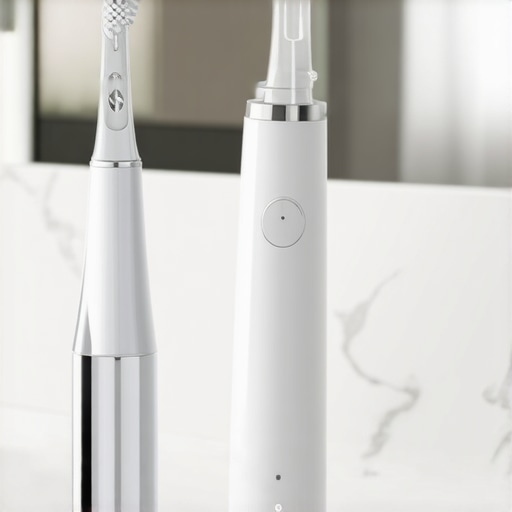
How do I maintain my cosmetic dental work over the next decade?
Longevity is the name of the game. Beyond the tools at home, you need to ensure you aren’t grinding your teeth at night. I use a custom-fitted night guard every single night. It’s the ultimate insurance policy for dental implants 2025 innovations that redefine comfort and durability. Without a guard, the sheer force of your jaw can cause micro-fractures in the porcelain that you won’t see until a massive stain develops in the crack. It’s a small price to pay to keep your veneers transformation unlocking your best smile yet looking as fresh as day one.
Look Into the Crystal Ball of Digital Smile Care
Looking ahead, I predict we are moving toward ‘smart’ oral health monitoring where your toothbrush syncs with your dentist’s office to flag early signs of acidity or enamel wear before you even notice a stain. This is a huge part of the future of dental implants cutting edge techniques in cosmetic dentistry. We are shifting from fixing problems to preventing them entirely with data. My advice? Don’t wait for the technology to catch up. Try switching to a pH-neutral oral rinse tonight—it’s the easiest way to stop the ‘purple haze’ before it starts. If you’re worried about how your current routine is affecting your dental work, contact us and let’s get your maintenance plan back on track.
Lessons from the Bottom of a Cabernet Glass
If there is one thing I’ve realized after years of managing a high-end smile, it’s that the best defense isn’t a chemical—it’s a habit. I spent years obsessing over the truth about the durability of composite vs porcelain veneers, only to realize that even the best porcelain needs a smart owner. First, never underestimate the power of a “white wine chaser.” Drinking a glass of water isn’t just about hydration; it’s about mechanical rinsing that physically prevents tannins from settling. Second, skip the DIY whitening hacks. I’ve seen people destroy their enamel trying to fix a temporary stain, and the cost of repair far outweighs the cost of professional maintenance. Finally, remember that your smile is dynamic. Noticing why your teeth look darker in certain lighting conditions is often your first warning sign to step up your routine before the pigment sets permanently into the bonding agents.
The Gear I Actually Use Every Single Night
I don’t leave my dental health to chance, especially when I’ve invested in cosmetic dentistry secrets to boost your confidence. My daily toolkit includes a high-end electric toothbrush with a pressure sensor to avoid that “scoured” look that can happen with manual brushing. I also rely on a water flosser because it is the only way to truly clean the interface between my restorations and my gums. This is vital to prevent the issues that lead to why your dental implant is showing a tiny dark line. #IMAGE_PLACEHOLDER_E# I also keep a bottle of pH-balanced mouthwash on my nightstand; it helps reset the oral environment after a night out, ensuring my enamel stays hard and resistant to future stains. These family dentistry tips for a lifetime of healthy smiles aren’t just for kids; they are the foundation for any adult with high-end cosmetic work.
Protect the Investment That Changes Your Life
At the end of the day, your smile is one of the most powerful tools you have for self-expression. Whether you are navigating a veneers transformation unlocking your best smile yet or just trying to maintain your natural luster, the goal is to feel free to enjoy life’s celebrations without worry. Red wine should be enjoyed, not feared. By integrating these small, non-abrasive habits into your life, you are ensuring that your dental work remains as bright and vibrant as the day it was installed. You deserve a smile that reflects your confidence, not your dinner. Have you ever noticed your dental work changing shade after a few months of coffee or wine? Let me know your experience in the comments below!