I’ll never forget the first morning I decided to join the ‘electric revolution.’ I had just dropped a fair bit of cash on a top-of-the-line oscillating brush, expecting my teeth to feel like they’d been professionally detailed. Instead, thirty seconds in, the sink looked like a scene from a low-budget horror flick. My gums weren’t just pink; they were angry. It felt like I’d failed at the simplest task: brushing my teeth. If you’ve just made the switch and find yourself wondering how to tell if your gums are healthy after seeing red in the sink, you are not alone. I’ve been there, panicked, and eventually figured out the trick to making peace with the motor. Today, I want to walk you through exactly why your mouth is reacting this way and how you can transition to high-tech cleaning without the mess.
Stop the Sink from Turning Red During Your Morning Routine
The first thing you need to know is that your gums are likely undergoing a bit of ‘remodeling’ phase. When I first started, I made the classic mistake of treating my electric brush like a manual one. I scrubbed. I pushed. I basically tried to power-wash my enamel. If you’ve noticed why your gums are bleeding even after you thought you were doing everything right, it’s usually not the brush—it’s the operator. Manual brushing relies on your arm strength and broad strokes, but electric brushes use thousands of micro-vibrations or oscillations to do the work for you. When you combine that new power with your old ‘scrubbing’ habit, you’re essentially sandblasting your delicate gum tissue. This is especially true if you already have a history of family dentistry visits for sensitivity. Your gums aren’t used to that level of stimulation, and they react by becoming inflamed. Even if you aren’t sure why your gums look receding, the sudden mechanical friction can aggravate areas that were already slightly compromised.
Is this expensive vibrating stick actually worth the trouble?
It’s a valid question. Why spend eighty dollars to bleed when a two-dollar manual brush worked fine? According to a study by the Cochrane Library, electric toothbrushes can reduce plaque by 21% more than manual brushes after three months of use. The ‘hype’ is backed by science, but the learning curve is real. I nearly threw mine in the trash after day three, but then I realized the problem was my technique, not the technology. Have you ever felt like you were actually hurting your mouth while trying to help it? It’s a frustrating spot to be in. If you’ve found why your gums are receding even though you use a soft toothbrush, you might be surprised to learn that even ‘gentle’ electric settings can be too much if you’re applying too much pressure. We’re going to look at the ‘hover’ technique that saved my gums—and my sink—from that daily crimson splash.I learned the hard way that an electric toothbrush isn’t just a manual brush on steroids; it’s a precision instrument. Think of a manual brush like a rake—you need to physically move it across the lawn to gather leaves. An electric brush is more like a high-end floor polisher. If you push a polisher into the floor, you’ll ruin the wood. You just have to guide it.
Stop Scrubbing and Start Guiding
The ‘hover’ technique is the secret sauce. Instead of moving the brush back and forth in a sawing motion, place the bristles at a 45-degree angle toward your gum line and just wait. Let the motor do the 30,000 strokes per minute for you. When I first tried this, I felt like I wasn’t doing anything. I was so used to the physical exertion of manual brushing that sitting still felt like cheating. But when I checked the mirror, the plaque was gone without any of the usual soreness. If you still feel some irritation from the transition, you might need to learn how to soothe your gums after a deep cleaning session to give them a break while you perfect your grip.
Let the Pressure Sensor Be Your Guide
If your brush has a light that flashes red when you press too hard, treat it like a stop sign. In my second week of the switch, I kept triggering that red light. I realized I was subconsciously clenching my jaw. This kind of tension can actually make why your veneers feel tight when you wake up in the morning more noticeable or cause general discomfort. Loosen your grip. You should hold the brush with your fingertips, not a fist. This ensures you aren’t transferring all that arm power into your sensitive tissue.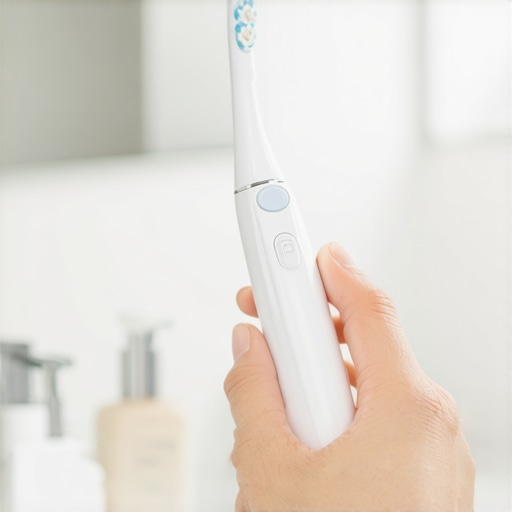
Divide Your Mouth into Four Zones
Most high-quality electric brushes have a built-in ‘pacer.’ It stutters or vibrates differently every 30 seconds. This is your cue to move to the next quadrant of your mouth. I used to spend two minutes just on my front teeth because they’re the ‘money makers’ for a bright smile, but that focus often leads to why your gums look receding even if you have good hygiene. You’re over-cleaning one spot and neglecting the back molars. Spend 30 seconds on the top right, top left, bottom right, and bottom left. This balanced approach is one of the best family dentistry tips for a lifetime of healthy smiles because it prevents localized wear and tear.
Watch Out for Frayed Bristles
You have to swap the heads out every three months, no exceptions. Frayed bristles become sharp and jagged at a microscopic level. They stop cleaning effectively and start scratching. If you have any restorative work, you have to be even more careful to know how to safely clean a dental implant without scratching the post or avoiding the mistake that makes porcelain veneers look like piano keys by being too aggressive with worn-out hardware. I once went six months without changing a head, and my gums started bleeding again. I thought I had developed a new problem, but it was just ‘bristle fatigue.’
Transitioning with Cosmetic Work
If you’ve invested in your look, you might be nervous. Using an electric brush on enhancements is actually highly recommended because it removes more stain-causing bacteria. Whether you’re checking out cosmetic dentistry secrets to boost your confidence or maintaining a new set of crowns, the goal is the same: clean the margins where the tooth meets the gum without damaging the material.Many people assume that once they achieve a veneers transformation, they can slack off on their hygiene because ‘porcelain cannot get cavities.’ This is a dangerous myth that I see catch people off guard all the time. While the ceramic material itself is immune to decay, the junction where the restoration meets your natural tooth—the margin—is actually more vulnerable than ever. If you stop being diligent with your electric brush technique, you will eventually find yourself researching veneers vs crowns to fix the decay that developed underneath your investment. In my experience, patients who treat their cosmetic work as ‘bulletproof’ are the ones who end up back in the chair the soonest. According to a long-term study published in the Journal of Oral Rehabilitation, the survival rate of restorations depends more on the health of the supporting tissues than the material used. 
The Whitening Paste Trap Most People Fall Into
The most common ‘oops’ factor I encounter is the use of highly abrasive whitening toothpastes on expensive dental work. It seems logical—you want to keep your new smile bright—but many over-the-counter whitening pastes contain silica or other grit that acts like sandpaper on porcelain and composite. This creates microscopic scratches that actually trap stains more easily over time, leading to the mistake that makes porcelain veneers look like piano keys. Instead of polishing, you are essentially stripping the protective glaze. If you notice why your new veneers feel bulky against your lips or look duller after a few months, your ‘deep cleaning’ paste might be the culprit.
Why does my dental implant feel like a stranger in my jaw?
It is a sophisticated question that often bothers those moving into the future of dental implants. Unlike natural teeth, which are suspended by a flexible periodontal ligament, implants are fused directly to the bone. This lack of a ‘shock absorber’ is why your dental implant crown is shaped differently than your natural tooth. It does not have the same sensory feedback, so you might feel like your bite is ‘off’ or that the tooth is harder than the others. This is also why how dental implants reshape your oral health involves a recalibration of how you chew. If you press too hard with that electric brush on an implant, you won’t feel the warning signs as quickly as you would with a natural tooth. You have to be even more precise when you safely clean a dental implant without scratching the post to avoid peri-implantitis, a condition that can lead to bone loss. Have you ever fallen into the trap of thinking an implant meant you could relax your routine? Let me know in the comments.Once you have mastered the electric brush, it is time to talk about the heavy machinery. I am a huge advocate for the Waterpik Aquarius WP-660. I do not just like it because it looks good on the counter; I like it because the pressure settings are actually calibrated to human tissue. If you have wondered why your gums bleed only when you use a water flosser, it is usually because you have cranked the dial to 10 on day one. Start at a 2 or 3. This is vital for those with a recent veneers transformation because it flushes out the bacterial colonies at the margin without the friction of traditional string floss, which can sometimes catch on the edges of older restorations.
How do I keep my dental work looking fresh for decades?
Long-term success is not about a single hero product; it is about the synergy between your home care and professional checkups. I follow the biomimetic philosophy pioneered by experts like Dr. Pascal Magne, who emphasizes that the goal of modern dentistry is to mimic the natural properties of a tooth. This means avoiding anything that stresses the bond between your restoration and your tooth. For instance, I completely stopped using standard hard picks. Instead, I use GUM Soft-Picks. They are rubberized and will not scratch the metal of a post when you safely clean a dental implant without scratching the post. 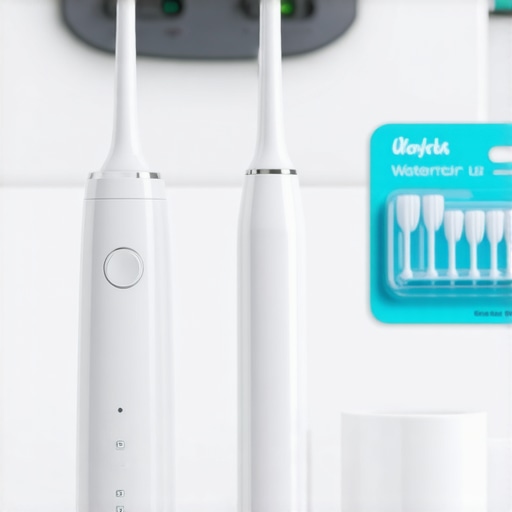 I predict that by 2030, we will not be guessing if our cleaning is effective. We are already seeing dental implants 2025 innovations that hint at smart crowns equipped with sensors that alert your phone if they detect an acidic environment or bacterial buildup. This is how dental implants reshape your oral health by becoming active participants in your wellness rather than just passive hardware. In the world of family dentistry, the biggest shift is moving from repair to preservation. We used to wait for things to break; now we use technology to ensure they never do. My challenge for you this week: flip your toothbrush over and check the bristles. If they look like a flared-out peacock tail, go buy a replacement head today. It is the simplest way to protect your investment without spending a fortune.
What I Learned the Hard Way About Modern Dental Care
After years of trial and error, I’ve realized that the most expensive brush in the world is useless if you treat it like a scrub brush. My biggest ‘aha’ moment came when I stopped trying to control the brush and started letting it control the cleaning. Pressure is the enemy of both natural enamel and delicate dental work. If you’re constantly fighting with your gums, you might need to check if your routine is moving too fast for your tissues to adapt. This realization changed my approach from aggression to precision.
Another insight: technology is a supplement, not a replacement. Even with the best cosmetic dentistry secrets to boost your confidence, the heavy lifting happens in your bathroom every morning. I used to think my veneers were a ‘set it and forget it’ solution, but I soon learned that the margins require more attention, not less, to avoid the mistake that makes porcelain veneers look like piano keys. You have to be the guardian of your own results.
The Gear That Actually Saved My Gums
If you’re serious about your oral health, these are the tools I keep in my cabinet. First, the Waterpik Aquarius WP-660. It is a game-changer for anyone who finds string floss tedious or painful, providing a deep clean without the friction. I also swear by GUM Soft-Picks for those midday moments when you’re on the go and need to safely clean a dental implant without scratching the post. Finally, I highly recommend reading up on family dentistry tips for a lifetime of healthy smiles to understand the ‘why’ behind the ‘how’. These tools aren’t just gadgets; they are your frontline defense against decay.
Your Next Step Toward a Lifetime of Confidence
The journey to a perfect smile doesn’t end when you leave the dentist’s office. Whether you are maintaining a recent transform your smile with veneers or you are just starting to look into how dental implants reshape your oral health, the power is literally in your hands. Don’t be afraid of the learning curve or the initial sensitivity. Your gums will thank you, your smile will last longer, and you’ll finally stop dreading the sight of red in the sink. You’ve got this.
Have you made the switch to an electric brush yet, or are you still loyal to the manual way? Let me know your biggest struggle in the comments below!