I spent years believing that if my gums didn’t bleed when I flossed, I was in the clear. Then, one morning while getting ready for a coffee date, I caught a glimpse of my reflection under the harsh bathroom vanity lights. I saw it—a distinct, jagged little line where my gum used to sit much higher. My heart sank. I immediately thought I was headed straight for painful gum disease treatments or, worse, that I was losing my teeth. But here’s the thing: my dentist told me my gums were actually in great shape. No infection, no swelling, just… less gum than before. It was a total lightbulb moment for me. I realized that keeping your teeth clean is only half the battle. If you’ve been looking at your reflection and worrying about the same thing, I’ve got some good news for you. We’re going to figure out exactly why this is happening and how to keep your smile intact without the panic.
Stop Blaming Bacteria for Every Gum Problem
It turns out, you can have a “clean” mouth and still deal with a shrinking smile. I made the classic mistake of thinking more pressure meant more clean. Back in the day, I’d buy the “Firm” bristles because I thought I was doing a better job at scrubbing away stains. I was basically taking a sandpaper approach to my mouth. That aggressive cleaning is a huge reason why your gums look like they are receding even when you’re a hygiene superstar. Today, we are going to look at why this happens and how you can stop the process before you end up needing more intensive cosmetic dentistry or even dental implants down the road. We’re going to solve the mystery of “non-disease” recession and get your confidence back. Sometimes the things we do to protect our teeth are the very things causing the most damage.
Is my smile actually ruined for good?
It’s easy to feel skeptical or even a bit defeated, thinking that your teeth are just destined to look “long” as you age. I certainly felt that way. I thought, “Is this just the beginning of the end?” But recession isn’t always a mandatory part of getting older; it’s usually a reaction to a physical habit or a mechanical stressor you haven’t noticed yet. I actually learned the hard way that how your gums look in terms of color can tell you if you’re dealing with inflammation or just mechanical wear. According to the American Dental Association, “traumatic toothbrushing” or “occlusal trauma” (which is just a fancy way of saying your teeth hit together too hard) are leading causes of localized recession in people with excellent oral hygiene. Have you ever noticed your teeth feeling a bit more sensitive after a deep clean? Or maybe you’ve spotted a tiny notch near the gum line? Drop a comment below if you’ve ever felt like you were doing everything “right” but still saw your gums backing away. It’s a frustrating spot to be in, but once you identify the physical triggers—like uneven jaw pressure or a bad brushing technique—you can finally breathe a sigh of relief. In the next section, we’ll look at the specific habits that cause this and how a few simple changes can save your smile without needing a family dentistry intervention every six months.
Ditch the Scrubbing Brush for Something Softer
I once spent twenty minutes scrubbing a coffee stain off my front tooth with a hard-bristled brush, only to find that my tooth felt ‘raw’ for a week. I thought I was being thorough, but I was actually destroying the delicate tissue that keeps my teeth in place. You have to realize that your gums aren’t like a dirty floor that needs a heavy-duty scourer; they are more like silk. If you use too much force, they tear and retreat. The first thing you need to do is switch to a soft or extra-soft toothbrush. It sounds counterintuitive if you want that ‘squeaky clean’ feel, but soft bristles are actually better at reaching under the gum line because they flex. If you’ve noticed that why your gums bleed only when you use a specific toothbrush, it is almost certainly a sign that the bristles are too stiff for your anatomy. Soft bristles allow you to clean the ‘sulcus’—the tiny pocket between the tooth and gum—without causing the tissue to shrink back in self-defense.
Hold Your Toothbrush Like a Pencil Not a Hammer
Most of us are guilty of the ‘fisted’ grip. We grab the brush like we’re about to hammer a nail, which naturally translates to way too much pressure. My dentist gave me a tip that changed everything: hold your brush with just your fingertips, as if you were holding a pencil. This simple shift in physics makes it nearly impossible to exert the kind of force that leads to mechanical recession. You also want to aim for a 45-degree angle toward the gum line. Instead of a back-and-forth sawing motion, use tiny, circular vibrations. This gently wiggles the bristles into the gaps without sawing away at the tooth’s neck. I noticed that after a few weeks of this, the reason your teeth feel sensitive after a professional cleaning started to make more sense to me—it wasn’t the cleaning itself that hurt, but the fact that my previous aggressive habits had left my roots exposed and vulnerable. 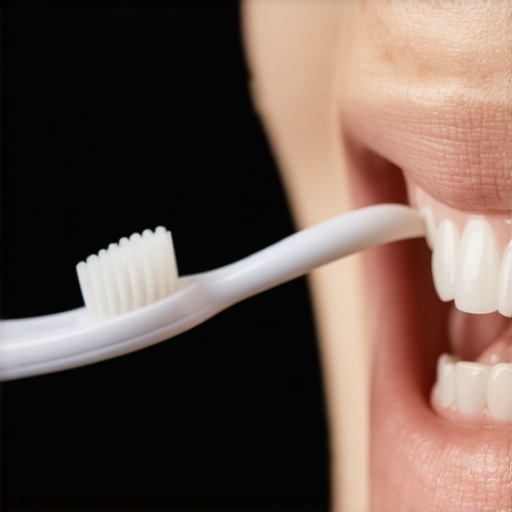
Stop Your Teeth from Bashing Together
It isn’t always the brush that’s the villain. Sometimes, the way your teeth collide is the real culprit. Dentists call this ‘occlusal trauma.’ Think of a fence post being hit by a sledgehammer; eventually, the ground around the post starts to loosen and dip. That is exactly what happens to your gums when you clench your jaw or if your bite is misaligned. If you wake up with a tight jaw, you might be ‘jacking’ your teeth into the bone, causing the gum to pull away. You might also notice why your jaw pops when you eat chewy foods like steak, which is often a red flag for underlying bite issues that contribute to recession. Even the real cause of those tiny vertical lines in your teeth can often be traced back to this excessive pressure. Addressing this might mean a night guard or a quick bite adjustment to ensure no single tooth is taking the brunt of the force.
Repairing Your Smile When Habits Weren’t Enough
Sometimes we catch the problem too late, and the gum has moved so far that it won’t grow back on its own. While the damage is frustrating, cosmetic dentistry secrets to boost your confidence offer several ways to mask the recession or protect the exposed roots. For instance, if you are worried about the ‘black triangles’ between your teeth, you might consider how veneers vs crowns can reshape your smile to cover those gaps. It’s important to know that the reason your veneers feel thicker than your natural teeth initially is often because they are designed to add back that lost structure. In cases where the tooth is compromised, looking into the future of dental implants can provide a permanent solution if recession has led to tooth loss. These interventions aren’t just for looks; they provide a physical barrier that replaces the protection your gums used to offer.
Don’t Treat Your Implants Like Indestructible Plastic
I used to think that once you got a dental implant or a set of veneers, you were essentially ‘done’ with the vulnerabilities of natural teeth. It’s a common trap: believing that porcelain and titanium are invincible because they can’t get cavities. But in my experience, this mindset is exactly what leads to the most expensive failures. While the material itself won’t decay, the foundation—your bone and gums—is actually more sensitive to neglect than before. If you don’t stay on top of your hygiene, you might start noticing why your dental implant is showing a tiny dark line at the base, which is often a sign of gum recession exposing the metal post. This isn’t just a cosmetic ‘oops’; it’s a warning that the seal between your restoration and your body is thinning. You have to be even more diligent with your family dentistry routines because the blood supply to the tissue around an implant is different than around a natural tooth, making it harder for your body to fight off local infections.
Avoid the Dreaded Piano Key Smile
The biggest mistake I see people make—and I almost made it myself—is demanding the whitest shade available. We’ve been conditioned to think ‘whiter is better,’ but in the world of high-end cosmetic dentistry, that is a recipe for a fake-looking smile. If you go too opaque and too white, you end up with what pros call ‘piano keys.’ You lose the natural translucency that real teeth have. According to the American Academy of Cosmetic Dentistry, the goal of a great restoration is to mimic the way light travels through natural enamel. If you ignore this, you’ll likely wonder why your porcelain veneers look opaque and fake compared to your remaining teeth. It’s about the ‘depth’ of the material, not just the surface color. Have you ever fallen into this trap of chasing the brightest white possible? Let me know in the comments if you’ve ever regretted a shade choice! 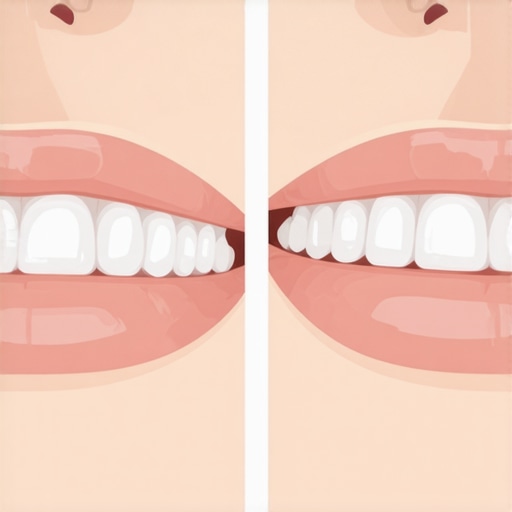
Why do my new veneers look different in sunlight versus indoors?
This is an advanced nuance that catches a lot of people off guard. It’s called metamerism. Basically, different light sources—like the warm LEDs in your bathroom versus the blue-tinted natural sunlight—interact with the porcelain in unique ways. This is often the reason your veneers look different in sunlight versus indoors. If your dentist didn’t check your shade under multiple lighting conditions, you might find that your smile looks perfect at dinner but looks like ‘glowing’ chiclets at a park. When you are looking into a veneers transformation, always ask to see the trial smile in natural light. Similarly, if you are moving toward dental implants in 2025, the newer materials are much better at handling these light shifts, but the ‘trap’ is still there if the lab work isn’t customized to your specific facial anatomy. Precision in veneers vs crowns decisions often comes down to these tiny, microscopic details that determine if your smile looks like a masterpiece or a dental project.
Swap your string floss for a high-pressure water stream
I used to think that traditional string floss was the gold standard, but once I got my first restoration, I realized it wasn’t enough. When you have a bridge or an implant, there are tiny nooks that a piece of wax-coated string simply cannot navigate effectively. This is why I personally recommend a high-quality water flosser. It’s not just about comfort; the pulsating water removes biofilm from the ‘cuff’ of the implant where a physical thread might snag or even cause damage. You need to learn how to safely clean a dental implant without scratching the post, and water is the gentlest medium for that. I use mine on the ‘low’ setting specifically around my cosmetic work to ensure I’m flushing out debris without irritating the attachment. Dr. Gordon Christensen, a renowned expert in restorative dentistry and founder of the Clinicians Report, has frequently noted that the long-term success of complex dental work is almost entirely dependent on the patient’s ability to disrupt biofilm daily without causing mechanical trauma to the site. 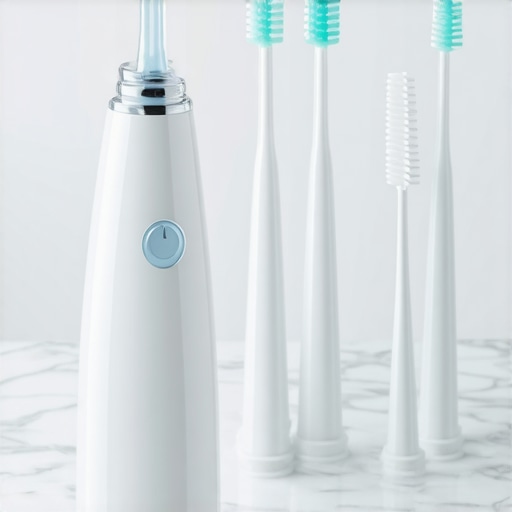
Shield your porcelain from the midnight grind
If you’ve invested in a veneers transformation, your biggest enemy isn’t coffee or wine—it’s your own jaw. I didn’t realize I was a ‘clencher’ until I saw a tiny chip in my temporary crown. Porcelain is incredibly strong under vertical pressure (chewing), but it’s brittle when subjected to the lateral ‘shearing’ forces of grinding. Now, I never go to sleep without my custom-fitted occlusal guard. It’s a small price to pay to protect a five-figure investment. If you already use one, make sure you know how to remove the smell from your plastic night guard at home so you actually want to wear it every night. Neglecting this is the fastest way to turn a masterpiece into a repair job.
How do I maintain my cosmetic dental work over time?
Consistency is the secret sauce. You have to treat your restorations with more respect than your natural teeth because they lack the ‘periodontal ligament’—the tiny shock absorbers and sensory fibers that tell your brain when you are biting too hard. I make it a point to visit my dentist every four months instead of six. This ‘accelerated’ schedule allows for professional-grade cleaning that prevents the buildup of tartar in areas I might miss at home. It’s also vital to follow family dentistry tips for a lifetime of healthy smiles, like using a non-abrasive gel toothpaste rather than a gritty whitening paste that can dull the polish of your veneers over time. Keep an eye on how how dental implants reshape your oral health in 2025, as new biocompatible coatings are making them even more resilient, but they still require that foundational home care to last a lifetime.
Expect AI to start watching your smile while you sleep
The trend I’m seeing—and something I’ve already started experimenting with—is the rise of teledentistry and AI-driven monitoring apps. Within the next few years, I predict we will all be using our smartphones to take weekly high-resolution scans of our smiles. These apps use algorithms to detect the earliest signs of gum recession or porcelain wear before they are visible to the naked eye. This level of ‘proactive maintenance’ is going to change the game for anyone with significant cosmetic work. Instead of waiting for a problem to arise, the tech will tell you to adjust your brushing angle or schedule a quick check-up. If you want to stay ahead of the curve, I highly suggest asking your dentist about digital monitoring tools during your next visit—it’s the ultimate way to ensure your investment stays perfect.
What My Dentist Finally Told Me After Years of Scrubbing
Reflecting on my journey from panic to a stable, healthy smile, I realized that some of the most important lessons weren’t found in a textbook. First, I learned that ‘white’ isn’t just one color; it’s a spectrum of translucency and depth. If you ignore this, you’ll likely fall for the mistake that makes porcelain veneers look like piano keys. Second, I discovered that my gums were a barometer for my stress; when I clenched my jaw at night, my gums were the first to suffer. Uncovering these cosmetic dentistry secrets to boost your confidence changed how I approached every morning. Lastly, I realized that maintenance is an active process—not a one-and-done surgery. Even if you see why your dental implant is showing a tiny dark line, it’s often a signal to adjust your mechanical habits rather than a sign of total failure.
My Daily Gear for a Recession-Proof Smile
To keep my results intact, I’ve curated a toolkit that focuses on ‘gentle efficiency’ rather than brute force. I swear by an extra-soft toothbrush with high-density filaments—it cleans without the sandpaper effect. I also use a water flosser daily, especially since learning how to safely clean a dental implant without scratching the post is vital for long-term success. For my nighttime routine, a custom-fitted occlusal guard is non-negotiable. I make sure to stay on top of hygiene for it, using tips on how to remove the smell from your plastic night guard at home so it’s always fresh. Finally, I rely on a non-abrasive hydroxyapatite toothpaste to keep my enamel and porcelain smooth and shiny without the grit. #IMAGE_PLACE_HOLDER_E#
Take Control of Your Smile’s Future Today
The journey toward a healthier smile doesn’t have to be a source of anxiety. Whether you are just starting to notice a bit of recession or you are planning a full veneers transformation, the power is in your daily habits. By following consistent family dentistry tips for a lifetime of healthy smiles, you can protect your investment and keep your natural teeth for decades to come. Don’t let the fear of ‘long teeth’ stop you from seeking the high-quality cosmetic dentistry you deserve. Your confidence is worth the effort, and the modern tools available today make it easier than ever to maintain a masterpiece. Have you ever switched to a softer toothbrush and noticed your gums felt less irritated? Let me know your experience in the comments below!